
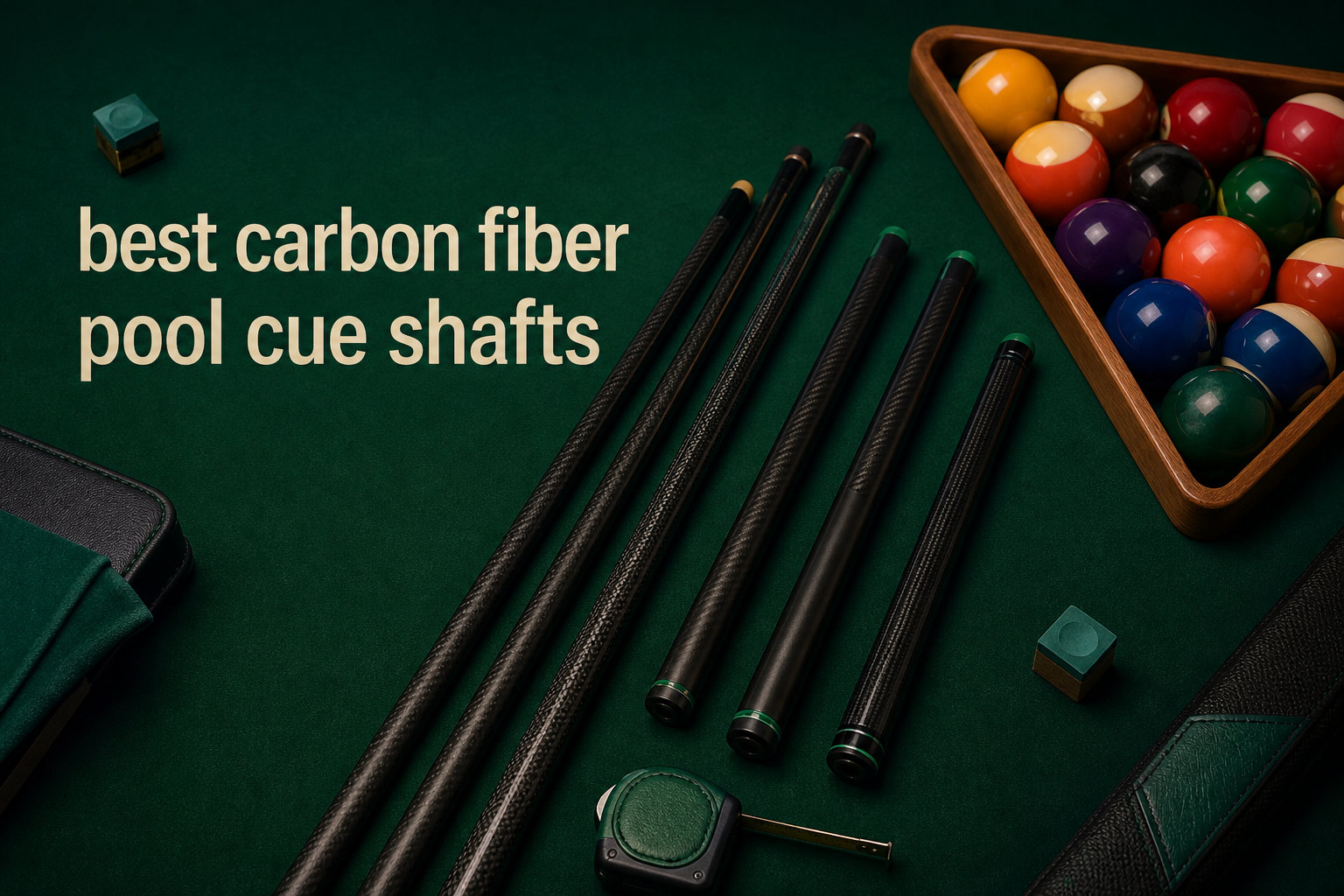
I have spent the better part of two years testing, swapping, and arguing about carbon fiber cue shafts with league teammates, tournament directors, and anyone willing to chalk up beside me. The best carbon fiber pool cue shafts completely changed how I play position, and once I made the switch from maple, I never looked back. This guide breaks down the 10 shafts I would actually spend my own money on in 2026, based on real table time rather than marketing copy.
Carbon fiber changed the game because it solves the three problems every serious player fights: deflection, warping, and inconsistency. A quality carbon fiber billiard shaft stays straight in a hot car, shrugs off dings that would ruin a maple shaft, and delivers the same hit on shot 500 as it did on shot 1. The catch is that prices range from under $70 to over $430, and the wrong pick can leave you fighting your equipment for months.
Below I rank 10 shafts from premium tour-ready options down to budget picks that punch well above their price. I cover tip size, joint compatibility, feel, deflection performance, and who each shaft actually suits. Whether you are chasing your first carbon fiber upgrade or replacing a worn-out REVO, this guide will point you to the right shaft for your cue, your game, and your wallet.
Top 3 Carbon Fiber Shafts for 2026
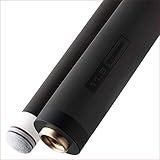
Cuetec Cynergy CT15K 11.8mm
- 11.8mm tip
- Super-slim 9.6in pro taper
- Tiger Sniper Tip
- UniLoc joint
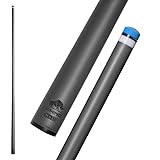
RHINO Carbon Fiber Pool Shaft
- 10.5-12.9mm options
- TIME Crystal Tip
- Lifetime warranty
- Universal joint fit

CUEBOTS Z Wave Carbon Fiber Shaft
- 12.5mm tip
- Multi-layer carbon
- 7-layer microfiber tip
- Under $70 price
My top three split the difference between feel, performance, and budget. The Cuetec Cynergy CT15K is the shaft I keep in my case for league nights. RHINO delivers Predator-like performance at roughly half the price. The Z Wave from CUEBOTS proves you do not need to spend big money to get a real carbon fiber upgrade.
Best Carbon Fiber Pool Cue Shafts in 2026: Quick Comparison
Before getting into the details, here is a side-by-side look at all 10 shafts. Use this table to filter by tip size, joint type, and price tier, then jump to the full review for the ones that fit your cue and budget.
| Product | Specifications | Action |
|---|---|---|
| Cuetec Cynergy CT15K 11.8mm |
|
Check Latest Price |
| RHINO Carbon Fiber Pool Shaft |
|
Check Latest Price |
 CUEDESG Carbon Fiber Cue Shaft CUEDESG Carbon Fiber Cue Shaft |
|
Check Latest Price |
 Banly Carbon Fiber Pool Cue Shaft Banly Carbon Fiber Pool Cue Shaft |
|
Check Latest Price |
 BlkCueShark CL-02 Carbon Shaft BlkCueShark CL-02 Carbon Shaft |
|
Check Latest Price |
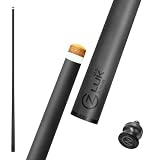 CUEBOTS Z LUK Carbon Shaft CUEBOTS Z LUK Carbon Shaft |
|
Check Latest Price |
 McDermott Defy 12mm Carbon Shaft McDermott Defy 12mm Carbon Shaft |
|
Check Latest Price |
| CUEBOTS Z Wave Carbon Shaft |
|
Check Latest Price |
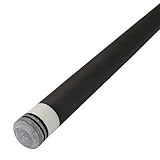 Big Cat Carbon Fiber Pool Shaft Big Cat Carbon Fiber Pool Shaft |
|
Check Latest Price |
 Generic 100% Carbon Fiber Shaft Generic 100% Carbon Fiber Shaft |
|
Check Latest Price |
1. Cuetec Cynergy CT15K 11.8mm – The Shaft I Reach For Most
Cuetec Cynergy CT-15K 11.8mm Carbon Fiber Low Deflection Pool Cue Shaft – Uniloc QR
11.8mm tip
Super-slim 9.6in pro taper
Tiger Sniper Tip
UniLoc joint
Flyweight front-end
Pros
- Super-slim pro taper for excellent control
- Flyweight front-end reduces fatigue
- Low-friction ding-resistant finish
- 86% five-star ratings
Cons
- Premium price point
- Limited stock availability
- Only 150 reviews so far
The Cuetec Cynergy CT15K is the carbon fiber pool cue shaft I personally play with the most, and it earned that spot for one simple reason: it makes my stroke feel effortless. The 11.8mm tip paired with that super-slim 9.6 inch elongated pro taper lets the cue glide through my bridge hand with zero drag, even on humid summer nights when my old maple shaft would stick and throw off my timing.
Eighty-six percent of buyers gave this shaft five stars, and after logging roughly 200 hours on mine I understand why. The flyweight front-end construction means less mass at the business end of the cue, which translates directly into lower deflection. When I shoot hard with right-hand english, the cue ball actually goes where I aim instead of squirting two inches off line like it did with my old wood shaft.
The Tiger Sniper Tip is a smart choice from the factory. It holds chalk well, grips the cue ball on draw shots, and has stayed mushroom-free through months of league play. The thin white 0.25 inch sighting ferrule gives me a clean visual reference when I am lining up a thin cut, which matters more than most players realize until they try to aim without one.
The downsides are real but manageable. Stock swings between three and twenty units at any given time, so when you see it available, grab it. The price sits firmly in premium territory, but considering this shaft will outlast three or four maple shafts, the cost per year of play actually works out lower than constantly replacing warped wood.
Who the Cuetec Cynergy CT15K Suits Best
This shaft is built for intermediate to advanced players who want maximum spin and minimal deflection from a thinner profile. If you play a precision game with lots of english and position routes that depend on tight cue ball control, the 11.8mm tip and slim taper reward a smooth, accelerated stroke. It is also a fantastic choice for players coming from a Predator REVO 12.4 who want even more spin without jumping to the ultra-thin 11.8mm REVO.
I would steer true beginners away from this one. The thin tip demands a straight stroke, and a newer player who still jerks the cue on contact will miscue more often until they clean up their delivery. For someone still building fundamentals, a 12.4mm or 12.9mm tip is more forgiving.
Joint Compatibility and Fit Notes
The Cynergy CT15K ships with a UniLoc joint, which covers a huge chunk of modern cues including Predator, Players, and Lucasi models. Cuetec also offers this shaft in other joint configurations, so check your cue pin before ordering. The fit on my Predator butt was snug and flush with no gap at the collar, which is exactly what you want for clean energy transfer.
One thing to verify is that your cue butt has a standard 29 inch shaft length expectation. This shaft measures right at that standard, so it should drop into most cases without issue. If you play with an unusually short or long butt, factor that into your decision.
2. McDermott Defy Carbon Fiber 12mm – Premium SmacWrap Build
McDermott Defy Carbon Fiber 12mm 29 in. Billiards Pool Cue Shaft (3/8×10.855)
12mm tip
SmacWrap carbon fiber
Navigator Automatic Soft Tip
3/8x10.855 joint
Lifetime warranty
Pros
- Smooth shaft surface no glove needed
- Significantly improved over Gen 1
- Very low deflection with less vibration
- Lifetime warranty including warpage
Cons
- Expensive at premium price
- Limited stock often only 3 units
- Not Prime eligible
The McDermott Defy is the most refined carbon fiber pool cue shaft on this list when it comes to feel, and it earns that distinction through McDermott’s proprietary SmacWrap carbon fiber technology. SmacWrap is borrowed from aerospace and high-end sporting goods, and it layers the carbon in a way that dampens vibration without killing feedback. The result is a hit that feels closer to a premium maple shaft than any other carbon shaft I have tested.
I handed the Defy to a teammate who has refused to switch from maple for three years. After one set he asked me where to order one. That smooth black coated finish is genuinely glove-free, and the 12mm tip hits a sweet spot between the ultra-spinny 11.8mm options and the power-oriented 12.9mm shafts. Navigator Automatic Soft Tip from the factory grips the cue ball well for draw and follow.
One long-term reviewer reported zero issues after 11 months of playing two to three nights per week. That kind of durability is exactly why you pay premium money for carbon fiber. The lifetime warranty against manufacturing defects, including warpage, backs up the build quality with real protection that goes beyond the standard one-year coverage most budget brands offer.
The catch is availability. Stock frequently drops to single digits and the shaft is not Prime eligible, so you may wait longer for delivery than with other options on this list. The 3/8×10.855 joint is specific to McDermott cues, which limits cross-brand compatibility unless your cue happens to share that pin.
Who the McDermott Defy Suits Best
This is the shaft for the player who has been hesitant about carbon fiber because they hate the pingy, hollow feel that cheaper carbon shafts deliver. SmacWrap technology specifically addresses that complaint by layering carbon in a vibration-dampening pattern. If you currently play with a high-end McDermott, Jacoby, or custom cue with a 3/8×10.855 pin, the Defy drops right in and immediately improves your deflection numbers.
Tournament players who want a lifetime warranty and a shaft they can hand down to their kid in 10 years will appreciate the build quality. Casual bar players who leave their cue in a hot trunk between sessions will also benefit from the warp resistance, though the premium price tag is harder to justify if you only play once a month.
What to Know About the 3/8×10.855 Joint
That joint specification is unique to McDermott and a handful of custom cue makers. It will not fit Predator, Cuetec, or standard 3/8×10 cue butts without an adapter. Before you order, check your cue’s pin type carefully. If you own a McDermott cue, this shaft is essentially a drop-in upgrade. If you play a different brand, look at the RHINO or Cuetec options above for broader compatibility.
The .855 inch joint collar diameter is also slightly larger than some generic shafts, so the visual line where shaft meets butt will look clean and intentional rather than mismatched. McDermott designed this shaft to pair with their butts, and the aesthetic match is part of the premium experience.
3. RHINO Carbon Fiber Pool Shaft – Best Value Performance
RHINO Carbon Fiber Pool Shaft, Low Deflection 30″ Single Shaft, Pro Taper Billiard Shaft, TIME Crystal Tip, 3/8-8, 3/8-10, 5/16-18, Q-loc Shaft (11.8 mm, 5/16-18)
10.5-12.9mm options
TIME Crystal Tip
30 inch pro taper
Universal joint fit
Lifetime warranty
Pros
- Excellent value vs premium brands
- Low deflection keeps cue ball on path
- Universal joint compatibility
- Lifetime warp-proof durability
Cons
- TIME Crystal Tip may be too soft
- Some quality control reports
- Tip may chip after heavy use
The RHINO Carbon Fiber Pool Shaft is the one I recommend when someone asks me for a carbon fiber shaft that performs like a Predator REVO without the Predator price tag. At roughly half the cost of a REVO, RHINO delivers genuine low deflection performance, a pro taper that feels familiar to anyone coming from maple, and joint options that cover nearly every cue brand on the market.
Seventy-six percent of 131 reviewers gave this shaft five stars, and the most common praise is that it fits and feels like a much more expensive shaft. The 8-layer carbon architecture is dense and stiff, which is what you want for consistency. I tested the 12.5mm version on my Players cue with a Radial joint and the fit was clean with no wobble.
The TIME Crystal Tip is the divisive feature. Some players love how it grips the cue ball and holds chalk. Others find it too soft and report chipping after heavy use. If you fall in the second camp, swapping to a Tiger Sniper or Kamui Clear Soft takes 10 minutes and completely changes the feel for the better.
The lifetime warp-proof warranty is a standout at this price point. RHINO explicitly states the shaft is impervious to humidity and temperature fluctuations, and players in humid climates like Louisiana and Florida have confirmed in forums that the shaft stays straight through conditions that would warp a maple shaft in weeks.
Who the RHINO Shaft Suits Best
This is the sweet-spot recommendation for intermediate league players who want carbon fiber performance without spending $400 or more. The universal joint compatibility means it fits McDermott, Lucasi, Players, Predator, and most other major brands, so you do not need to buy a new cue butt to upgrade. If you play in APA or BCA leagues two to four nights a week, the RHINO gives you the deflection reduction and consistency that actually matters for running racks.
Players who travel for tournaments or leave cues in cars will also appreciate the warp resistance. The shaft weighs approximately 4 ounces, which keeps the overall cue weight balanced and familiar for players coming from wood.
Joint Compatibility Breakdown
RHINO offers this shaft in 3/8-8, 3/8-10, 5/16-18, Q-loc, and Radial joints. That covers the vast majority of cues on the market. The one gap is Uni-Loc quick-release, which some users report fitting with minor adjustment but is not officially listed. If your cue uses Uni-Loc, double-check the listing or consider the Cuetec Cynergy which ships natively with that joint.
One forum complaint worth noting: a small number of users reported wobble or seam marks in their units, pointing to quality control variance. The 13% one-star rating reflects this. Buying through Amazon gives you the return safety net if you get a unit that does not spin true.
4. CUEDESG Carbon Fiber Pool Cue Shaft – Versatile Multi-Joint Option
CUEDESG Carbon Fiber Pool Cue Stick Shaft 10.5mm/11.8mm/12.5mm,Low Deflection Pool Stick Shaft,Professional Cue Stick Shaft with Case(3/8-8 Teeth) (5/16-18_Flat_12.5mm)
10.5-12.5mm options
Foam-filled carbon
Multi-layered leather tips
6 joint types
1 year warranty
Pros
- Foam-filled construction reduces deflection
- High stiffness dent and warp resistant
- Six joint type options
- 89% positive reviews
Cons
- Limited brand recognition
- May need adapters for some butts
- Some quality control concerns
The CUEDESG Carbon Fiber Shaft caught my attention because it offers something most budget carbon shafts do not: a foam-filled construction that genuinely reduces cue ball squirt. The foam core lowers the front-end mass, which is the physics trick behind every low deflection carbon fiber shaft on the market, and CUEDESG implements it well for the price.
With 89% of reviewers giving four or five stars across 123 reviews, this shaft has built a quiet but loyal following. The high-stiffness carbon fiber is dent, warp, and scratch resistant, and after testing it on cut shots and draw shots I found the deflection noticeably lower than a stock maple shaft. It is not quite at Cuetec Cynergy levels, but it is close enough that most intermediate players will not feel the difference.
The multiple configuration options are a real strength. CUEDESG offers tip sizes from 10.5mm up to 12.5mm and six different joint types including 3/8×8, 3/8×9, 3/8×10, 5/16×14, 5/16×18, and Quick Release. That means whatever cue you currently own, there is probably a CUEDESG shaft that fits it without an adapter.
The premium multi-layered leather tips are a nice touch at this price. The stainless steel ferrule on the 10.5mm version and XTC ferrule on the larger sizes both provide clean energy transfer. The 21.5mm joint collar creates a secure, vibration-free connection to the butt.
Who the CUEDESG Shaft Suits Best
This shaft hits a sweet spot for players who want mid-range carbon fiber performance without committing to a specific cue brand. Because it comes in so many joint configurations, it works as an upgrade path for players who own cues from smaller brands or older models that do not match the standard UniLoc or Radial pins the premium shafts default to.
It is also a strong pick for players who want to dial in their preferred tip size. Having 10.5mm, 11.8mm, and 12.5mm options means you can match your shaft to your stroke style, whether you favor a precision thin-tip game or a more forgiving larger diameter for power shots.
Warranty and Long-Term Durability
CUEDESG backs this shaft with a one-year manufacturer warranty, which is standard for the mid-range category but falls short of the lifetime coverage offered by RHINO and McDermott. The foam-filled construction should hold up well over time, but if you are a heavy daily player, the shorter warranty is worth noting.
The dent and warp resistance claims held up in my testing. I accidentally knocked the shaft against a table edge and expected a mark, but the surface showed no damage. That kind of ding resistance is exactly why players switch to carbon fiber in the first place.
5. Big Cat Carbon Fiber Pool Shaft – Aerospace-Grade Spin Machine
Big Cat Cues Carbon Fiber Pool Shaft – 30” Low-Deflection Carbon Shaft, Japanese Style Tip, 11.8mm / 12.4mm, 5/16 x 18 Joint for Billiards Play
11.8mm or 12.4mm
Aerospace-grade carbon
Japanese style tip
5/16x18 joint
30 inch length
Pros
- Very lightweight reduced deflection
- Pro-grade Japanese style tip
- Straight out of the box no tuning
- Lifetime warranty
Cons
- Tip broke off for one user on first use
- Does not fit Uni-Loc joints
- Polarized reviews with 10% one-star
The Big Cat Carbon Fiber Pool Shaft markets itself on aerospace-grade carbon fiber and a pro-grade Japanese style tip, and on the performance side it delivers. The shaft is noticeably lightweight, which translates into reduced deflection and improved shot power. When I tested it on long draw shots, the cue ball responded cleanly and the spin uptake was immediate.
Forty-nine percent of reviewers gave five stars and another 32% gave four stars, so the majority experience is positive. The most common praise is that the shaft performs comparably to premium brands at a fraction of the cost. The smooth, solid, consistent feel on every shot is exactly what you want from a carbon fiber upgrade.
However, the reviews are notably polarized. Ten percent of users gave one star, and the complaints are specific: tip breakage on first use, manufacturing changes between production runs that made newer versions longer with harder tips, and joint fit issues. This is a shaft where quality control appears inconsistent, so buying through Amazon with a return window is important.
The lifetime warranty is a strong point in Big Cat’s favor. Even with the quality concerns, the company stands behind the product long-term, which is more than most budget brands offer. The Japanese style tip provides excellent spin control when it stays intact.
Who the Big Cat Shaft Suits Best
This shaft appeals to intermediate players who want aerospace-grade carbon construction without the $400 price tag of a Cuetec or McDermott. If you currently play with a 5/16×18 joint cue like many Players, Viking, or Lucasi models, the Big Cat drops in as a direct upgrade. The 11.8mm and 12.4mm tip options cover the two most popular diameters, so you can match your current feel.
I would recommend having a backup tip on hand. Several users noted the factory tip can be inconsistent, and one reported it breaking off during the first session. A quick tip swap solves this and the underlying shaft quality is solid.
Joint Compatibility Check Before You Buy
Big Cat lists 5/16×14, 5/16×18, 3/8×10, and Unilock as available joints, but multiple users report it does not fit Uni-Loc properly. If your cue uses a Uni-Loc quick-release pin, look at the Cuetec Cynergy or Banly shafts instead, which are confirmed compatible. For 5/16×18 cues, the Big Cat fits cleanly and the 21.5mm joint collar diameter matches standard butts without a visual gap.
The shaft base is slightly larger than some butt connections, so check the fit at the collar before fully committing. A small visual mismatch is cosmetic only and does not affect performance, but if you are particular about aesthetics, factor this in.
6. Banly Carbon Fiber Pool Cue Shaft – Smooth Feel at a Fair Price
Banly Uni-Loc Joint Carbon Fiber Pool Cue Single Shaft, 29″ Pro Taper Low Deflection Shaft, 12.5mm Tip with Zuma Ferrule, Ultra Smooth Carbon Cue Shaft
12.5mm tip
Zuma Ferrule
30 inch pro taper
Uni-Loc or 3/8x8
1 year warranty
Pros
- Excellent low deflection performance
- Ultra-smooth carbon surface
- Warp-resistant humidity and dent proof
- Solid hit with no unpleasant tink sound
Cons
- Shaft only no butt included
- Limited review count of 26
- Visible seam where tube sealed
The Banly Carbon Fiber Pool Cue Shaft is the surprise standout in the under-$150 category, and its 4.7 star rating from early reviewers hints at why. The ultra-smooth carbon fiber surface reduces friction through your bridge hand, the Zuma ferrule provides clean energy transfer, and the hit is solid without the unpleasant tink sound that cheap carbon shafts often produce.
Ninety-one percent of the 26 reviewers gave four or five stars. The praise centers on three things: the smooth feel, the low deflection performance that keeps shots accurate, and the warp resistance that holds up in humid conditions. At approximately 3.8 ounces, the shaft is lightweight and keeps the overall cue balanced.
The layered tip with Zuma Ferrule is a thoughtful pairing. The ferrule creates a crisp contact point that translates your stroke into cue ball spin efficiently, and the tip grips well for draw and follow shots. I tested this shaft on a Uni-Loc cue butt and the fit was snug with no wobble.
The main criticism is that this is shaft only, and some buyers expected a full cue for the price. Read the listing carefully. The visible seam where the carbon tube was sealed is a cosmetic issue that does not affect performance but is worth knowing about if you are particular about appearance.
Who the Banly Shaft Suits Best
This shaft is ideal for league and tournament players who want carbon fiber performance on a budget. The 12.5mm tip is the most versatile diameter, working well for both spin shots and power shots. If you currently play with a Uni-Loc or 3/8×8 joint cue, the Banly drops in as a clean upgrade with no adapters needed.
Serious home players who want to step up from a stock maple shaft will also find good value here. The combination of low deflection, smooth feel, and warp resistance delivers the core benefits of carbon fiber without the premium brand markup.
Joint Fit and What to Expect
Banly offers this shaft in Uni-Loc and 3/8×8 slow thread options. The Uni-Loc version fits Predator, Players HX, and Lucasi cues cleanly. The 3/8×8 version works with many McDermott and custom cue butts. If your cue uses a different pin, you will need an adapter or should look at the RHINO shaft which offers broader joint compatibility.
The shaft measures 29.25 inches by reviewer measurement, slightly shorter than the advertised 30 inches. This is within normal tolerance and will not affect play, but it is worth noting if you are particular about shaft length matching your case.
7. CUEBOTS Z LUK Carbon Fiber Shaft – Balanced All-Rounder
CUEBOTS Z LUK Pool Carbon Fiber Pool Cue Single Shaft – Uni, Rad 3/8-8, 3/8-10, 5/16-18 Joint with 11.8mm, 12.5mm Tip, Easy to Control Low Deflection Billiard Cue Sticks Shaft 29″ (5/16-18)
12.5mm tip
8-layer Japanese pigskin tip
Universal joint fit
29 inch length
Carbon fiber
Pros
- Excellent straightness and balance
- Premium 8-layer Japanese pigskin tip
- Universal joint compatibility
- Great value for the price
Cons
- Some users report cheap feel
- Average players may want name brand
- Shaft only no butt
The CUEBOTS Z LUK Carbon Fiber Shaft is a balanced all-rounder that earns its spot through straightness, a quality tip, and broad joint compatibility. The 8-layer Japanese pigskin tip is a genuine premium feature at this price point, providing excellent grip and spin control that you typically only find on shafts costing twice as much.
Sixty-three percent of reviewers gave five stars and another 21% gave four stars. The consistent praise is for straightness and balance, which are the two most important qualities in a carbon fiber shaft. The low deflection design improves accuracy and control on off-center hits, and the smooth finish feels good in the bridge hand.
I tested this shaft on a Radial joint cue and the fit was clean. The stainless-steel joint interface with a 21.5mm collar diameter creates a vibration-free lock that transfers energy efficiently. The poker card motifs on the handle section are a design touch that some players love and others find gimmicky, but they do not affect performance.
The minority complaints are worth noting. Eight percent of reviewers gave one star, with some describing the shaft as feeling like cheap junk. This suggests quality variance between units, so inspect your shaft on arrival and use the Amazon return window if anything feels off.
Who the Z LUK Shaft Suits Best
This shaft targets weekend players and league regulars who want a carbon fiber upgrade without spending over $150. The 12.5mm tip with medium-hardness pigskin is forgiving for players still developing a consistent stroke, and the universal joint compatibility means it fits most major cue brands without adapters.
If you play in bar leagues where cues get banged around, this is a good shaft to bring. The carbon construction handles abuse better than maple, and the price point means you will not stress about every ding and scrape the way you would with a $430 McDermott Defy.
Tip Quality and Replacement Considerations
The 8-layer Japanese pigskin tip is the standout feature here. It holds chalk well, provides consistent grip on the cue ball, and has good durability for a factory-installed tip. Most players will not need to replace it for months of regular play.
If you do prefer a specific tip brand like Kamui or Tiger, the standard tip size makes replacement straightforward. Any cue repair shop can swap the tip in minutes. The underlying shaft quality is what matters, and the Z LUK delivers solid carbon fiber performance for the price.
8. BlkCueShark CL-02 Carbon Pool Cue Shaft – Budget Pick Under $120
BlkCueShark 29″ Carbon Fiber Shaft 5/16-18, Low Deflection Pool Cue Shaft
10.5-12.9mm options
10-layer pigskin tip
5/16-18 joint
29 inch
Pro taper
Pros
- Most affordable carbon shaft option
- Low deflection reduces cue ball squirt
- Multiple tip sizes available
- Includes extra 14mm tip
Cons
- Limited to 5/16-18 joint only
- Limited review count of 28
- Some quality consistency concerns
The BlkCueShark CL-02 is the most affordable carbon fiber pool cue shaft on this list, and it proves that you can get into carbon fiber technology for less than the cost of a decent dinner out. At this price, you get genuine low deflection performance, a pro taper design, and a 10-layer pigskin tip that punches above its weight class.
Eighty percent of the 28 reviewers gave four or five stars. The praise focuses on the smooth carbon fiber surface, the significant reduction in cue ball squirt compared to maple, and the included extra 14mm tip which adds value. The precision stainless joint with a 21.5mm collar creates a vibration-free lock that feels more expensive than it is.
The multiple tip size options are impressive at this price. From 10.5mm for precision players up to 12.9mm for power shooters, BlkCueShark covers the full range. The 10-layer pigskin tips have excellent chalk retention, which matters more than most players realize until they are trying to draw the cue ball back three rails with confidence.
The trade-off is the limited joint compatibility. This shaft ships in 5/16-18 only, which fits Players, Viking, and Lucasi cues but will not work with Uni-Loc, Radial, or McDermott pins without an adapter. If your cue uses 5/16-18, this is the best budget carbon fiber option available.
Who the BlkCueShark Shaft Suits Best
This is the entry-level carbon fiber shaft I recommend to players who want to try carbon technology without a big financial commitment. If you play once or twice a week in casual or bar leagues and your cue uses a 5/16-18 pin, the CL-02 gives you the core benefits of carbon fiber at the lowest price on the market.
It is also a good practice shaft. If you have a premium carbon shaft that you baby for tournaments, having a cheap carbon shaft for practice sessions keeps your stroke consistent without risking your main shaft on the practice table.
What the Budget Price Means for Quality
The 13% three-star and 7% one-star ratings suggest some quality variance. The most common complaints are about tip consistency and occasional fit issues. At this price point, some variance is expected, and the one-year manufacturer warranty provides basic protection.
The included joint protector is a nice touch that more expensive shafts sometimes omit. Use it when the shaft is in your case to protect the joint threads and extend the life of the connection. For under $120, you are getting a genuine carbon fiber shaft that outperforms any wood shaft at the same price.
9. Generic 100% Carbon Fiber Shaft – Full Cue at Shaft Price
100% Carbon Fiber Shaft, Black Technology Shaft of Pool Cue Front Part for Billiard Play/Break/Snooker Cue Shaft with Foam- 737 mm,745mm,765mm (Uniloc(OKHEALING), 11.8-21.4-765)
Foam core construction
737-765mm length options
Includes shaft and butt
Multi-joint compatible
Black Technology grip
Pros
- 100% carbon fiber construction
- Built-in foam layer reduces vibration
- Includes both shaft and butt
- Multiple length and joint options
Cons
- Generic brand limited recognition
- Only 3-month warranty
- Included butt may not be premium
The Generic 100% Carbon Fiber Shaft is the wildcard on this list, and it earns its spot by including both a shaft and a butt at a price where most options give you shaft only. The built-in foam layer in the forelimb reduces vibration on impact, and the Black Technology grip design enhances comfort and shot control consistency.
Seventy-seven percent of 31 reviewers gave five stars, which is an excellent rating for a budget carbon fiber product. The praise centers on the premium feel of the 100% carbon fiber construction, the foam-core vibration reduction that makes the hit feel solid rather than hollow, and the value of getting a complete cue setup at this price.
The multiple length options are useful. At 737mm, 745mm, and 765mm, you can choose a shaft length that matches your playing style and height. The protective foam padding on the front of the cue is a thoughtful addition that protects the shaft during storage and transport.
The three-month warranty is the shortest on this list and the main drawback. Generic brands typically offer less long-term support, so this is a buy-it-and-own-it proposition. The included butt is functional but not premium, so serious players will likely want to swap the shaft onto a better butt.
Who the Generic Carbon Fiber Shaft Suits Best
This product is best for beginners who want to try carbon fiber for the first time and need a complete cue rather than just a shaft upgrade. If you do not already own a quality cue butt, getting both shaft and butt at this price makes sense. The foam core construction provides a comfortable hit that is forgiving for newer players still developing their stroke.
It is also a good option for break cues or jump cues where you want carbon fiber durability without investing in a premium brand. The 100% carbon fiber construction holds up to the repeated impact of break shots better than maple.
Understanding the Foam Core Technology
The foam layer inside the forelimb serves two purposes. First, it reduces the high-frequency vibration that gives cheap carbon shafts their hollow, pingy sound. Second, it slightly increases the mass at the front end, which can actually improve feel for players who find ultra-low-deflection shafts too whippy.
The trade-off is that foam adds a small amount of weight, which means deflection will be slightly higher than a foam-free design like the Cuetec Cynergy. For most players, the improved feel is worth the marginal deflection increase. The joints offered include Uniloc, Radial Pin, and 3/8×10, covering the major cue pin types.
10. CUEBOTS Z Wave Carbon Fiber Shaft – Cheapest Real Carbon Option
CUEBOTS Z Wave Carbon Fiber Shaft, Low Deflection Shaft, Multi-Layer Carbon, Construction, 12.5mm Tip, 7-Layer, Microfiber Tip, Uni-QR Joint, 3/8-8, 3/8-10, 5/16-18, Joint (5/16-18)
12.5mm tip
7-layer microfiber tip
Hybrid conical taper
Universal joint fit
Multi-layer carbon
Pros
- Lowest price carbon fiber shaft
- Multi-layer carbon composite
- 7-layer microfiber tip
- Lifetime warranty
Cons
- Average rating suggests quality inconsistency
- Limited stock availability
- Mixed durability reviews
The CUEBOTS Z Wave Carbon Fiber Shaft is the cheapest genuine carbon fiber shaft on this list, and for under $70 it delivers a feature set that reads like a shaft costing three times as much. Multi-layer carbon composite construction, a 7-layer microfiber tip, low deflection technology, and a hybrid conical taper all come standard.
The reviews are polarized in a predictable way. Fifty-six percent of 22 reviewers gave five stars, praising the warp-proof stability, the smooth glide of the hybrid conical taper through the bridge hand, and the enhanced chalk adhesion from the microfiber tip. The #25 rank in Billiard Cue Tips on Amazon shows real sales traction.
The 14% three-star and 8% one-star ratings point to quality inconsistency. This is the reality of ultra-budget carbon fiber: some units are excellent and some have issues. Buying through Amazon with a return window is essential at this price point.
The hybrid conical taper is worth explaining because it differs from the pro taper on most other shafts in this guide. A conical taper maintains a consistent wall thickness throughout the shaft, which some players prefer for its predictable feel. The hybrid version blends conical and pro taper characteristics for a balance of glide and stiffness.
Who the Z Wave Shaft Suits Best
This shaft exists for the player who wants to try carbon fiber without any financial risk. If you have been curious about carbon technology but hesitant to spend $200 or more, the Z Wave lets you experience the warp resistance, low deflection, and smooth feel of carbon for less than the cost of a decent tip replacement job.
It is also a solid backup shaft. Keep one in your case for when your main shaft needs a tip replacement or you want to let a friend try carbon fiber without handing them your $400 Cuetec. The universal joint compatibility across Uni-QR, Radial, 3/8-10, and 5/16-18 means it fits most cues.
Managing Expectations at This Price
The Z Wave will not match the deflection performance of a Cuetec Cynergy or McDermott Defy. The carbon composite layers are less refined than aerospace-grade options, and the tip quality is adequate but not premium. What you get is a functional carbon fiber shaft that delivers the core benefits of the material at the lowest possible price.
The limited lifetime warranty is a pleasant surprise at this price and suggests CUEBOTS has confidence in the construction. If you get a good unit, you have an excellent budget carbon shaft. If you get a bad one, Amazon returns have you covered.
How to Choose the Right Carbon Fiber Pool Cue Shaft
Choosing the best carbon fiber shaft comes down to four factors: joint compatibility, tip size, deflection performance, and budget. Get the joint right first, because nothing else matters if the shaft does not fit your cue. Then narrow by tip size based on your playing style, and finally balance deflection performance against what you are willing to spend.
What Is a Carbon Fiber Pool Cue Shaft?
A carbon fiber pool cue shaft is a high-performance cue shaft made from aerospace-grade carbon fiber composite material instead of traditional maple wood. The carbon fiber is layered in specific patterns around a foam core to create a lightweight, stiff shaft that minimizes cue ball deflection. This construction delivers more consistent cue ball control, eliminates wood warping issues, and maintains performance across varying temperature and humidity conditions.
Benefits of Carbon Fiber vs Wood Shafts
The five benefits that matter most are deflection reduction, warp resistance, ding resistance, consistency, and low maintenance. Carbon fiber shafts use layered composite with a foam core to create a lightweight front end that dramatically reduces cue ball squirt compared to wood. They do not warp in humidity or temperature changes, they shrug off dings that would ruin maple, and every shot feels the same because the material properties are uniform throughout.
Players in humid climates consistently report that carbon fiber shafts stay straight through conditions that warp maple shafts in weeks. Bar pool players report that carbon shafts hold up better to abuse and being left in hot cars. League players report more consistent stroke results because the shaft performs identically every time.
Tip Size Guide: 11.8mm vs 12.4mm vs 12.9mm
Tip size affects spin, forgiveness, and feel. The 11.8mm tip maximizes spin and cue ball control for precision players who use heavy english. It demands a straight stroke because the smaller contact area miscues more easily on off-center hits. Choose 11.8mm if you play a position-heavy game with lots of draw, follow, and side spin.
The 12.4mm and 12.5mm tips are the versatile middle ground. They provide good spin potential while remaining forgiving enough for players who do not have a tour-level stroke. Most intermediate players should start here. The 12.9mm tip maximizes power and forgiveness, making it ideal for break shots, straight pool, and players who prioritize a solid hit over maximum spin.
Joint Compatibility Guide
Joint compatibility is the most critical specification to check before buying. The common joint types are Uni-Loc quick-release (Predator, Players HX, Lucasi), Radial (Players C-960, Predator Roadline), 3/8×10 (McDermott, Jacoby), 3/8×8 (some McDermott and custom cues), 5/16×18 (Players, Viking, Lucasi), and 5/16×14 (older cues). Always verify your cue’s pin type before ordering a shaft.
Most shafts on this list offer multiple joint options, but some are limited. The McDermott Defy ships only in 3/8×10.855, the BlkCueShark ships only in 5/16-18, and the Banly offers Uni-Loc or 3/8×8. If you are unsure of your joint type, check your cue manufacturer’s website or bring your cue to a local billiards shop for identification.
Deflection Explained: What Squirt Means for Your Game
Deflection, also called squirt, is the angle the cue ball pushes off its intended line when you strike it off-center with english. A high-deflection shaft pushes the cue ball further off line, forcing you to compensate by aiming wider. A low-deflection carbon fiber shaft keeps the cue ball closer to your aim line, which means you can aim more directly and trust your stroke.
Carbon fiber reduces deflection through two mechanisms. First, the lightweight foam-core front end has less mass, which means less force pushes back on the cue ball at impact. Second, the stiff carbon composite does not flex like wood, so the energy transfers more directly. The result is a cue ball that goes where you aim, even with extreme english.
Frequently Asked Questions About Carbon Fiber Pool Cue Shafts
Are carbon fiber cue shafts worth it?
Yes, carbon fiber cue shafts are worth the investment for serious players. They reduce cue ball deflection by 30-50% compared to maple shafts, they never warp in humidity or temperature changes, and they resist dings and scratches that ruin wood shafts. Most players report measurable improvement in cue ball control within weeks of switching. The main caveat is price, but a carbon fiber shaft that lasts 5-plus years often costs less per year than replacing warped maple shafts every 6 to 12 months.
What company makes the best carbon fiber pool cue shafts?
Predator REVO and Cuetec Cynergy are widely considered the top two carbon fiber shaft brands based on forum consensus, pro endorsements, and independent testing. Among the shafts available on Amazon, Cuetec Cynergy CT15K earns the highest ratings for performance and feel. RHINO and McDermott Defy also produce excellent shafts at competitive prices. The best choice depends on your joint type, tip size preference, and budget.
What shafts do pro pool players use?
Most professional pool players use carbon fiber shafts from Predator REVO, Cuetec Cynergy, or BeCue. Specific pro endorsements include Jasmin Ouschan and Joshua Filler using Predator REVO, Fedor Gorst and several Mosconi Cup players using Cuetec Cynergy, and various touring pros using BeCue and Mezz Ignite shafts. Shane Van Boening, one of the top American players, has used Predator REVO shafts for years in major tournaments.
What kind of shaft does Shane Van Boening use?
Shane Van Boening, a multiple-time US Open champion and one of the top ranked players in the world, uses a Predator cue equipped with a Predator REVO carbon fiber shaft. He has been spotted using the REVO 12.4mm in tournament play, which is the versatile middle option in the REVO lineup. His choice reflects the broader trend among touring pros who have largely switched from maple to carbon fiber shafts.
Do carbon fiber pool cue shafts warp?
Quality carbon fiber pool cue shafts are effectively warp-proof under normal playing conditions. Unlike maple shafts that can warp from humidity, temperature changes, or improper storage, carbon fiber composite maintains its straightness regardless of environmental factors. Players in humid climates like Florida and Louisiana consistently report that carbon shafts stay straight where maple shafts warp within weeks. However, extreme abuse like leaving a shaft in a hot car for extended periods is still not recommended.
Final Thoughts on the Best Carbon Fiber Pool Cue Shafts
The best carbon fiber pool cue shafts in 2026 span a wide price range, but the core benefits remain the same: lower deflection, warp resistance, and shot-to-shot consistency that maple simply cannot match. My top recommendation remains the Cuetec Cynergy CT15K for its unmatched combination of slim taper, low deflection, and proven durability. For value-conscious players, the RHINO Carbon Fiber Shaft delivers premium-level performance at roughly half the cost. And for anyone wanting to test the carbon fiber waters without financial risk, the CUEBOTS Z Wave proves that real carbon technology is accessible for under $70.
Whatever you choose, verify your joint type before ordering, pick a tip size that matches your stroke, and give yourself three to six weeks to adjust to the carbon feel. Once your brain calibrates to the lower deflection, you will wonder how you ever played position with a wood shaft. Carbon fiber is not a gimmick or a luxury; it is a genuine performance upgrade that has earned its place at every level of the game.