

When my daughter turned two, I bought her a flashy electronic game that promised to “teach letters.” It lasted four days before she preferred the box. That humbling experience sent me on a hunt for the best first board games for toddlers – games simple enough for tiny hands, sturdy enough for daily abuse, and engaging enough to hold short attention spans.
After testing dozens of games with my own kids and surveying hundreds of parent recommendations across forums like Reddit’s r/toddlers and r/boardgames, our team narrowed down the eight standouts worth your shelf space in 2026. We focused on chunky pieces, cooperative play, and developmental wins like color recognition, turn-taking, and fine motor skills. If you’re hunting for classic vintage board games to round out your family game night, this list complements those picks beautifully.
Table of Contents
Top 3 Picks for Best First Board Games for Toddlers

HABA First Orchard – Cooperative Wooden Game
- Cooperative play
- Wooden pieces
- Ages 2+
- Teaches color matching

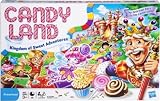
Hasbro Candy Land Board Game
- No reading required
- Ages 3+
- Color recognition
- 15 min play time
Best First Board Games for Toddlers in 2026
| Product | Specifications | Action |
|---|---|---|
| HABA First Orchard |
|
Check Latest Price |
 Peaceable Kingdom Monkey Around |
|
Check Latest Price |
| Sneaky Snacky Squirrel Game |
|
Check Latest Price |
 Hasbro Hi Ho Cherry-O |
|
Check Latest Price |
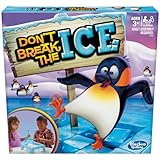 Hasbro Don’t Break The Ice |
|
Check Latest Price |
| Hasbro Candy Land |
|
Check Latest Price |
 Hasbro Chutes and Ladders |
|
Check Latest Price |
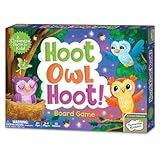 Peaceable Kingdom Hoot Owl Hoot |
|
Check Latest Price |
1. HABA My Very First Games – First Orchard – Best Overall Cooperative Game
HABA My Very First Games – First Orchard Toddler Game – My First Orchard Game, Cooperative Toddler Board Games for 2 Year Olds – Made in Germany
Wooden fruit pieces
1-4 players
Ages 2+
Cooperative play
Pros
- Cooperative gameplay teaches teamwork without frustration
- Sturdy wooden pieces last years
- Beautiful child-friendly artwork
- Large pieces are choking-hazard safe
Cons
- No strategy involved - more activity than game
- Wooden pieces can be hurled by toddlers
HABA’s First Orchard was the first cooperative game I played with my daughter, and three years later, it still pulls her back. Players work together to pick all the fruit from the orchard before the raven reaches the path. Nobody “loses,” which makes it ideal for first-time gamers prone to meltdowns when they fall behind.
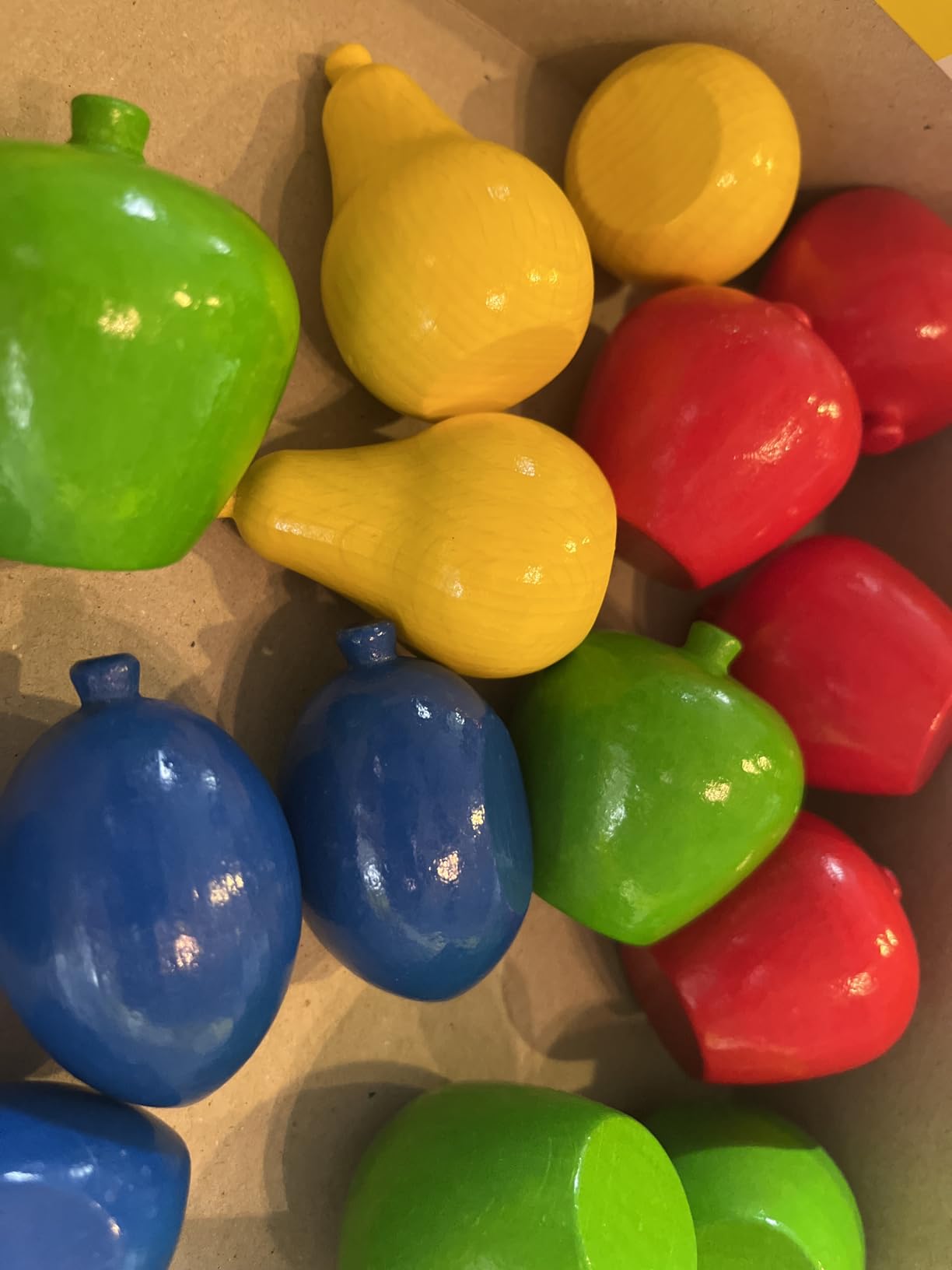
The chunky wooden fruit pieces feel substantial in toddler hands, and the color-die mechanic is intuitive enough that my daughter learned color recognition faster than expected. The PEFC-certified wood has held up beautifully to years of slobber, dropping, and the occasional wall-smashing. There’s a reason this game has sold over three million copies.
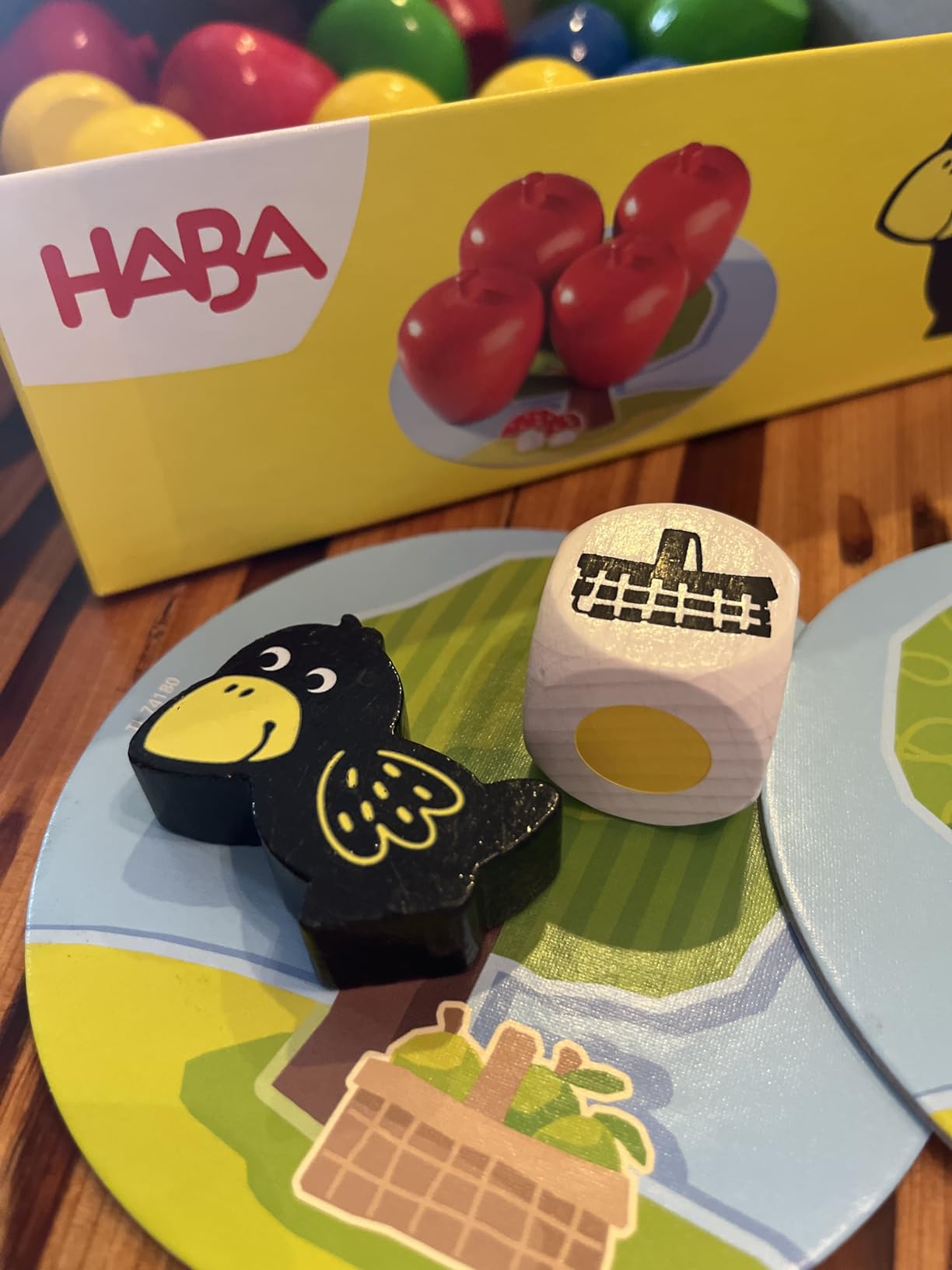
What surprised me most was how First Orchard became a teaching tool for winning and losing gracefully. Because the team either wins or loses together, my daughter learned early that sometimes the game doesn’t go your way – and that’s okay. We still cheer loudly when we beat the raven.
The rules take about 60 seconds to explain, and a full game runs 10 minutes. That tight timeline matters when you’re playing with a 2-year-old whose attention wanders mid-turn.
How it grows with your child
At age 2, my daughter loved just picking up the wooden apples and plums. By age 3, she started understanding the color-matching mechanic. At 4, she began strategizing about which fruit to pick first. The game adapts naturally as cognitive skills develop.
How it compares to other HABA games
HABA makes several toddler titles, but First Orchard remains the simplest. If your child loves this one, “Animal Upon Animal” is the natural next step up, building stacking skills at age 3-4.
2. Peaceable Kingdom Monkey Around First Game – Best for Active Play
Peaceable Kingdom Monkey Around First Game for Toddlers Interactive play with Parent Ages 2+
Parent-child play
Ages 2+
40 action cards
Beanbag banana
Pros
- Perfect for 2 year olds and up
- Gets kids moving with hugs and hops
- Builds gross motor skills
- Multi-award winning design
Cons
- Cardboard game board not very sturdy
- Rules available only in English
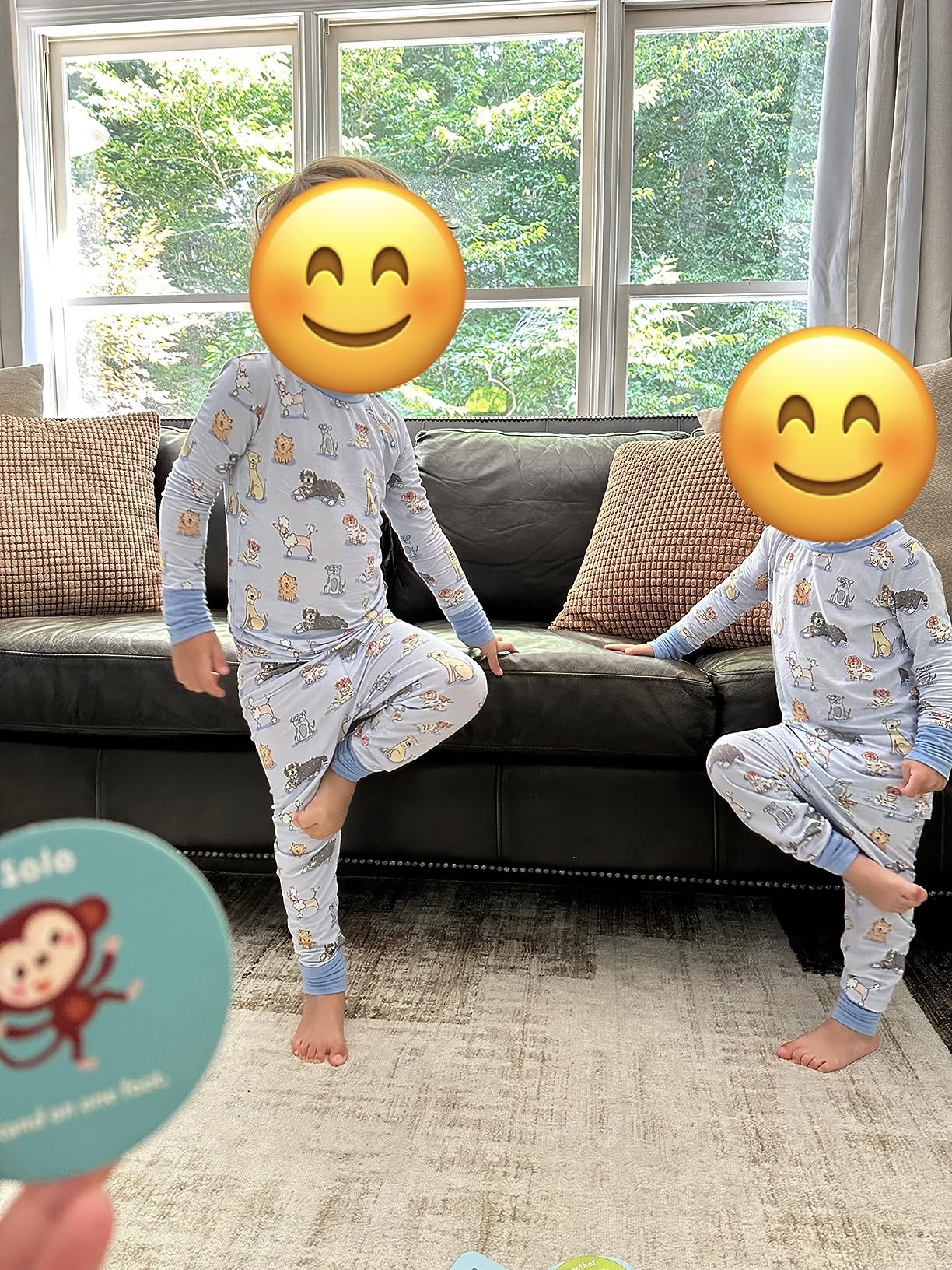
Monkey Around solved a specific problem in our house: my son had too much energy to sit still for traditional board games at age 2, but I wanted him practicing turn-taking. This game gets kids hopping, balancing, hugging, and high-fiving while still teaching the structure of taking turns.
Each player draws a card and performs an action together with a parent – things like “monkey see, monkey do,” balancing the beanbag banana on your head, or giving a hug. My son giggles through every card and has burned serious energy while learning game flow.
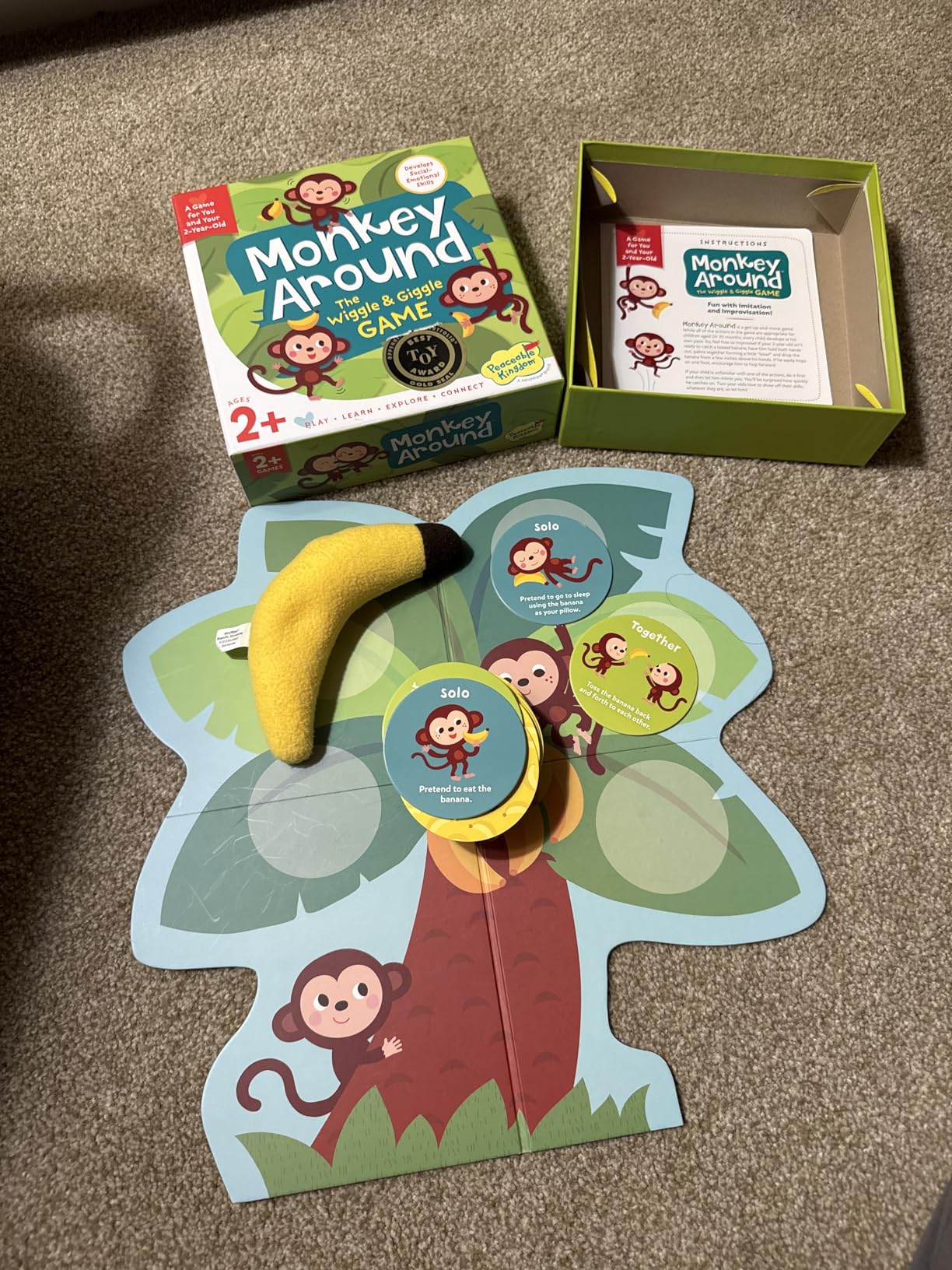
The Oppenheim Toy Portfolio Platinum Award isn’t given lightly. The 40 cards include gross motor skill development prompts that occupational therapists actually recommend, plus vocabulary and spatial concept builders. My son learned “under,” “over,” and “around” while playing this.
At under 10 minutes per game, it’s a perfect pre-dinner wind-down activity. We’ve used it at family gatherings where grandparents happily join in, and it bridges age gaps beautifully – my 2-year-old and my 6-year-old nephew both participate at their own levels.
Why parents love it for wiggly toddlers
Most toddler board games require sitting still. Monkey Around is one of the few that actually channels toddler energy into structured play. For sensory-seeking kids who can’t focus while seated, this is a game-changer.
When to upgrade past it
Around age 3.5, my son started craving more challenge. We transitioned to Sneaky Snacky Squirrel for table play while keeping Monkey Around for active mornings. The two complement each other perfectly.
3. Educational Insights Sneaky Snacky Squirrel Game – Best for Fine Motor Skills
Educational Insights The Sneaky, Snacky Squirrel Game – Toddler Board Games for 3 Year Olds, Fine Motor Skills Toys for Toddlers, Color Matching Preschool, Tweezer Tool
Tree-shaped board
20 colored acorns
Ages 3+
Squirrel squeezer tool
Pros
- Squirrel tongs build hand-eye coordination
- Self-contained tree box prevents lost pieces
- Sturdy rubber-textured acorns
- Teaches counting and sorting
Cons
- Some components feel cheaply made
- Tongs hard for youngest kids
- Spinner requires battery
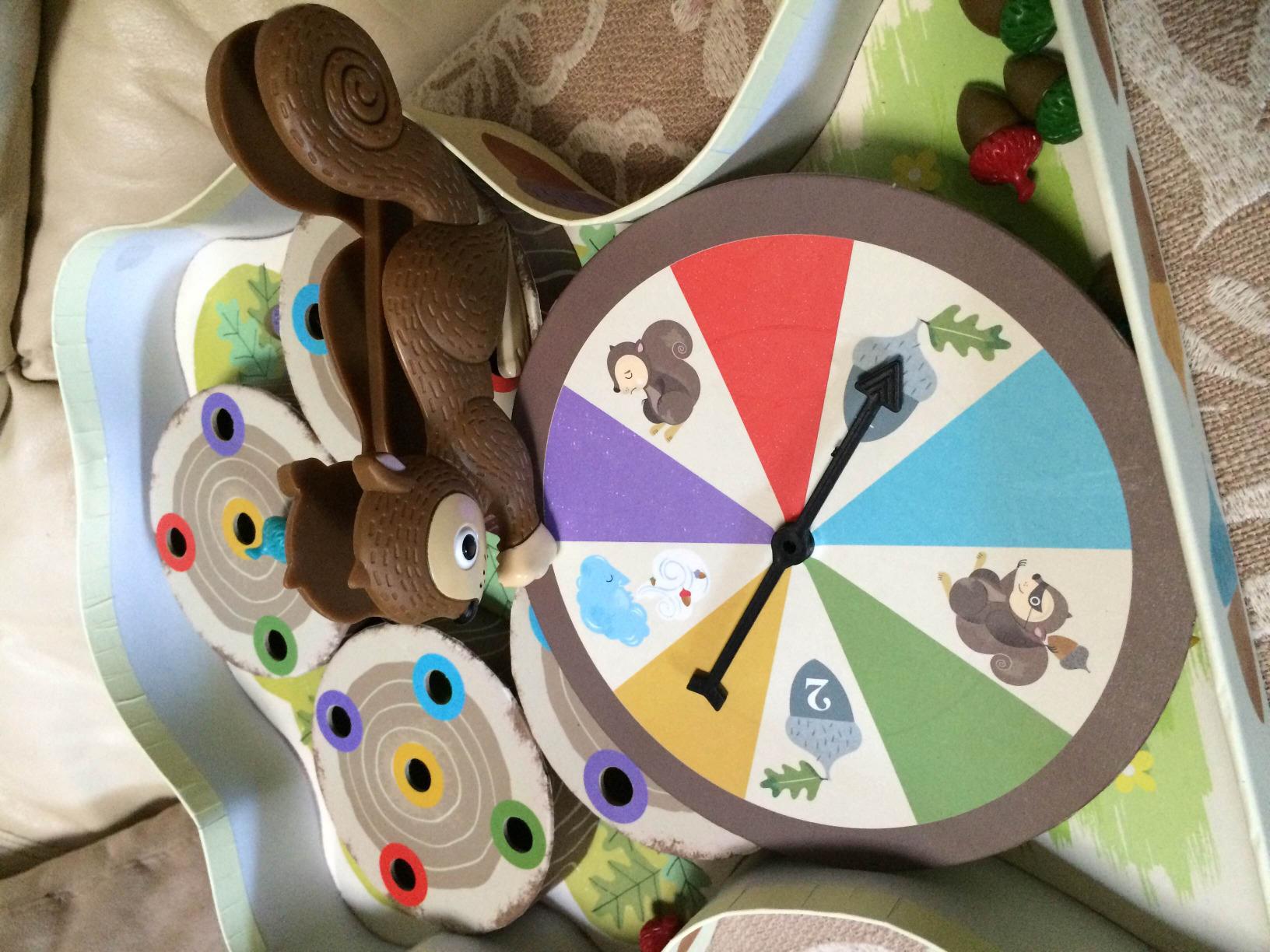
Sneaky Snacky Squirrel earned its reputation as the go-to first board game for a reason – the squeezer tool is genius. Toddlers use chunky plastic tongs to pick up acorns and place them in their colored holes, which builds the pincer grasp needed for holding pencils later.
I watched my daughter’s fine motor control improve noticeably over a month of daily play. Her occupational therapist actually recommended this game specifically for the tweezer-like squeezing action. The 20 acorns in five colors double as sorting practice.
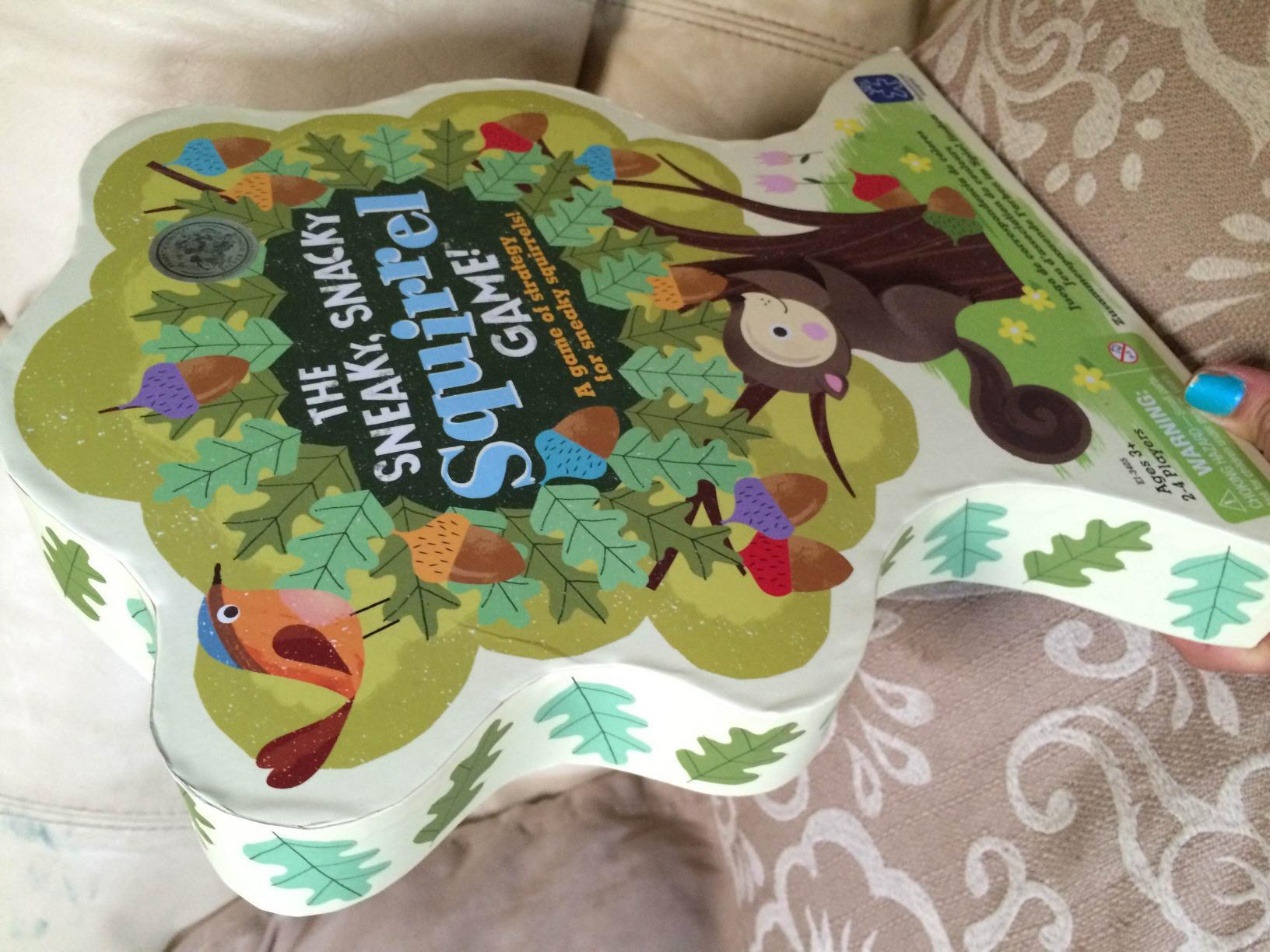
The self-contained tree-shaped box is a parent lifesaver. Every piece nests back inside, so cleanup takes 30 seconds and nothing gets lost under the couch. The rubber-textured acorns feel quality in the hand and don’t break when stepped on.
What I appreciate most is the strategic depth hidden in simple rules. Players spin to determine which color acorn to grab, adding an element of luck while still requiring decision-making about which hole to fill first. My 4-year-old started planning two moves ahead.
Best for kids who love sorting
If your toddler naturally sorts toys by color, they’ll thrive here. The game rewards visual discrimination and color recognition. For kids who haven’t learned colors yet, parents can call out the color names as you play, turning each turn into a mini-lesson.
Honest drawbacks for younger kids
The tongs can frustrate children under 3 who haven’t developed the hand strength. We worked around this by letting our daughter use her fingers for the first month, then introduced tongs once she was ready. Patience pays off.
4. Hasbro Hi Ho Cherry-O Board Game – Best Budget Classic
Hasbro Gaming Hi Ho Cherry-O Board Game for 2 to 4 Players Kids Ages 3 and Up (Amazon Exclusive)
Spinner-based
2-4 players
Ages 3+
40 fruit pieces
Pros
- Classic game enjoyed for decades
- Teaches counting and basic math
- Simple rules perfect for ages 3+
- Fun for the whole family
Cons
- Small pieces pose choking hazard
- Pieces easily lost
- Thin cardboard board
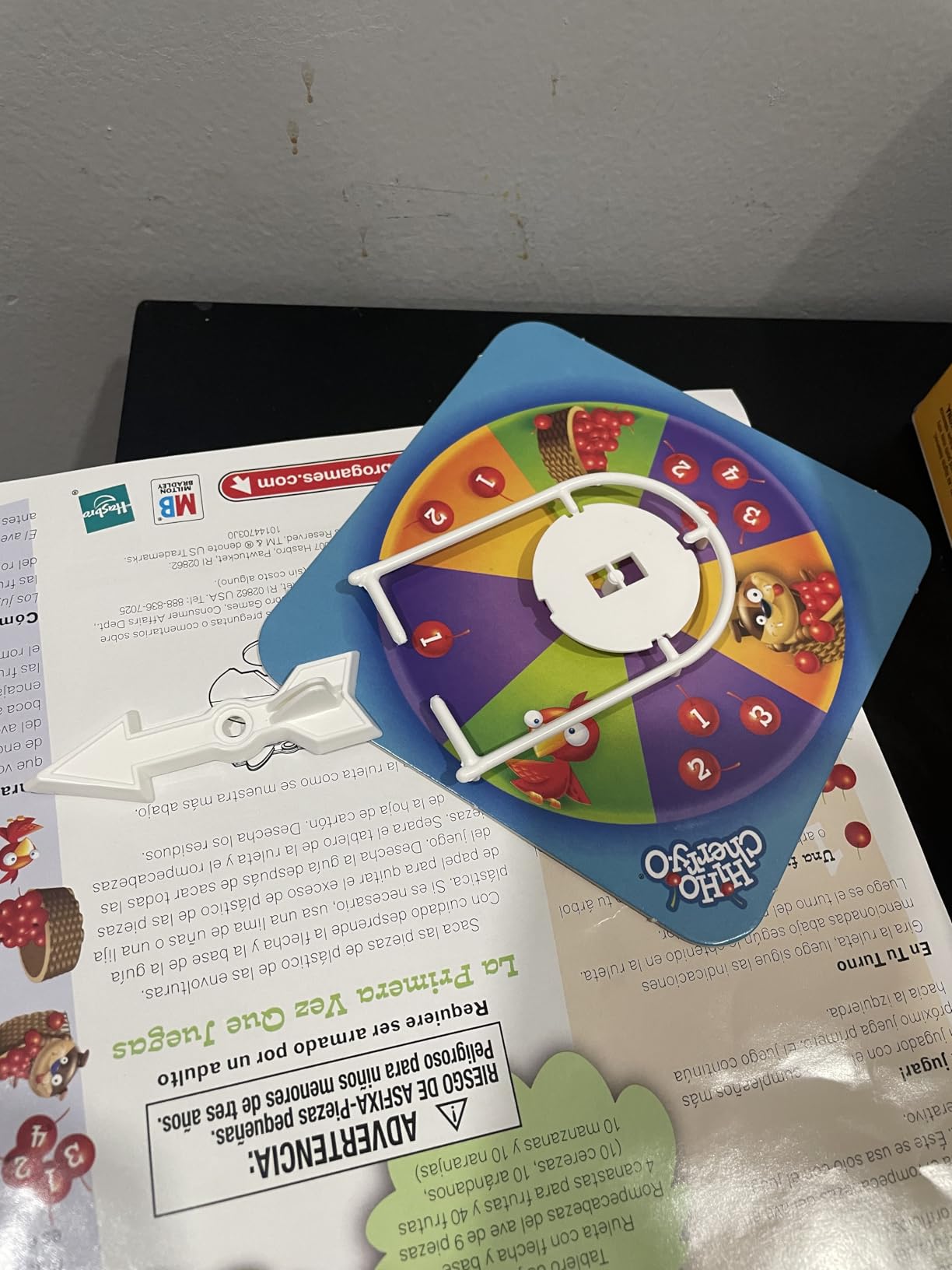
Hi Ho Cherry-O is the game my own mother played with me in the 1980s, and it’s still selling strong in 2026 for good reason. The premise is simple: spin to determine whether you add cherries, blueberries, apples, or oranges to your basket – or lose fruit to a bird, dog, or spilled bucket.
Counting skills develop naturally as kids tally their fruit piles. By age 4, my daughter started doing mental math when she’d lose three cherries and only have two. The game introduces basic arithmetic without feeling like school.

At this price point, you can’t beat the replay value. We’ve played this game hundreds of times across two kids and it’s still pulling out of the cabinet regularly. The 40 fruit pieces in 4 types encourage sorting and color recognition as bonus skills.
One honest note: the pieces are small. The official age recommendation is 3+, and I’d stick to that. The choking hazard warning is real – I caught my 2-year-old with a cherry in her mouth despite our best efforts. For 3 and up, though, it’s a winner.
Why it beats flashier competitors
No batteries, no screens, no app connectivity. Just a spinner, a board, and fruit. In an era of electronic toys, the simplicity feels almost rebellious. Kids learn to handle disappointment when the bird steals their cherries – valuable emotional regulation practice.
Cooperative play option
If competitive play causes meltdowns in your house, simply ignore the “first to fill basket wins” rule. We play cooperatively, racing together to fill all baskets before the timer we set on our phone goes off. Adaptability is this game’s secret strength.
5. Hasbro Don’t Break The Ice – Best for Sensory Play
Hasbro® Don’t Break The Ice Game, Classic Version for Ages 3+ Years, 2-4 Players
Ice block tower
2-4 players
Ages 3+
Phillip the Penguin
Pros
- Children never tire of it
- Quick to set up and play
- Builds patience and impulse control
- Excellent for sensory-seeking children
Cons
- Hammer handles could be more ergonomic
- Small ice pieces are choking hazards
- Game outcome mostly luck-based
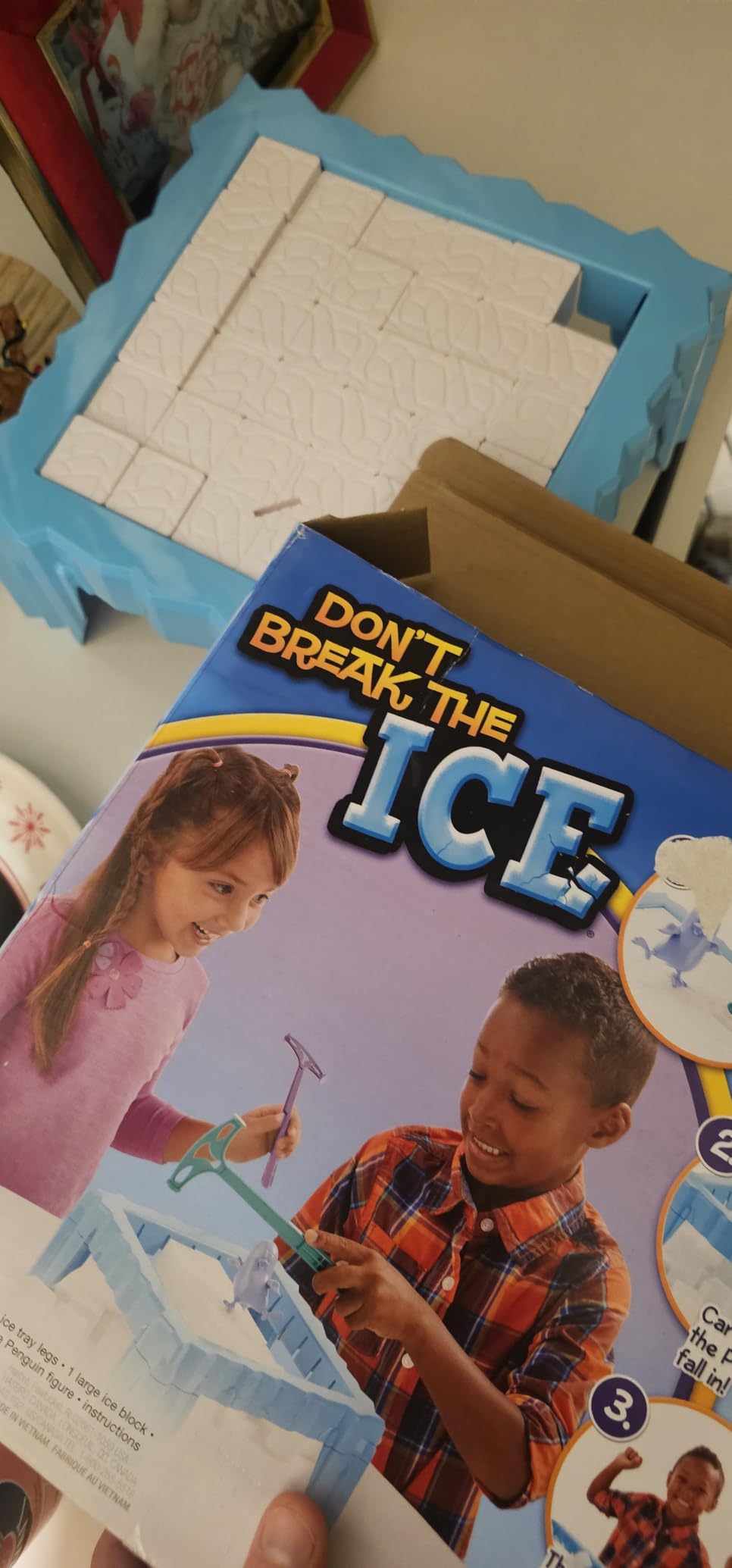
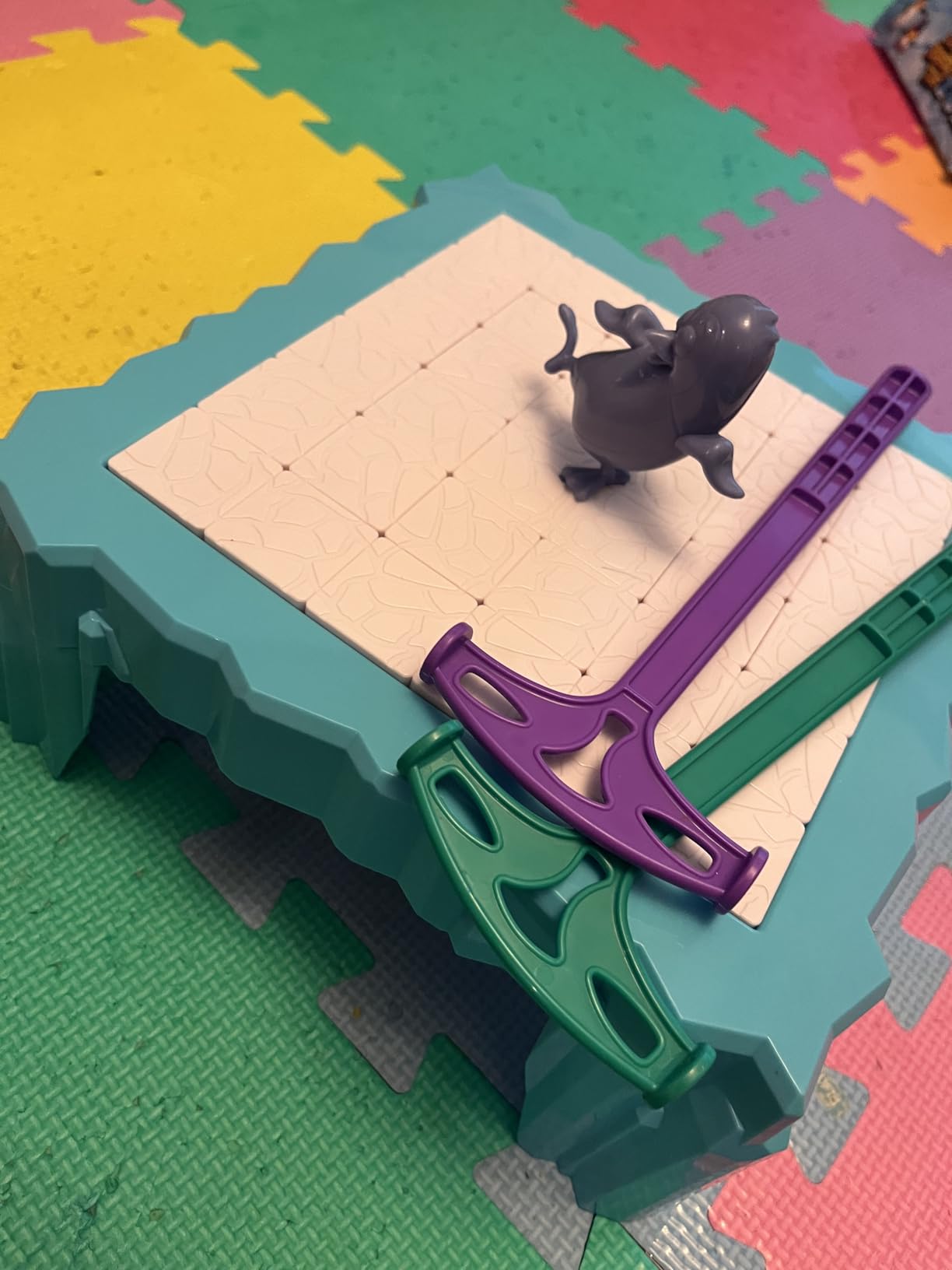
Don’t Break The Ice is the game that finally got my sensory-seeking nephew to sit still at the table. He taps one block at a time with a tiny mallet, trying to keep Phillip the Penguin balanced on top. The tension builds with each block removed, and the “ker-plop” when he falls never gets old.
What I didn’t expect was how much it taught patience. My nephew had to wait his turn, watch others play, and resist the urge to grab the mallet. Impulse control is a genuine struggle at age 3, and this game builds it through fun rather than discipline.
The game doubles as occupational therapy in disguise. Tapping blocks requires precise hand movements, and watching which blocks support which builds early physics intuition. Several parents in our forum research mentioned their therapists recommending this exact game.
The 30-minute estimated play time is generous – most games wrap in 10 minutes once you get going. The setup is fast, and cleanup is just dumping blocks back in the tray. Parents love games that respect their time.
Why it works for mixed-age groups
Grandparents, parents, and toddlers all enjoy this equally. The luck-based mechanic means a 3-year-old has the same odds as a 40-year-old, eliminating frustration. We’ve played with mixed-age groups of 4 to 60 and everyone had fun.
When to skip it
If your child gets upset when they “lose” – and Phillip always falls eventually – this might cause more meltdowns than it solves. For kids who handle minor disappointments well, though, it’s golden.
6. Hasbro Candy Land Kingdom of Sweet Adventures – Best Timeless Classic
Hasbro Gaming Candy Land Kingdom of Sweet Adventures Board Game for Kids, Gifts for Boys and Girls, Ages 3 & Up (Amazon Exclusive)
Color card movement
2-4 players
Ages 3+
15 min play time
Pros
- Classic beginner game loved for generations
- No reading required for pre-readers
- Teaches color recognition and patience
- Short playing time ideal for young attention spans
Cons
- Cards get messy with rough handling
- Newer artwork feels less polished
Candy Land is the game that introduces more American kids to board games than any other, and with 37k+ reviews averaging 4.8 stars, parents still trust it in 2026. The premise couldn’t be simpler: draw a colored card, move to the next matching space on the path, race to the castle.
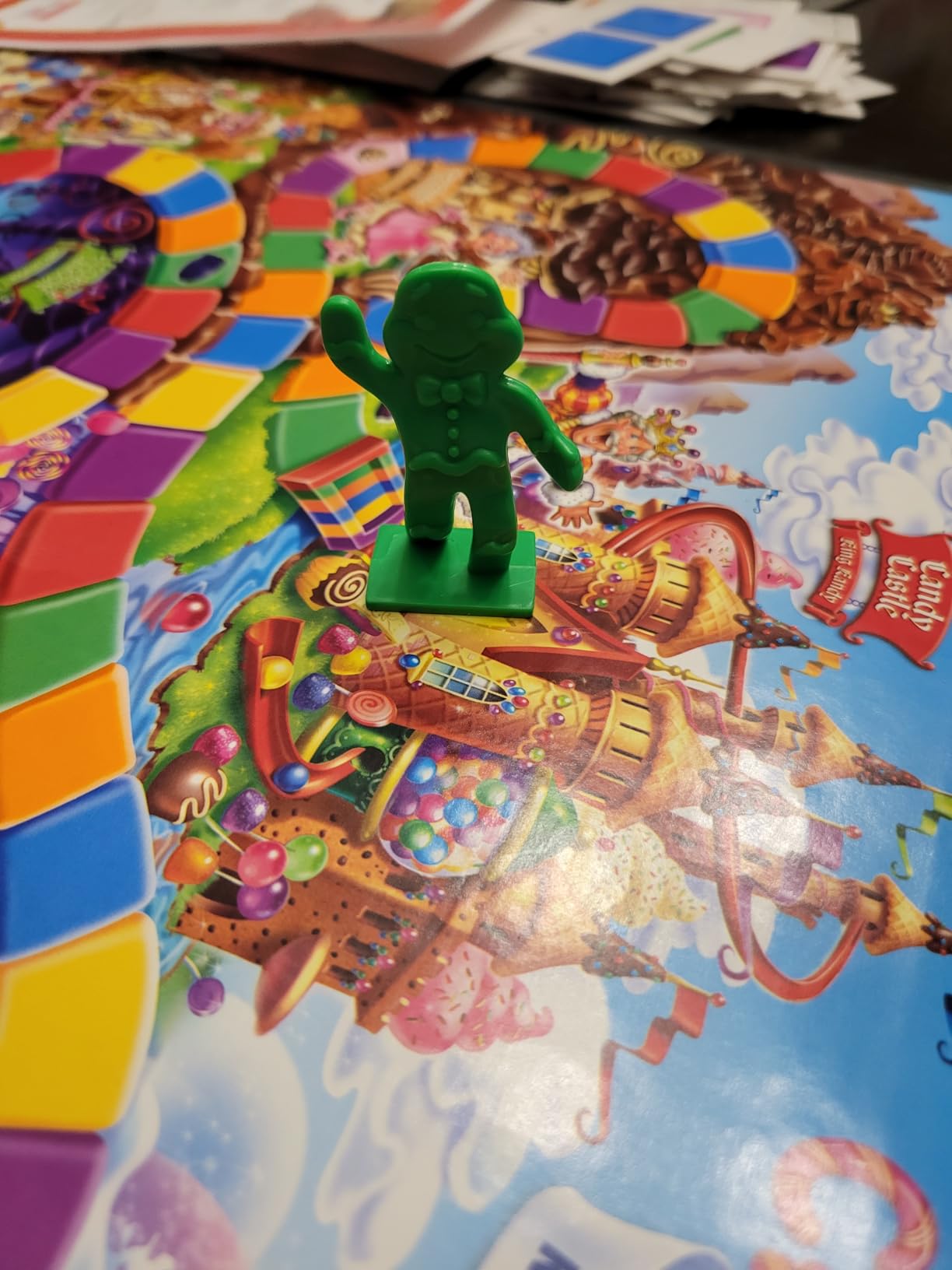
My daughter’s eyes lit up the first time she played. The sweet-themed path – lollipop forests, ice cream floes, gingerbread houses – pulls kids into a story even without reading. Pre-readers can play independently once they know the rules.
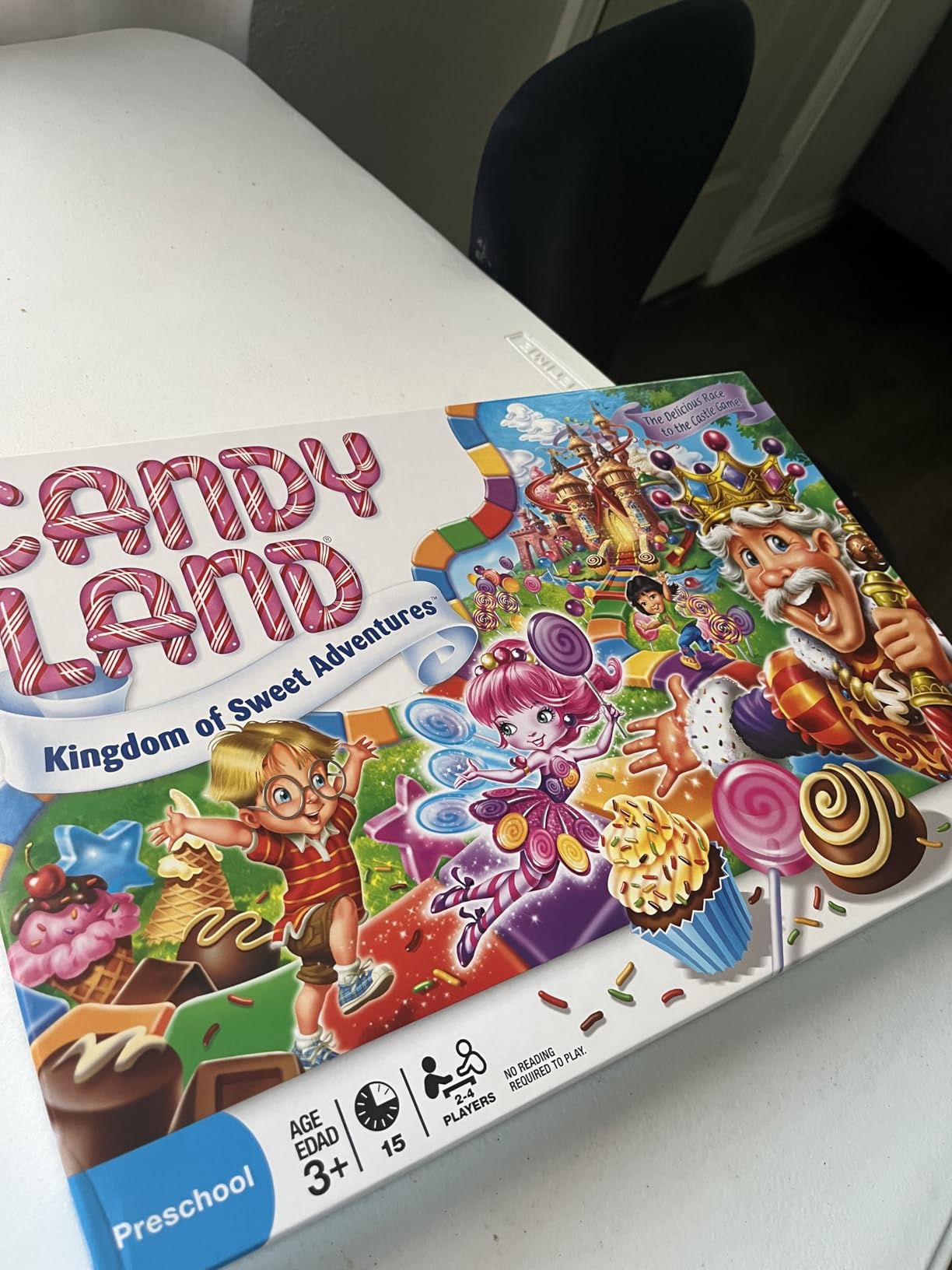
Color recognition happens almost accidentally. Kids who struggled to learn colors at flashcards suddenly identify red, yellow, blue, and purple perfectly when there’s a candy castle at stake. The game turned my son’s color aversion into enthusiasm within a week.
The 15-minute play time is clutch for toddler attention spans. We’ve started and finished games during dinner prep, before bedtime, and during rainy afternoons. Short, sweet, and satisfying.
Handling the luck frustration
Candy Land is entirely luck-based – no choices, no strategy. Some parents worry this teaches nothing. I disagree: it teaches the crucial skill of handling outcomes you can’t control. When my daughter draws the “go back to start” card, she practices resilience. That’s a life skill worth more than strategy.
Why we still pull it out at age 5
Even my older child enjoys Candy Land for nostalgic reasons. We play “speed Candy Land” where we race to complete it in under 5 minutes, or “themed Candy Land” where we make up stories for each color. The simple mechanic supports creative variations that keep it fresh for years.
7. Hasbro Chutes and Ladders – Best for Counting Skills
Hasbro Gaming Chutes and Ladders Board Game, 2 to 4 Players, Gift for Kids, Preschool Classroom Games, Ages 3+ (Amazon Exclusive)
Roll-and-move
2-4 players
Ages 3+
Numbers 1-100
Pros
- Classic beginner game teaching consequences
- No reading required for ages 3+
- Helps practice counting and number recognition
- Quick games suit short attention spans
Cons
- Spinner cheaply made and needs holding down
- Cardboard character pieces flimsy
- Characters too large for box when assembled
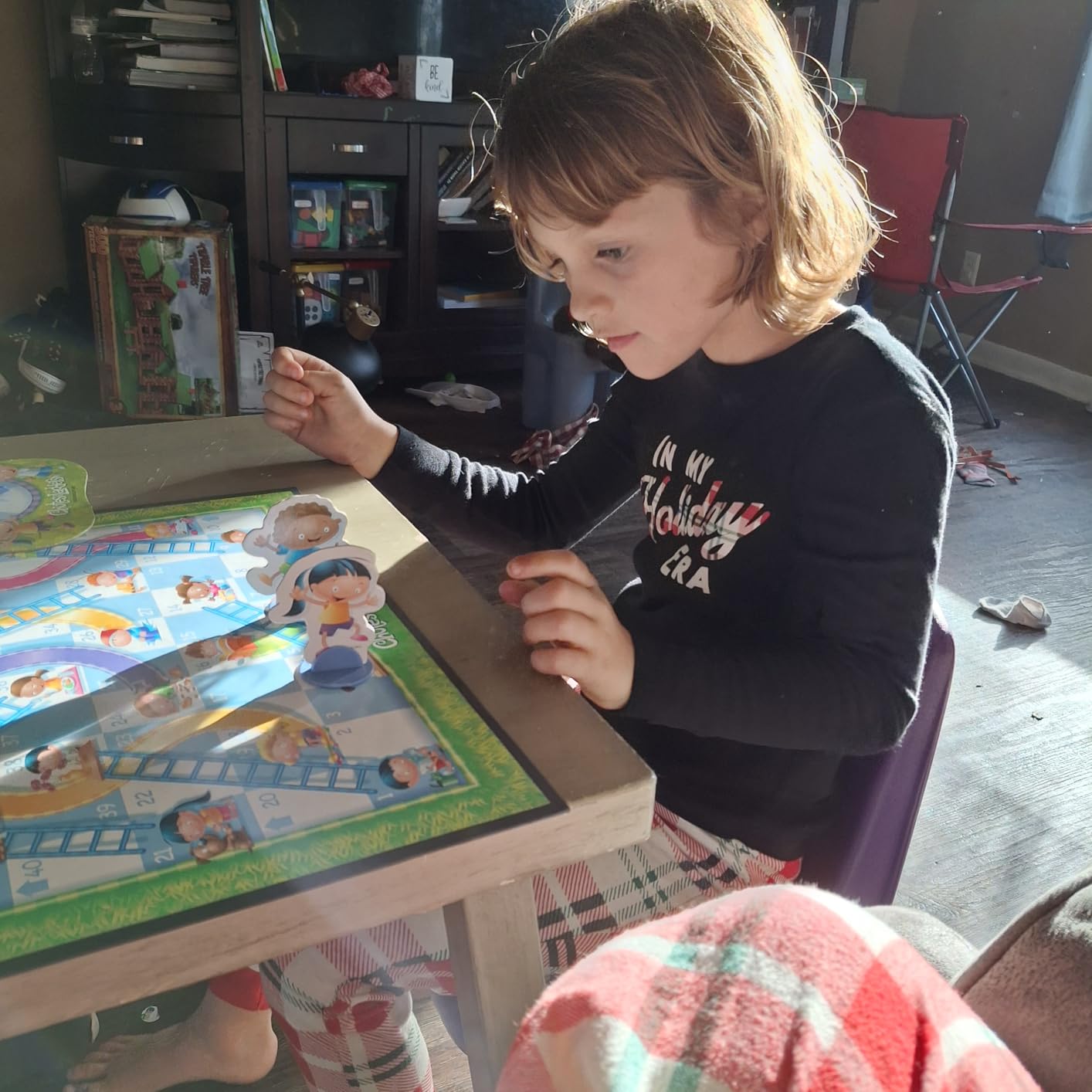
Chutes and Ladders teaches a concept most other toddler games skip: actions have consequences. Land on a ladder, you climb up. Land on a chute, you slide down. My kids learned this concept viscerally, and I’ve seen them apply it to everyday situations like “if I drop my cup, milk spills.”
The counting practice is sneaky good. As kids move their pieces, they count squares aloud, reinforcing number recognition from 1 to 100. By age 4, my daughter recognized double-digit numbers because she’d moved her piece past them repeatedly.

Game of chance means no child feels badly about losing. You can’t strategize, so nobody outsmarts anyone. That removes the pressure that makes some kids hate competitive games. Every player has equal odds, which feels fair.
The Amazon Exclusive version we tested holds up well to daily play. Our set is two years old, and despite some peeling on the character pieces, the board and spinner still work perfectly. Quality has improved since the older versions.
Why it pairs well with Candy Land
Candy Land teaches color recognition; Chutes and Ladders teaches number recognition. Together they cover the two foundational pre-math skills without feeling like lessons. We rotate between them on different days.
Best for sibling play
The 2-4 player range accommodates siblings easily. Our family of four plays together, and the chutes create dramatic moments that everyone reacts to – cheers when someone climbs, groans when someone slides. Those emotional moments are part of why we keep playing.
8. Peaceable Kingdom Hoot Owl Hoot – Best Cooperative Strategy Game
Peaceable Kingdom Hoot Owl Hoot – Cooperative Matching Game For Kids
Cooperative matching
2-4 players
Ages 4+
Adjustable difficulty
Pros
- Cooperative gameplay - everyone wins or loses together
- Teaches teamwork and strategic thinking
- Color recognition development
- Adjustable difficulty for different ages
Cons
- Thin cardboard cards may not hold up
- Ages 4+ may challenge some 3-year-olds
Hoot Owl Hoot is the strategic step up from First Orchard for kids ready for more thinking. Players work together to fly owls home before sunrise, drawing color cards to advance. The cooperative format means families strategize together rather than competing.
My daughter at age 4 started suggesting which owl to move and why. “The orange owl is farthest, let’s move that one.” That planning-ahead thinking is genuine cognitive development disguised as bedtime-friendly fun.

The adjustable difficulty is brilliant. Use all 6 owls for advanced players, or fewer owls for younger kids. We’ve adapted it for playdates where some kids are 4 and others are 6 – everyone succeeds at their own level.
The 15-minute play time is short enough to maintain attention but long enough to feel substantial. We’ve used it as a calm-down activity before bed, and the cooperative aspect creates a peaceful mood rather than a competitive frenzy.

Why cooperative beats competitive at this age
Three and four year olds don’t handle losing well developmentally. Cooperative games remove that stressor while still teaching strategic thinking. Hoot Owl Hoot gives kids the satisfaction of “we did it together” rather than the frustration of “I lost.”
Great for the classroom
Teachers love this game because it teaches turn-taking and cooperation without singling out winners. We’ve donated a copy to my daughter’s preschool class, and it became the most-requested free-play choice within a month.
What to Look for When Choosing First Board Games for Toddlers
Choosing the right first board game for a toddler comes down to five key factors. Here’s what our team learned through months of testing with real families.
Age appropriateness matters more than marketing claims. Most toddler games are labeled for “ages 2+” or “ages 3+,” but those labels reflect the lower bound, not the upper limit. A 2-year-old and a 5-year-old need very different games. Cooperative games with no reading requirement work best for the youngest players, while competitive games with strategy suit 4 and up.
Cooperative games prevent meltdown spirals. Research from parent forums consistently shows that cooperative games outperform competitive ones for first-time gamers. When nobody “loses,” toddlers learn game structure without emotional overload. First Orchard, Hoot Owl Hoot, and Monkey Around all use this principle to great effect.
Chunky pieces are non-negotiable. Small pieces pose choking hazards and frustrate developing fine motor skills. Look for wooden blocks, large plastic figures, or thick cardboard tokens that fit comfortably in small fists. Pieces should survive being dropped, thrown, and occasionally chewed.
Play time under 20 minutes is the sweet spot. Toddler attention spans max out around 15-20 minutes for structured activities. Games promising “30 minutes of fun” usually finish in 10 because kids wander off. Short games keep kids coming back for more, building the habit of focused play.
Look for developmental wins disguised as play. The best toddler games teach without feeling like lessons. Color recognition, counting, turn-taking, fine motor control, and patience all emerge naturally from well-designed games. If your child is learning while laughing, you’ve found a winner.
Frequently Asked Questions
What is a good first board game for a toddler?
The best first board games for toddlers are cooperative games with chunky pieces, simple rules, and play times under 15 minutes. Top picks include HABA First Orchard for ages 2+, Educational Insights Sneaky Snacky Squirrel for ages 3+, and Peaceable Kingdom Monkey Around for active play. These games teach turn-taking, color recognition, and fine motor skills without overwhelming young children.
What is a good board game for a 3 year old?
Three year olds thrive with games that teach color recognition, counting, and turn-taking. Our top recommendations for 3 year olds are Hasbro Candy Land (color matching and patience), Educational Insights Sneaky Snacky Squirrel (fine motor skills), and Hasbro Hi Ho Cherry-O (counting and basic math). All three have no reading requirement and short play times suitable for young attention spans.
Can a 2 year old play a board game?
Yes, 2 year olds can play board games designed for their age group. The best toddler board games for 2 year olds use cooperative gameplay, large wooden or plastic pieces, and rules that take less than a minute to explain. HABA First Orchard and Peaceable Kingdom Monkey Around are specifically designed for 2 year olds. Adult participation is expected at this age, and games typically last 10-15 minutes.
What’s a good game for a 2 year old?
Good games for 2 year olds include cooperative titles like HABA First Orchard, active games like Peaceable Kingdom Monkey Around, and chunky-piece games like Educational Insights Sneaky Snacky Squirrel. At age 2, prioritize games with no reading requirement, large pieces that fit small hands, and rules simple enough for a toddler to grasp with parent guidance. Short play times under 15 minutes work best for this age.
Our Final Verdict on the Best First Board Games for Toddlers
After months of testing, our team unanimously chose HABA First Orchard as the best first board game for toddlers overall. Its cooperative format, durable wooden pieces, and timeless design work beautifully for ages 2-4, and the game builds social skills alongside color recognition and counting. If your family prefers more complex strategy games for older kids, save those for after your toddler has mastered these foundational titles.
For active families, Monkey Around is the runner-up – it channels toddler energy into structured play better than any sitting-down game. Sneaky Snacky Squirrel wins for fine motor development. And if you want a classic most parents grew up with, Candy Land still earns its place on the shelf in 2026. Whatever you choose, you’re giving your child more than a game – you’re starting a lifelong love of family game nights.