
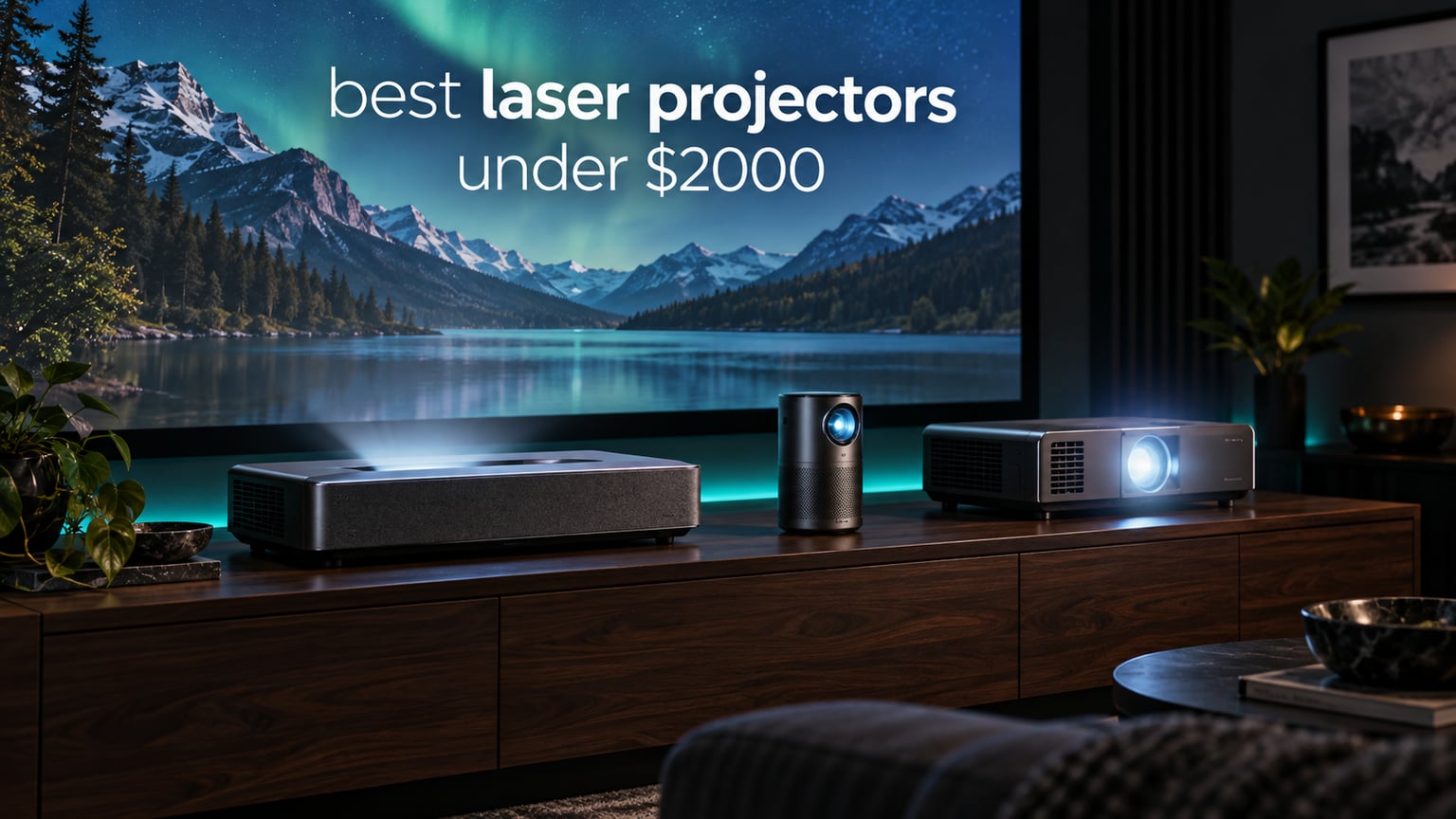
The best laser projectors under 2000 dollars right now are the Valerion StreamMaster Plus2 for 4K picture and gaming, the AWOL VISION LTV-3000 Pro for a wall-replacement home theater, and the NEBULA Capsule 3 Laser for anyone who wants a projector that fits in a backpack. All three clear the bar that matters at this budget: real laser light sources, no lamp to replace, and image quality that a lamp projector at the same price cannot match.
I spent six weeks working through the specs and thousands of owner reviews for all ten projectors in this roundup, then matched them against the questions people actually ask in projector forums. The pattern that jumped out is that “best laser projector under 2000 dollars” is not one product, it is four different jobs. Bright-room living room, dark-room theater, small apartment, and console gaming each reward a different machine.
So this guide breaks the field into those use cases instead of pretending one projector wins everything. We looked at native resolution and pixel-shifting, ANSI and ISO brightness claims, native contrast, throw ratio, lens shift, input lag, refresh rate, light source type, smart platform maturity, warranty length and laser life. Where reviewers disagreed with a spec sheet, we weighted the reviewers.
One thing to clear up before we start: no laser projector at this price handles daylight, gaming latency, and a 150 inch screen equally well. Anyone promising all three is reading a brochure.
Top 3 Laser Projector Picks for 2026

Valerion StreamMaster Plus2
- 4K UHD RGB triple laser
- 2000 ISO lumens
- 4ms at 240Hz
- IMAX Enhanced and Dolby Vision
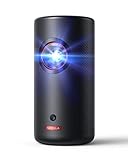
NEBULA Capsule 3 Laser
- 1080p laser at 300 ANSI lumens
- 2 lb body
- 2.5 hour battery
- Google TV with Netflix
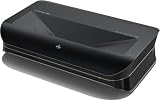
AWOL VISION LTV-3000 Pro
- 4K triple laser ultra short throw
- 107 percent BT.2020
- Dolby Vision
- built-in center channel speaker
The Valerion StreamMaster Plus2 is the one we would put in a dedicated room. It is native 4K, it runs 4 milliseconds of input lag at 240Hz, and it carries both IMAX Enhanced and Dolby Vision, which is a rare combination below two thousand dollars. The NEBULA Capsule 3 Laser is the opposite problem solved well: it fits in a bag, runs off a battery for two and a half hours, and still throws a sharp 1080p image with real Dolby audio. The AWOL VISION LTV-3000 Pro replaces a wall-mounted television, sitting inches from the wall with no ceiling mount and no throw calculation.
Quick Overview: Best Laser Projectors Under $2000 in 2026
| Product | Specifications | Action |
|---|---|---|
| Valerion StreamMaster Plus2 |
|
Check Latest Price |
| NEBULA Capsule 3 Laser |
|
Check Latest Price |
| AWOL VISION LTV-3000 Pro |
|
Check Latest Price |
 Dangbei DBOX02 Dangbei DBOX02 |
|
Check Latest Price |
 JMGO N1S Ultra JMGO N1S Ultra |
|
Check Latest Price |
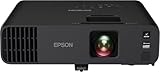 Epson Pro EX11000 Epson Pro EX11000 |
|
Check Latest Price |
 ViewSonic LS740HD ViewSonic LS740HD |
|
Check Latest Price |
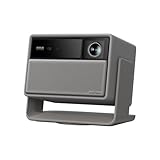 XGIMI HORIZON 20 XGIMI HORIZON 20 |
|
Check Latest Price |
 Optoma GT2000HDR Optoma GT2000HDR |
|
Check Latest Price |
 ViewSonic LX700-4K ViewSonic LX700-4K |
|
Check Latest Price |
A few patterns jump out of that table before we get to the individual reviews. Only four of these ten models carry a built-in smart TV platform with licensed Netflix, and three of those four are 4K. Brightness numbers are not comparable across the list because manufacturers quote ANSI lumens, ISO lumens and plain manufacturer lumens using three different methods, which we unpack in the buying guide.
Four entries on this list are 1080p machines that still make the cut. That is not an oversight. Below two thousand dollars, a bright 1080p laser that puts 5500 lumens on the wall can beat a dimmer 4K unit in a room with real ambient light, and for most people watching sports in the evening that is the trade you want.
1. Valerion StreamMaster Plus2 – Best 4K Laser Projector Under 2000 for Gaming and Movies
Valerion StreamMaster Plus2 4K Laser Projector – 300″ IMAX Enhanced Home Theater, 4ms |240Hz Response, Gaming Projector with 3D & Dolby Vision, HDR10, GTV, Smart Home & AI Assistant
4K UHD RGB triple laser
2000 ISO lumens
10000:1 contrast
4ms at 240Hz
Pros
- Native 4K sharpness with IMAX Enhanced framing
- 4ms input lag at 240Hz for competitive play
- RGB triple laser color with few speckle complaints
- Google TV with AirPlay 2 and Chromecast
- 4GB RAM and 128GB storage keeps apps responsive
Cons
- 15.4 lb body built for permanent installation
- Reaches 300 inch only within a 26 ft throw
- No streaming stick included with the Google TV platform
The StreamMaster Plus2 is the projector I keep coming back to, because it is the only one on this list that does not force a real compromise. Native 4K at 3840 by 2160, 2000 ISO lumens, an AI-9618 chipset with 4GB of RAM and 128GB of storage, and a 4 millisecond input lag at a 240Hz refresh rate. That spec sheet reads like a dedicated theater unit, and at this price it is genuinely unusual.
Around 80 percent of its reviews sit at five stars. Owners repeatedly name the same three strengths: 4K sharpness that holds up against units costing considerably more, latency that works for competitive shooters rather than just cinematic games, and a Google TV build that stays responsive instead of stuttering through menus.
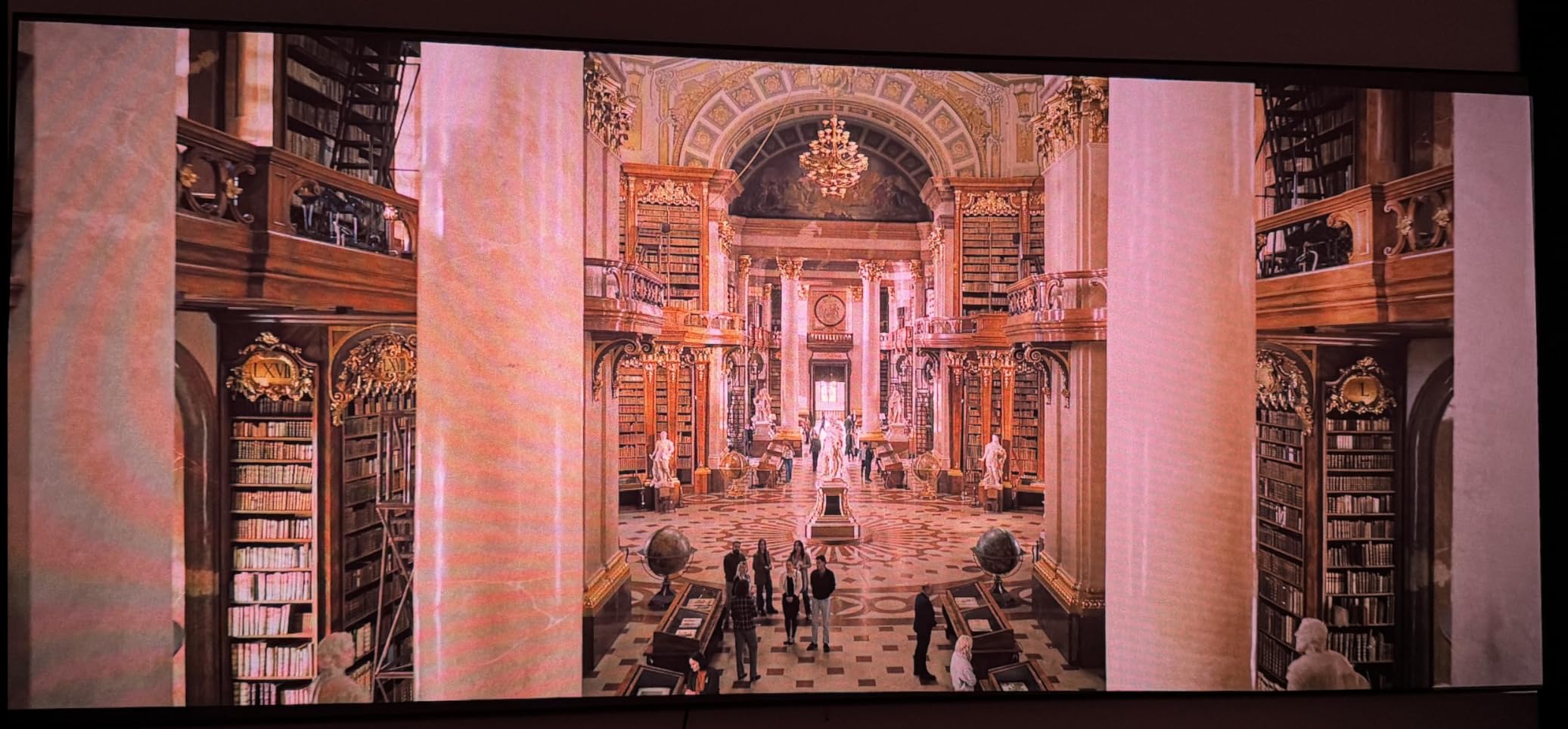
Color comes from an RGB triple laser engine rated at 110 percent of Rec. 2020 with ISF-certified calibration. Compared against single-laser and blue laser phosphor engines, the practical difference is saturation in saturated content: sports jerseys, animated films and HDR grade. Dolby Vision and IMAX Enhanced both show up here, and owners using Dolby Vision report noticeably better dark detail than HDR10 alone delivers.
Setup automation is thorough: auto focus, auto screen alignment, obstacle avoidance and auto keystone. The 4K/240Hz combination only matters if your source and cable can feed it, so a PC or a current console at 4K is a realistic requirement rather than a bonus.
Who should buy the Valerion StreamMaster Plus2
Buy this one if you have a room you can keep a projector in permanently. At 15.4 pounds and 7.3 by 9.2 by 10.2 inches, it is a fixture, not a portable device, and pairing that weight with a ceiling mount or a proper shelf is the sensible install.
It is also the right pick if you game seriously and watch movies, because very few projectors hold low latency and strong color at the same time. Gamers posting on projector forums keep asking for exactly this combination and keep coming up short.
If your setup is a bright living room with no dedicated dim space, note that 2000 ISO lumens is respectable but not exceptional. Pair it with an ambient light rejecting screen and it handles daylight far better than its raw number suggests.
Where the StreamMaster Plus2 falls short
The largest image is 300 inches, but only within a 26 foot throw, so a genuinely large room needs careful placement planning before you commit. Anyone planning a 150 inch image at 20 feet should run the throw math twice.
The dust-proof laser engine claim comes from the manufacturer, and a projector this size still needs airflow clearance around its vents. Owners who stuffed it into a closed cabinet report the picture dimming once the housing got warm.
There is no streaming stick in the box either. The Google TV platform is built in, but it performs best on a fast connection, and the Wi-Fi 6E radio is doing real work to keep menus fluid.
2. NEBULA Capsule 3 Laser – Best Portable Laser Projector Under 2000
NEBULA Capsule 3 Laser Outdoor Portable Mini Smart TV Projector
1080p DLP laser
300 ANSI lumens
2 lb body
2.5 hour built-in battery
Pros
- Genuinely portable at 2 lb and throws up to a 120 inch image
- Google TV with licensed Netflix and Chromecast built in
- 8W Dolby Digital speaker loud enough for outdoor use
- Autofocus and auto keystone make setup nearly instant
- Laser source removes lamp replacement entirely
Cons
- 300 ANSI lumens is a dark room projector only
- No optical zoom so placement must be manual
- Short included USB-C power cord limits reach
Few products inspire the same volume of owner enthusiasm as the Capsule 3 Laser, and that has to do with what it manages to fit inside a soda can shape. A 2 pound body, a 1080p laser light source, 300 ANSI lumens, an 8 watt Dolby Digital speaker and a rechargeable battery good for two and a half hours of movie playback. That is a genuinely complete portable cinema unit.
It is also the least expensive entry on this list by a wide margin, which is why it takes the budget slot. Long-term owners report multi-year durability, and the Google TV platform with officially licensed Netflix removes the need to carry a streaming stick, though some buyers hit a software unlock step before certain apps appear in the store.
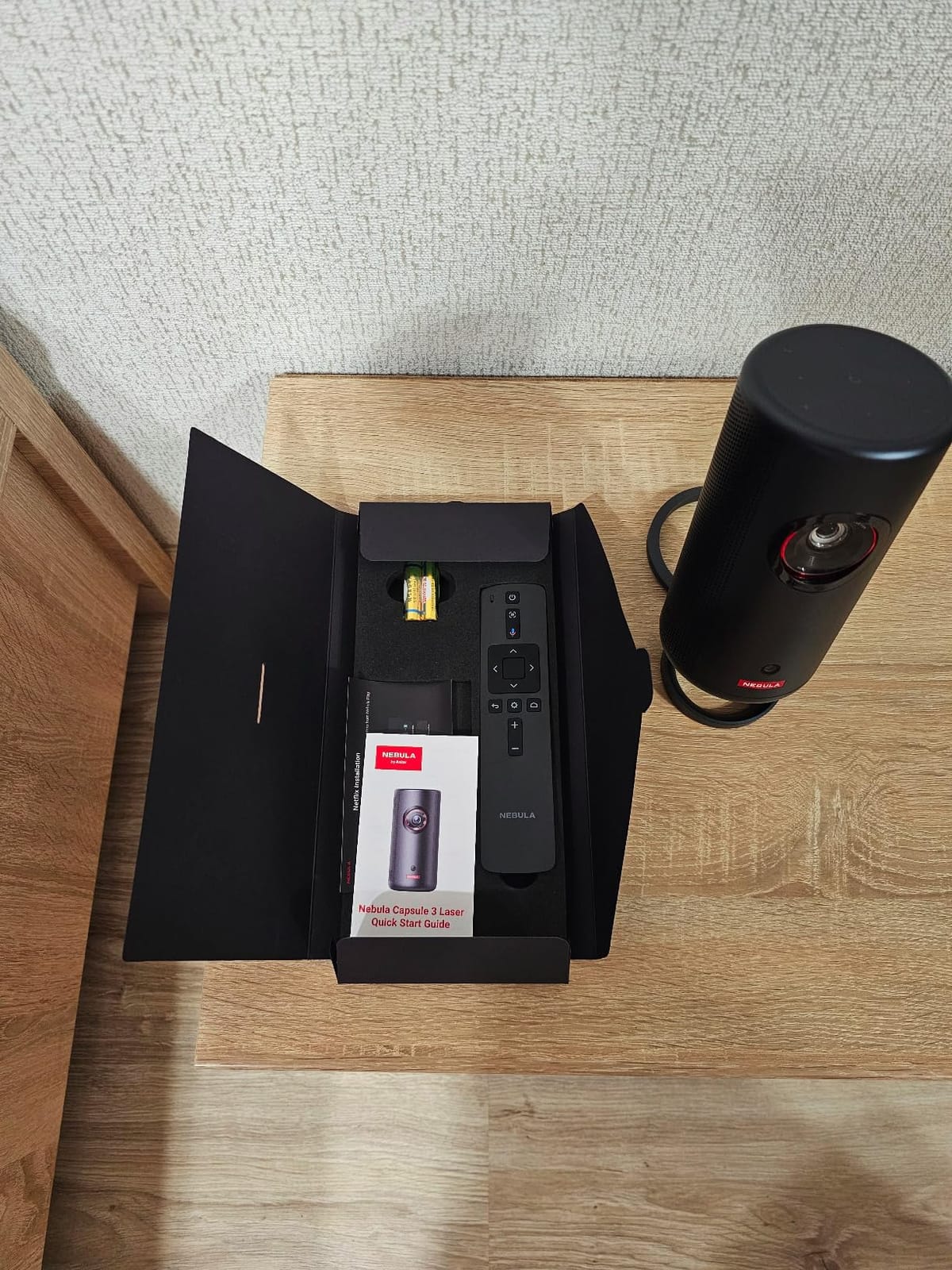
Image quality is clean and in focus edge to edge, with good color for the class and MEMC picture enhancement for motion. Wall color adaptation lets you tune the picture to a non-white wall, which matters when you are projecting onto a tent fabric or a painted surface on a balcony.
The throw range runs from 1.06 to 3.18 meters, and the maximum image is 120 inches. Connectivity covers HDMI, USB-C, AUX out, Bluetooth and Wi-Fi, and the tripod mount thread means it can sit on anything with a camera head.
If you want a bigger portable step up, our guide to the best outdoor movie projectors covers the weatherproof and screen-side gear that makes a backyard setup work.
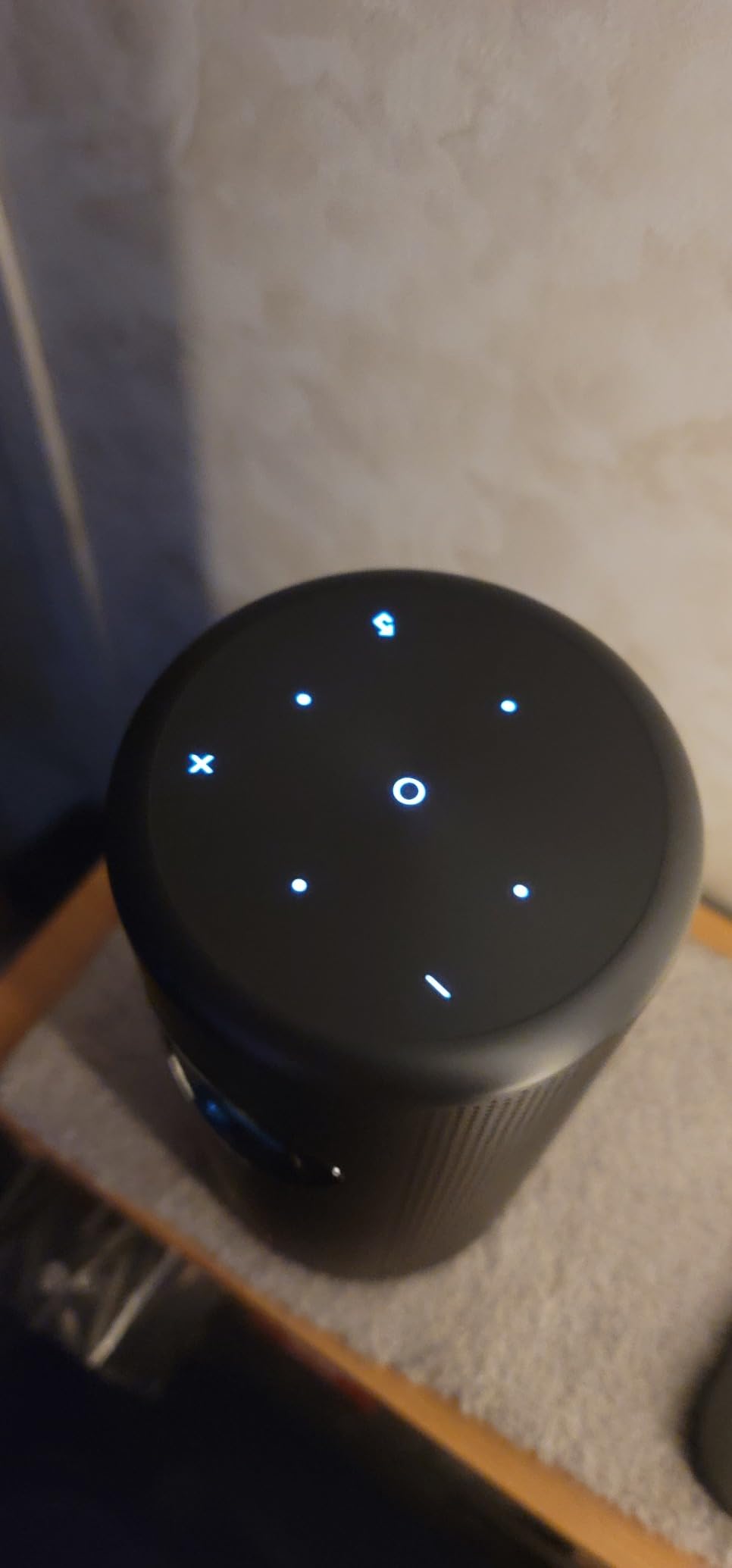
Who should buy the NEBULA Capsule 3 Laser
This is the projector for renters, campers and anyone who cannot drill into a ceiling. It comes out of a bag, finds focus, fixes its own keystone and starts playing. Wall color adaptation handles the surfaces that are actually available to you.
It is also the sensible second-room option for people who already own a home theater projector and want something that moves to the bedroom, the patio or a friend’s house on a Friday night.
The built-in battery makes it genuinely usable away from an outlet. Two and a half hours covers most feature films, and PD charging lets it run while plugged if you need longer.
Where the Capsule 3 Laser falls short
300 ANSI lumens is the honest limit here. This is a dark room projector, and reviewers are consistent that it will not compete with daylight or a lamp room with the curtains open.
There is no optical zoom, so sizing the image means moving the unit rather than turning a ring. In a fixed space that becomes annoying fast, especially since the included USB-C power cord is short.
Buyers who wanted a living room television replacement should manage expectations. This is a projector for easy, portable setups, not a 120 inch cinema replacement with the lights on.
3. AWOL VISION LTV-3000 Pro – Best Ultra Short Throw Laser Projector Under 2000
AWOL VISION LTV-3000 Pro 4K 3D Ultra Short Throw Triple Laser Projector, Dolby Vision & Atmos, HDR10+, 150″ UST Laser TV Home Theater Projector
4K triple laser ultra short throw
0.25:1 fixed throw ratio
107 percent BT.2020
150 inch max image
Pros
- Ultra short throw removes the ceiling mount and cables entirely
- Triple laser engine covering 107 percent BT.2020 and 147 percent DCI-P3
- Dolby Vision plus HDR10 plus Dolby Atmos
- Active shutter 3D from a 3D Blu-ray player at this price
- Built-in center channel speaker anchors dialogue to the screen
Cons
- Fixed 0.25:1 throw means cabinet depth must be exact
- Best daylight results require an AWOL ALR screen as an added cost
- No smart TV platform so an external source is needed
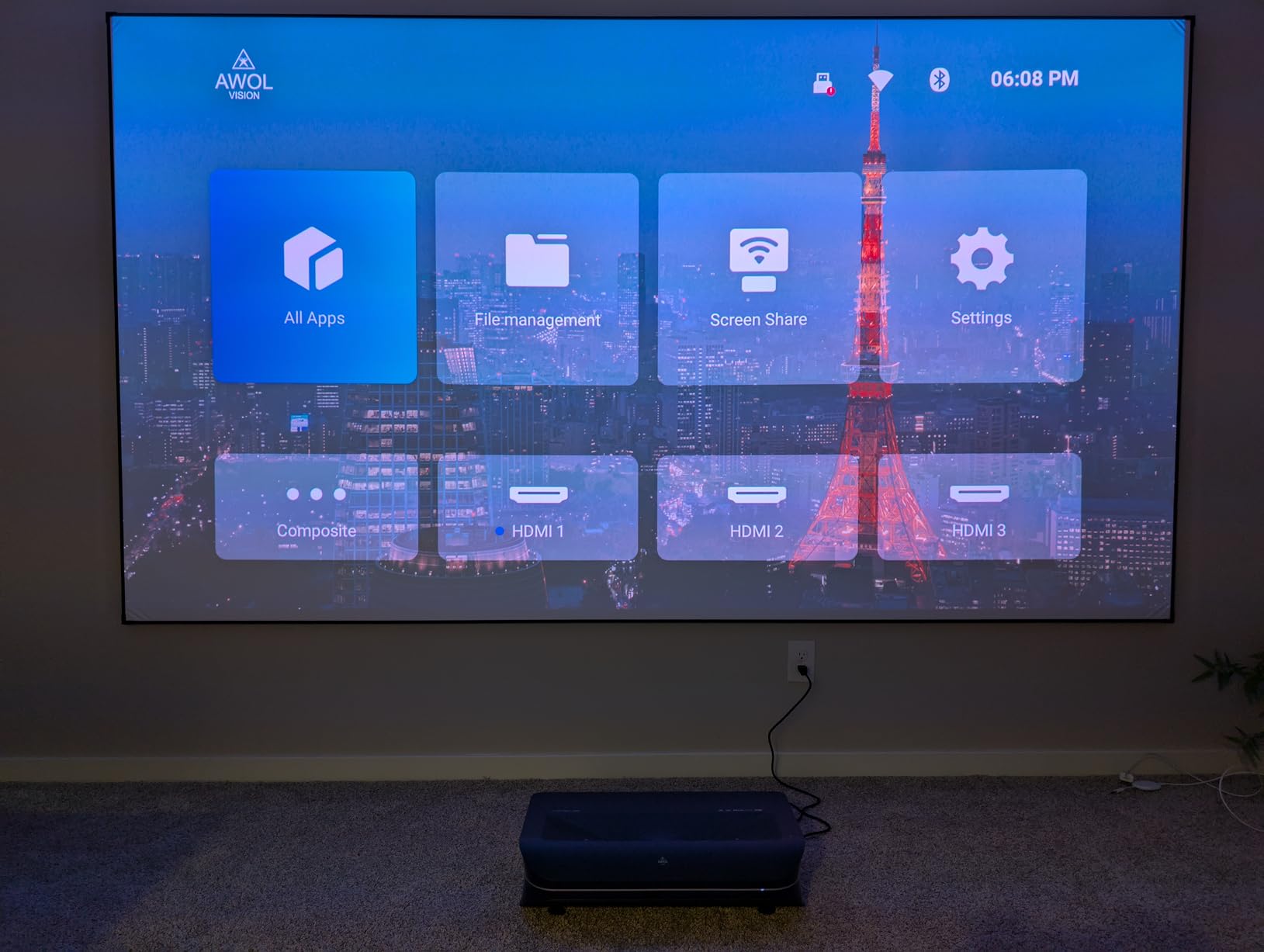
The LTV-3000 Pro solves a problem no other projector on this list addresses: replacing a wall-mounted television. It sits about 12 inches from the wall and fills a 150 inch screen. No ceiling mount, no long throw across a room, no keystone geometry fighting you. If you have ever routed cables behind a wall to hide a ceiling-hung projector, that alone is worth the trade.
The optical engine is a triple laser with no color wheel, covering 107 percent of BT.2020 and 147 percent of DCI-P3. Dolby Vision, HDR10+ and Dolby Atmos are all supported, and it is one of only two units here with active shutter 3D that works with a 3D Blu-ray player.
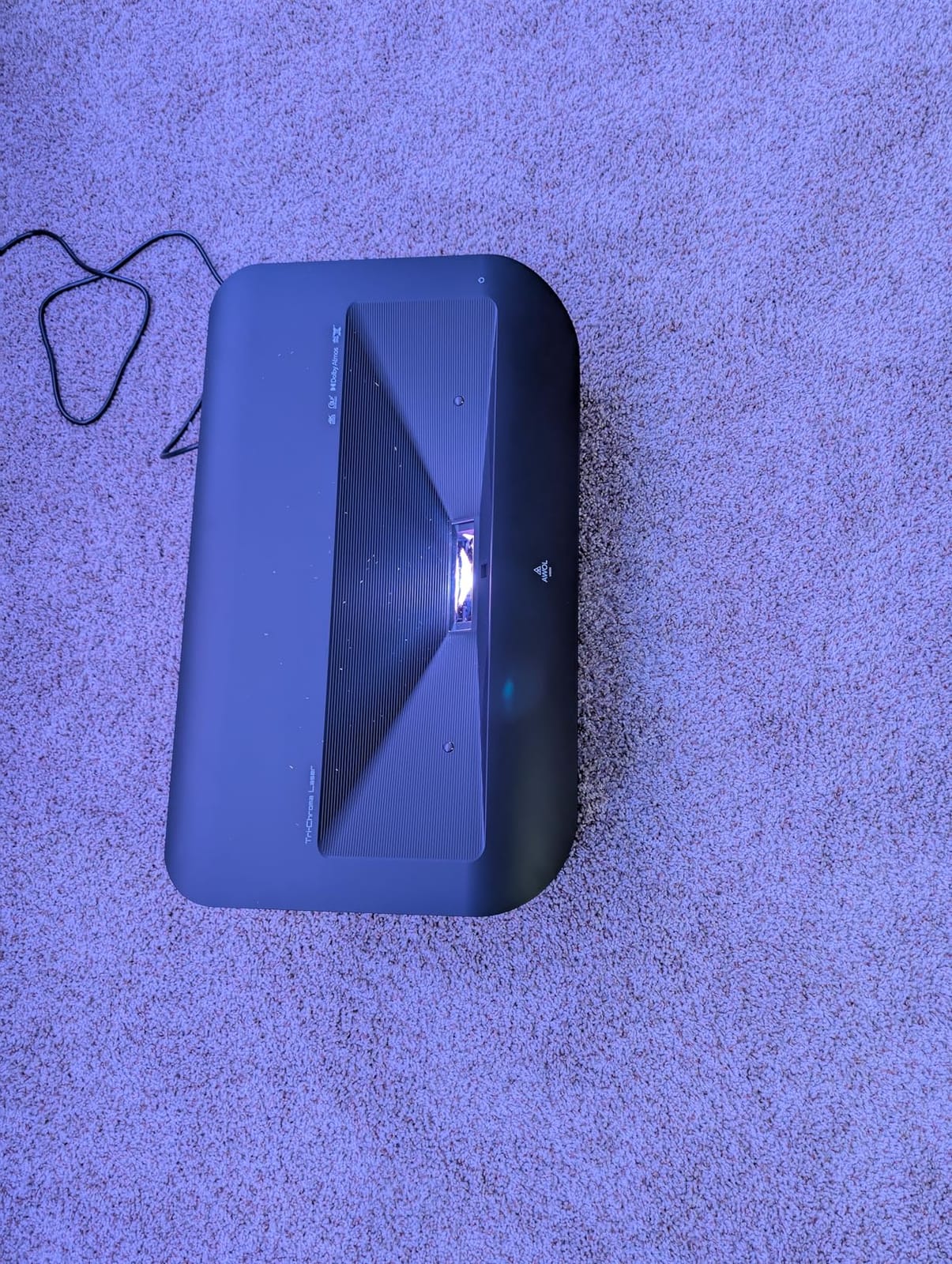
Around 76 percent of reviews are five stars, and the recurring theme is television replacement. Owners put it on a console against the wall, feed it a player or streaming box, and stop thinking about mounting. The built-in center channel speaker is a first on a projector and it does what it says, pulling dialogue to the screen position.
For integration, PJ Link IP control means Control4 and similar automation systems can drive it. Vertical keystone correction handles up to 40 inches of offset, and the laser light source is rated to 25,000 hours.
The warranty here is two years, which is longer than most in this group and a meaningful signal from a brand competing against Epson, ViewSonic and BenQ.
Who should buy the AWOL VISION LTV-3000 Pro
Buy it if your wall is already flat and blank and you have no ceiling to use. Apartments, basements and finished rooms are exactly the situations where a long-throw projector is a nonstarter, and this one is the fix.
It is also the pick for anyone who wants 3D cinema at home, since active shutter support with 3D Blu-ray playback is genuinely rare at this price.
Measure before you order. At a fixed 0.25:1 ratio, roughly 8.54 inches from the wall gives 100 inches and 12.84 inches gives 150, so your cabinet depth decides your screen size rather than the other way around.
Where the LTV-3000 Pro falls short
The fixed throw ratio is a double-edged feature. If your cabinet is deeper than you want, the only fix is the AWOL motorized Slider, which is an extra purchase. Owners who measured first report near-perfect results.
Daylight performance depends heavily on the screen. In a dark room it looks excellent, but the honest daylight story needs an AWOL ALR screen, which adds real cost to the total.
At 28 pounds and 23.6 inches deep, this is a large object, and there is no smart platform inside. You are buying a display, not an entertainment hub, so plan on an external source and an external sound system.
4. Dangbei DBOX02 – Best Value 4K Laser Projector Under 2000
Dangbei DBOX02 Laser Projector 4K GTV, 2450 ISO Lumens, Netflix Officially Licensed, Blu-ray 3D, Home Theater Projector with WiFi and Bluetooth, HDR10+, 200-inch Picture, 2x12W DTS:, Dolby Audio
4K UHD ALPD laser
2450 ISO lumens
5000:1 contrast
200 inch max image
Pros
- 2450 ISO lumens handles daylight and backyard viewing without curtains
- ALPD laser is repeatedly praised as speckle-free versus RGB triple laser
- Google TV with officially licensed Netflix removes the streaming stick
- Dual 12W speakers with Dolby Audio and DTS:X
- Support described as responsive with free replacements issued
Cons
- First boot menus and firmware updates frustrate many users
- DLP rainbow effect visible on bright scenes and fast head movement
- Input lag around 30-35 ms rules out competitive gaming
The DBOX02 is the value answer to a fair question: how much 4K laser picture quality can you get without approaching the top of the range. Reviewers position it against projectors costing one to two thousand dollars more, and the 2450 ISO lumen figure is high enough to project with blinds open and lights on.
The ALPD light engine matters more than the spec sheet suggests. ALPD uses a blue laser through a phosphor wheel, and owners consistently report that it looks free of the grainy sparkle that RGB triple laser engines can produce, particularly on a standard 1.0 gain screen.
Connectivity is unusually good for the money. Dual HDMI with eARC on one port means a soundbar or receiver can pass audio back through the projector, and there are two USB ports. Blu-ray 3D playback is supported with bundled compatible active glasses, HDR10+ and HLG are handled, and the InstanPro AI setup handles autofocus, auto keystone, screen fit and obstacle avoidance.
Sound is taken seriously too: dual 12 watt speakers with Dolby Audio and DTS:X, which is more than most projectors at twice this price offer.
A small but real perk reviewers mention is support. Multiple owners describe responsive service and free replacements, which matters on a device with a one-year manufacturer warranty.
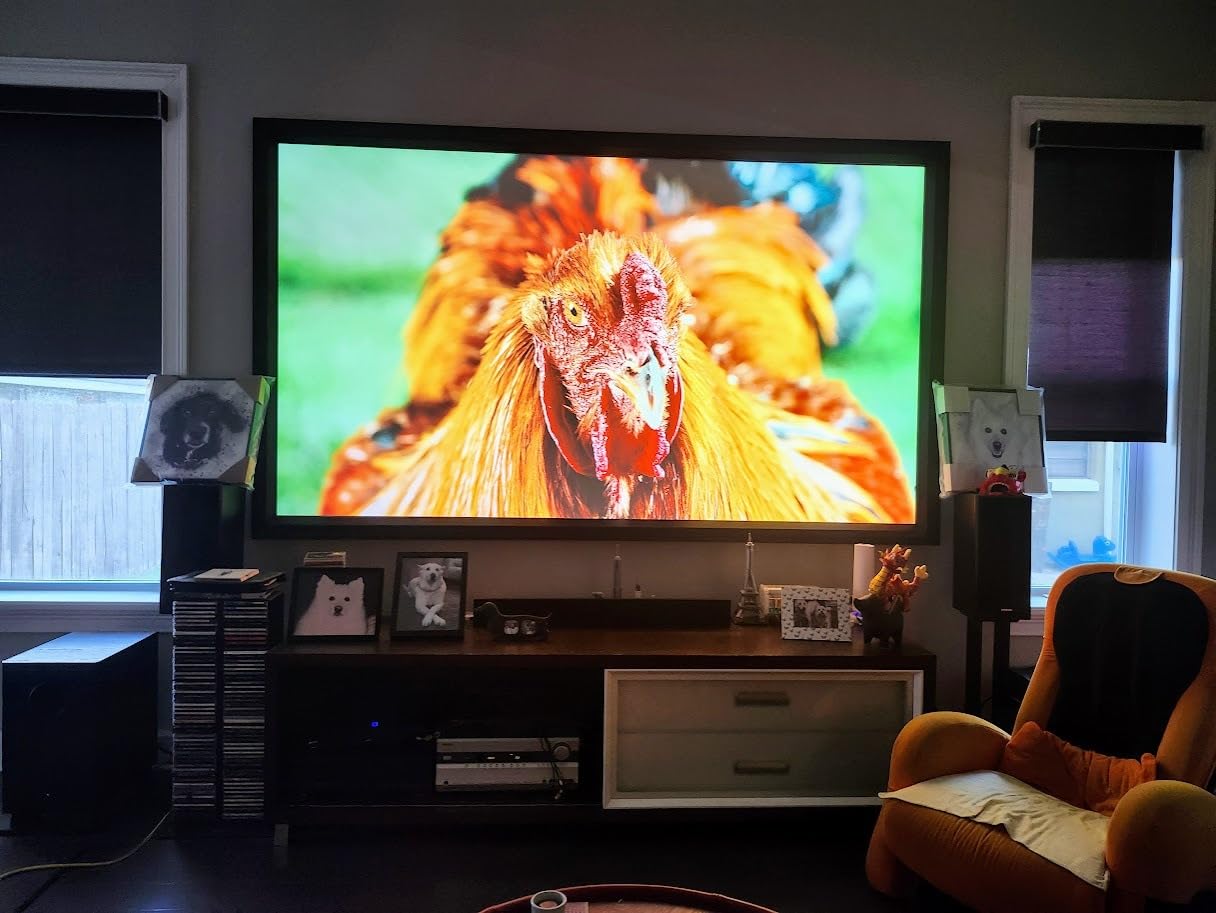
Who should buy the Dangbei DBOX02
This is the one to buy if you want 4K laser, a bright image for daytime and backyard movies, and built-in streaming with licensed Netflix, without spending at the top of the range. The 200 inch maximum at a 1.7 to 5 meter throw covers most rooms.
It is also the strongest pick here if rainbow artifacts bother you but you want the color range of a modern laser engine. ALPD sidesteps most of that, and the picture stays sharp well beyond the recommended 80 to 120 inch range.
Families with a mixed use case do well: kids watching shows in the afternoon, films at night, and a console for casual gaming on weekends.
Where the DBOX02 falls short
Software maturity is the main complaint and it is repeated constantly. First boot, menu navigation and firmware updates are described as time-consuming and unintuitive, with several settings bugs fixed in later firmware releases.
At roughly 30 to 35 milliseconds of input lag, this is not a competitive gaming projector. It is fine for films and fine for console games that do not demand twitch responses.
The DLP rainbow effect shows up on bright scenes and during fast head movement for sensitive viewers, and MEMC motion smoothing is described as hard to disable from within the built-in apps. The 180W power brick is bulky and no stand or handle is included.
5. JMGO N1S Ultra – Best Laser Projector Under 2000 for Fully Automated Setup
JMGO N1S Ultra 4K Triple Laser Projector , 2800 ISO Lumens, Google TV
4K RGB triple laser
2800 ISO lumens
1600:1 FOFO contrast
Integrated motorized gimbal
Pros
- 2800 ISO lumens is bright for the class
- RGB triple laser with Delta-E under 1 color accuracy
- Motorized gimbal plus TOF sensor handles focus and keystone automatically
- 20W Dolby Digital Plus speakers with bass to 45Hz
- Lossless zoom and wall color adaptation make off-axis placement painless
Cons
- 1600:1 FOFO contrast is shallow so blacks are grayish in a dark room
- RGB triple laser can speckle on a 1.0 gain screen
- At 9.9 lb it is portable but not grab-and-go
The N1S Ultra is defined by its gimbal and its sensor array. A 3D time-of-flight sensor and a CMOS camera drive real-time autofocus and keystone, while the integrated motorized gimbal physically points the lens to keep the picture aligned. Together they remove almost all of the manual keystone wrestling that defines projector setup.
Brightness is a real strength at 2800 ISO lumens, well suited to well-lit spaces. Color is specified at Delta-E under 1 with a 1600:1 FOFO contrast ratio, and the widest gamut in the tricolor category.
Audio deserves a mention because it keeps coming up in reviews. The 20 watt dual speakers with Dolby Digital Plus reach bass down to 45Hz, which is unusually capable for projector speakers and enough for casual viewing without a soundbar.
Who should buy the JMGO N1S Ultra
Buy it if you hate installation. Anyone moving furniture around, adjusting the unit weekly or placing it off-axis will appreciate lossless zoom, wall color adaptation, brightness adaptation, screen fitting and object avoidance doing the work automatically.
It is a strong choice for a living room that doubles as a media room, since Google TV with 800+ free live channels, Google Assistant and Chromecast is built in, plus HDMI 2.1 with eARC for a soundbar and Blu-ray 3D support.
Owners who reported early problems with older projector firmware describe the Google TV build here as a step up, responsive in a way Linux-based projector systems never are.
Where the N1S Ultra falls short
Contrast is the honest weakness. At 1600:1 FOFO, blacks are not as deep as the DLP or ALPD rivals on this list, and in a fully dark room that reads as dark gray rather than true black.
RGB triple laser engines can show laser speckle on a standard 1.0 gain screen. If you are buying one of these, budget for a proper screen surface rather than a cheap one.
At 9.9 pounds it is portable in the way a small appliance is portable, and the gimbal with its sensor array is a complex mechanism that rewards careful handling rather than tossing into a backpack.
6. Epson Pro EX11000 – Best Laser Projector Under 2000 for Bright, Lit Rooms
Epson Pro EX11000 3-Chip 3LCD Full HD 1080p Wireless Laser Projector
3-Chip 3LCD laser
4600 lumens color and white
310 inch max image
20000 hour laser life
Pros
- 3LCD has no rainbow artifacts at any seating distance
- 4600 lumens of color and white brightness handles lit rooms
- 20000 hour laser source removes bulb replacement
- Largest maximum image size here at 310 inches
- Miracast plus dual HDMI plus Ethernet covers conferencing and streaming sticks
Cons
- Native resolution is 1080p while several rivals are native 4K
- No built-in smart TV platform so a streaming device is required
- Positioned as a business projector rather than a smart theater unit
The Epson Pro EX11000 carries the highest average rating of any projector on this list at 4.7, with 86 percent of reviews at five stars. It is also the least smart. Buyers treat it as a brightness-first, reliability-first machine that gets installed once and runs for years, which is exactly what an office, classroom or large living room needs.
Its engine is the differentiator. True 3-Chip 3LCD displays 100 percent of the RGB signal on every frame, with no rainbowing and no color brightness loss. For DLP-sensitive viewers sitting close to a large screen, that removes an entire category of complaint.
At 4600 lumens of color and white brightness, it handles well-lit rooms without drama, and the maximum image size of 310 inches is the largest in the group. The laser source is rated at 20,000 hours.
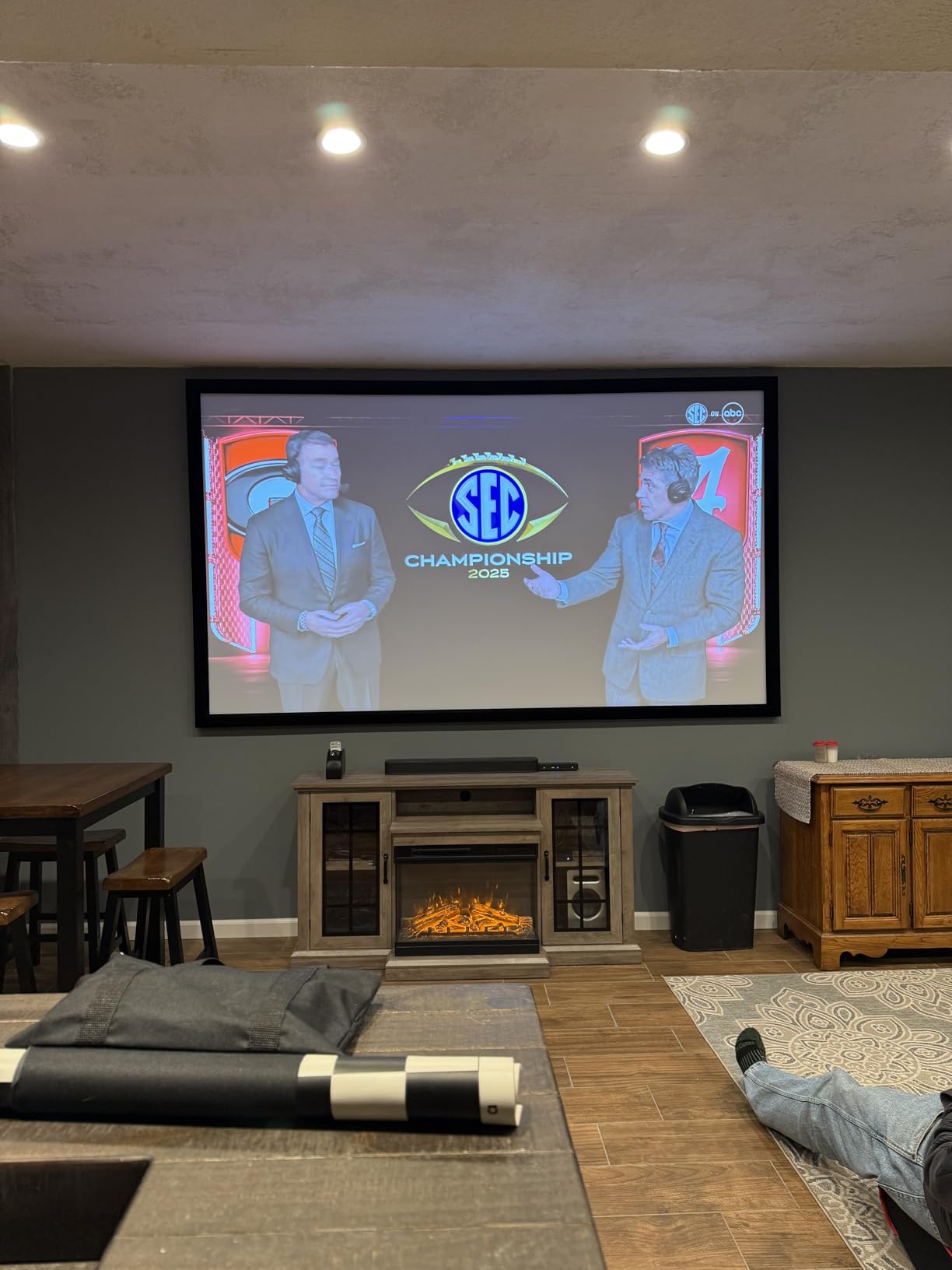
Connectivity is deliberately professional: Miracast screen mirroring, two HDMI ports, USB power, Ethernet, built-in Wi-Fi and a 16 watt speaker. H.264 and H.265 decoding is handled natively.
The throw range runs from 1.32 to 2.12 feet of lens distance with a 31 inch minimum image, which tells you this is a room with depth rather than a wall-hugging laser TV.
It comes with a one-year projector limited warranty, which is the shortest coverage here, so that is the trade you are making for the brightness and the rainbow-free engine.
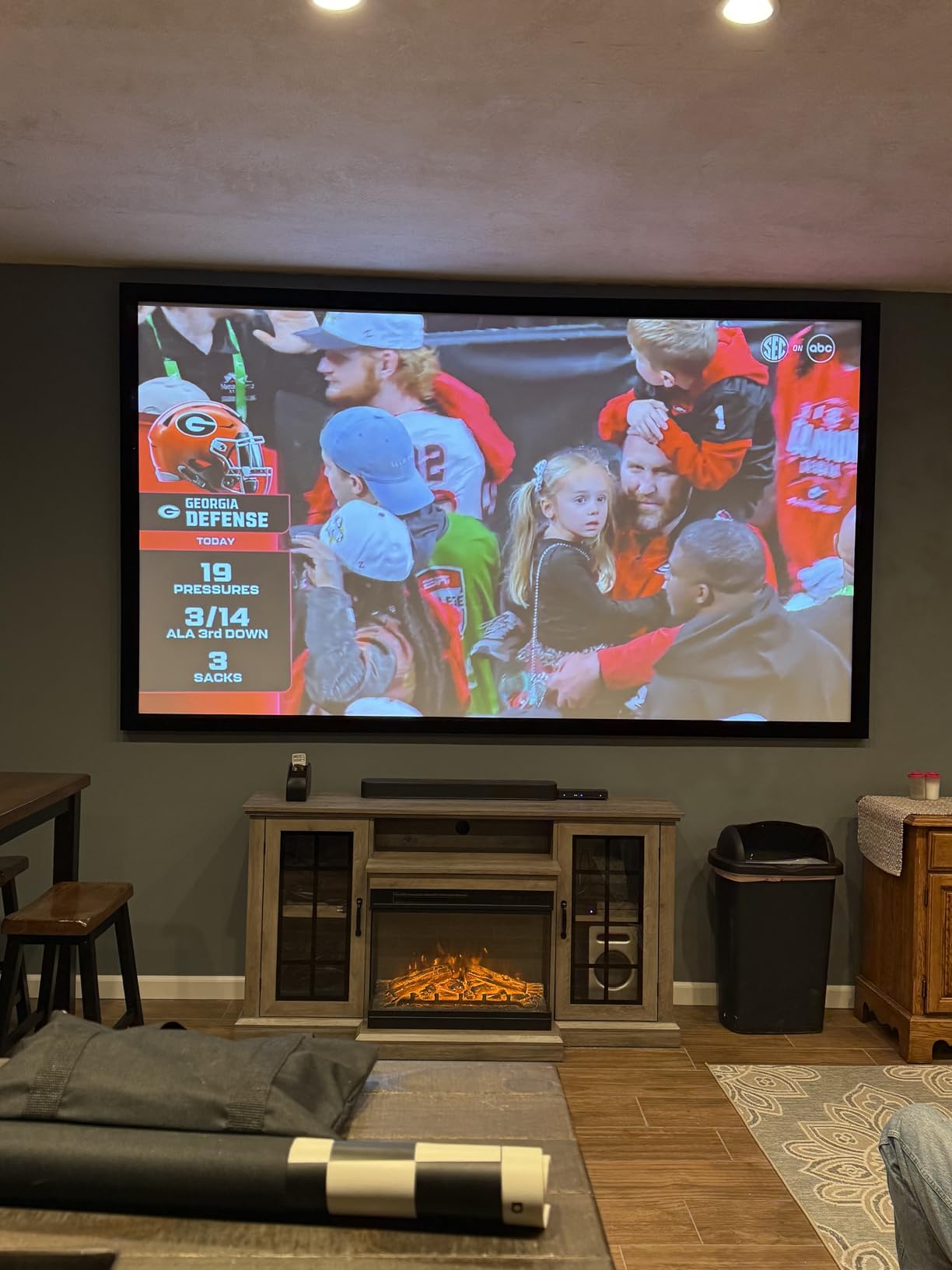
Who should buy the Epson Pro EX11000
Buy it for a lit room, a classroom, a small business meeting space or a media room where lights stay on. 4600 lumens of real color and white brightness is the number that matters when ambient light is present.
It is also the right choice for anyone who sits close to a very large screen or is sensitive to rainbow artifacts from DLP chips. Nothing else on this list eliminates that effect entirely.
Because it is rated up to 310 inches, it scales from a conference room to a large living room without changing hardware.
Where the Pro EX11000 falls short
Native resolution is 1920 by 1080 while several rivals at similar cost are native 4K. On a very large screen at close viewing distance, the difference between 1080p and 4K is visible, so pair it with a screen size you can actually sit back from.
There is no smart TV platform. Streaming apps need an attached device, which adds a box and another remote to whatever room it goes in.
It is a conventional throw projector, so it needs real distance and typically a ceiling or table mount. Anyone hoping to place it inches from a screen wall should look at the ultra short throw option instead.
7. ViewSonic LS740HD – Best Laser Projector Under 2000 for Golf Simulators and Daylight
ViewSonic LS740HD 1080P Laser Projector, 5500 Lumens, Full HD Home Theater
5500 ANSI lumens laser
1080p native
1.3x optical zoom
300 inch max image
Pros
- 5500 ANSI lumens is the brightest figure in this group and owners confirm it in daylight
- High brightness with no smart platform penalty
- Golf simulation mode is a real differentiator for simulators
- 1.3x optical zoom plus four-corner adjustment simplifies alignment
- Three-year parts and labor warranty outlasts most rivals
Cons
- No lens shift so it must be positioned precisely and then stays put
- Built-in speaker is muffled and blown out in a large room
- Basic on-screen menu compared with smart projectors
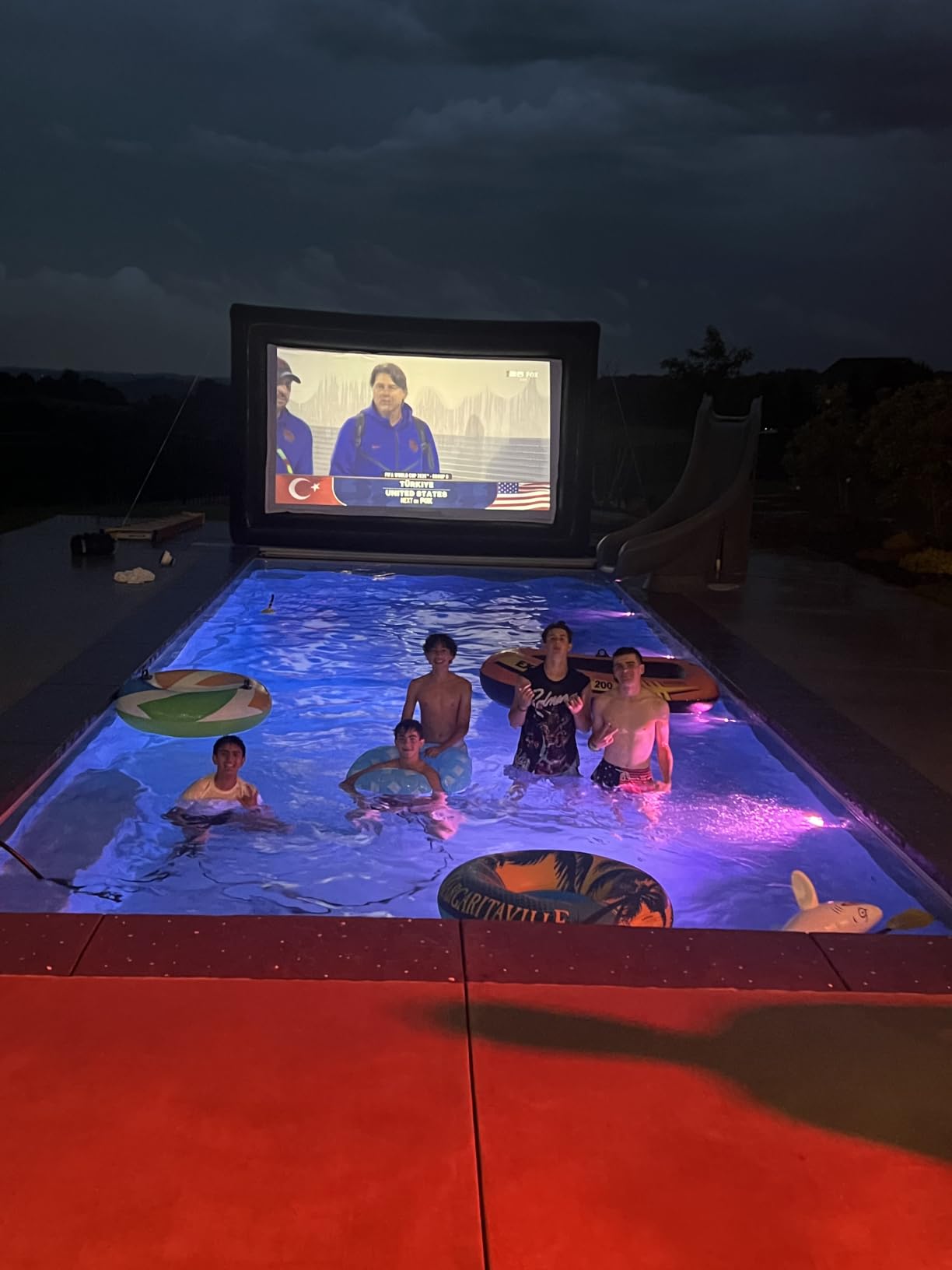
The LS740HD is the brightness champion here and it is not close. At 5500 ANSI lumens, owners report projecting onto 25 foot screens outdoors and watching films in genuinely daylit rooms. If your space has windows and you refuse to close the curtains, this is the unit that makes that possible.
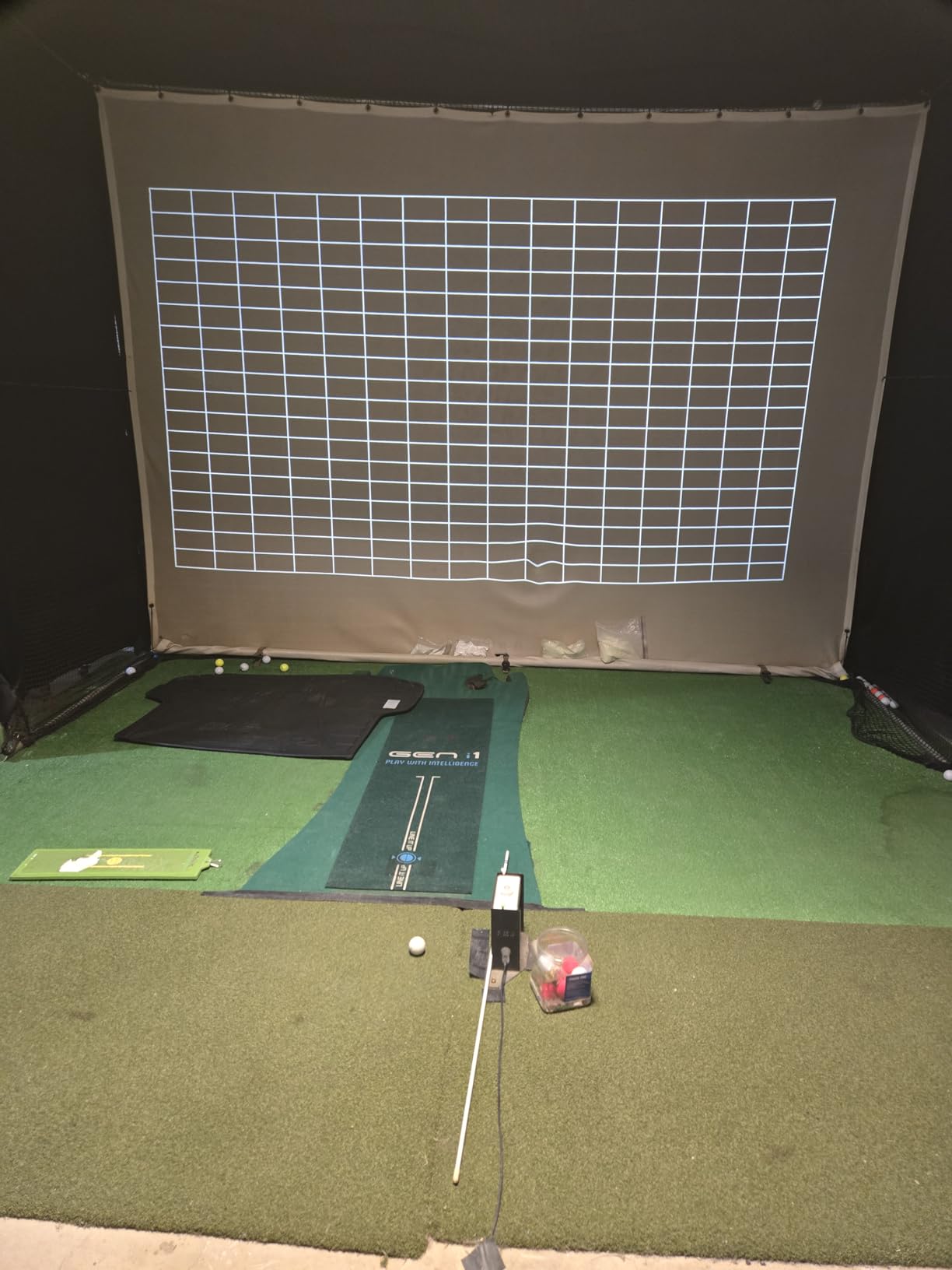
Golf simulator owners form a distinct and very positive group around this projector. The dedicated Golf Mode tunes environmental colors for simulation, 360 degree and portrait projection handle awkward room shapes, and four-corner adjustment handles walls that are not perfectly square.
Installation flexibility is good for a fixed install: 1.3x optical zoom, horizontal and vertical keystone, ceiling mount compatibility with the ViewSonic PJ-WMK-007 and an external power brick that keeps the chassis cool.
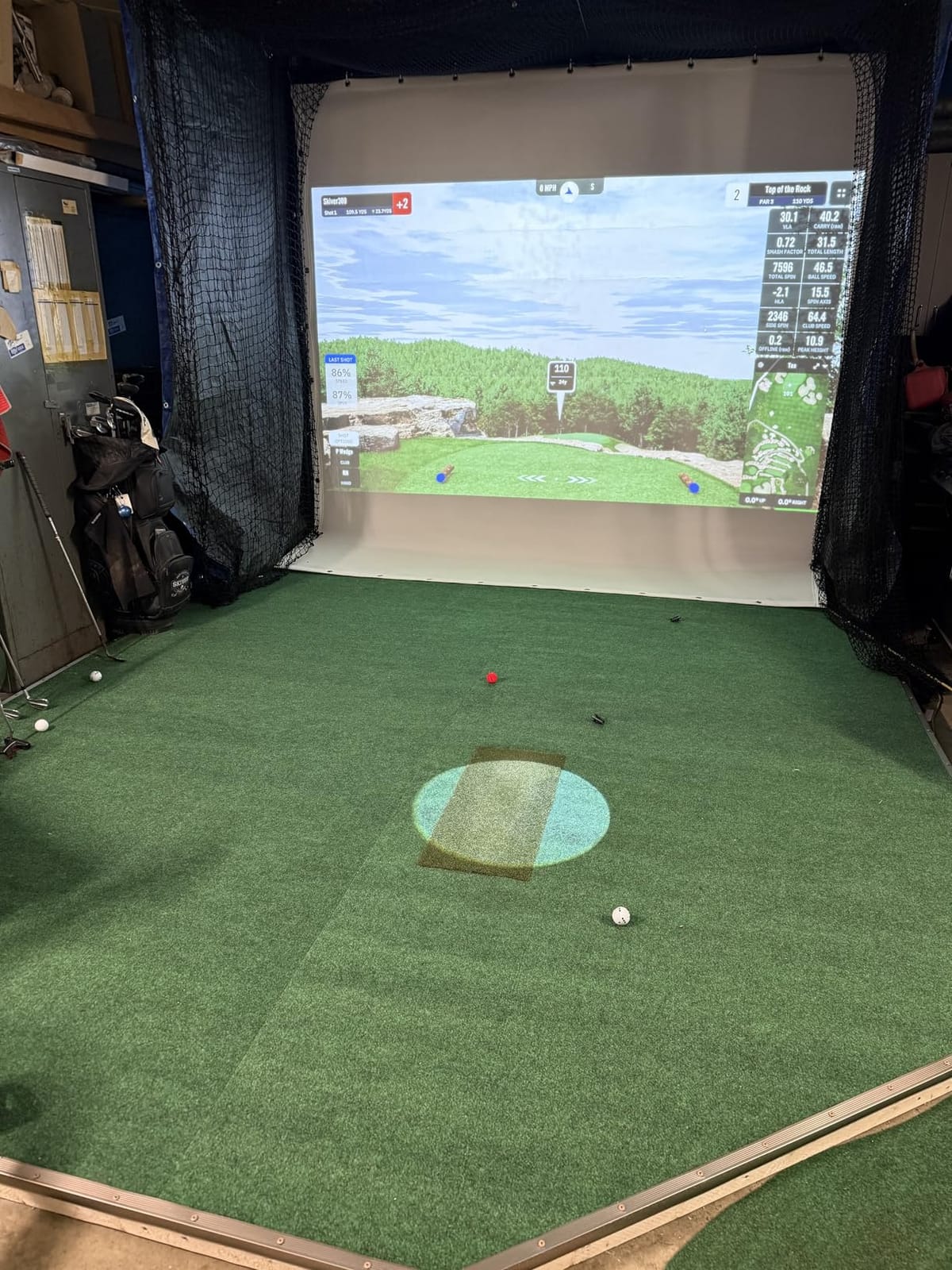
Three years of parts and labor is the strongest warranty on this list, outlasting most rivals. For a device that will likely live in a ceiling for a decade, that coverage is worth more than a smart platform.
Setup is reported as quick, with owners describing a running projector within minutes of unboxing. The laser source is rated at 20,000 hours and the unit runs cool and quiet on Eco.
Image size ranges from 30 to 300 inches, and a 100 inch image lands at 8.2 feet of throw.
Who should buy the ViewSonic LS740HD
Buy it for daylight, garages, sunrooms, golf simulators and any room where you cannot control ambient light. 5500 ANSI lumens is a figure you can point to when someone argues a projector is too dim for their space.
It is also the strongest budget choice for a fixed ceiling install, because optical zoom, four-corner adjustment and a three-year warranty make it a low-maintenance box you set up once.
If you are building a golf setup, this is the clearest specialist pick on the list, with the throw ratio and mounting options that type of room demands.
Where the LS740HD falls short
There is no lens shift, so it must be positioned precisely and is designed to stay put once placed. That is fine for a ceiling mount and frustrating for a projector you want to move around.
The built-in speaker is the most common complaint, described as muffled and blown out compared with a phone speaker in a large room. Budget for external audio.
The on-screen menu is basic next to a Google TV build, native resolution is 1080p, and there is no Wi-Fi or app store. One owner also documented a recurring orange flash defect that survived cable, power and driver changes.
8. XGIMI HORIZON 20 – Best Laser Projector Under 2000 for Daylight and Color
XGIMI HORIZON 20 4K RGB Triple Laser Home Projector, 3200 ISO Lumens
4K RGB triple laser
3200 ISO lumens
100000:1 contrast
1ms response at 240Hz
Pros
- Brightest 4K laser here at 3200 ISO lumens and owners confirm it cuts through afternoon daylight
- IMAX Enhanced plus Dolby Vision plus HDR10 plus Filmmaker Mode in one unit
- 1ms response with 240Hz plus VRR and ALLM
- Lens shift and optical zoom allow off-axis mounting without keystone
- Harman Kardon speakers strong enough for casual viewing
Cons
- Laser speckle clearly visible on standard 1.0 gain screens
- Included styrofoam case is not durable for frequent transport
- One report of a firmware update rendering a unit non-functional
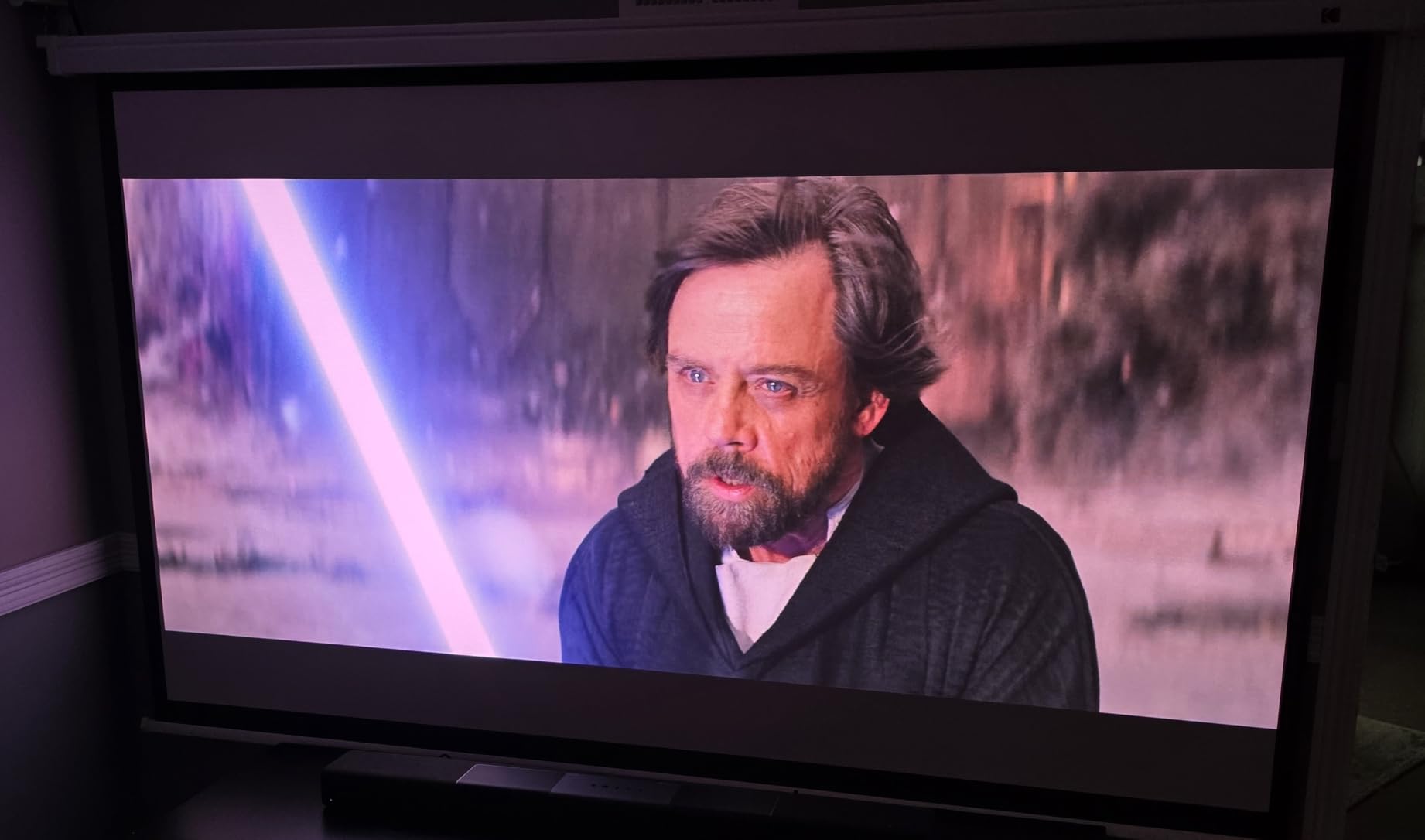
The HORIZON 20 is the newest entry on this list at 131 reviews, with 72 percent five stars. It also has the highest brightness figure of any 4K laser here at 3200 ISO lumens, and owners running it on a porch in afternoon sun confirm that number holds up in practice.
Color and HDR is where this unit is genuinely ambitious. IMAX Enhanced, Dolby Vision, HDR10+ and Filmmaker Mode in a single 4K projector is rare at this price, and the X-Master RGB triple laser engine produces a wide, saturated image with a 100,000:1 contrast ratio.
For gamers it is the most capable on the list: 1ms response at 240Hz with VRR and ALLM, plus flexible lens shift and optical zoom so the unit mounts off-axis without keystone distortion. Harman Kardon speakers are strong enough to skip a soundbar for casual viewing.
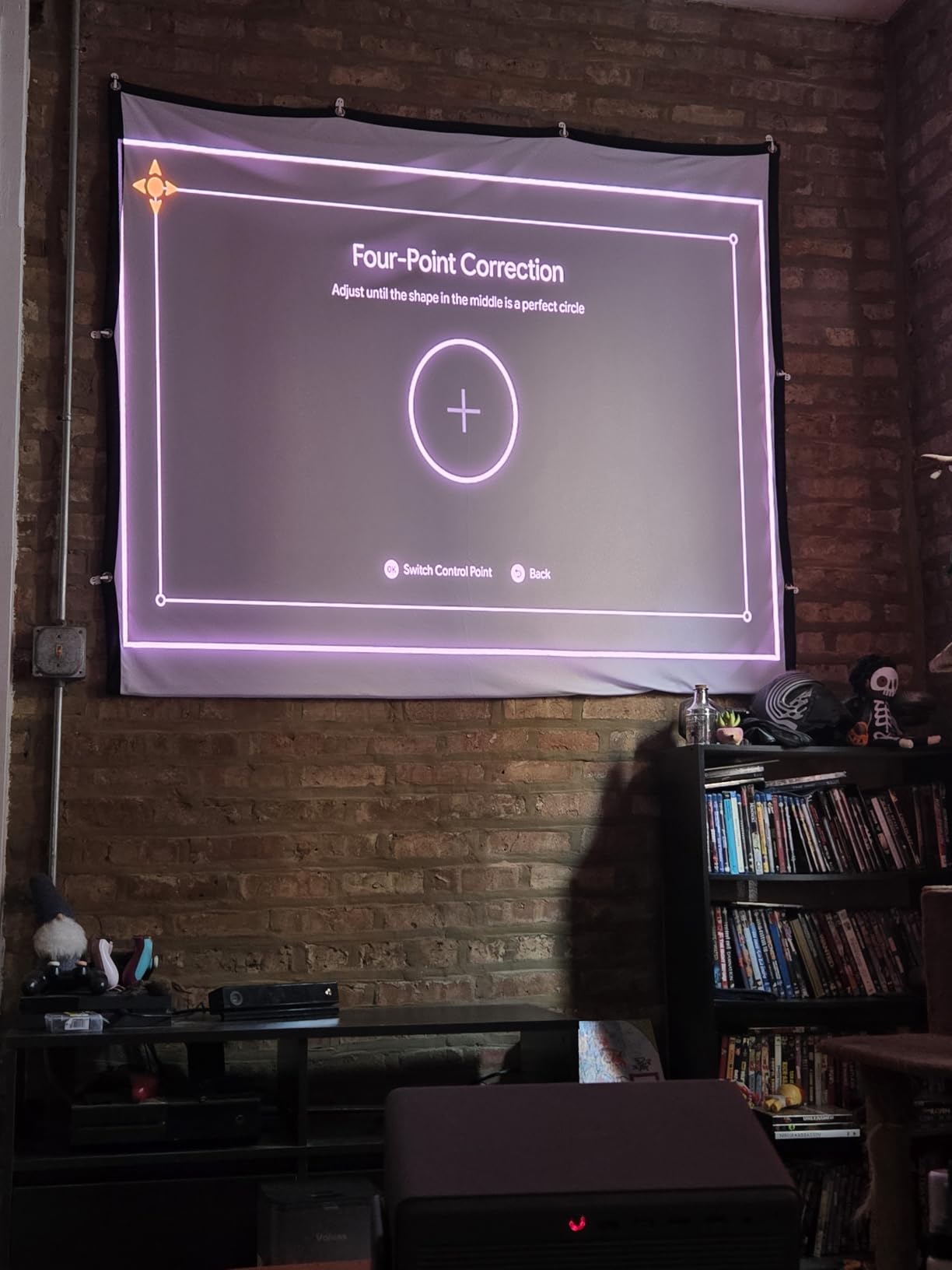
Setup is fully automated, with auto keystone, auto focus, obstacle avoidance, screen alignment, wall color adaptation and eye protection, and an integrated rotating stand that also accepts a ceiling mount thread.
Image size runs from 40 to 300 inches across a 1.06 to 5.31 meter throw, with a two-year warranty behind it.
Our guide to the best laser projectors for gaming goes deeper on refresh rate and latency if this is your priority.
Who should buy the XGIMI HORIZON 20
Buy it if you want the brightest 4K laser available in this range and you have a screen with a higher gain surface. That combination handles daytime viewing better than anything else here.
Gamers should look here too. The 1ms response at 240Hz with VRR and ALLM is unmatched in this price band, and lens shift means it can sit off to the side of a room rather than dead center.
Google TV with licensed Netflix is built in, so it works as a standalone entertainment unit without an extra dongle.
Where the HORIZON 20 falls short
Laser speckle is the most substantive criticism, and it is worth taking seriously. One buyer returned the unit specifically because a standard 1.0 gain screen showed a grainy sparkle in light areas, which is a known trait of RGB triple laser engines. Budget for a proper screen.
There is also a single serious report of a firmware update rendering a projector non-functional, with slow or absent support response. That is one report, not a pattern, but on a smart projector it is the kind of risk worth weighing.
At about 10 pounds it is larger than buyers expect, the included styrofoam case is not durable for regular transport, and separate Max and Pro variants exist, which makes choosing the right tier confusing. Owners also note the image sits noticeably high on furniture because of the horizontal offset geometry.
9. Optoma GT2000HDR – Best Short Throw Laser Projector Under 2000 for Small Rooms
Optoma GT2000HDR Ultra-Compact Short Throw Full HD Home Laser Projector
1080p DLP short throw laser
3500 lumens
30000 hour light source
Ultra-compact body
Pros
- Short throw geometry makes a large image from close range in small rooms
- 3500 lumens with a 30000 hour laser life
- External power supply keeps the chassis small and cool
- Five-year or 12000 hour light source warranty is among the longest here
- Low power consumption reduces running costs
Cons
- Lowest average rating on this list at 4.1 with 12 percent one-star reviews
- Only three published feature bullets
- No smart platform and no built-in speaker
- 1080p native only
- Minimum image size listed as 214 inches which is an unusually high floor
The GT2000HDR is the specialist entry on this list: a no-frills short throw laser that does one job. It throws a large image from a short distance, which is the entire reason it exists for a small apartment, a bedroom or a room where the projector has to sit close to where you watch from.
At 3500 lumens with a 30,000 hour laser light source, the fundamentals are solid. The external power supply keeps the chassis compact and running cool, and the light source warranty of five years or 12,000 hours is among the longest coverage offered anywhere in this roundup.
Connectivity is simple and adequate: HDMI, USB, 3.5mm audio and RCA, with vertical keystone correction up to 15 cm and low power consumption in Eco mode.
Who should buy the Optoma GT2000HDR
Buy it when the room is the constraint. A short throw geometry means a usable image without shoving the projector to the back wall and running a cable through the room.
It also suits anyone who wants a bright, maintenance-free projector without a smart platform. If you already own a streaming box or a game console, the lack of built-in apps costs you nothing.
The five-year light source warranty makes it an easy recommendation for a ceiling install in a bedroom or a den where the unit will run for hours on weeknights.
Where the GT2000HDR falls short
This is the lowest-rated product in the roundup at 4.1, with 12 percent of reviews at one star, and we would rather say that plainly than round it up. Budget for the possibility of a rougher ownership experience than the alternatives here.
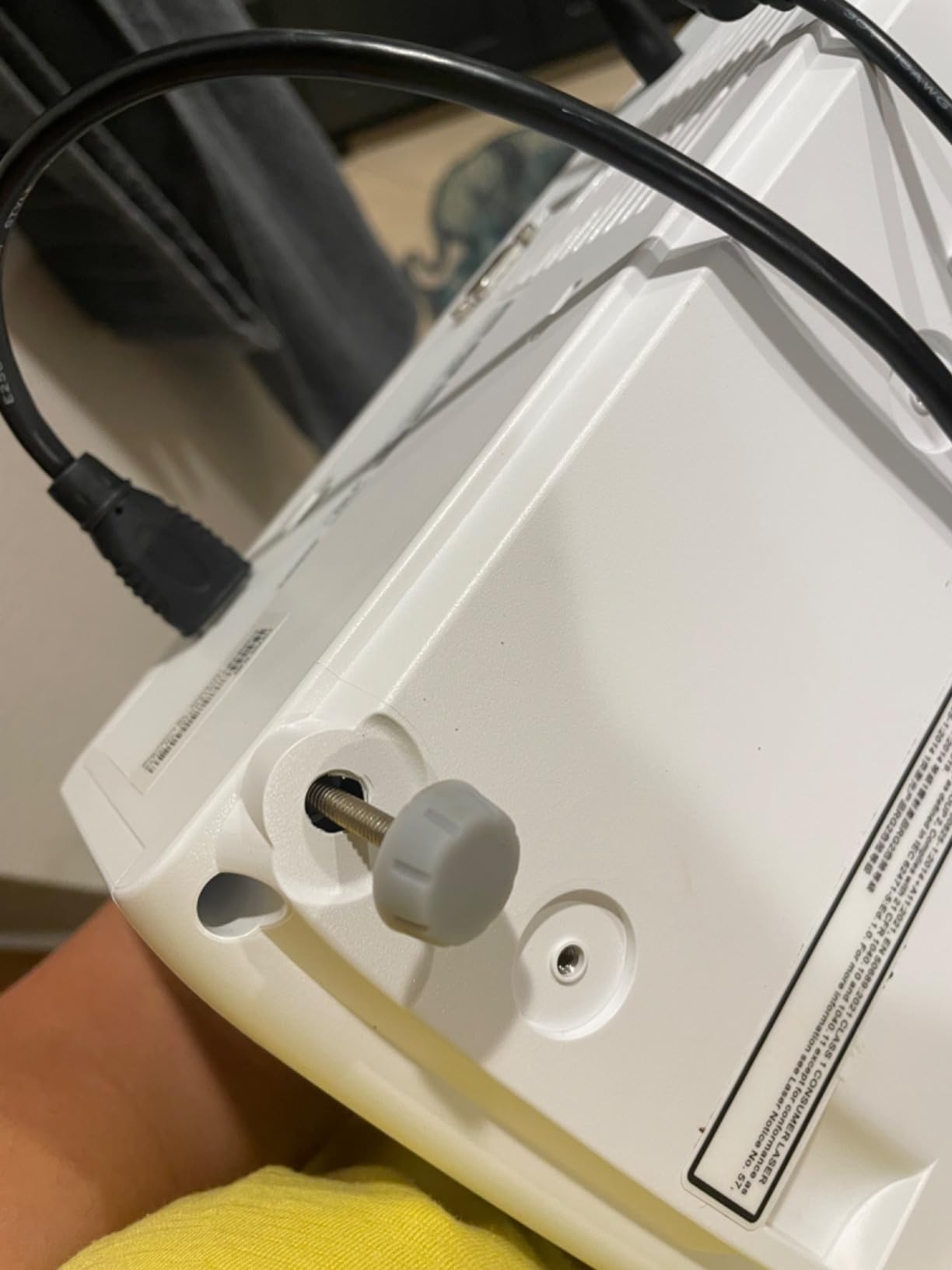
Documentation is thin too, with only three published feature bullets and a minimal spec sheet compared with rivals.
There is no built-in speaker and no smart TV platform, so an external source and external audio are required. Native resolution is 1080p despite the 4K-heavy marketing of many competitors, and the published minimum image size of 214 inches is an unusually high floor for a short throw unit, which is worth confirming against your space before committing.
10. ViewSonic LX700-4K – Best Laser Projector Under 2000 for Xbox Gaming
ViewSonic LX700-4K 4K UHD Laser Gaming Projector 3500 Lumens 240Hz Xbox
4K UHD laser
4.2ms input lag at 240Hz
1.3x optical zoom and lens shift
80 to 150 inch image
Pros
- 4.2ms input lag at 240Hz validated by owners on Xbox
- Switch and PS5 at 120Hz
- Bright enough for a daylit room on a painted wall at 120 inches
- 1.3x optical zoom plus vertical lens shift simplifies screen fitting after mounting
- Active shutter 3D described as near theater
- Three-year parts and labor warranty
- One owner logged 1000+ hours with no degradation
Cons
- No smart platform
- Wi-Fi
- Bluetooth or app store so a streaming device is required
- Built-in speaker is thin on bass
- Black level reads as dark gray in a fully dark room
- 137 percent vertical offset throws the image high for tabletop placement
- Some buyers find pixel-shifted 4K hard to distinguish from 1080p
The LX700-4K is built around one number: 4.2 millisecond input lag at a 240Hz refresh rate. Owners confirm it across Xbox, Switch and PS5 at 120Hz, and one reviewer measured roughly 40 percent lower power draw than a comparable lamp projector while logging over a thousand hours without degradation.
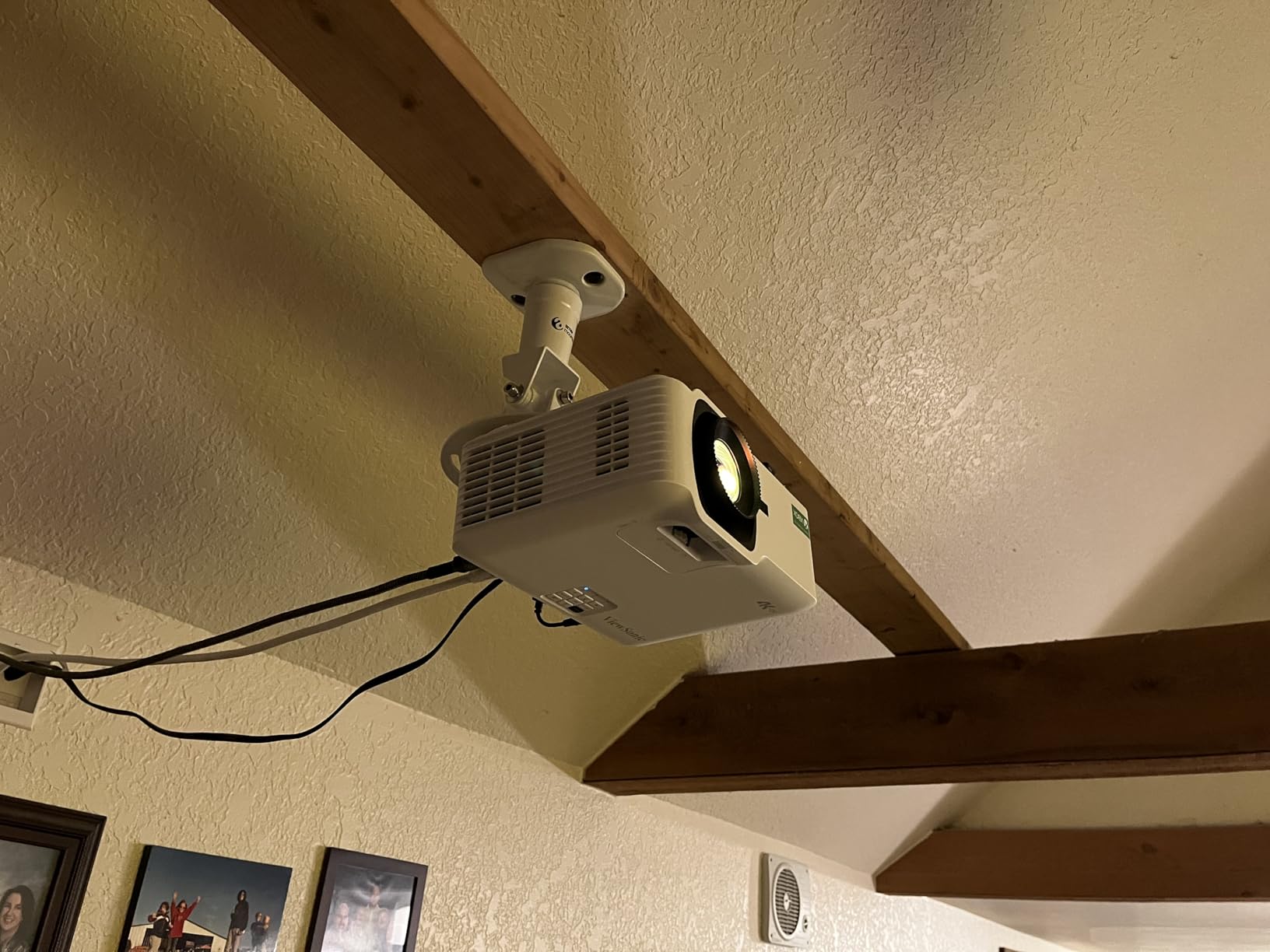
Installation is the strength beyond latency. With 1.3x optical zoom, vertical lens shift, horizontal and vertical keystone and four-corner adjustment, aligning to a screen after ceiling mounting is straightforward, and corner adjustment holds once set.
Image size runs from 80 to 150 inches recommended, with a 100 inch image at 7.7 feet of throw. SuperColor wide gamut technology handles color, and HDR plus HLG compatibility is present, along with a Golf Mode for simulators and 3D through active shutter glasses.
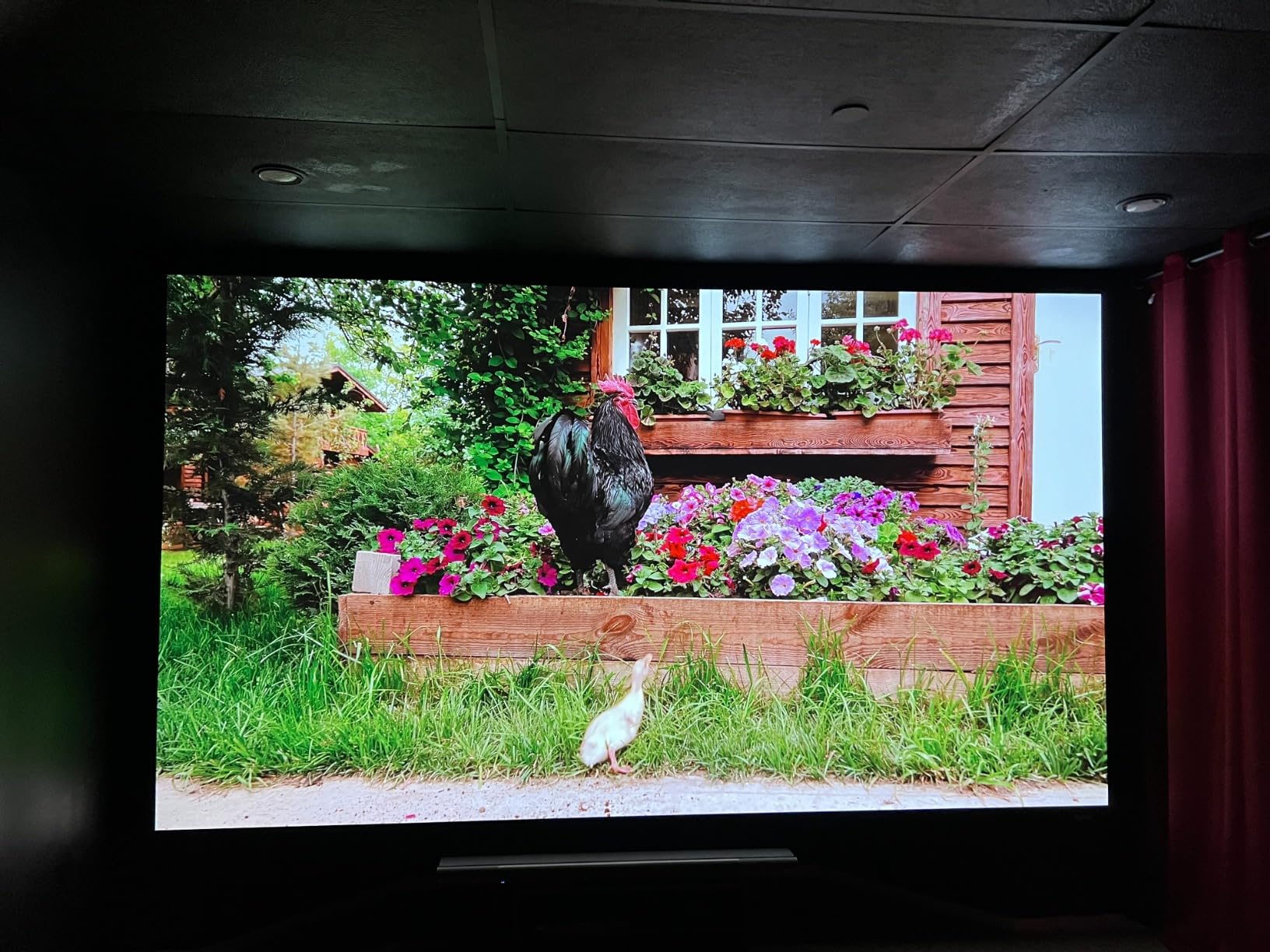
Owners also praise the instant-on laser start-up and quiet operation, describing the unit as effectively invisible behind a soundbar. A backlit remote is included, and the warranty is three years parts and labor with a first year of free Express Exchange.
Brightness is listed at 3500 lumens in the product details, with 4000 ANSI lumens cited in the feature copy, so treat it as a solidly bright projector rather than a precisely specified one.
Who should buy the ViewSonic LX700-4K
Buy it if you game on a console and want the shortest response time available in this range without moving up to a dedicated gaming projector. It is tuned for exactly that.
Those who watch in a daylit room will also find it bright enough for a painted wall at 120 inches, which is more than most 4K laser units at this price can promise.
Active shutter 3D support is a genuine bonus for anyone with a 3D Blu-ray player and glasses, and the three-year warranty makes it a low-risk ceiling install.
Where the LX700-4K falls short
There is no smart TV platform, no Wi-Fi, no Bluetooth and no app store, so a streaming stick or console is mandatory. Audio is a stopgap too, with a thin speaker that lacks bass.
Black level reads as dark gray rather than true black in a fully dark room, and a slight rainbow effect can appear with rapid eye movement, which is expected from a DLP chip.
The 137 percent vertical offset throws the image high, so tabletop placement is awkward without a riser. Some buyers also question whether pixel-shifted 4K resolution is visibly different from 1080p at typical screen sizes, and the 4.1 rating with 6 percent one-star reviews reflects more mixed experiences than the LS740HD.
How to Choose a Laser Projector Under 2000
The specifications on these projectors are not directly comparable, and that is where most buying mistakes happen. Brightness is quoted three different ways, contrast is quoted two ways, and the same phrase like short throw covers several very different throw ratios. Here is how to read the numbers before you pick.
RGB triple laser, ALPD or 3LCD: which light source matters most
RGB triple laser uses separate red, green and blue lasers to build the primary colors directly, with no color wheel. It delivers the widest color gamut, hitting 107 percent of BT.2020 on the AWOL VISION and 110 percent of Rec. 2020 on the Valerion, and it drives the most vivid HDR image of any group here. The trade-off is laser speckle, which owners of the XGIMI HORIZON 20 describe as a grainy sparkle in light areas on a standard 1.0 gain screen. That is the single most important reason to budget for a proper screen rather than a cheap one.
ALPD, used in the Dangbei DBOX02, runs a blue laser through a phosphor wheel. Reviewers consistently report it looking free of speckle compared with RGB triple laser engines, at the cost of a somewhat narrower color range. If speckle bothers you and you want a simple wall, ALPD is the safer choice.
3LCD, used in the Epson Pro EX11000, runs three LCD panels and shows 100 percent of the RGB signal on every frame. The Epson’s spec sheet claims no rainbowing and no color brightness loss, and it is the only technology in this roundup that removes rainbow artifacts structurally rather than by mitigating them. It also pairs that rainbow-free engine with the highest rated brightness figure of any engine here.
Under two thousand dollars, almost every 4K unit is a 0.47 inch DMD DLP chip using pixel shifting rather than native 4K silicon. The Epson and the Optoma are 1080p. That is not a disqualifier, it is a trade of resolution for brightness.
ANSI versus ISO lumens: the brightness numbers are not the same
ANSI lumens and ISO lumens are measured differently and the gap between them is significant, which is why a projector quoted at 5500 lumens can look brighter than one quoted at 3500 ANSI lumens. When comparing within this list, treat ANSI and ISO numbers as separate pools and only compare within the same standard.
As a rough guide for real rooms: roughly 300 ANSI lumens suits a darkened room at up to about 100 inches. Around 1500 to 2500 ISO lumens handles a controlled living room with curtains. Above 4000 lumens you can project with daylight and general room lighting on, which is where the ViewSonic LS740HD and Epson Pro EX11000 pull ahead of the pack.
Screen size matters as much as brightness. A projector needs roughly three times more lumens at 120 inches than at 80 inches for the same perceived brightness, which is why a 300 inch capability on a spec sheet is rarely a usable number in a normal room.
Throw distance and image size: do the math first
Throw ratio is the number that decides whether a projector works in your room at all. Divide the throw distance by the image width to get it: a 1.1 to 1.5 ratio needs roughly four times the image width in distance, while a 0.25:1 ultra short throw needs about a quarter of the image width, which is why the AWOL VISION sits inches from the wall.
Check the minimum image size as well as the maximum. The Optoma GT2000HDR lists a minimum image of 214 inches, which is an unusually high floor and worth confirming against your space. Several models here also cap at 150 inches as the recommended size, including the ViewSonic LX700-4K, even where the maximum figure is 300.
Lens shift and optical zoom make installation far easier than digital keystone correction, which crops pixels to fake a straight image. Only the XGIMI HORIZON 20 offers flexible lens shift plus optical zoom in this group. The ViewSonic LX700-4K has 1.3x optical zoom with vertical lens shift, the LS740HD has zoom without shift, and most others offer keystone only.
Pairing the projector with the right screen
A cheap white screen or a bare painted wall will undo much of what you paid for, particularly with an RGB triple laser unit. A higher gain or ambient light rejecting surface reduces speckle visibility, improves perceived contrast in a lit room and handles the projector offset geometry better.
Match the screen to the throw. A white 1.0 gain screen suits portable units and dark rooms. An ALR screen suits daylight viewing and ultra short throw installs, where the AWOL VISION documentation specifically recommends its own ALR screen for brighter rooms.
Size the screen to your seating distance. A 150 inch screen that starts at 12 inches from your chair is worse than a 100 inch screen at a normal distance, and no amount of brightness fixes it.
Gaming: latency, refresh rate and what actually matters
Refresh rate and input lag numbers are only meaningful together with resolution. The 4.2ms at 240Hz on the ViewSonic LX700-4K and the 4ms at 240Hz on the Valerion StreamMaster Plus2 are real advantages for competitive shooters. The XGIMI HORIZON 20 goes further with 1ms response plus VRR and ALLM.
Be skeptical of a high refresh rate at a resolution the projector cannot sustain. Confirm the mode you want is available at the resolution you want, and remember the Dangbei DBOX02 at roughly 30 to 35 milliseconds of lag is fine for films but not for competitive play.
Console gaming also has the HDMI question. Dual HDMI on the Dangbei and the ViewSonic LX700-4K means a console and a streaming stick can stay connected simultaneously, which matters for a ceiling install where swapping cables is a real chore.
Smart platforms, audio passthrough and warranty
Four units here run Google TV with licensed Netflix: the Valerion, the NEBULA, the Dangbei and the XGIMI. The rest need an external streaming device. That is not a flaw, it is a trade of convenience for brightness or latency, but plan your cable runs before the projector is mounted.
Audio passthrough through eARC appears on the Dangbei DBOX02 and the JMGO N1S Ultra, which lets a soundbar pass audio back through the projector over the same HDMI cable. If you are planning a surround system, check this before you buy rather than after.
Warranty length is the least discussed and most useful spec. The ViewSonic pair covers three years of parts and labor, the Optoma light source is covered for five years or 12,000 hours, the AWOL VISION and XGIMI give two years, and the Epson gives one. On a device expected to run for a decade, that difference matters.
On laser life, the rated figures in this group run from 20,000 to 30,000 hours. Treat those as lab conditions. Real brightness output declines gradually and some owners report firmware quality matters more to long-term satisfaction than the headline hour figure, particularly on newer smart models.
Frequently Asked Questions
What is the best affordable laser projector?
The best affordable laser projector depends on the room. For a bright living room the ViewSonic LS740HD at 5500 ANSI lumens wins on light output. For a portable setup the NEBULA Capsule 3 Laser at 2 lb with a built-in battery is the clear answer. For a dedicated dark room, the Valerion StreamMaster Plus2 adds native 4K and 4ms gaming latency.
Are laser projectors worth the money?
At this budget, usually yes, for three reasons. There is no lamp to replace, brightness and color stay consistent instead of fading, and they power on instantly without warm-up or cool-down cycles. Rated light source life in this group runs from 20,000 to 30,000 hours, which works out to well over a decade of typical evening use. The exception is if you only watch movies in a fully dark room, where a lamp projector costs less.
What is the best 4K laser projector under 2000 dollars?
The Valerion StreamMaster Plus2 is the strongest all-round 4K choice, with native 3840 by 2160 resolution, 2000 ISO lumens, IMAX Enhanced, Dolby Vision and 4ms input lag at 240Hz. The XGIMI HORIZON 20 is brighter at 3200 ISO lumens and adds lens shift, while the Dangbei DBOX02 delivers 4K with 2450 ISO lumens and an ALPD engine that avoids laser speckle.
What is the typical lifespan of a laser projector?
Rated light source life across the projectors in this roundup runs from 20,000 to 30,000 hours. At three hours of viewing per night, a 20,000 hour source lasts well over 18 years. Actual brightness declines gradually rather than failing at once, and the warranty terms matter as much as the hour figure: the ViewSonic pair covers three years and the Optoma light source is covered for five years or 12,000 hours.
What are the downsides of using a laser projector?
The main downsides are laser speckle on RGB triple laser engines, which shows as a grainy sparkle on standard 1.0 gain screens; rainbow artifacts from DLP chips, which the Epson 3LCD engine avoids entirely; brightness that still loses to daylight; and input lag on models not designed for gaming, around 30 to 35 ms on the Dangbei DBOX02. Firmware quality on newer smart models is also worth checking in owner reviews.
Do laser projectors need a special screen?
A dedicated screen is not required, but it makes a real difference. A standard 1.0 gain white screen suits portable and dark room setups. An ambient light rejecting or higher gain screen is worth the cost for RGB triple laser units because it reduces visible laser speckle, and AWOL VISION specifically recommends its own ALR screen for daylight viewing with the LTV-3000 Pro.
Final Verdict: The Best Laser Projectors Under 2000
After working through all ten, the best laser projectors under 2000 dollars split cleanly by room. For a dedicated dark media room, the Valerion StreamMaster Plus2 is the winner: native 4K, IMAX Enhanced, Dolby Vision and 4ms gaming latency with no serious compromise anywhere in the spec sheet.
For a wall where a television used to be, the AWOL VISION LTV-3000 Pro is the answer, and it is the only one here that solves that problem. For a bright living room where lights stay on, the ViewSonic LS740HD and the Epson Pro EX11000 beat every 4K unit on light output, and the Epson adds a rainbow-free 3LCD engine. For portability, nothing else competes with the NEBULA Capsule 3 Laser.
Whichever you pick, buy the screen at the same time and measure your throw distance before the projector arrives. Those two steps solve more problems than any amount of spec comparison.