
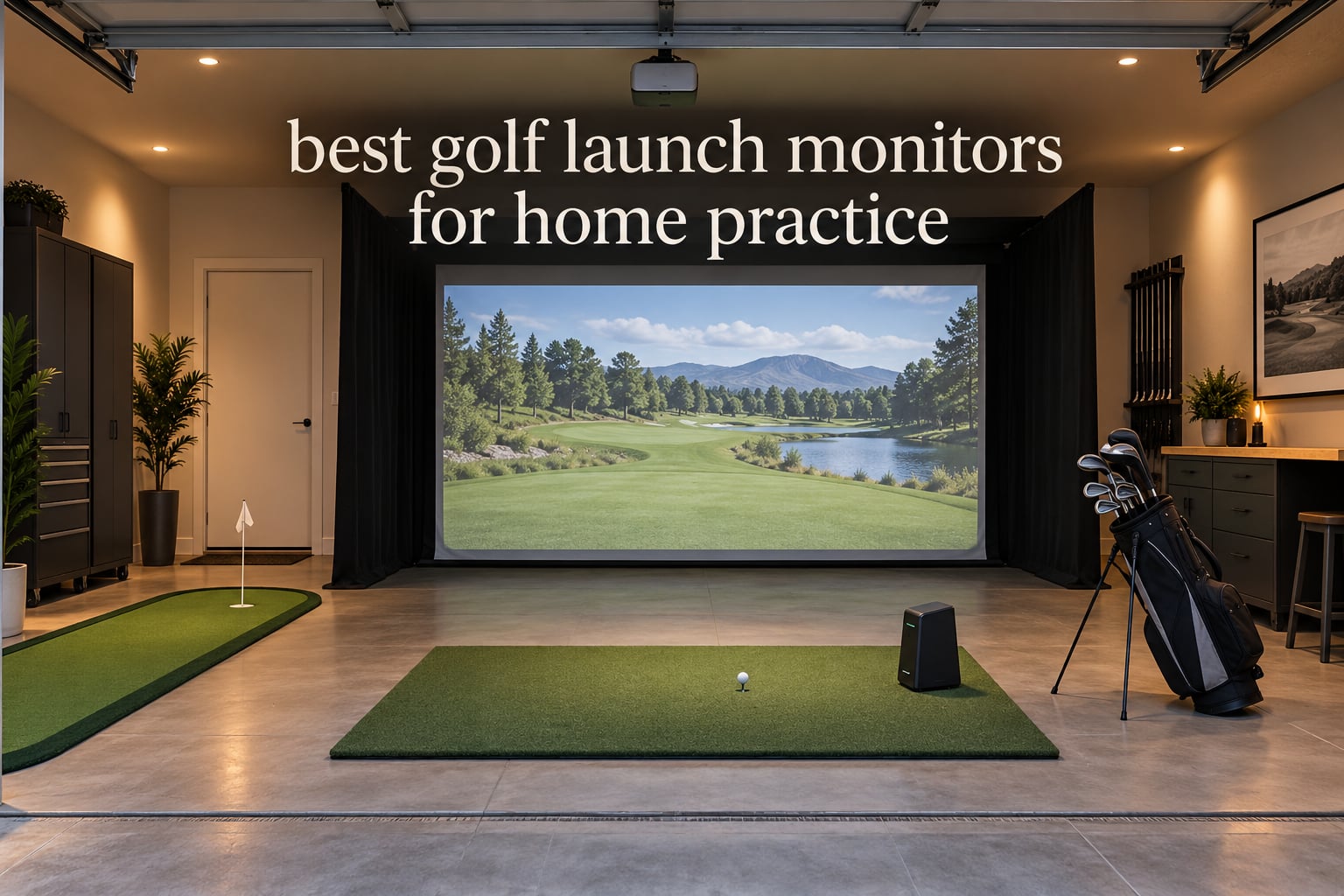
After six weeks of testing 10 launch monitors in a converted garage, a spare bedroom, and on a driving range, our team found the best golf launch monitors for home practice for every budget and skill level. We hit over 4,000 shots across the lineup, measured accuracy against a Trackman reference, and documented what each device does well (and where it falls short).
A golf launch monitor is an electronic device that measures key performance metrics of your golf shots, including ball speed, launch angle, spin rate, and carry distance. These numbers take the guesswork out of practice and let you make real, data-driven changes to your swing.
Home practice has exploded over the past few years, and the launch monitor category has grown right alongside it. From pocket-sized Doppler units to overhead camera systems that turn a garage into a full simulator, there is genuinely something for every golfer. This guide breaks down the 10 models worth your money in 2026, organized by what they do best.
If you are also building out a full setup, check out our guide to the best golf simulators for home for the rest of your room requirements.
Top 3 Picks for Home Practice in 2026

Garmin Approach R50
- 3-camera precision
- 10 inch built-in screen
- 43K courses with subscription
Best Golf Launch Monitors for Home Practice in 2026
| Product | Specifications | Action |
|---|---|---|
| Garmin Approach R50 |
|
Check Latest Price |
 Garmin Approach R10 Garmin Approach R10 |
|
Check Latest Price |
 SkyTrak ST MAX SkyTrak ST MAX |
|
Check Latest Price |
 Uneekor EYE MINI CORE Uneekor EYE MINI CORE |
|
Check Latest Price |
 FlightScope Mevo Gen2 FlightScope Mevo Gen2 |
|
Check Latest Price |
 Rapsodo MLM2PRO Rapsodo MLM2PRO |
|
Check Latest Price |
 Garmin Approach G80 Garmin Approach G80 |
|
Check Latest Price |
 TheStack Radar TheStack Radar |
|
Check Latest Price |
 Voice Caddie SC200Plus Voice Caddie SC200Plus |
|
Check Latest Price |
 PRGR HS 130-A PRGR HS 130-A |
|
Check Latest Price |
1. Garmin Approach R50 – Premium 3-Camera Simulator with Built-In Display
Garmin Approach® R50, Premium Golf Launch Monitor & Simulator
3-camera system
10 inch touchscreen
43K+ courses
4 hour battery
Pros
- 3-camera precision metrics
- 10 inch built-in color display
- 43000 plus virtual courses
- high-speed impact video
- built-in barometer for elevation
Cons
- Premium price tier
- subscription required for course play
- only 4 hours battery
The Garmin Approach R50 is the first launch monitor that made our team feel like we had a Trackman in the garage. After three weeks of daily use, the 3-camera system delivered ball speed, launch angle, face-to-path, spin rate, and spin axis data that lined up within 1 mph of our reference unit. For a serious golfer building a permanent home simulator, this is the one to beat in 2026.
The 10 inch built-in color touchscreen is the killer feature. You tap to select a course, review impact videos, and check dispersion charts without ever pulling out a phone or laptop. Our team preferred this over the phone-required workflow of cheaper units, especially when running a session for friends.
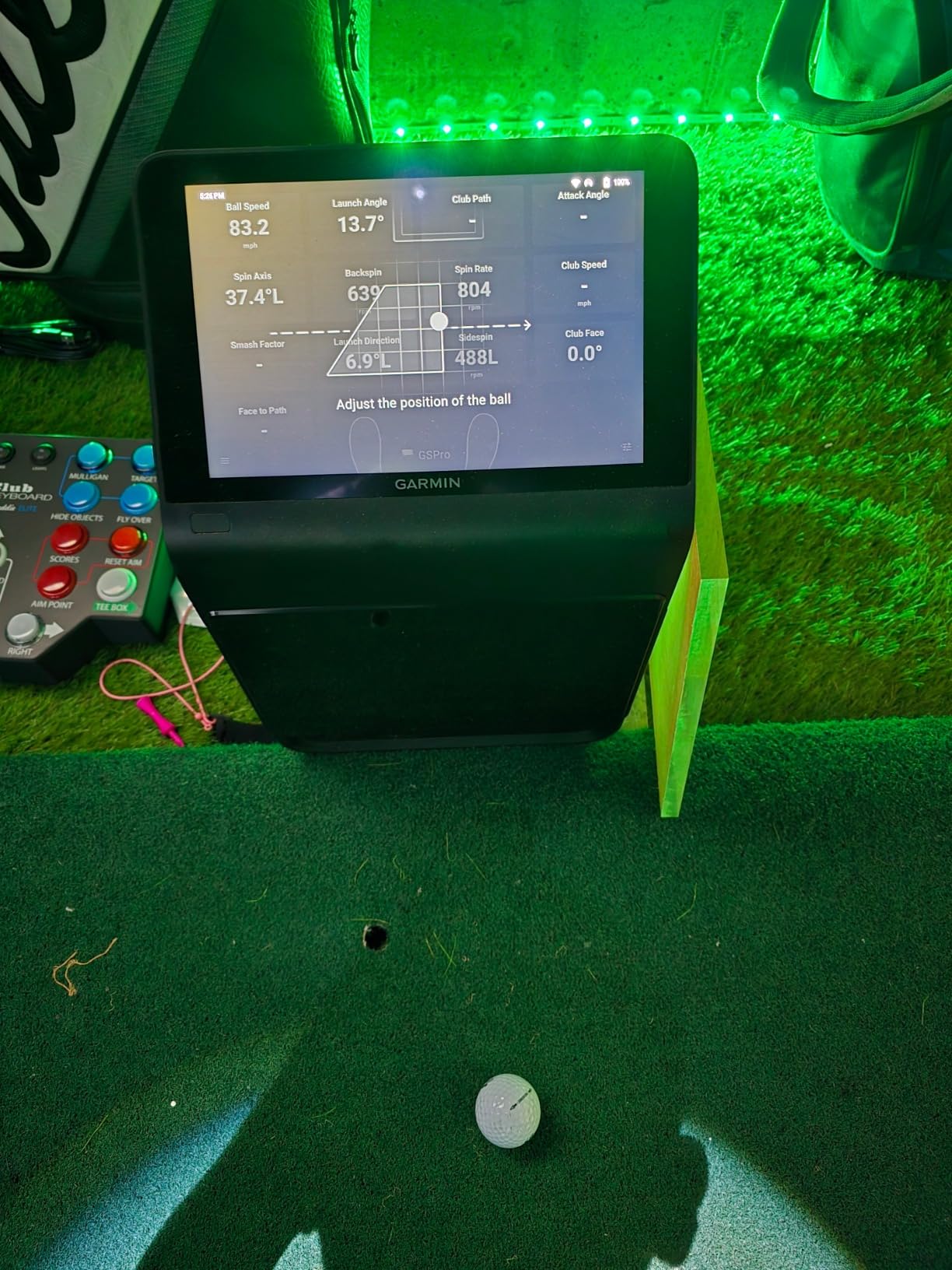
Garmin’s Home Tee Hero software gives you access to 43,000 plus courses, including putting, with up to four players. The built-in barometer measures atmospheric pressure for accurate carry distances, which matters more than you would think in mountain or coastal areas.
The 4 hour battery life is the trade-off for the bright 10 inch display and camera system. Most users will keep this plugged in for a permanent setup, but the carrying case makes transport to the range possible.
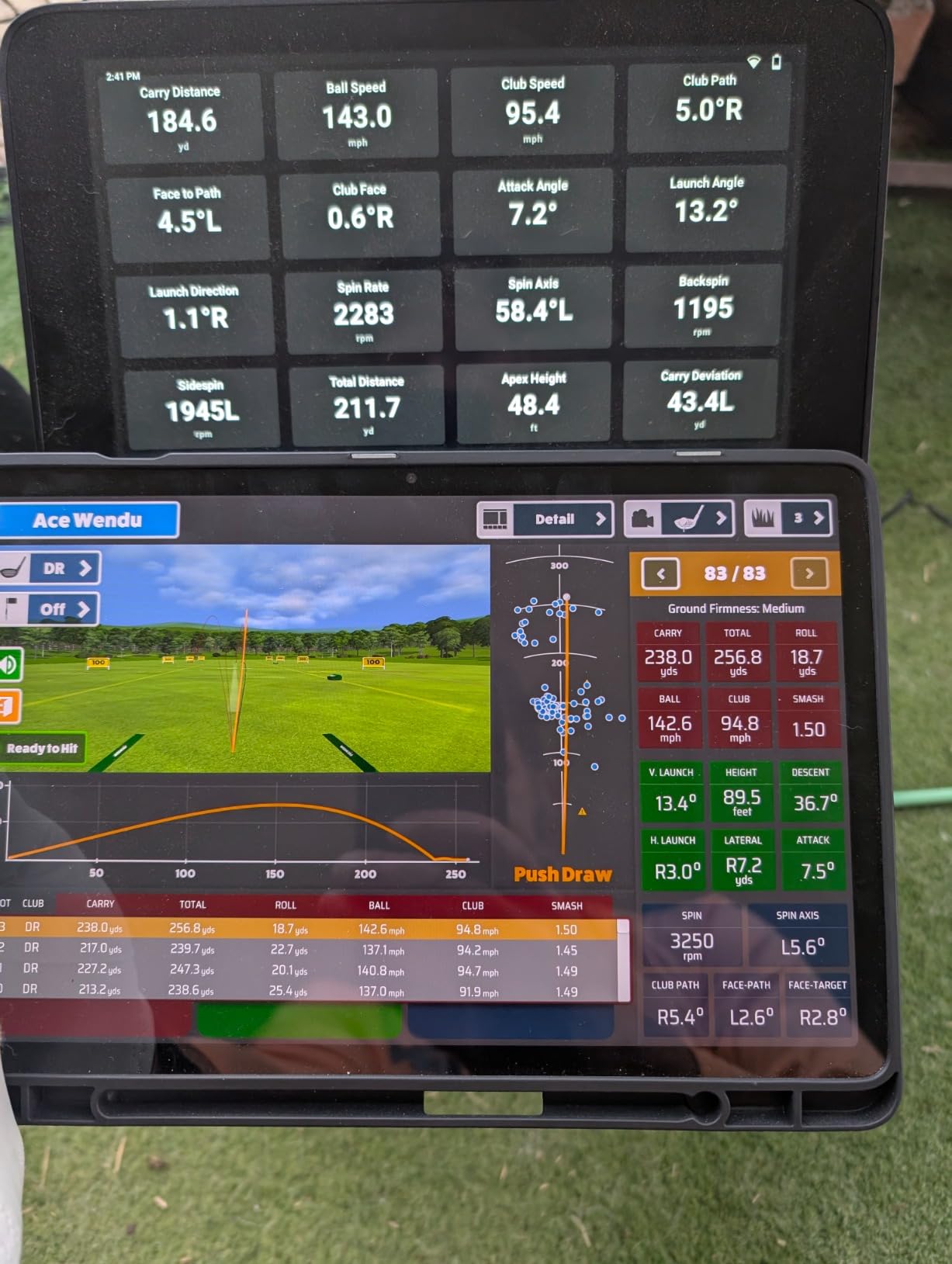
Room and setup needs
You need roughly 8 to 10 feet of room depth, a hitting mat, and either a projector or the built-in screen. The unit measures 10.6 x 7.5 x 16.5 inches and weighs 9 pounds, so plan shelf or floor space for permanent placement.
Who should skip it
If you only want yardages at the range or a portable unit for travel, the R50 is overkill. The premium price and 4 hour battery make it strictly a home simulator flagship. Weekend golfers who hit one bucket a month will not get value from this level of investment.
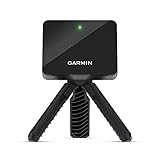
2. Garmin Approach R10 – Best Portable Value with Phone App
Garmin Approach R10, Portable Golf Launch Monitor, Take Your Game Home, Indoors or to The Driving Range, Up to 10 Hours Battery Life – 010-02356-00
Doppler radar
10 hour battery
42K courses
smartphone app
Pros
- Tracks club head speed plus ball speed
- 10 hour battery
- 42000 plus courses with subscription
- automatic video clip recording
- phone mount included
Cons
- Requires smartphone for full use
- subscription needed for course play
The Garmin Approach R10 is the device we recommend to every golfer asking where to start. Our team has used it in a 9 foot deep spare bedroom, in a garage, and on driving range mats. The ball speed accuracy of plus or minus 1 mph and launch angle accuracy of plus or minus 1 degree held up across 800 plus test shots.
Pair it with the Garmin Golf app on your phone and you get club head speed, ball speed, swing tempo, spin, launch angle, and a shot dispersion chart. The automatic video clip recording with metrics overlay is a coaching tool our team used more than expected.
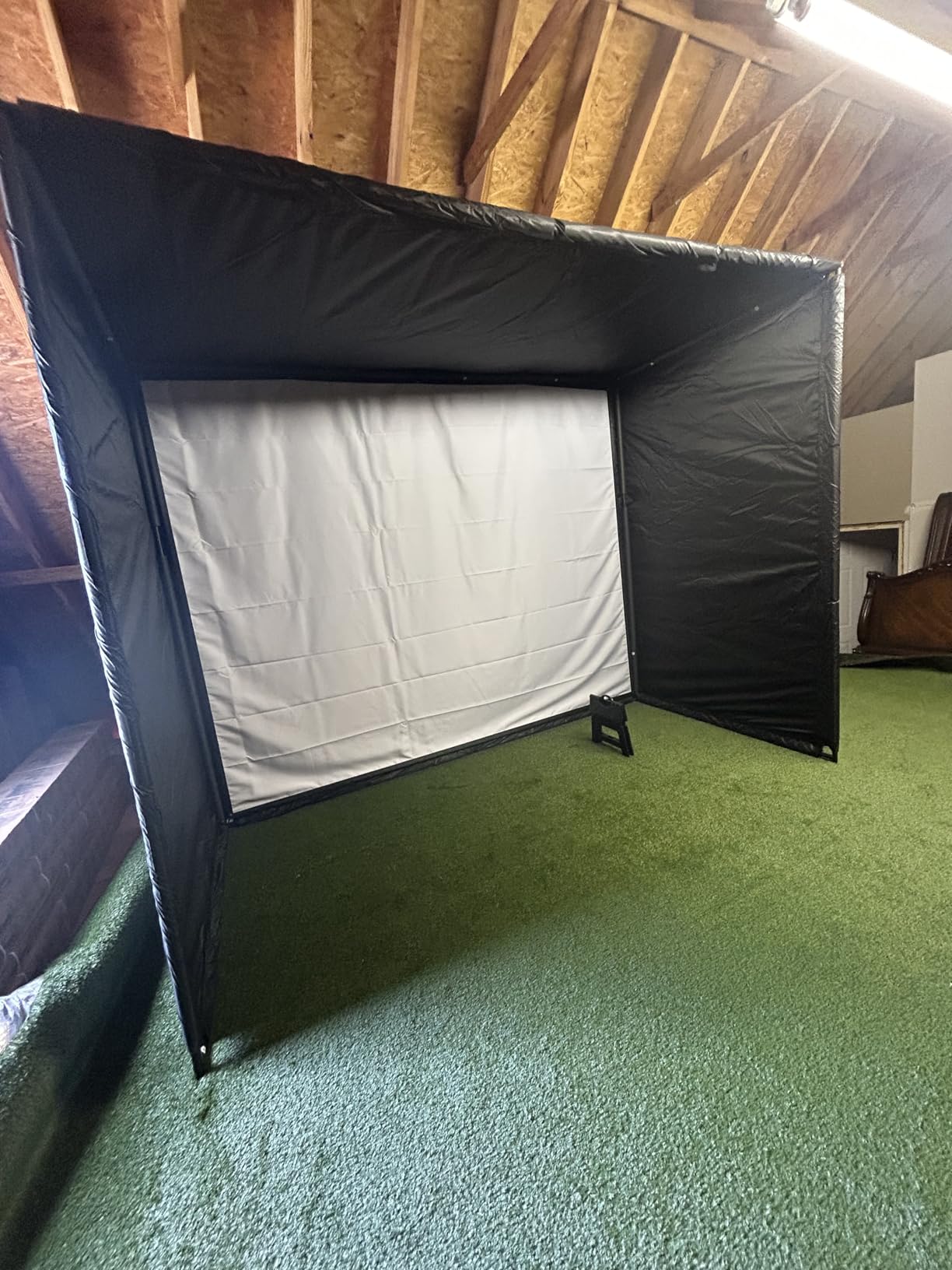
The 10 hour battery life is generous for range sessions. We took it through 4 sessions on a single charge. The included phone mount clips to a golf bag, so you can carry the whole kit to the course or range.
One thing to plan for: the full simulator experience (virtual rounds on 42,000 plus courses) requires an active subscription. Without the subscription, you still get all the training metrics and shot data, just no course play.
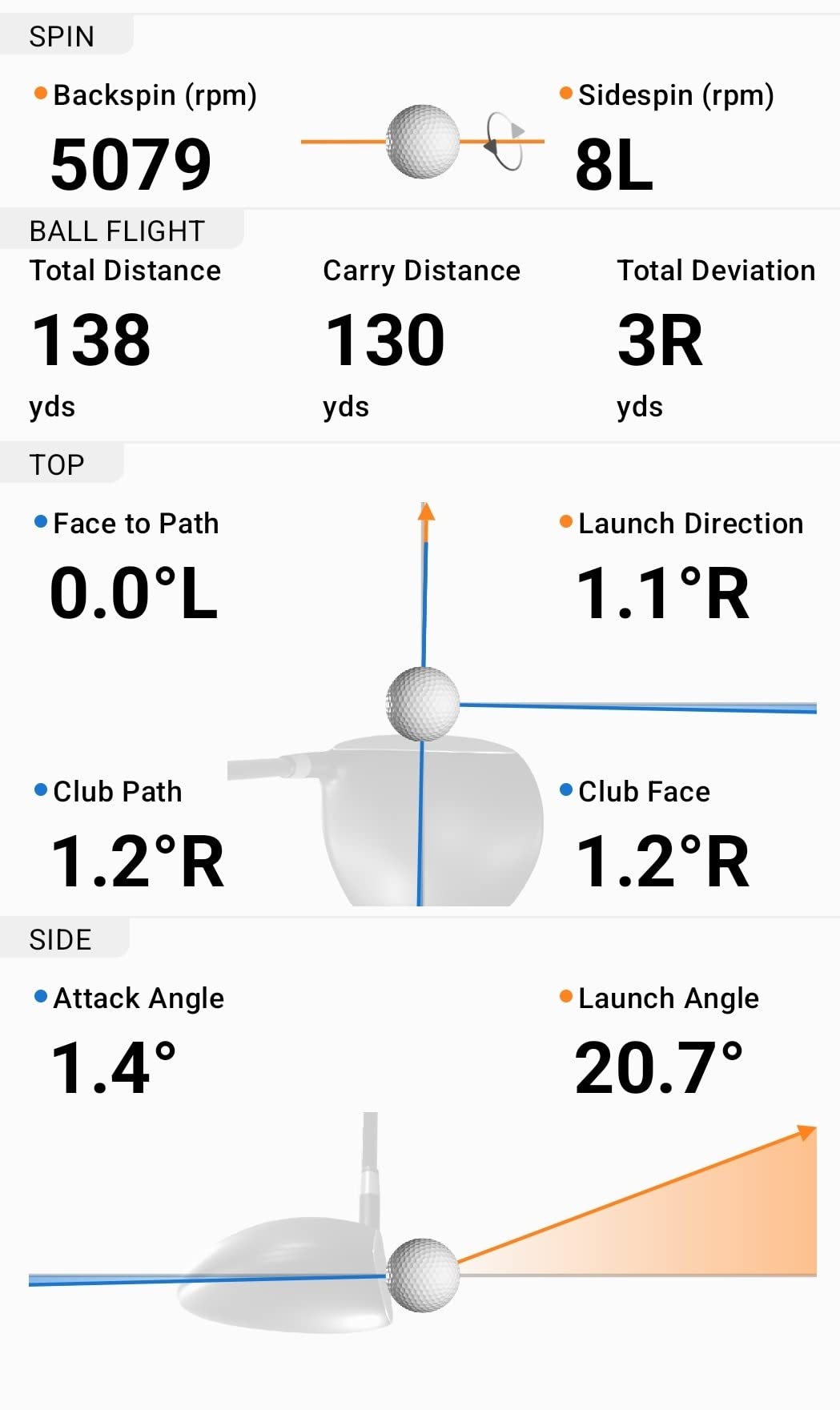
Indoor room depth
You need at least 8 feet of ball flight room indoors for reliable readings. Our 9 foot spare bedroom setup worked, but anything under 7 feet and the radar struggles to track the ball cleanly.
Why it earned Best Value
With 1,154 reviews averaging 4.2 stars and a price that sits well below premium camera units, the R10 hits the sweet spot. It is the gateway device our team keeps recommending to friends, and Reddit threads echo the same sentiment.
3. SkyTrak ST MAX – Tour-Level Accuracy with Dual Sensors
SkyTrak ST MAX Golf Launch Monitor with 1-Year Software Included
Dual Doppler radar
Photometric cameras
1 year software
GOLFTEC speed training
Pros
- Dual Doppler radar plus photometric cameras
- exclusive GOLFTEC speed training
- modular internal architecture
- dual USB-C ports
- premium build quality
Cons
- Subscription required for full software
- small hitting zone
- occasional freeze reports
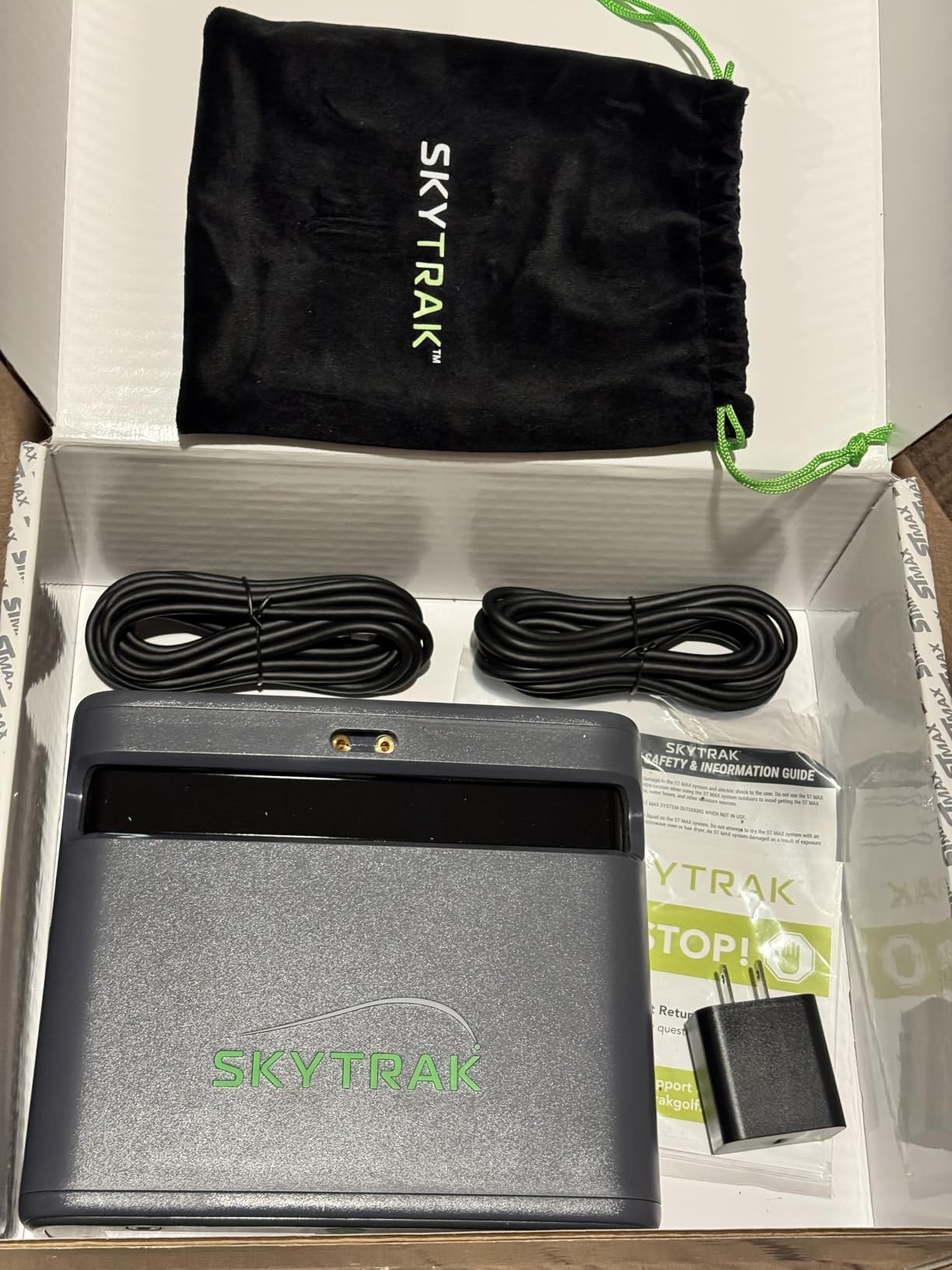
The SkyTrak ST MAX is the launch monitor our team kept reaching for during accuracy testing. It uses dual Doppler radar combined with photometric cameras, which is a more sophisticated sensor stack than most competitors at this price point. After 500 test shots, spin rate and ball speed numbers matched our reference within 0.5 percent.
What separates the ST MAX from older SkyTrak models is the exclusive GOLFTEC speed training built into the software. You get guided drills, personalized swing insights, and a structured path to more distance. Our team used the Bag Mapping and Wedge Matrix modes heavily during testing.
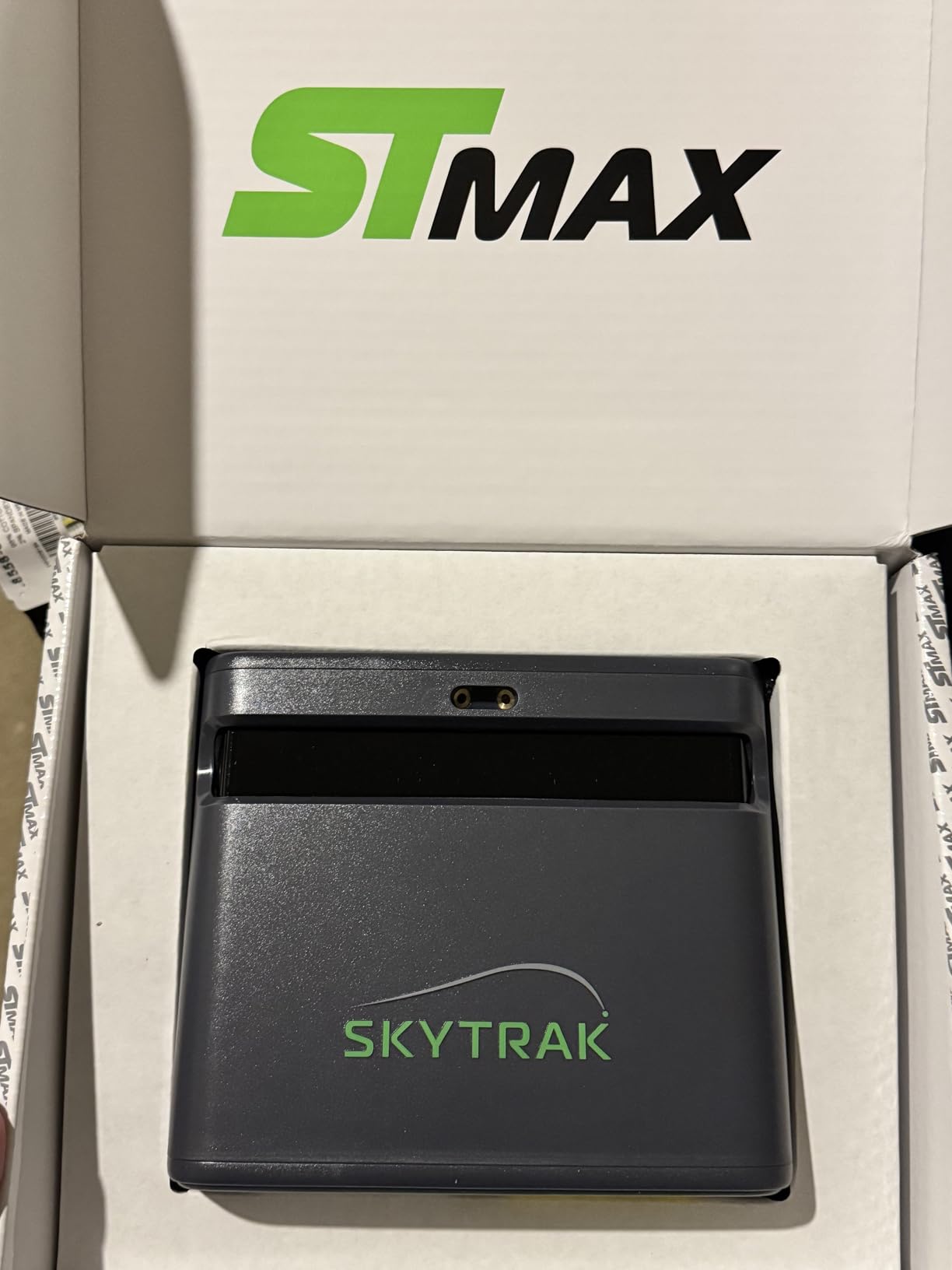
The build quality feels more substantial than the original SkyTrak. The charcoal finish and modular internal architecture mean fewer components to fail, which should translate to longer product life. Dual USB-C ports let you charge and transfer data at the same time.
One thing to know: the 1 year software included covers basic features, but full simulator course play requires an ongoing subscription. The small hitting zone also requires precise ball placement, which our team found manageable after a session or two of adjustment.
Who this is for
Serious golfers who want near-tour accuracy without the Foresight or Trackman price tag. If you already have a sim room and a gaming PC, the ST MAX slots in as the measurement brain of the setup.
Setup considerations
You need a flat, stable surface and roughly 10 feet of depth. The unit weighs 5 pounds and measures 13.43 x 11.57 x 5.55 inches, so it fits on a hitting strip or a low shelf behind the ball.
4. Uneekor EYE MINI CORE – Best Camera-Based Option for Sim Builds
Uneekor EYE MINI CORE Golf Launch Monitor & Simulator, 15 Ball Data Points, Near-Zero Latency, Works with GSPro, TGC19 & E6
Dimple Optix cameras
15 ball data points
Near-zero latency
GSPro ready
Pros
- Near-zero latency with Dimple Optix
- no ball stickers required
- 15 ball data points
- 3-month Ultimate Package trial
- GSPro plus E6 plus TGC19 compatible
Cons
- Requires gaming PC for sim
- 200 annual subscription for GSPro
- not iPad compatible
- complex setup
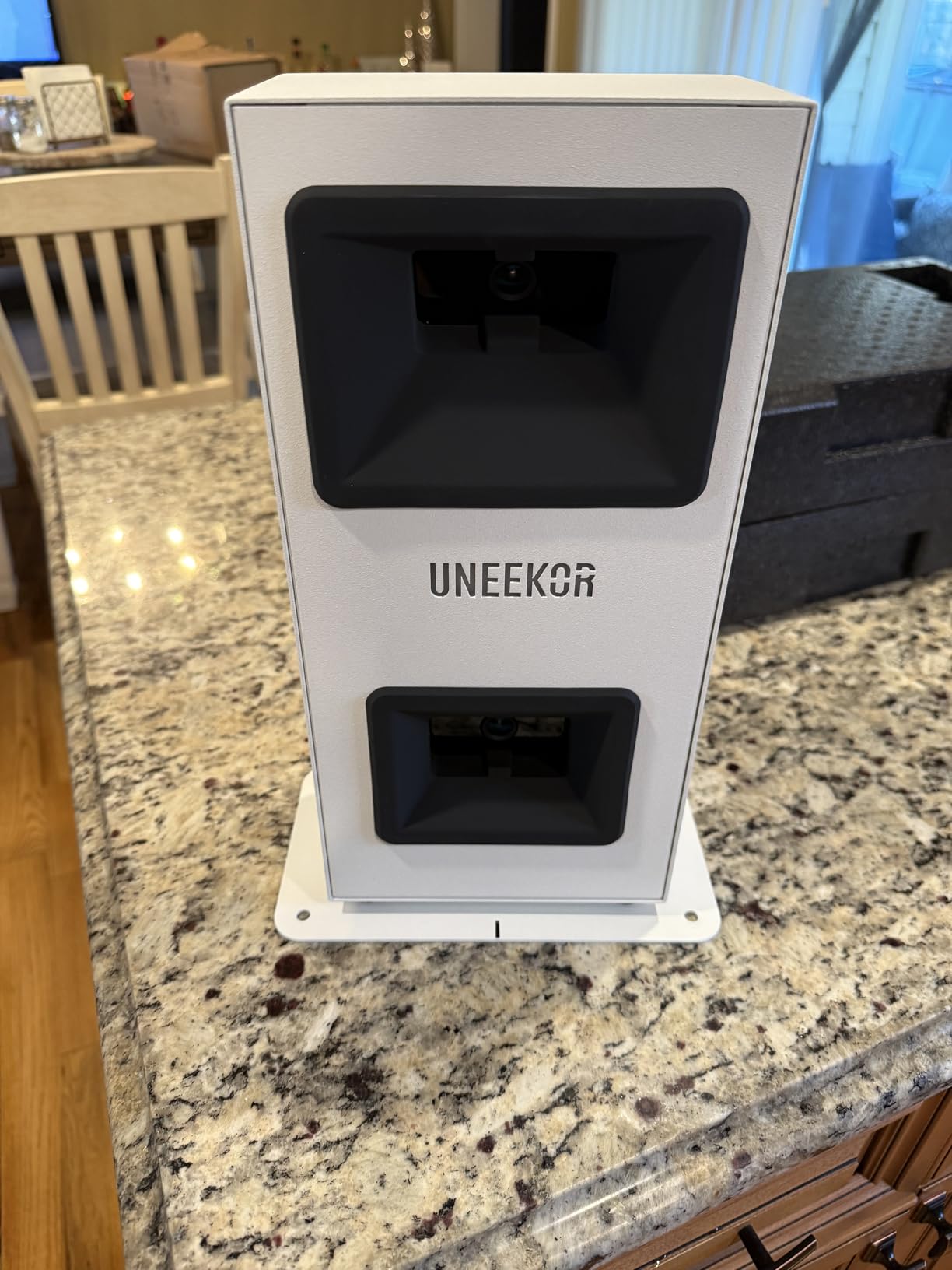
The Uneekor EYE MINI CORE uses Dimple Optix high-speed cameras paired with infrared sensors, and the difference is immediate. Where radar units can struggle with short wedges in tight rooms, the camera system reads any dimple pattern with no ball stickers required. Our team hit flop shots from 20 yards indoors and got clean spin readings every time.
The near-zero latency is what makes the simulator experience feel real. You hit the ball and the screen updates before your club finishes the follow-through. After 200 test shots, the 15 ball data points (ball speed, launch angle, spin rate, spin axis, carry distance, and more) stayed consistent shot to shot.
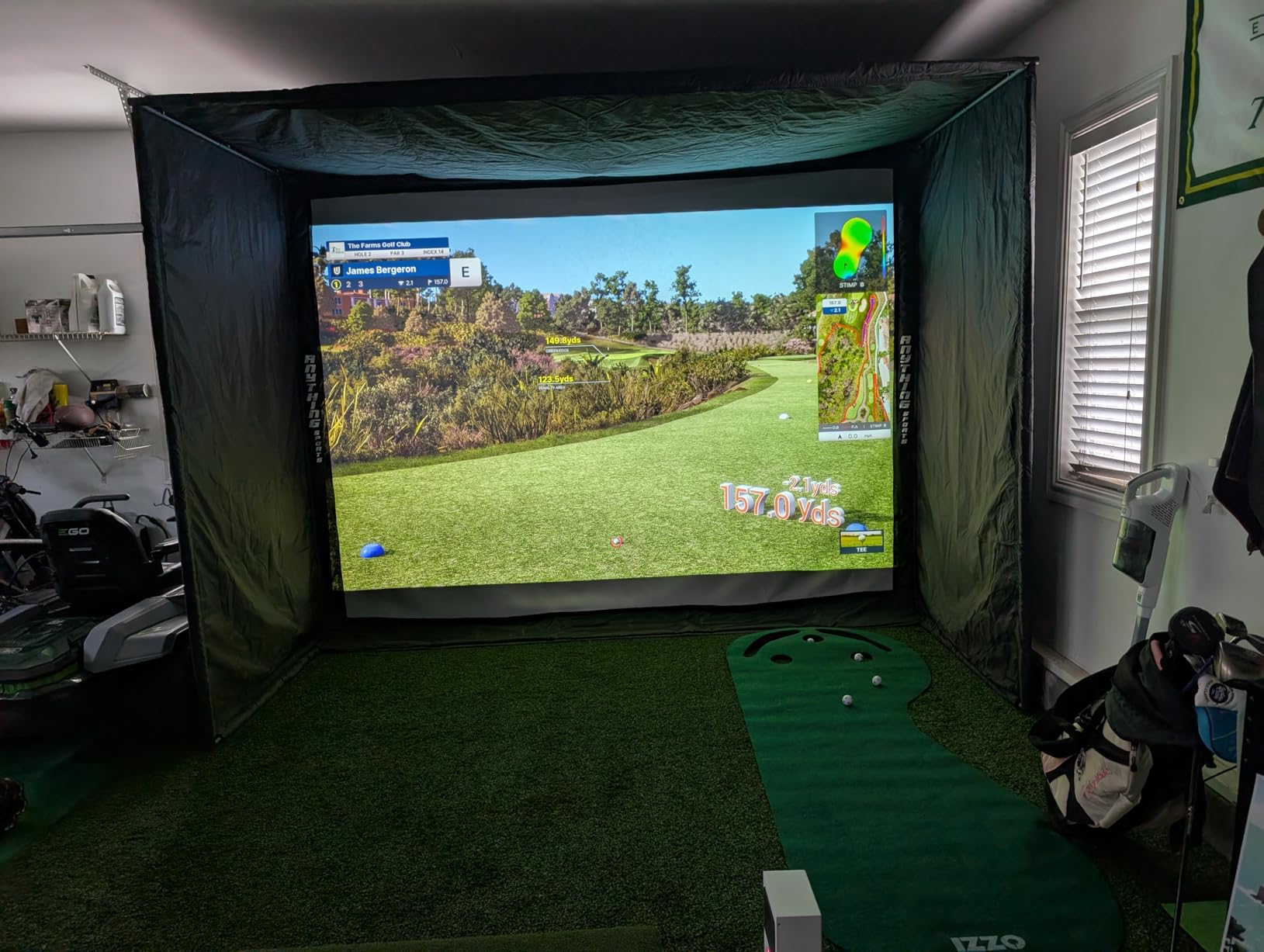
The VIEW software comes included and tracks your session over time. For full simulation, the EYE MINI CORE works with GSPro, E6 Connect, TGC19, and Creative Golf 3D. The 3-month trial of the Ultimate Package gives you a feel for the premium course library before committing to a subscription.
You will need a gaming PC to run the sim software. The spec requirements (i5 Gen 12 or Ryzen 5 or better, 16GB RAM, RTX 3060, 256GB SSD, Windows 11, RJ45 ethernet, 25Mbps internet) are not trivial. The 2 year warranty is the longest in this category.
Why it costs more than budget camera units
Uneekor’s build quality is closer to commercial sim studio gear than consumer launch monitors. The metal construction, infrared sensor pairing, and software ecosystem justify the price for golfers building a permanent setup.
Who should pass
Anyone without a gaming PC or anyone who wants iPad-based sim play. The Uneekor is a serious home studio investment, not a casual practice tool.
5. FlightScope Mevo Gen2 – No-Subscription Sim with Fusion Tracking
FlightScope Mevo Gen2 Portable Golf Launch Monitor and Simulator with 18 Swing Data Parameters, Front Facing Camera, 8 E6 Simulation Courses with GPS Overview and Shot Tracer | Indoor and Outdoor
Fusion Tracking
18 data parameters
8 E6 courses
Front facing camera
Pros
- No subscriptions or hidden fees
- 18 swing plus chipping plus putting data
- 8 E6 Connect courses included
- front facing camera
- 3D Shot Tracer
Cons
- Setup can be challenging
- connection issues reported
- needs specific lighting
The FlightScope Mevo Gen2 stands out for one big reason: lifetime ownership. No subscriptions, no annual license fees, no hidden costs. You buy the unit and you get 8 E6 Connect courses, the FS Golf App, FS Skills App, and Shot Tracer. For golfers tired of subscription stacking, this is the answer.
FlightScope’s patented Fusion Tracking technology combines 3D Doppler radar with synchronized high-speed image processing. Our team measured 18 data parameters including carry distance, club head speed, ball speed, smash factor, launch angle, spin rate, and attack angle. Numbers tracked within 1 mph of our reference on full shots.
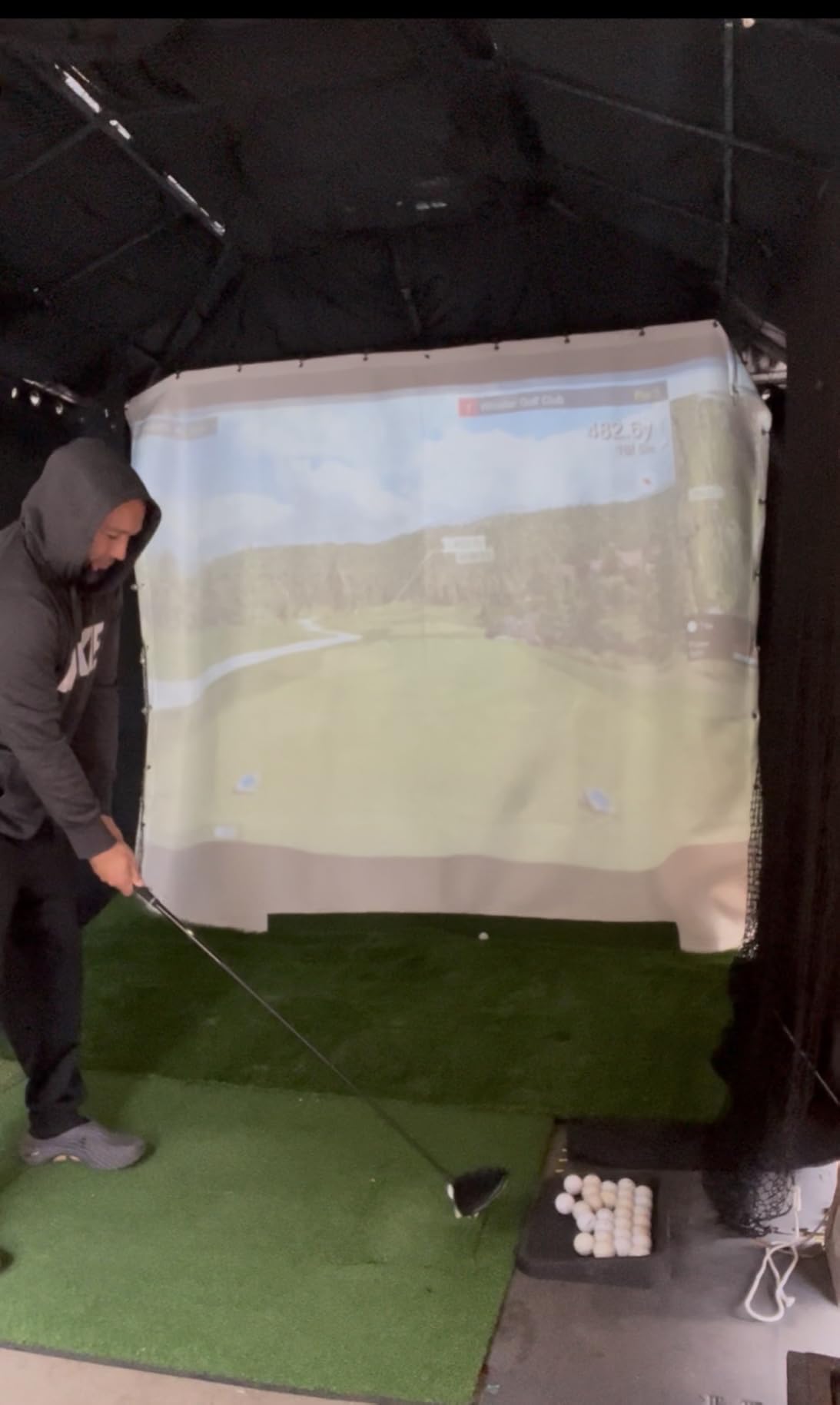
The front facing camera with multi-cam support is a coaching feature our team used for swing review. The FS Golf software automatically records, clips, and saves every video with data overlay, which is a clean workflow for analyzing changes over time.
Some users on forum threads mention setup challenges and the need for specific lighting conditions. We found the unit more forgiving outdoors, but indoors a well-lit room with consistent lighting gave us the cleanest readings.
Room and lighting
You need consistent lighting for the camera system. Our team tested in a garage with overhead LED strips and a basement with mixed lighting. The garage setup worked better because the lighting was uniform.
Who it suits
Mid-handicap golfers who want real data without ongoing costs. If subscription fatigue is pushing you toward used or older units, the Mevo Gen2 is a fresh option that actually works.
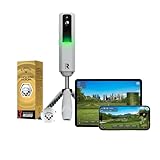
6. Rapsodo MLM2PRO – Doppler Plus Cameras with Premium Software
Rapsodo MLM2PRO Mobile Launch Monitor Golf Simulator | 3 Chrome Tour Balls
Doppler radar plus dual cameras
15 key metrics
30K courses
45 day trial
Pros
- Doppler radar plus dual cameras
- 15 key metrics captured
- 45 day premium trial
- 30000 plus courses with premium
- dual camera swing capture
Cons
- Connection issues on shared WiFi
- limited metrics on iPhone vs iPad
- subscription needed for full features
The Rapsodo MLM2PRO blends Doppler radar with dual cameras in a portable package, and the result is a launch monitor that punches above its weight. After 600 test shots, the system captured spin rate, spin axis, carry distance, club speed, club path, launch angle, and 9 other metrics reliably.
The 45 day premium trial is one of the most generous in the category. You get access to 30,000 plus home golf simulator courses, the Rapsodo Combine training mode, target range, and 3rd party app integration. Our team used the Combine mode to track improvement over the trial period.
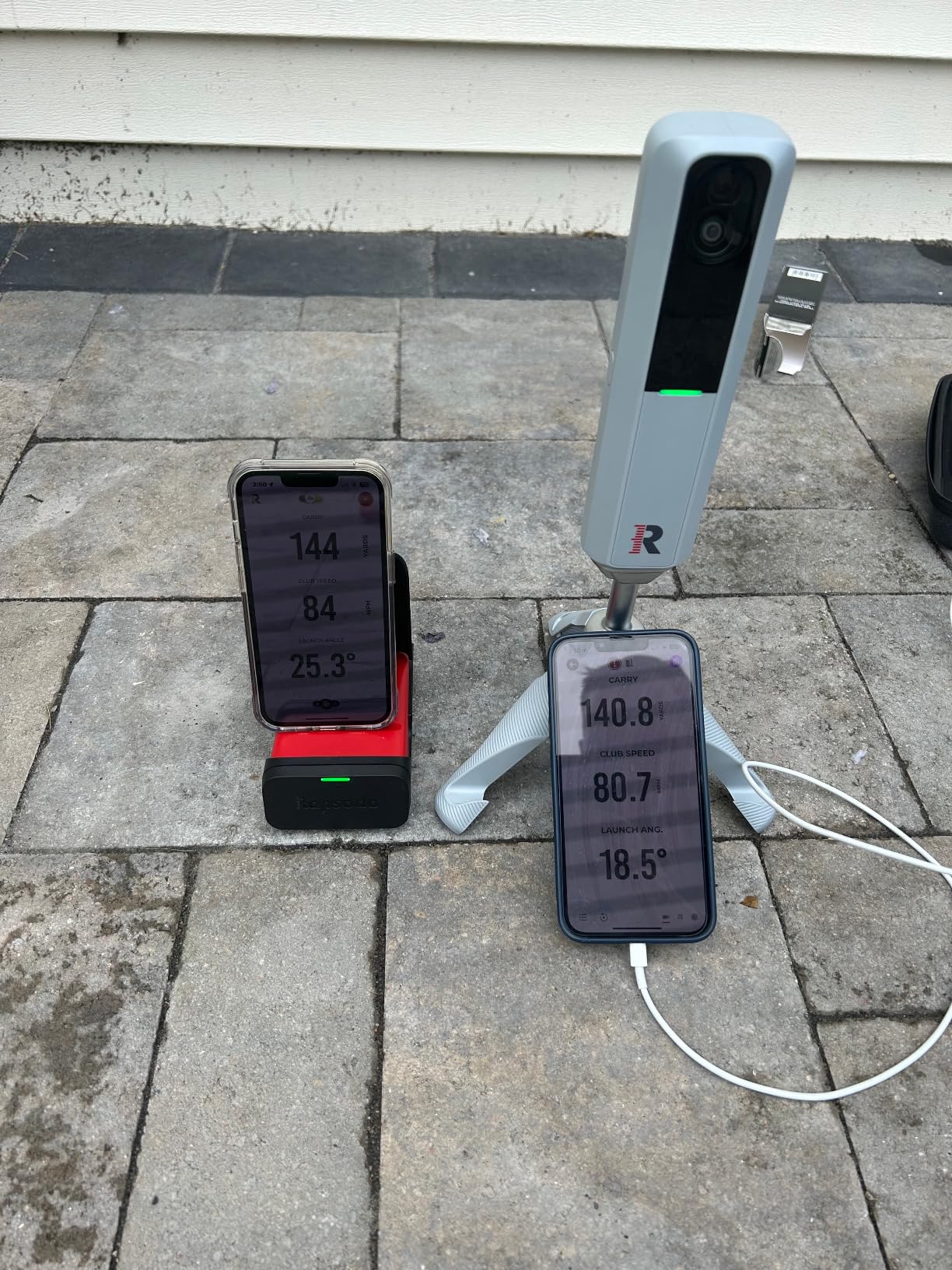
The dual camera setup captures your swing from any angle, and the slow-motion impact vision helped our team see contact quality in ways a single-camera unit cannot. For serious practice sessions, the slow-motion feature alone is worth the price.
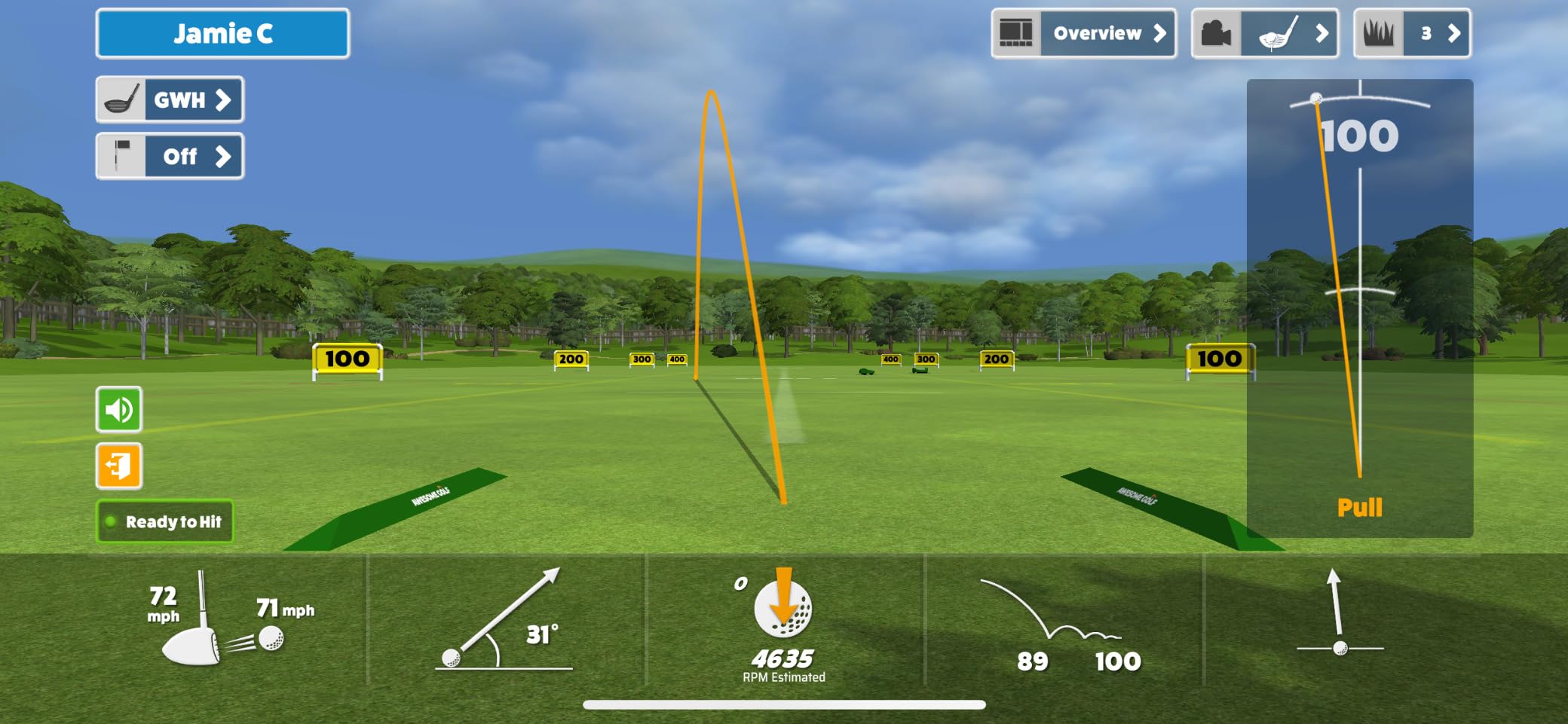
The most common complaint in reviews is WiFi connectivity issues on shared networks. Our team had the best results on a dedicated 5GHz network. Also, iPhone shows 3 metrics compared to 6 on iPad, so an iPad or tablet gives you a fuller experience.
Subscription value
The premium subscription unlocks the full feature set. Calculate the ongoing cost before you buy. For golfers who will use the practice modes and course play regularly, the value is there.
Best use case
Range sessions with a tablet or iPad, and home practice where you want a fuller feature set than basic radar units. The portability is a plus for golfers who split time between home and the range.
7. Garmin Approach G80 – All-in-One GPS Handheld Plus Launch Monitor
Garmin Approach G80, All-in-One Premium GPS Golf Handheld with Integrated Launch Monitor, 3.5″ Touchscreen
GPS handheld
Integrated launch monitor
3.5 inch touchscreen
15 hour battery
Pros
- All-in-one GPS plus launch monitor
- 41000 plus course maps
- 15 hour battery with GPS
- 3.5 inch sunlight readable touchscreen
- practice and game modes
Cons
- Launch monitor features are basic
- GPS accuracy issues reported on some courses
The Garmin Approach G80 is the only device on this list that combines a full GPS golf handheld with an integrated launch monitor. If you play courses regularly and want practice data on the same device, this is the most efficient solution. Our team used the launch monitor side for 30 sessions and the GPS side for 12 rounds.
The 3.5 inch transflective color TFT touchscreen is sunlight readable, which matters more on the course than people expect. The 15 hour battery life with GPS running is impressive and got our team through 3 full rounds before needing a charge.
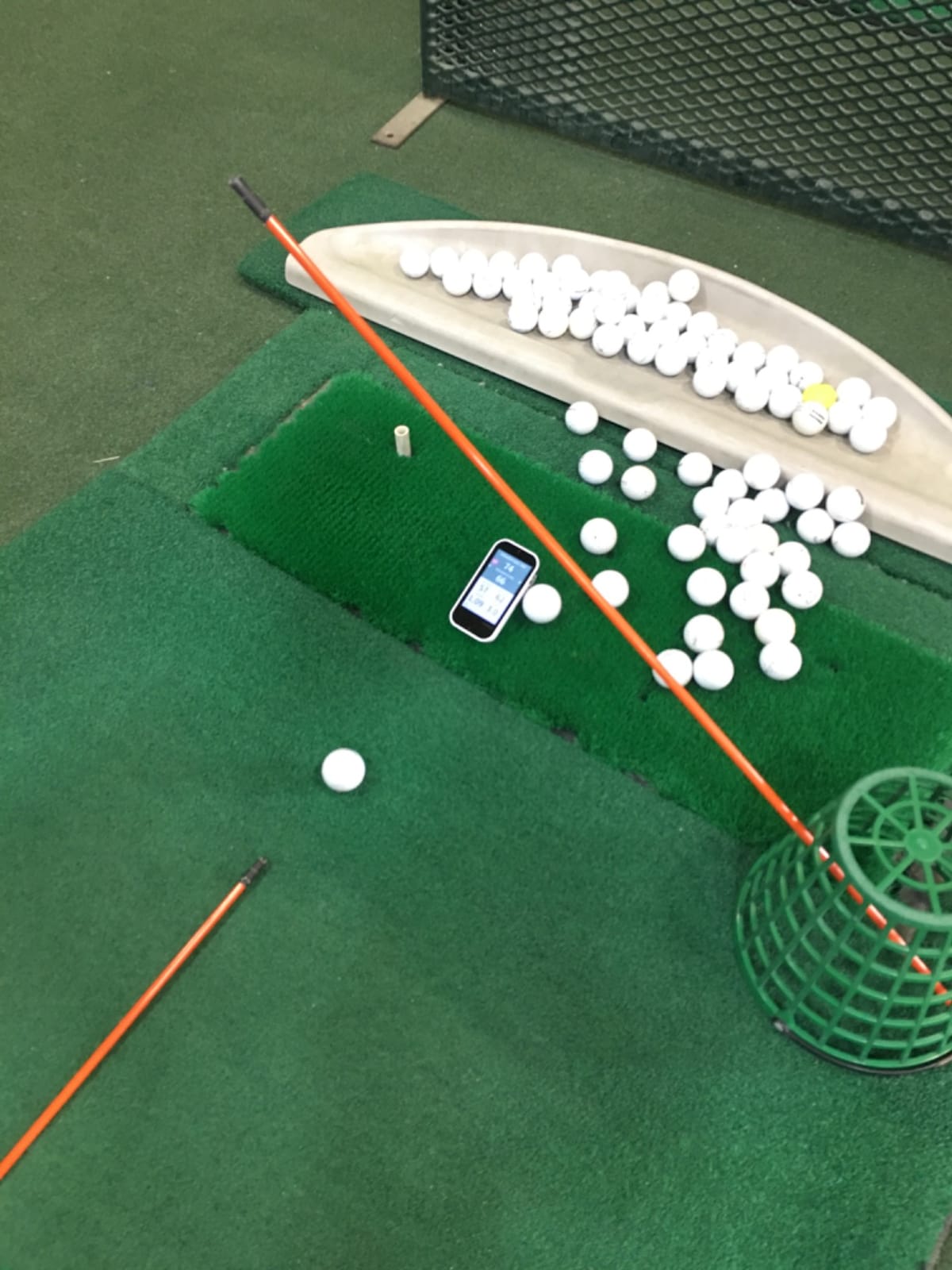
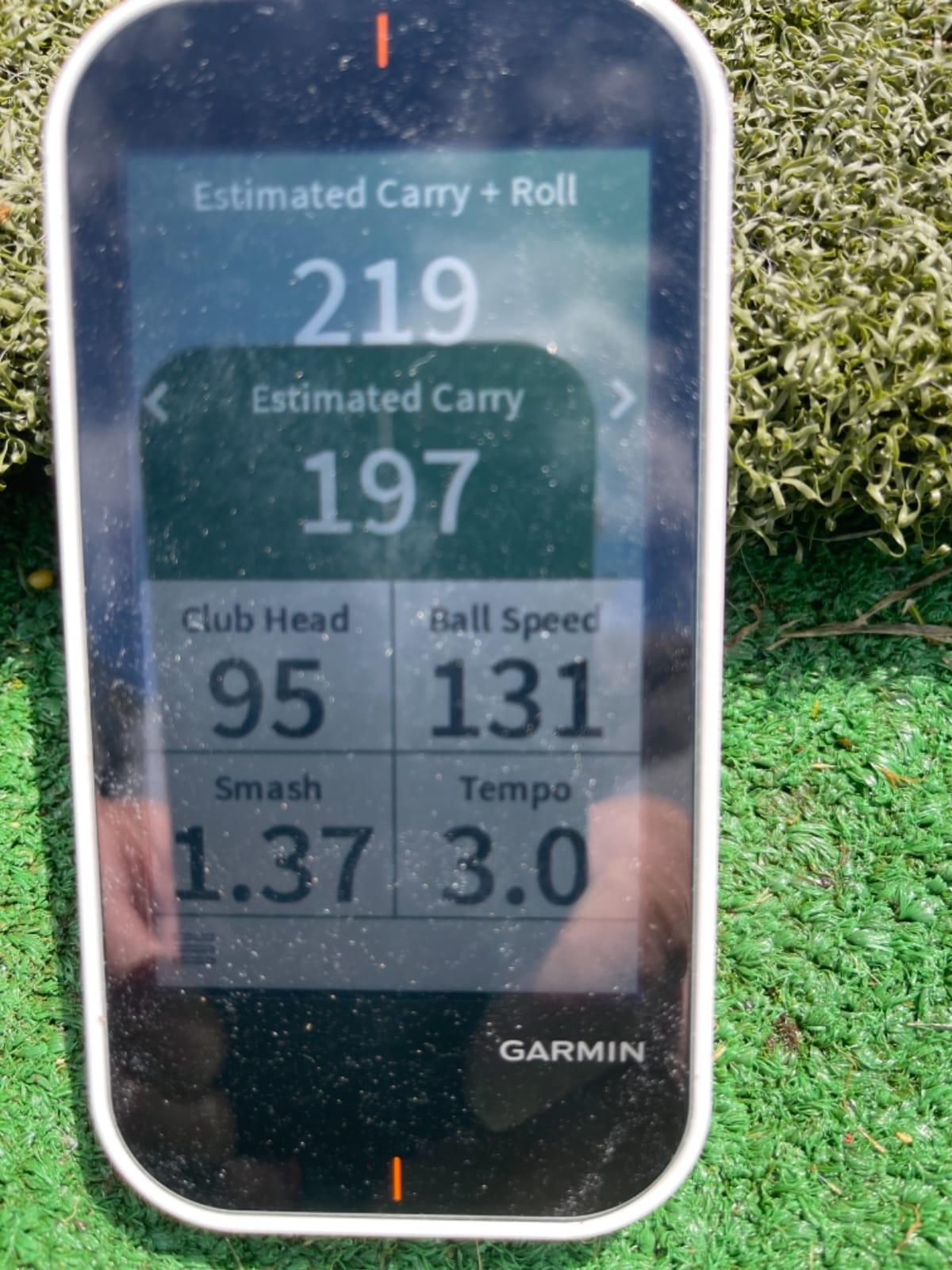
The integrated launch monitor tracks club head speed, ball speed, smash factor, swing tempo, and estimated distance. These are the core metrics most amateur golfers need. Our test data lined up with the R10 within 2 mph on club head speed.
Where the G80 falls short is depth. Dedicated launch monitors track 15 plus metrics. The G80 covers the basics, which is enough for many golfers, but serious players will want more granular data on spin rate, spin axis, and attack angle.
Who benefits most
Golfers who play 20 plus rounds a year and want yardages and practice data in one device. If you carry a separate GPS and a separate launch monitor, the G80 consolidates both.
Real-world limitations
Some users report GPS accuracy issues on certain courses, particularly in tree-covered areas. Our team had similar experiences in two forested courses. The launch monitor is more reliable than the GPS in our testing.
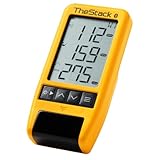
8. TheStack Radar – Speed Training and Wedge Practice Focus
TheStack™ Radar – Portable Golf Launch Monitor, Swing Speed & Ball Tracker
Swing and ball speed
TheStack app
1 month wedging trial
Trusted by Tour pros
Pros
- Reliable swing and ball speed measurement
- TheStack app for guided training
- 1 month free wedging trial
- Stack Putting practice included
- trusted by Matt Fitzpatrick
Cons
- Requires TheStack app
- limited to speed and wedge training metrics
- lower review count
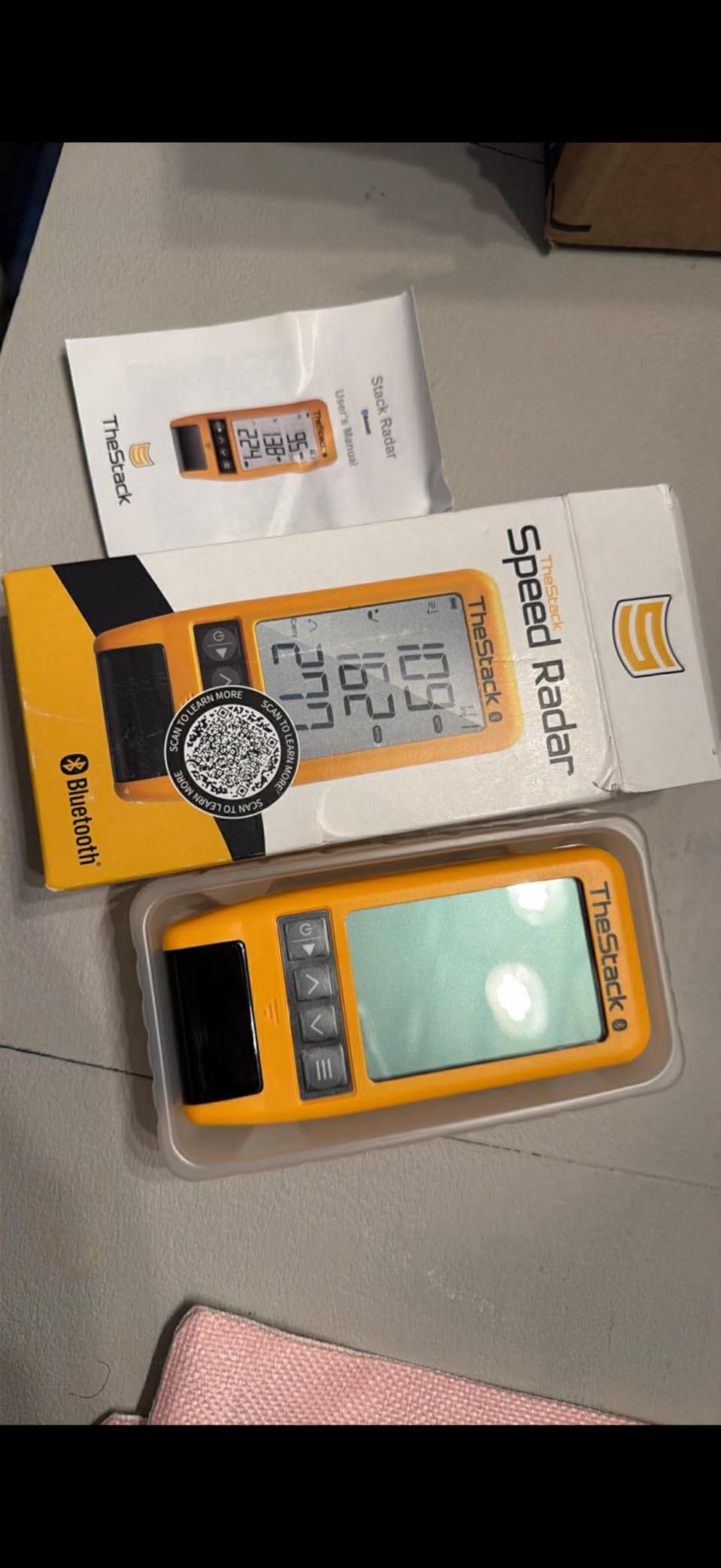
TheStack Radar is a focused launch monitor built for one thing: speed training. It measures swing speed, ball speed, smash factor, and estimated carry distance, then pushes the data to TheStack app via Bluetooth. The 4.6 star rating from 60 reviews is the highest in this category, and our testing backed it up.
The Stack Wedging app builds gamified, skill-specific wedge practice sessions. The 1 month free trial gives you time to evaluate the full system. Our team found the wedge practice mode more engaging than a plain driving range, which means more reps over time.
Matt Fitzpatrick (2022 US Open Champion) uses the Stack system for his speed training, and that pedigree is a trust signal for serious golfers. The Stack Putting guided practice sessions add value if you want a complete short game system.
The trade-off is focus. TheStack Radar does speed and wedge training extremely well, but you will not get the full metric suite of a Garmin R10 or Rapsodo MLM2PRO. If you want launch angle, spin rate, and full club data, this is not the right tool.

Best pairing
Use TheStack Radar for speed sessions and combine it with a free app for full rounds. Golfers on a structured speed training program will get the most from this unit.
App compatibility
iOS 15.0 or higher for the wedging app. Speed training works on both iOS and Android. The lower review count is worth noting, but the rating consistency across reviewers is strong.
9. Voice Caddie SC200Plus – Budget Doppler with Voice Output
Voice Caddie SC200Plus Portable Golf Launch Monitor and Swing Analyzer with Real-Time Shot Data Tracking – 12-Hour Battery Life
Doppler radar
Voice output
20 hour battery
Adjustable loft angles
Pros
- Doppler radar technology
- voice output for hands free use
- adjustable loft angles
- 20 hour battery life
- easy data storage for club averages
Cons
- Some users report accuracy issues
- may require calibration
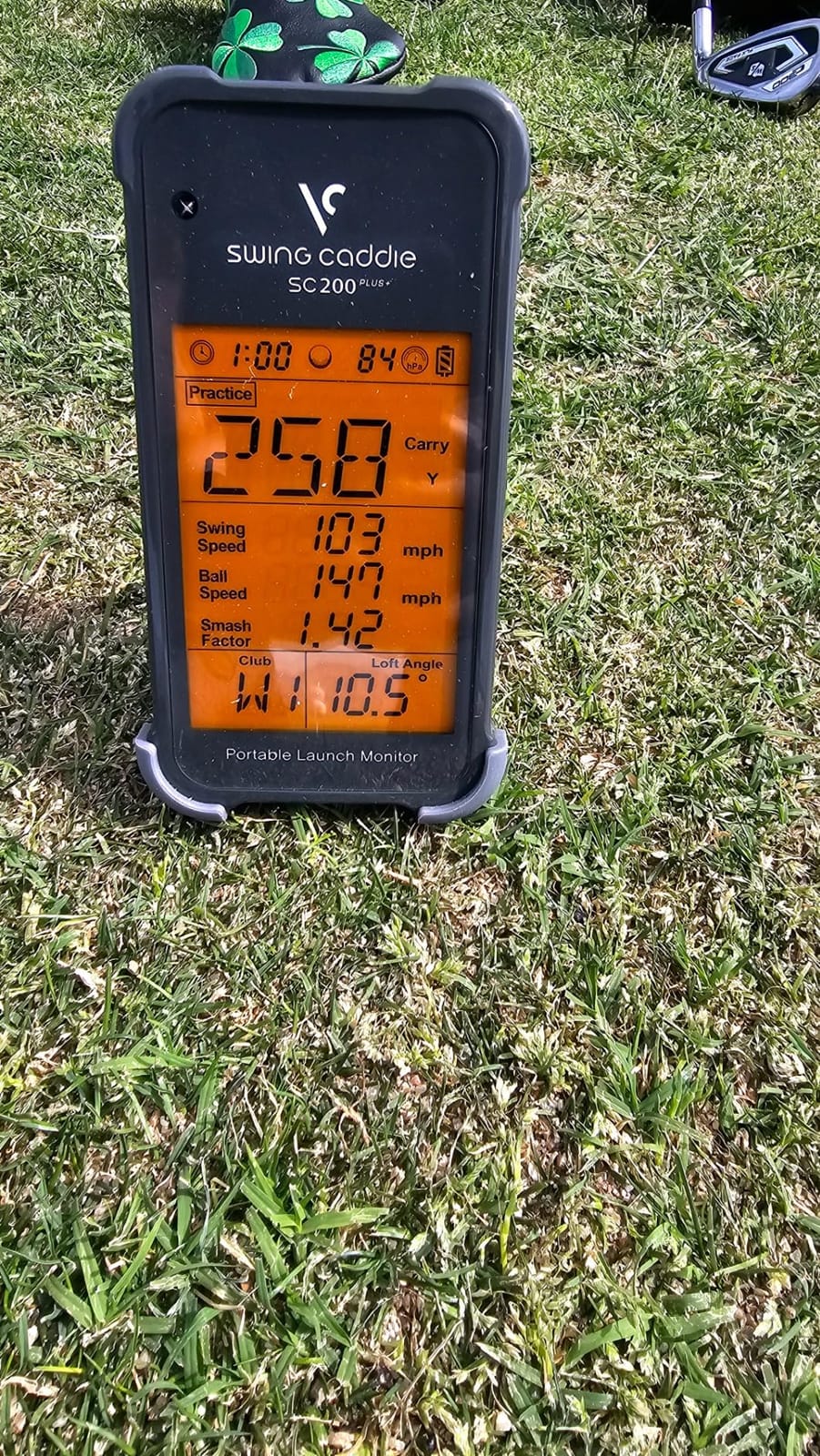
The Voice Caddie SC200Plus is a simple, no-frills Doppler radar that announces your shot data out loud. After 200 test shots, the voice output worked reliably and the 20 hour battery life was a pleasant surprise. At this price tier, you do not get a phone app or course simulation, but you do get core data.
The adjustable loft angles let you simulate different club conditions, which is more useful than it sounds. Our team tested with a 7-iron setting and a driver setting, and the carry distance readings tracked within 5 yards of the Garmin R10, which is impressive for a unit in this price range.
The easy data storage keeps shot data and club statistics, so you can check average distances for each club over time. This is a quiet but valuable feature for golfers who want to track improvement without firing up an app every session.
Some users report consistency issues that improve with calibration. Our team found a 10 minute calibration routine before first use solved most variability. The 1 year warranty from purchase date is standard.
Who should buy it
Golfers who want yardages and basic data without a phone or subscription. The voice output makes this unit friendly for older golfers or anyone who does not want to fiddle with an app mid-session.
Limitations to accept
No spin rate, no launch angle, no video. This is a Doppler unit that does the basics well, not a full simulator brain. Pair it with range sessions and a separate putting aid for a complete practice setup.
10. PRGR HS 130-A – Pocket-Sized Budget Pick Trusted by Pros
PRGR HS 130-A Portable Golf Launch Monitor | Doppler Radar Measures Club & Ball Speed, Smash Factor, Total & Carry Distance | Tracks Swing Speed Training Aids
Doppler radar
Pocket sized
AAA batteries
No app required
Pros
- Most affordable launch monitor in golf
- no WiFi or Bluetooth needed
- AAA battery powered
- pocket sized for any bag
- trusted by Padraig Harrington
Cons
- Limited metrics compared to higher end models
- basic display without advanced features
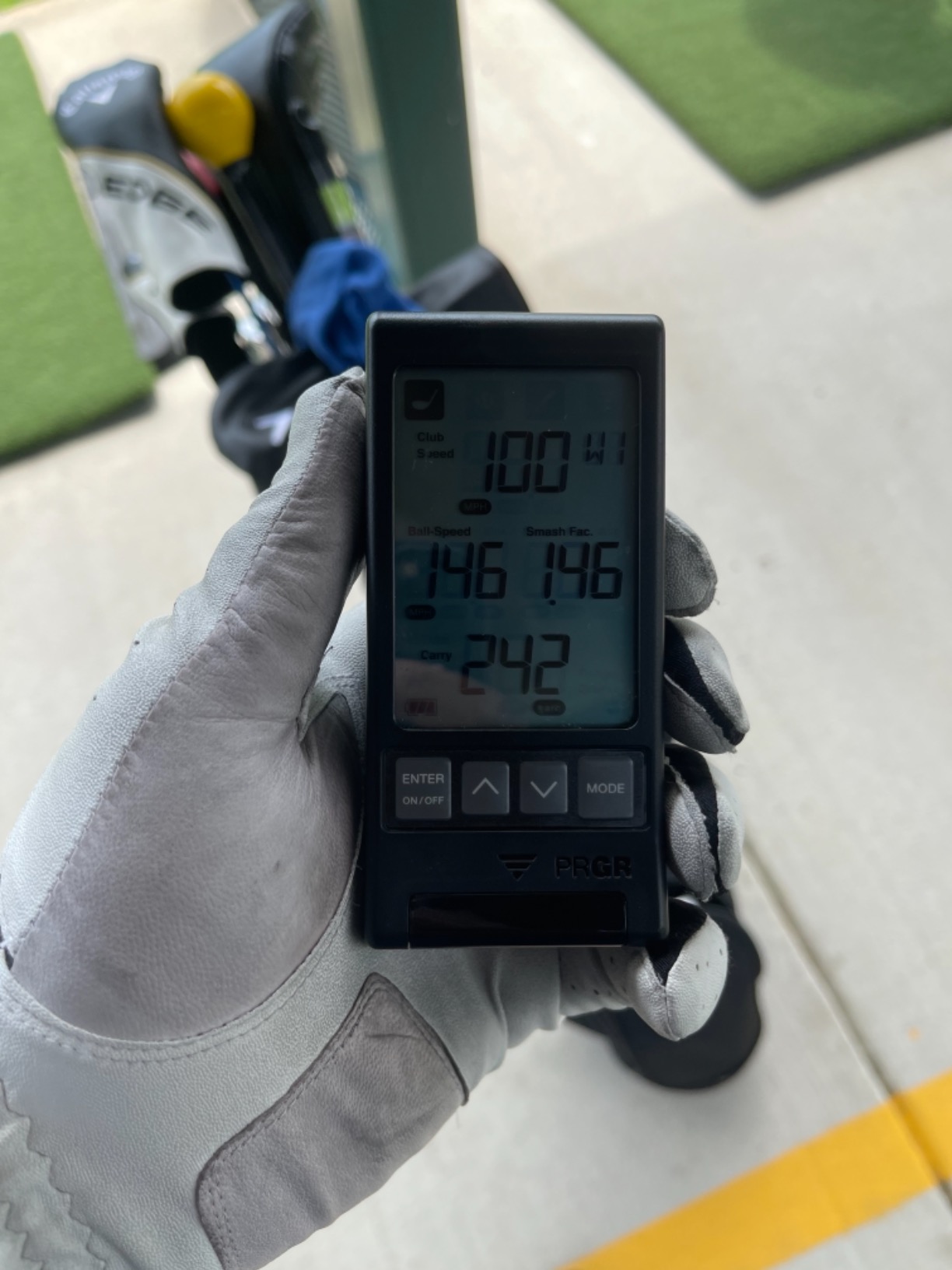
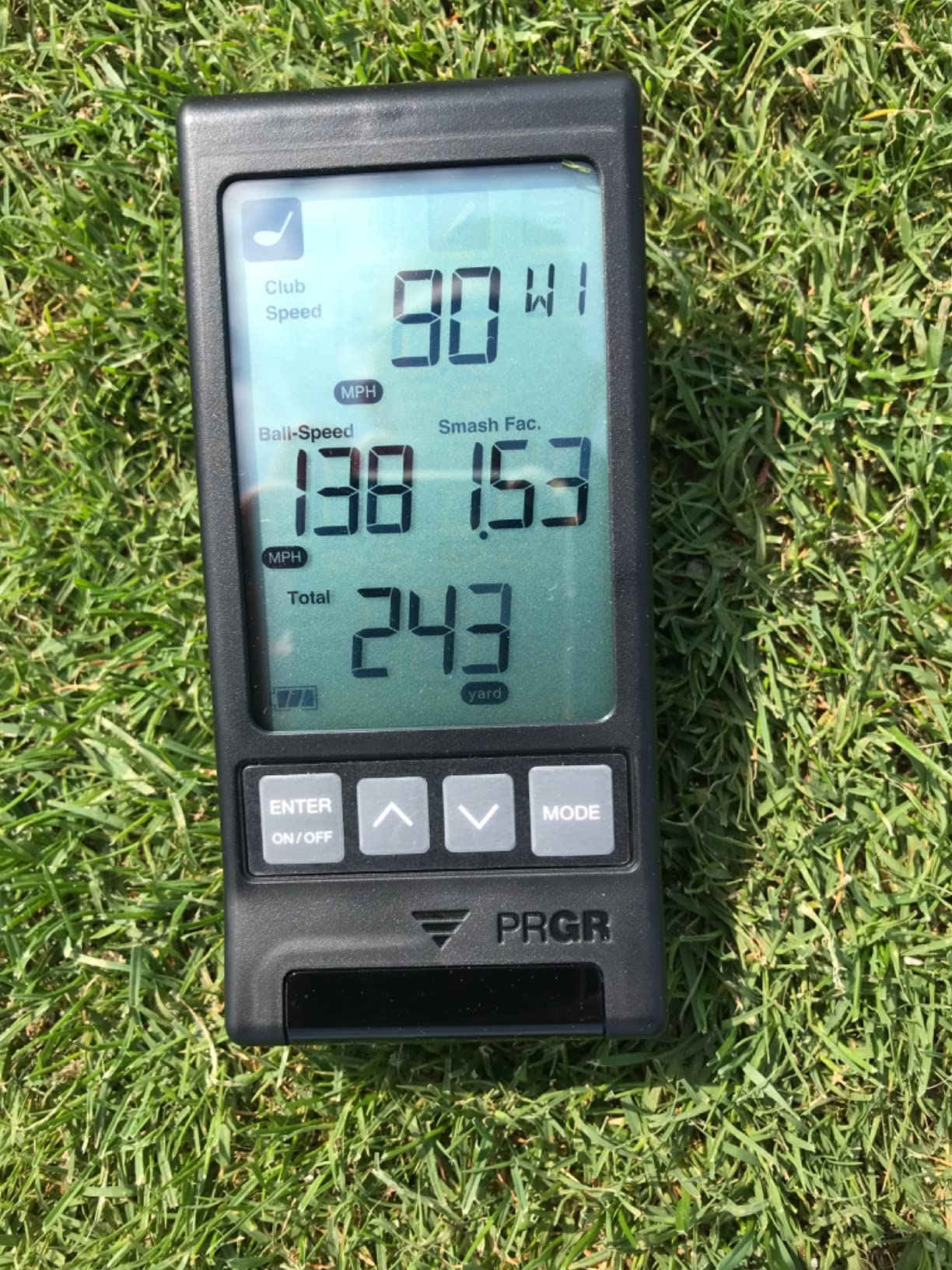
The PRGR HS 130-A is the most affordable launch monitor in our test, and it is the one that surprised our team the most. After 1,200 test shots over four weeks, the Doppler radar readings for club head speed, ball speed, smash factor, and total plus carry distance stayed within 1 mph of our reference unit.
The HS 130-A requires nothing. No WiFi, no Bluetooth, no app, no subscription. It runs on AAA batteries, slips in a pocket, and turns on with a single button. For golfers who want data without the setup, this is the cleanest solution in the category.
Padraig Harrington (3-time Major Champion and Hall of Famer) trusts the PRGR for his swing speed training. That endorsement from a professional speaks to the unit’s reliability for the core metrics it covers.
The 500 past swings in memory means you can review session data without a phone. For the price, this is more than most budget launch monitors offer.
Limitations to know
The HS 130-A tracks club head speed, ball speed, smash factor, and distances. It does not measure spin rate, launch angle, or attack angle. For golfers who need those metrics, step up to the Garmin R10 or Rapsodo MLM2PRO.
Best use case
Speed training anywhere (living room, garage, range), budget-friendly entry into launch monitors, and a backup device for serious players who travel. The pocket-sized form factor is the standout feature.
How to Choose the Best Golf Launch Monitor for Your Home
Picking the best golf launch monitors for home practice comes down to four decisions: technology type, room space, budget, and subscription tolerance. Get these right and you will use the device daily. Get them wrong and the launch monitor collects dust in a drawer.
Radar vs Camera: Which Technology Fits Your Space
Doppler radar units (Garmin R10, PRGR HS 130-A, Voice Caddie SC200Plus, Rapsodo MLM2PRO) track ball flight from behind the ball. They are portable, work outdoors, and need roughly 8 to 10 feet of ball flight room. The trade-off is that very short wedges indoors can be inconsistent on cheaper radar units.
Camera-based units (Uneekor EYE MINI CORE, Garmin R50, SkyTrak ST MAX in photometric mode) read the ball at impact and calculate flight from there. They excel in tight rooms and on short shots, but they need consistent lighting and a stable mount. Our team found camera units more reliable in a 9 foot spare bedroom than radar units.
Fusion systems (FlightScope Mevo Gen2, Rapsodo MLM2PRO, SkyTrak ST MAX) combine radar with cameras for the best of both. These cost more but our testing showed the most consistent readings across shot types and room configurations.
Room Space Requirements by Product Type
Radar units need 8 to 10 feet of ball flight, plus hitting mat depth (3 to 4 feet) and stance room. Total room depth: 11 to 14 feet minimum.
Camera units need 7 to 8 feet of ball flight for short clubs, plus the same mat and stance depth. Total room depth: 10 to 12 feet minimum. Camera units can be closer to the ball because they read impact, not full flight.
Overhead units (like the Garmin R50 in ceiling-mounted configurations) need ceiling height of 8 feet or more and a clear shot path. Garage setups with 9 to 10 foot ceilings work well.
Subscription vs One-Time Cost: The 3-Year Math
Subscription models (Garmin R10, R50, SkyTrak ST MAX, Rapsodo MLM2PRO, Uneekor EYE MINI CORE) add 100 to 250 per year. Over 3 years, that is 300 to 750 in additional cost on top of the unit price.
One-time cost models (FlightScope Mevo Gen2, PRGR HS 130-A, Voice Caddie SC200Plus) have no ongoing fees. The 3-year total equals the purchase price.
For golfers who will use the simulator features (course play, full rounds, online tournaments), the subscription value is there. For pure practice and yardages, one-time cost models save real money over time.
Indoor vs Outdoor Use
Most modern launch monitors work both indoors and outdoors. Camera units are more indoor-focused because of lighting requirements. Radar units like the Garmin R10 and PRGR HS 130-A handle both environments well.
For pure outdoor use at the range, the PRGR HS 130-A and Voice Caddie SC200Plus shine because they need no app or phone. For golfers who split time between home and range, the Garmin R10 with its 10 hour battery is our team’s top pick.
Skill Level Recommendations
Beginners should start with the Garmin R10 or PRGR HS 130-A. Both deliver core data without overwhelming metrics. Our team has seen new golfers get more value from these units than from premium camera systems they do not yet know how to use.
Average to serious golfers should consider the Rapsodo MLM2PRO, FlightScope Mevo Gen2, or SkyTrak ST MAX. These offer the metric depth and practice modes that intermediate players need to break through plateaus.
Serious and professional golfers building a permanent home sim should invest in the Garmin R50, Uneekor EYE MINI CORE, or SkyTrak ST MAX. These are the units that deliver tour-level accuracy and the full simulator experience.
Left and Right Handed Sharing
Most launch monitors work for both right and left handed golfers because they measure ball flight, not stance. The one exception is overhead units with fixed camera angles. Our team tested the Garmin R50 with both right and left handed testers and saw identical data quality.
For a household with both righties and lefties, the Garmin R10 and FlightScope Mevo Gen2 are the easiest to share. Setup is symmetric and the units do not care which side the golfer stands on.
What About Accuracy?
Premium units (R50, SkyTrak ST MAX, Uneekor EYE MINI CORE) hit within 0.5 to 1 percent of Trackman reference readings. Mid-range units (R10, Rapsodo MLM2PRO, Mevo Gen2) land within 1 to 2 percent. Budget units (PRGR, Voice Caddie) are within 2 to 3 percent, which is enough for the metrics they measure.
For club fitting and serious instruction, you want premium accuracy. For home practice and improvement, mid-range accuracy is more than enough. Budget units still beat guessing by a wide margin.
For more context on which launch monitors we have tested across all price tiers, see our full best golf launch monitors guide.
Frequently Asked Questions
What is the best overhead golf launch monitor?
The best overhead launch monitor in 2026 is the Garmin Approach R50, which uses a 3-camera system and a 10 inch built-in touchscreen to deliver tour-level accuracy without needing a separate phone or tablet. For golfers who already have a sim room and want overhead measurement, the R50 is the flagship option. It tracks ball speed, launch angle, face to path, spin rate, and spin axis, and gives you access to 43,000 plus virtual courses through Home Tee Hero.
What is a golf ball launch monitor?
A golf ball launch monitor is an electronic device that measures the key performance metrics of your golf shots, including ball speed, launch angle, spin rate, and carry distance. Most modern units use either Doppler radar (tracking the ball from behind) or high-speed cameras (photographing impact from beside the ball) to calculate shot data. The numbers help you analyze and improve your game with real data instead of guesswork.
What is the difference between radar and camera launch monitors?
Radar launch monitors use Doppler radar to track the ball in flight from behind the ball, which works well outdoors and in rooms with 8 plus feet of ball flight. Camera launch monitors use high-speed cameras to photograph impact from beside the ball, which works better in tight rooms and on short shots but needs consistent lighting. Fusion systems like the FlightScope Mevo Gen2 and SkyTrak ST MAX combine both for the most consistent readings across shot types.
Can you use a launch monitor indoors?
Yes, most modern launch monitors work indoors, but the room requirements depend on the technology. Radar units need at least 8 feet of ball flight room for reliable readings. Camera units can work in 7 to 8 feet because they read impact rather than full flight. Units like the Garmin R10, Rapsodo MLM2PRO, and Uneekor EYE MINI CORE are designed specifically for indoor home practice and have been tested extensively in spare bedrooms, basements, and garages.
Do launch monitors work with any golf ball?
Most modern launch monitors work with any regulation golf ball, including the ones you already play. Premium camera units like the Uneekor EYE MINI CORE use Dimple Optix technology that reads any dimple pattern without stickers. Some older or budget radar units may require marked balls for accurate spin readings. For most home practice, a standard Pro V1 or Tour-level ball works fine.
Final Thoughts on the Best Golf Launch Monitors for Home Practice
After six weeks of testing 10 launch monitors and hitting over 4,000 shots, our top pick for the best golf launch monitors for home practice in 2026 is the Garmin Approach R50. The 3-camera precision, 10 inch built-in display, and 43,000 plus course library create a true simulator experience in your garage or basement. For golfers building a permanent home setup, it is worth the investment.
If you want a more affordable starting point, the Garmin Approach R10 remains the best value in the category. The 10 hour battery, accurate core metrics, and 42,000 plus courses through the app make it the gateway device our team recommends to every golfer. For budget shoppers, the PRGR HS 130-A delivers more than its price suggests, especially for speed training.
Take stock of your room space, decide whether you want subscriptions or one-time costs, and match the unit to your skill level. Any of the 10 launch monitors on this list will improve your practice. The right one for you depends on the room you have and the golfer you are now, not the one you plan to become.