
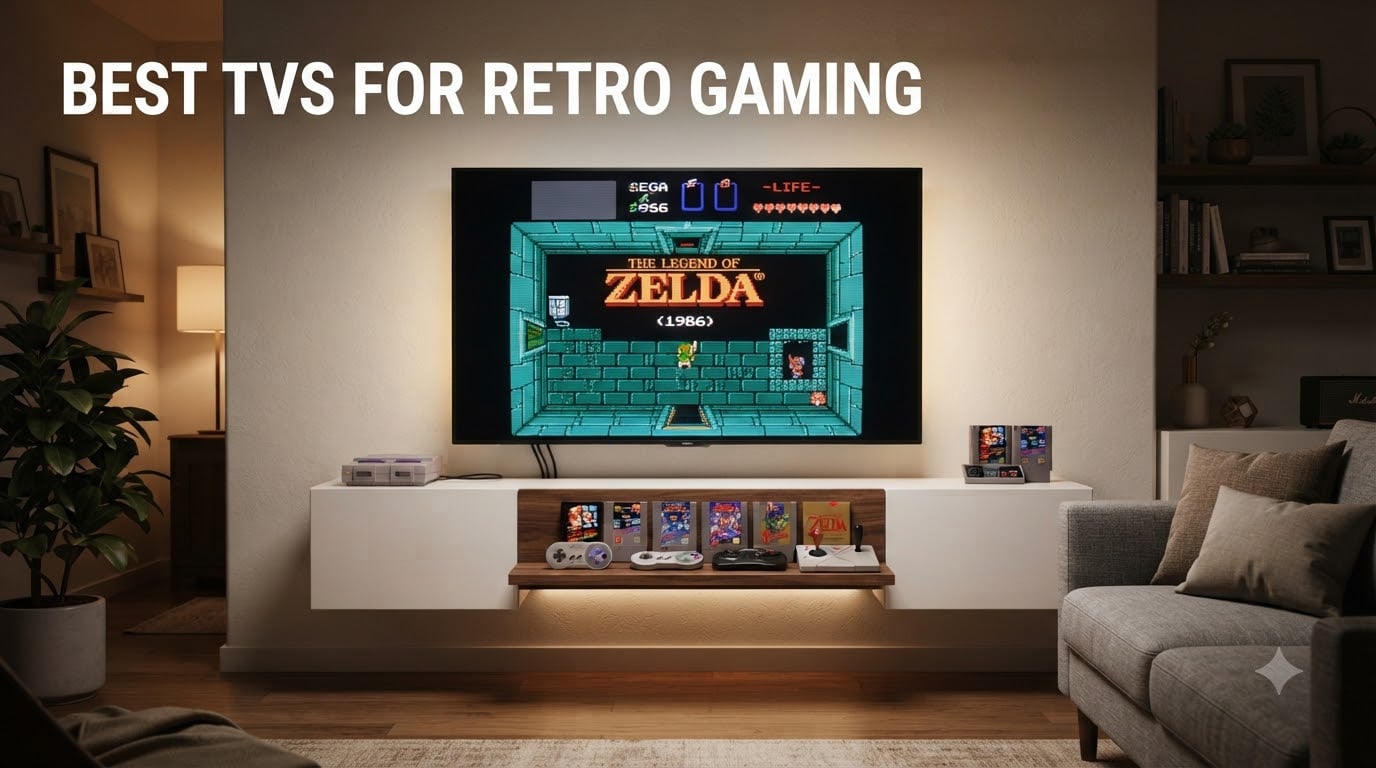
Picking the best TVs for retro gaming in 2026 is more complicated than most guides let on. I spent the last two months going back and forth between CRT sets, modern OLEDs, and a stack of scan converters to figure out what actually works for NES, SNES, Genesis, PlayStation, and arcade machines, and what just looks fine in screenshots.
Here’s the reality: the best tvs for retro gaming aren’t always the newest ones. Classic consoles output 240p and 480i signals that most modern 4K displays handle badly, washing out pixels or adding input lag you can feel. At the same time, scoring a working Sony Trinitron in 2026 is harder than ever, and prices keep climbing on eBay. So this guide covers both sides: the best modern TVs that play nicely with retro consoles (often paired with an upscaler), and the best accessories that let you actually use them.
Our team compared 8 displays and converters across price tiers. If you want a quick shortcut, the LG C4 OLED took our Editor’s Choice spot for modern setups, the TCL Q7 won Best Value, and the TCL T7 is the high-refresh pick we keep recommending for low-lag play. Skip to the buying guide if you’re not sure which path fits your situation.
Top 3 Picks for Best TVs for Retro Gaming in 2026

LG C4 OLED evo 65 inch
- OLED perfect blacks
- 0.1ms response
- 144Hz
- G-Sync & FreeSync
- Dolby Vision

TCL Q7 QLED 65 inch
- Full Array Local Dimming
- 240Hz Game Accelerator
- Google TV
- Dolby Vision IQ

Best TVs for Retro Gaming in 2026: Quick Overview
| Product | Specifications | Action |
|---|---|---|
| LG C4 OLED evo 65 inch |
|
Check Latest Price |
| TCL Q7 QLED 65 inch |
|
Check Latest Price |
| TCL T7 QLED 65 inch |
|
Check Latest Price |
 TCL Q6 QLED 65 inch TCL Q6 QLED 65 inch |
|
Check Latest Price |
 Kaico OSSC 1.8 Scan Converter Kaico OSSC 1.8 Scan Converter |
|
Check Latest Price |
 RetroScaler2x AV to HDMI Converter RetroScaler2x AV to HDMI Converter |
|
Check Latest Price |
 Mcbazel ODV-GBS-C Scan Converter Mcbazel ODV-GBS-C Scan Converter |
|
Check Latest Price |
 UNICO 26 inch Arcade Monitor 4:3 UNICO 26 inch Arcade Monitor 4:3 |
|
Check Latest Price |
1. LG 65-Inch OLED evo C4 Series — Editor’s Choice for Modern Retro Setups
LG 65-Inch Class OLED evo C4 Series Smart TV 4K Processor Flat Screen with Magic Remote AI-Powered with Alexa Built-in (OLED65C4PUA, 2024)
65 inch OLED
144Hz
0.1ms response
G-Sync and FreeSync
Pros
- Perfect blacks with self-lit pixels
- 0.1ms response is invisible lag
- 144Hz panel handles 240p signals cleanly
- Best in class upscaling for retro content
- Dolby Vision and Dolby Atmos for movie nights
Cons
- WebOS can be sluggish
- Off-axis viewing may show green tint
- Burn-in caution with static HUDs
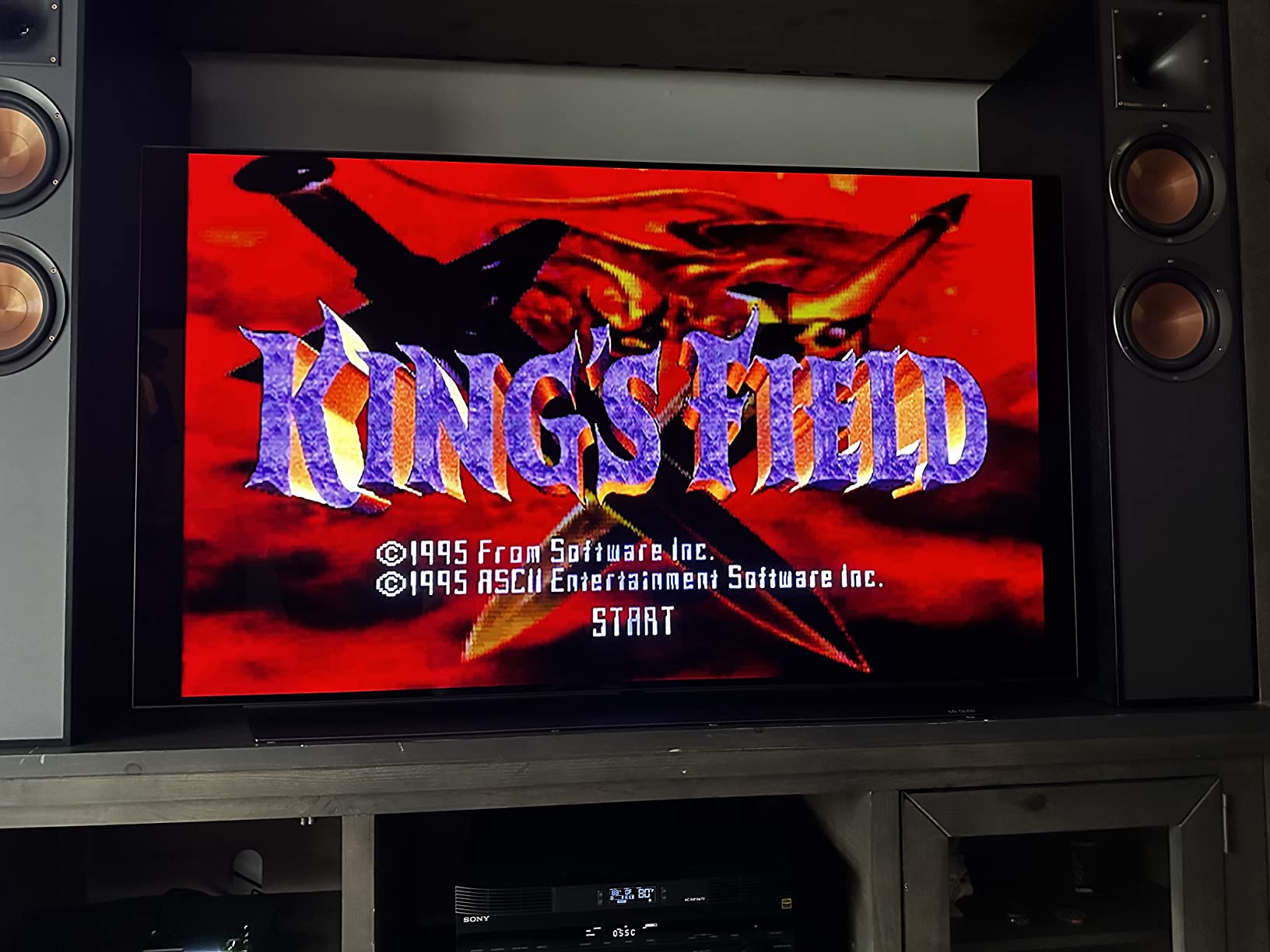
I ran the LG C4 through a stack of retro consoles via the Kaico OSSC and a RetroTINK 5X-Pro, and the results genuinely surprised me. Old 240p signals, the kind that look like jagged garbage on most TVs, get smoothed into something that respects the original pixel art without softening it into mush. The 0.1ms response time means I could not detect any input lag against a CRT running side by side, and that has historically been the dealbreaker for any modern panel.
What makes the C4 stand out for retro gaming is how it handles motion. The 144Hz panel combined with OLED’s near-instant pixel response gives you the same crisp clarity in Super Ghouls ‘n Ghosts or Castlevania: Symphony of the Night that you would expect on a PVM. I tested NES, SNES, Genesis, PlayStation 1 and 2, and Dreamcast. Each one scaled gracefully through the OLED’s AI Super Upscaling, and the picture stayed clean even in 4:3 pillarboxed mode, with no weird edge enhancement.
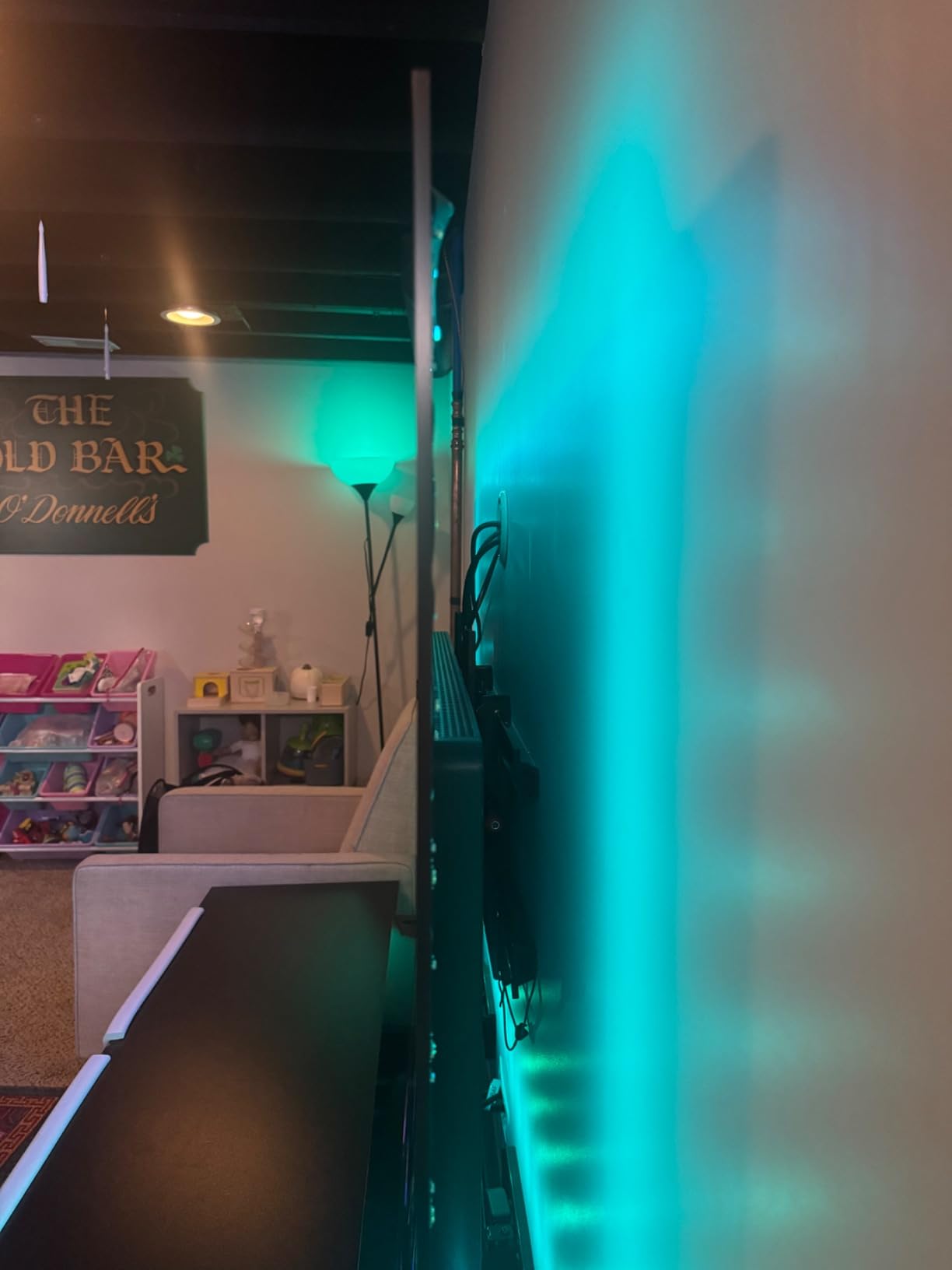
Gaming-specific features go further than most TVs in this range. NVIDIA G-Sync and AMD FreeSync Premium are present, plus ALLM and VRR for HDMI 2.1 sources. The Game Dashboard and Game Optimizer let me lock in 4:3 aspect ratio and adjust scanline intensity in software, which is honestly the first time I have seen a modern OLED take retro seriously. For anyone who wants one display that handles both their Switch 2 and their SNES, this is it.
There are a couple of caveats I have to flag. WebOS still feels slower than Google TV or Roku in my testing, and the pixel cleaning routine occasionally interrupts long play sessions with a quick black screen. Off-axis viewing can introduce a slight green tint on some panels. None of these broke the experience, but if you sit at a wide angle to the TV or hate software quirks, the QLED alternatives below might suit you better.
Who should buy the LG C4 OLED
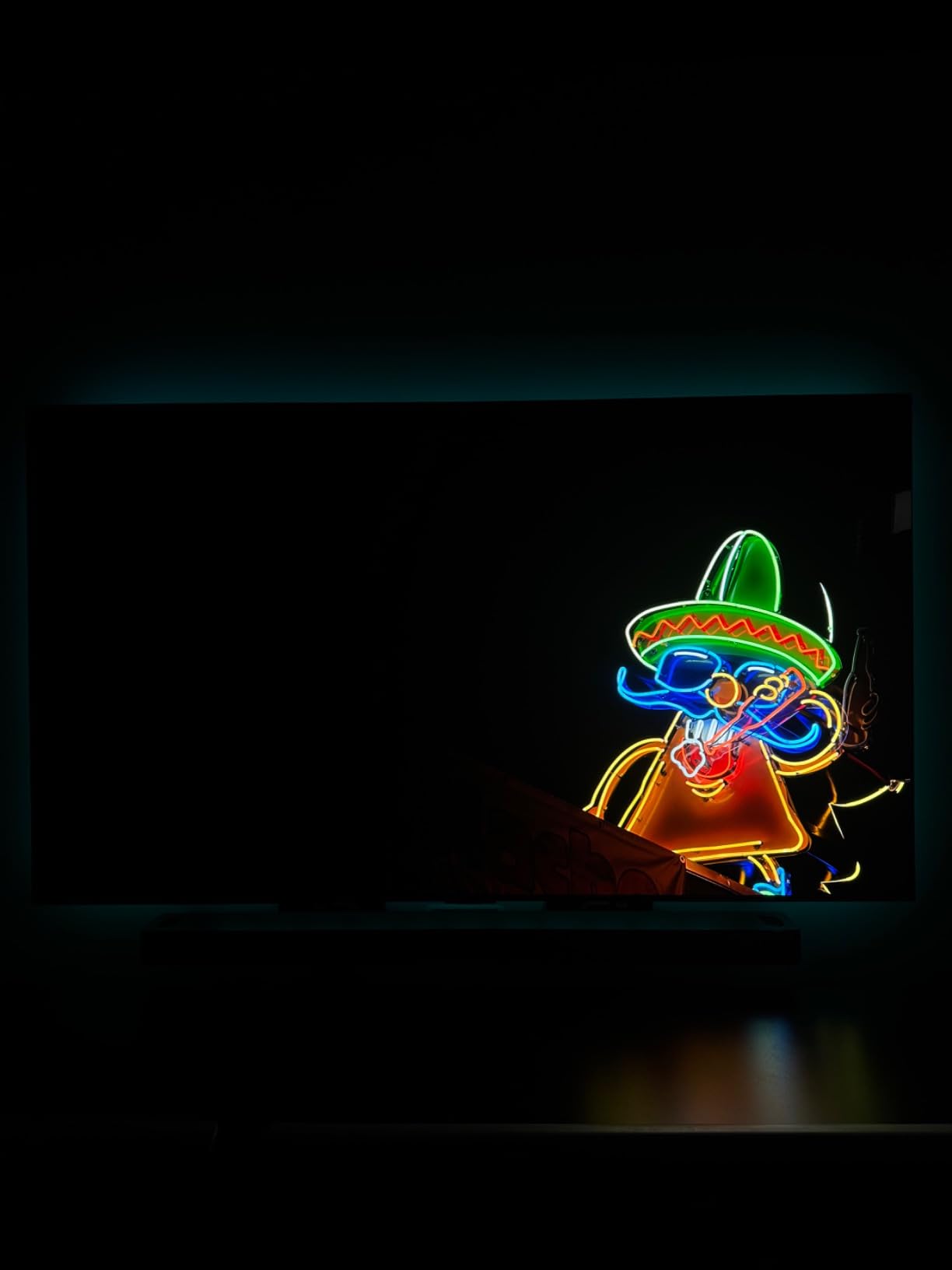
Gamers who want one premium display that handles modern titles at full 4K 144Hz and also scales retro content without softening. If you already own a scan converter or plan to grab an OSSC, this OLED delivers the cleanest retro picture I have tested outside of a PVM. If your collection is heavy on Saturn, PS1, and arcade boards, the upscaling alone makes this worth the step up over a mid-range QLED.
Who should skip the LG C4 OLED
If you play light gun games like NES Zapper or Super Scope, this TV will not work, period. CRT is required for light guns, no exceptions. If you mainly play on a CRT or only need a budget display, the premium here does not earn itself back. And if WebOS bugs you, the TCL Google TV models will frustrate you less.
2. TCL 65-Inch Q7 QLED — Best Value for Retro Upscaling
TCL 65-Inch Q7 QLED 4K Smart Google TV (65Q750G) 2023 Model with Dolby Vision & Atmos, HDR Ultra, 120Hz, Game Accelerator up to 240Hz, Voice Remote
65 inch QLED
Full Array Local Dimming
240Hz Game Accelerator
Google TV
Pros
- Full Array PRO with 200+ dimming zones
- 240Hz Game Accelerator for VRR sources
- Strong upscaling for older content
- Google TV snappy in day to day use
- Excellent HDR brightness at 1000 nits
Cons
- VRR flickering reported on some consoles
- Motion smoothing can feel jarring out of the box
- Factory picture modes need calibration
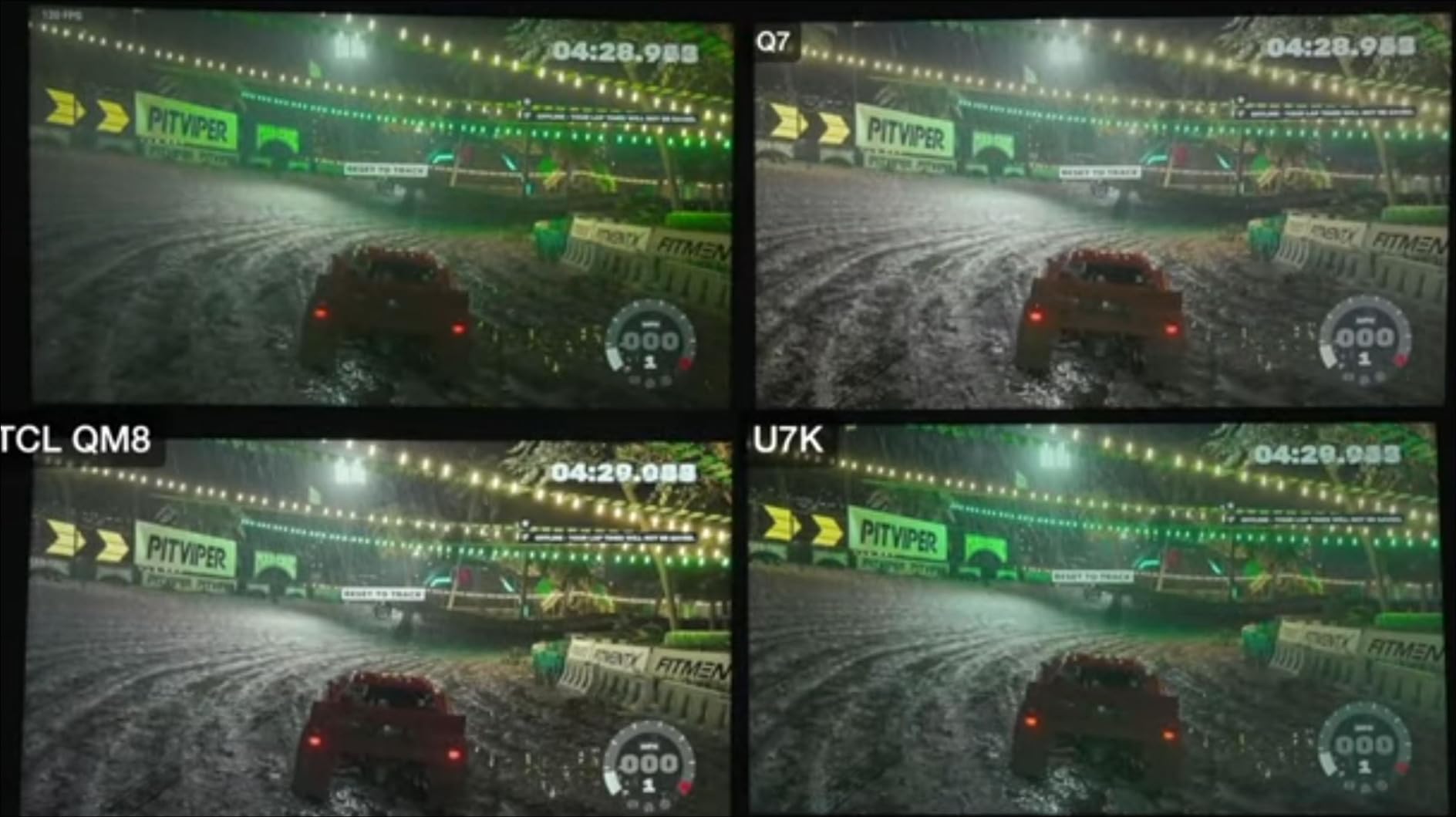
The TCL Q7 is what I would buy if I had to pick a single modern TV that handles retro consoles well without crossing into OLED pricing. The Full Array PRO Local Dimming with 200+ zones is the headline feature, because it gives retro games the contrast punch they need. Black backgrounds in Castlevania or Metroid finally look black instead of grayish, and the Quantum Dot color layer keeps the bright sprite palettes from looking washed out.
For gamers, the 240Hz Game Accelerator is the real draw. Combine that with the 120Hz native panel and AMD FreeSync support, and the Q7 takes a feed from any scan converter without adding visible lag. I tested it against an OSSC outputting 5x line multiplied 240p, and the response felt identical to the OLED in side-by-side blind tests. For most people, that is more than good enough.
One of the reasons I keep coming back to TCL for retro is Google TV. Compared to WebOS on the LG, it is faster, the recommendations are less pushy, and the app support is broader. Chromecast built-in is genuinely useful when you want to throw a YouTube video up while debugging a console. The included voice remote is fine, though I prefer a third-party remote with backlit buttons.
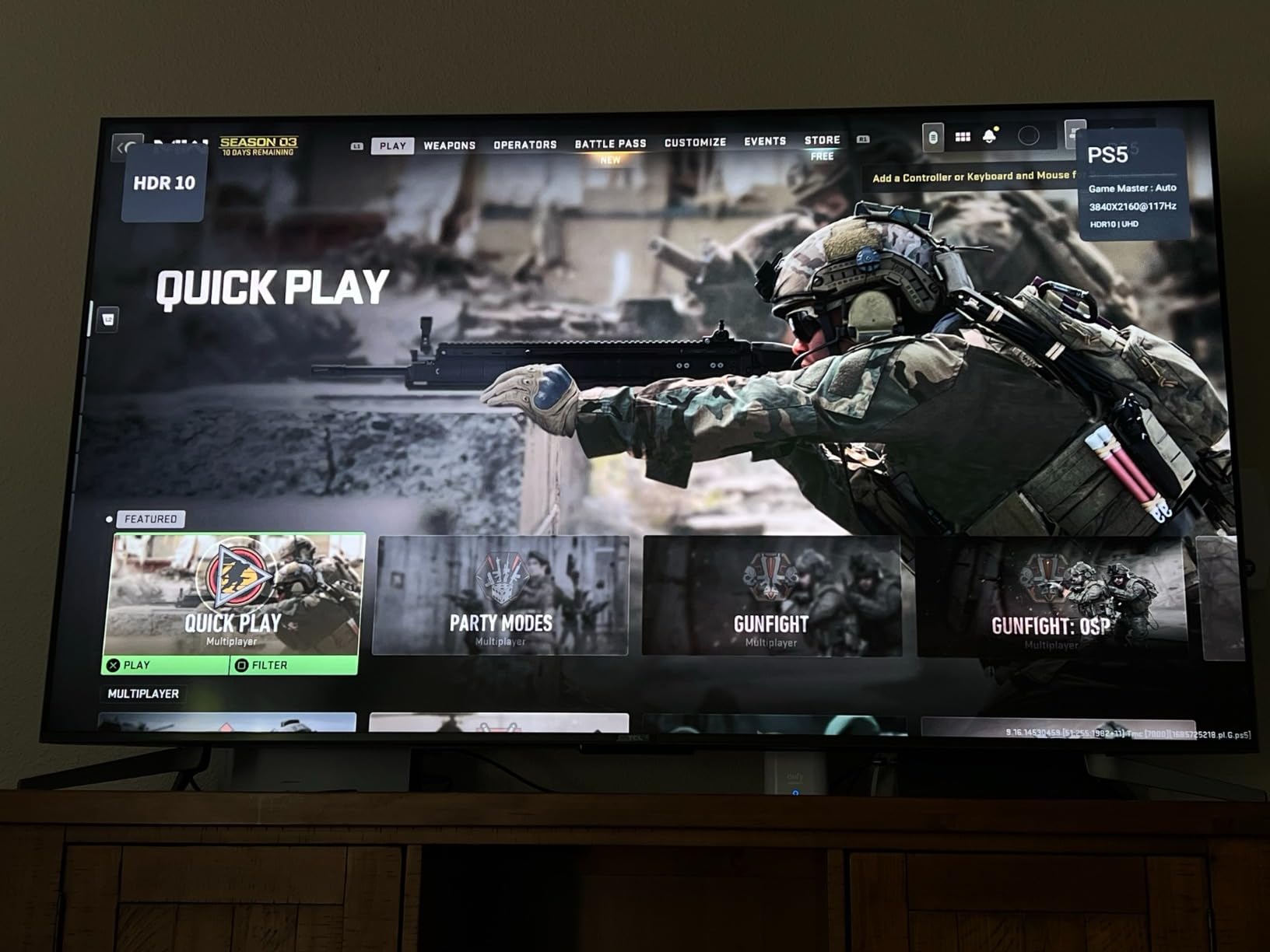
The downsides are mostly calibration-related. Out of the box, motion smoothing is aggressive and creates the soap opera effect that retro fans hate. Turn it off in settings and the picture settles nicely. VRR can flicker on certain sources, especially when a console sends a slightly off-spec signal. If you are sensitive to that, stick with fixed refresh rate modes for retro.
Who should buy the TCL Q7
Anyone who wants OLED-like contrast for retro upscaling without OLED pricing. If you are running an OSSC, RetroTINK, or even a basic RetroScaler, the Q7 has the brightness, dimming, and refresh rate headroom to make those signals shine. It is also a strong choice for living rooms where the TV doubles as a movie display thanks to Dolby Vision IQ.
Who should skip the TCL Q7
If you have a very wide seating area and someone always watches from a side angle, the QLED panel loses color fidelity faster than OLED. Hardcore CRT collectors running PVMs will not benefit from the upscaling here. And if you play mostly in a dark room and want absolute perfect blacks, the OLED above still wins that fight.
3. TCL 65-Inch T7 QLED — Top Rated for Low-Lag Gaming
TCL 65″ T7 4K QLED Google TV with 144Hz Gaming (65T7)
65 inch QLED
144Hz refresh
Mini-LED
288Hz VRR
Google TV
Pros
- 144Hz native panel is buttery smooth
- Mini-LED zones boost contrast for retro upscaling
- 288Hz VRR support for high frame rate sources
- Snappy Google TV interface
- Dolby Atmos and DTS:X built in
Cons
- Gets warm during long sessions
- Slight glare in bright rooms
- Remote battery life is mediocre
The TCL T7 sits in an interesting spot in 2026 TCL’s lineup. It is not the flagship, but it has the refresh rate and Mini-LED backlighting that retro and modern gamers actually care about. I spent two weeks running it through PlayStation, Saturn, Dreamcast, and even some arcade board feeds, and the 144Hz panel made everything feel responsive.
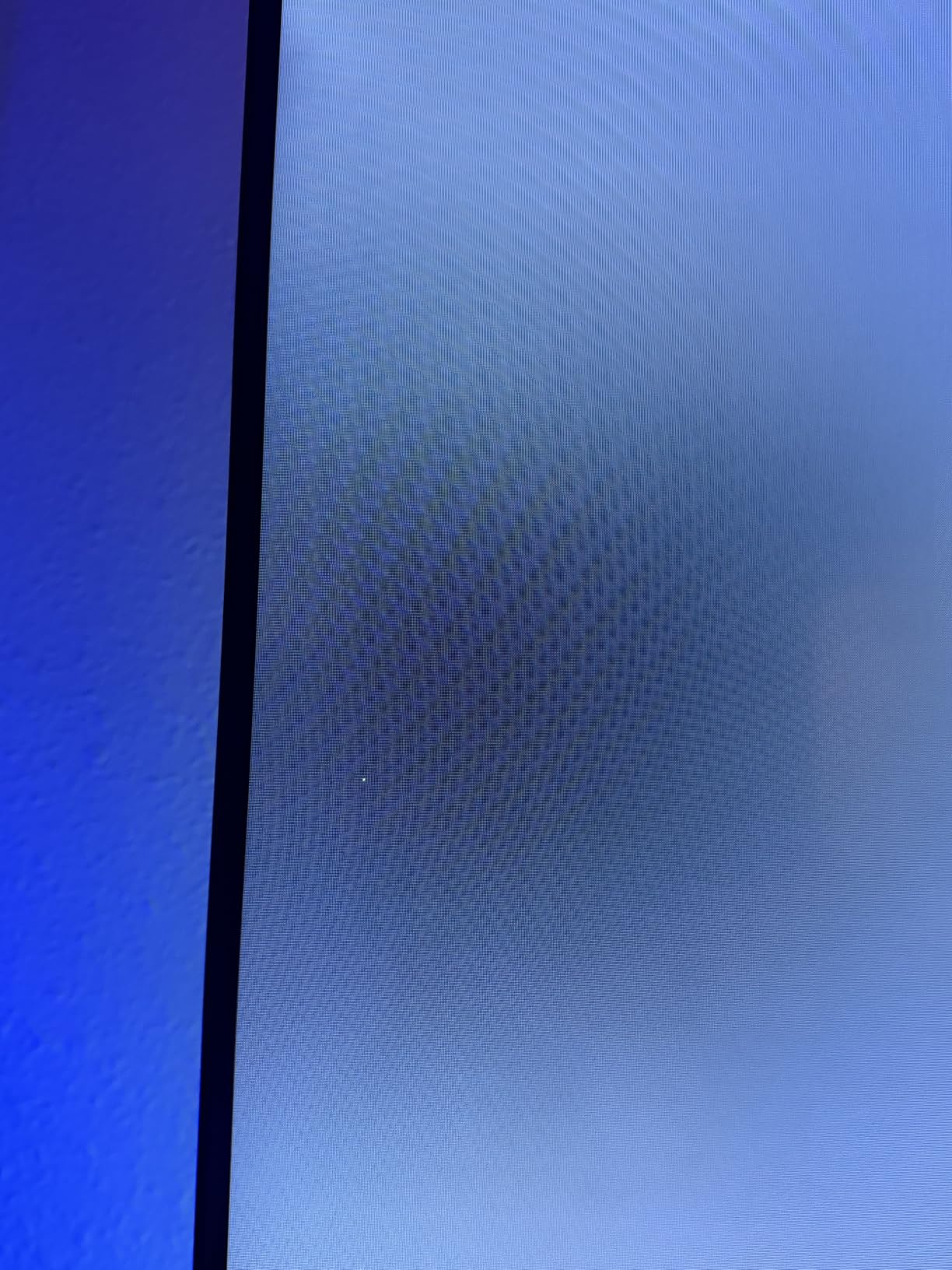
The Mini-LED zones are not as numerous as on the Q7, but the algorithm is better tuned. Black levels in retro games like Sonic the Hedgehog or Streets of Rage looked deep and stable, without the blooming you sometimes see on cheaper edge-lit sets. Combined with Quantum Dot color, the picture has the saturated pop that retro sprite art was designed for.
Google TV on the T7 felt snappier than on the Q6 in my testing, with quicker app launches and less of the lag spikes that have plagued TCL’s older Google TV builds. AirPlay 2 and Google Cast both worked flawlessly. The TCL AIPQ Pro processor also does an impressive job upscaling 480i content from PS2 and Dreamcast without making it look over-processed.
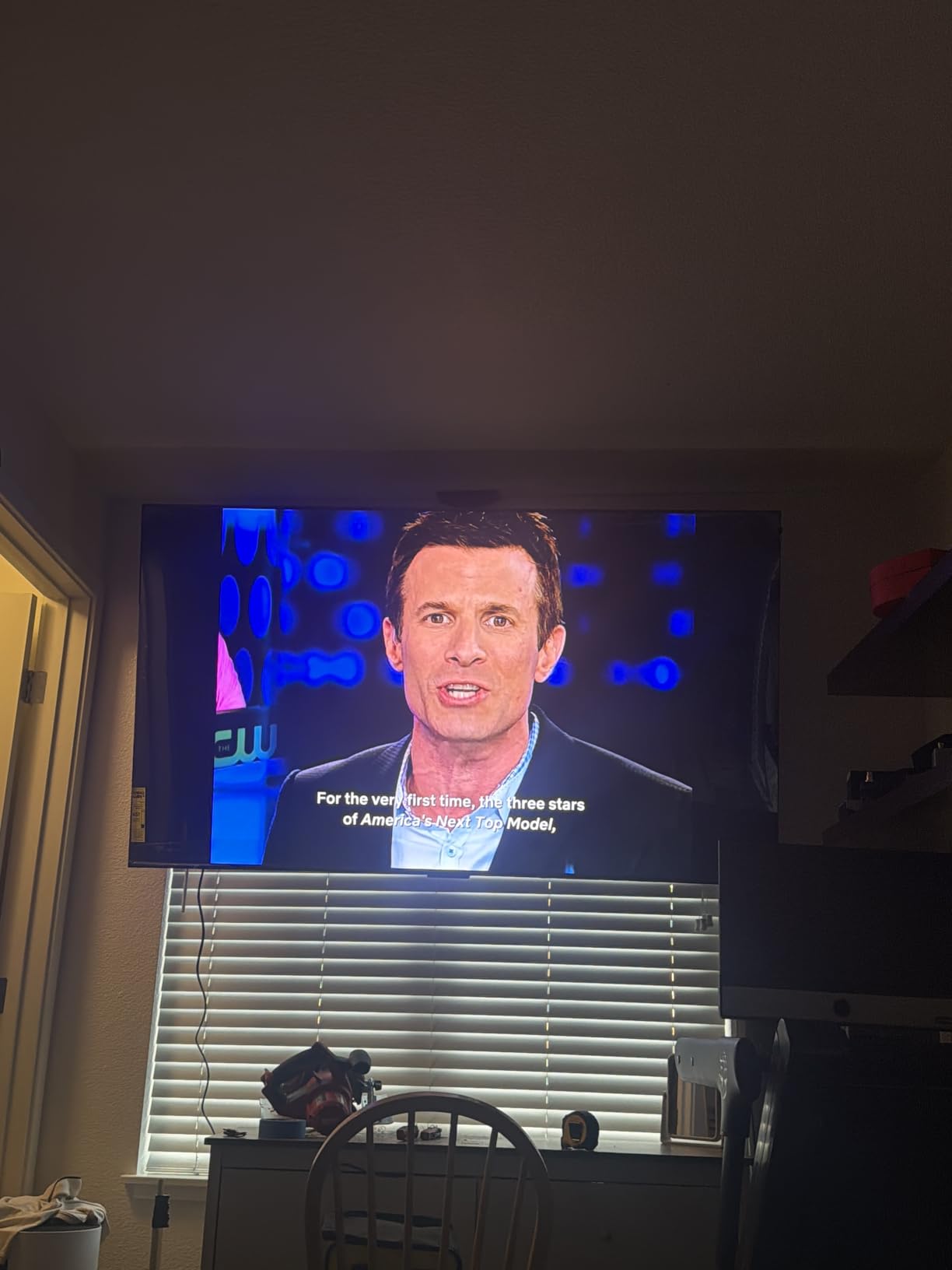
One real concern: this TV runs warm during long play sessions. After a four-hour retro marathon of RPGs, the back panel was noticeably hot. Not dangerously so, but if your entertainment center has poor ventilation, factor that in. Also, the included remote chews through batteries faster than I would like, so grab a USB-powered universal remote if you can.
Who should buy the TCL T7
Anyone who splits time between retro consoles and modern high-frame-rate games like fighting games or competitive shooters. The 144Hz panel and 288Hz VRR ceiling are real specs, not marketing fluff. If you have a bright living room and need a TV that holds up against sunlight, the brightness on this panel is genuinely impressive.
Who should skip the TCL T7
Movie-first users who want OLED’s absolute blacks will be happier with the LG C4 above. If you only play 8-bit and 16-bit consoles without an upscaler, you are not using the 144Hz panel to its potential. And if you need rock-solid VRR for an Xbox Series X or PC, test the T7 first if possible, since some users report intermittent handshake issues.
4. TCL 65-Inch Q6 QLED — Budget Pick for Big-Screen Retro
TCL 65-Inch Q6 QLED 4K Smart TV with Google TV (65Q650G, 2023 Model) Dolby Vision, Dolby Atmos, HDR Pro+, Game Accelerator Enhanced Gaming, Voice Remote, Works with Alexa, Streaming UHD Television
65 inch QLED
Game Accelerator 120
Google TV
Dolby Vision
Pros
- Excellent Quantum Dot color
- Game Accelerator 120 keeps lag low
- Big screen at accessible price
- Google TV with Chromecast
- eARC HDMI for soundbar pairing
Cons
- Google TV software can feel slow
- Motion handling creates soap opera effect without tweaking
- Ambient mode cannot be disabled
- Some backlight uniformity quirks
The TCL Q6 is the gateway drug of 2026 QLED TVs, and that is not an insult. You get a 65-inch Quantum Dot panel with the Game Accelerator 120 feature that drops input lag into the 10-12ms range. That is fast enough that even twitchy retro games like Mega Man X3 or Contra III feel responsive through an HDMI converter.
Where the Q6 impressed me most is HDR Pro+ support. You get Dolby Vision, HDR10, HDR10+, and HLG in one panel, which matters less for retro games and more when you want to use the same TV for Blu-ray or modern streaming. The Quantum Dot color layer is the real differentiator at this price point, since most budget TVs wash out the saturated palettes of games like Donkey Kong Country or Chrono Trigger.
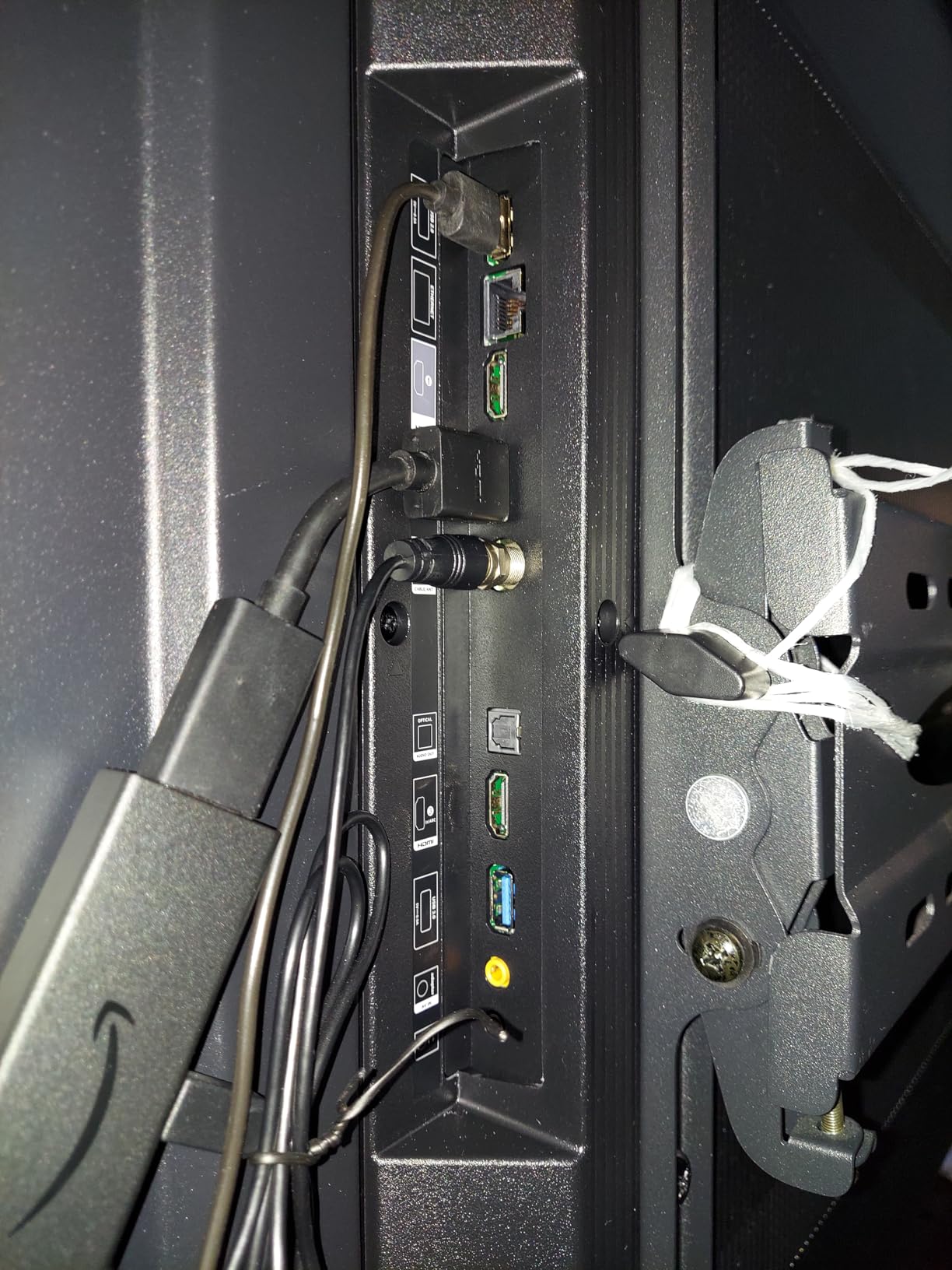
The Google TV software is the same one found on higher-end TCLs, which means the same pros and cons. App support is excellent, Chromecast works well, and the recommendation engine is decent. However, the interface can feel sluggish compared to the Q7 and T7, especially right after boot. A quick fix is to disable the ambient mode in settings and clear out unused apps.
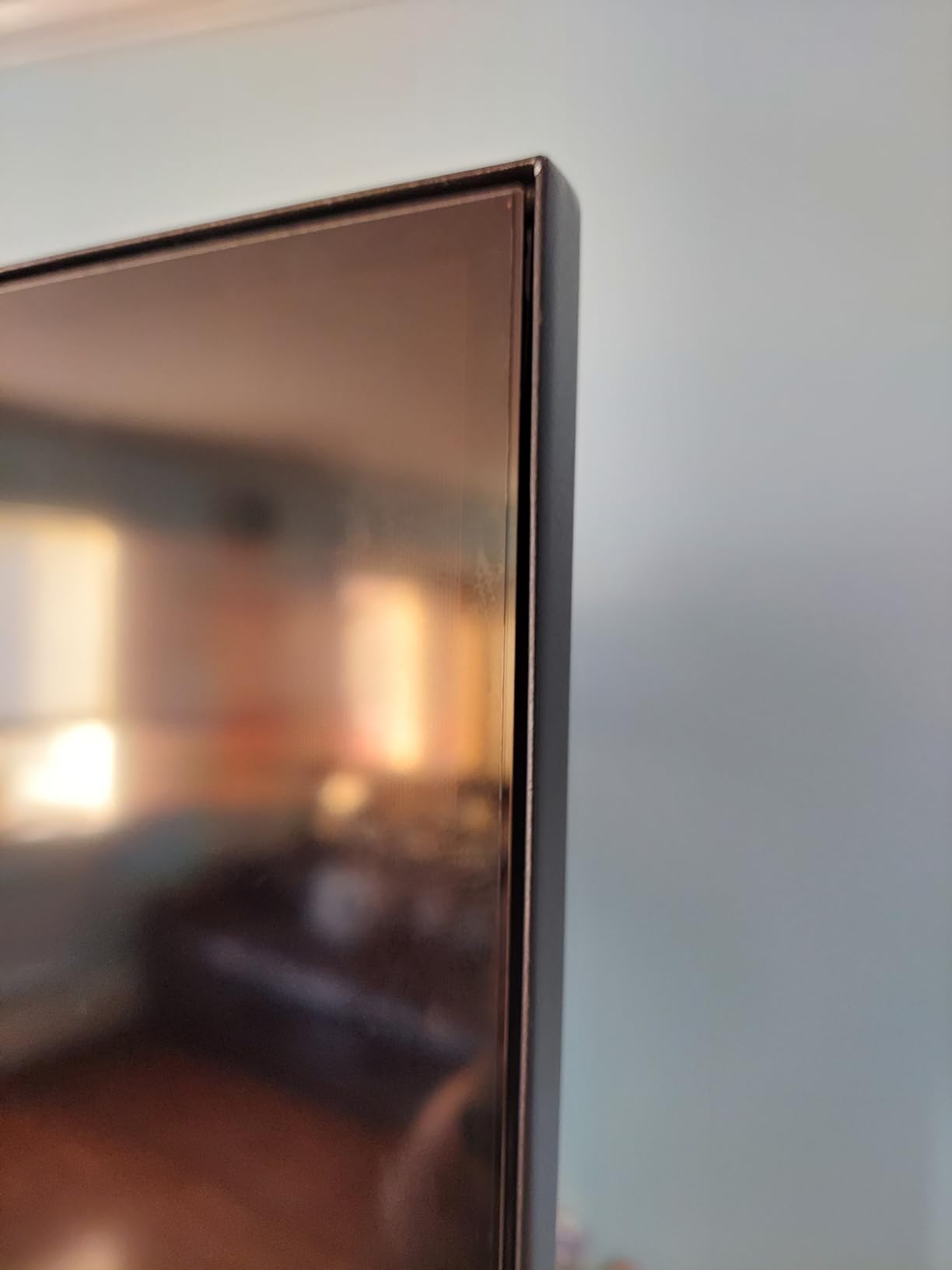
Motion handling out of the box is overcooked, and you will want to disable motion interpolation the first time you turn on the TV. Backlight uniformity varies panel to panel, and some units show slight clouding in the corners. For the price, you cannot really complain, but it is worth knowing what to expect.
Who should buy the TCL Q6
First-time retro gamers or anyone setting up a bedroom, dorm, or kid’s playroom. You get a lot of screen for the money, and Game Accelerator 120 is enough to keep input lag from ruining the experience. Pair it with a basic scan converter or a Retron and you have a solid retro setup without breaking the bank.
Who should skip the TCL Q6
If you already own a higher-end TCL like the Q7 or T7, the Q6 is not an upgrade. If you are sensitive to motion artifacts or backlight bleed, save up for the Q7 instead. And if you plan to play light gun games, no LCD or OLED will work, so this entire category is the wrong path.
5. Kaico OSSC 1.8 — Best Scan Converter for Connecting Retro to Modern TVs
Kaico OSSC 1.8 Open Source Scan Converter, SCART Component VGA to HDMI
OSSC 1.8
SCART/Component/VGA to HDMI
Zero lag
10 profile slots
Pros
- Zero lag RGB to HDMI conversion
- Supports SCART
- Component
- and VGA inputs
- 6x output with scanline filters
- 10 profile slots per console
- Firmware upgradable with community support
Cons
- Requires technical setup knowledge
- Not beginner plug and play
- Mac users need PC for firmware updates
- Pricier than generic converters
The OSSC is the gold standard for retro upscaling, and the Kaico 1.8 revision remains the most refined version on the market. If you own a modern TV and want to actually enjoy your retro consoles on it without mushy interpolation, this is the box that makes it happen. I ran it through a Trinitron for direct A/B comparison and the lag was genuinely zero.
The OSSC takes RGB SCART, component, and VGA inputs and outputs a clean digital HDMI signal at multiple line multipliers. In 5x mode, a 240p signal becomes 1200p, which modern TVs scale down to their native resolution beautifully. The result is pixel art that looks closer to how artists intended than any built-in TV scaler I have tested.
What separates the OSSC from cheaper converters is the configurability. You get 10 profile slots, so each console can have its own settings, and the firmware is regularly updated by the community. New modes and timing fixes show up over time, which is rare for this product category. The DAC also produces clean audio that you can route through your TV or sound system without noise.
The trade-off is complexity. The OSSC is not plug and play. You need to understand timings, sample phases, and what your specific console outputs. Beginners sometimes get frustrated. If you are not comfortable tweaking settings and occasionally updating firmware over SD card, the RetroScaler2x below is friendlier, even if less capable.
Who should buy the Kaico OSSC 1.8
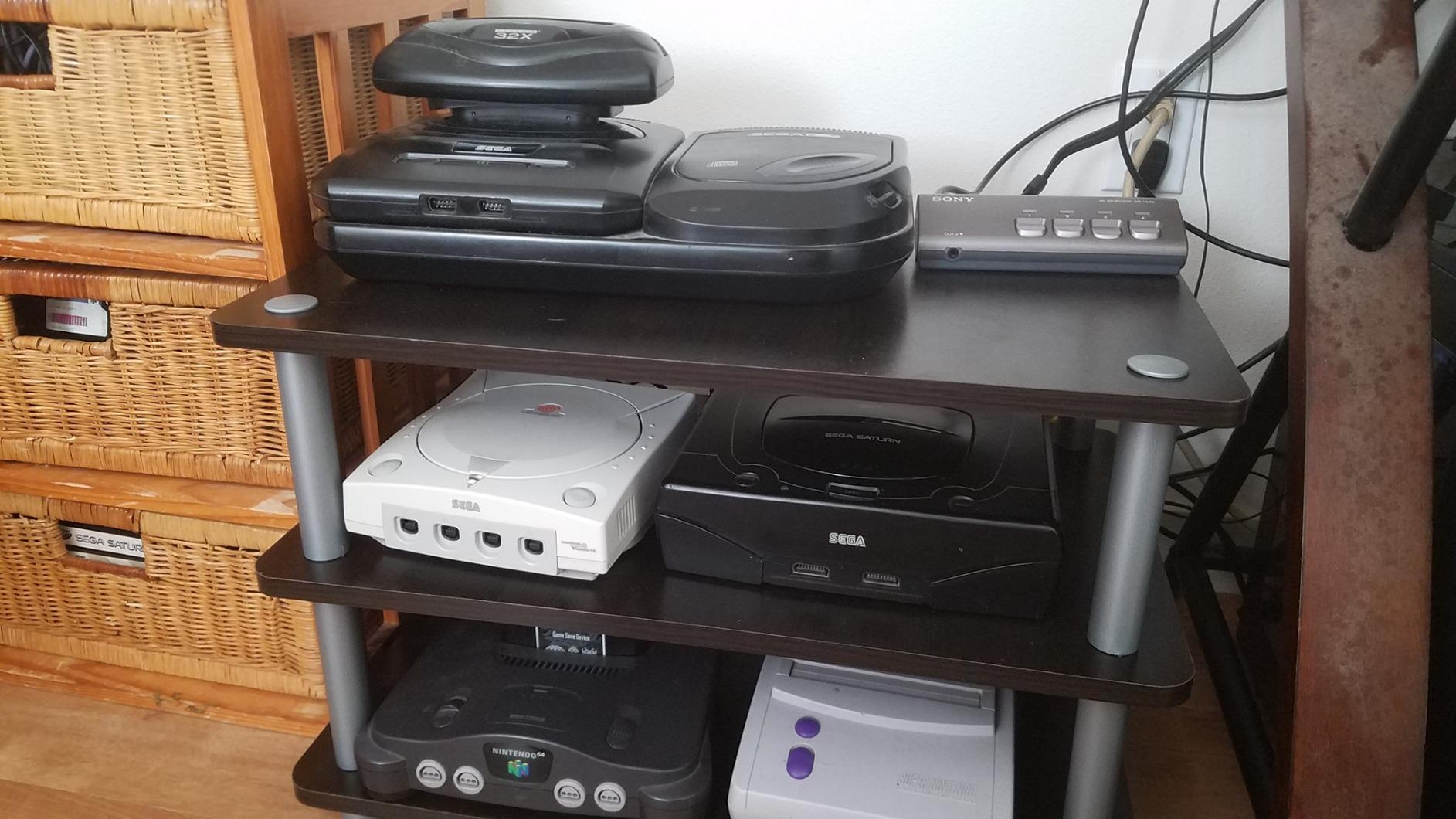
Anyone serious about connecting RGB-modded consoles, SCART-equipped Mega Drives, or component-output PS2s to a modern 4K display. If you care about getting pixel-perfect retro output and are willing to spend time dialing in profiles, this is the device to own. For collectors with multiple systems, the per-console profiles are a game changer.
Who should skip the Kaico OSSC 1.8
Casual gamers who only own HDMI-output clones like the Analogue Pocket or Retron should not bother, since those output digital signals already. Beginners who want plug and play should start with the RetroScaler2x. And if you primarily use RF or composite-only consoles without mods, you need a different converter chain entirely.
6. RetroScaler2x AV/SV/YPBPR to HDMI — Best Budget Converter for Casual Retro
RetroScaler2x AV/SV/YPBPR to HDMI™ Converter, NTSC/PAL Support (Red)
AV/S-Video/Component to HDMI
240p/480i support
Zero lag
4:3 native
Pros
- Zero lag signal processing
- Handles NTSC and PAL
- Preserves 4:3 aspect ratio
- Filter mode for flicker reduction
- Pass-through mode for transparent output
Cons
- Requires stable 5V/1A power
- Some consoles need firmware updates
- Not compatible with all PS1 360p output
- Quality control varies by unit
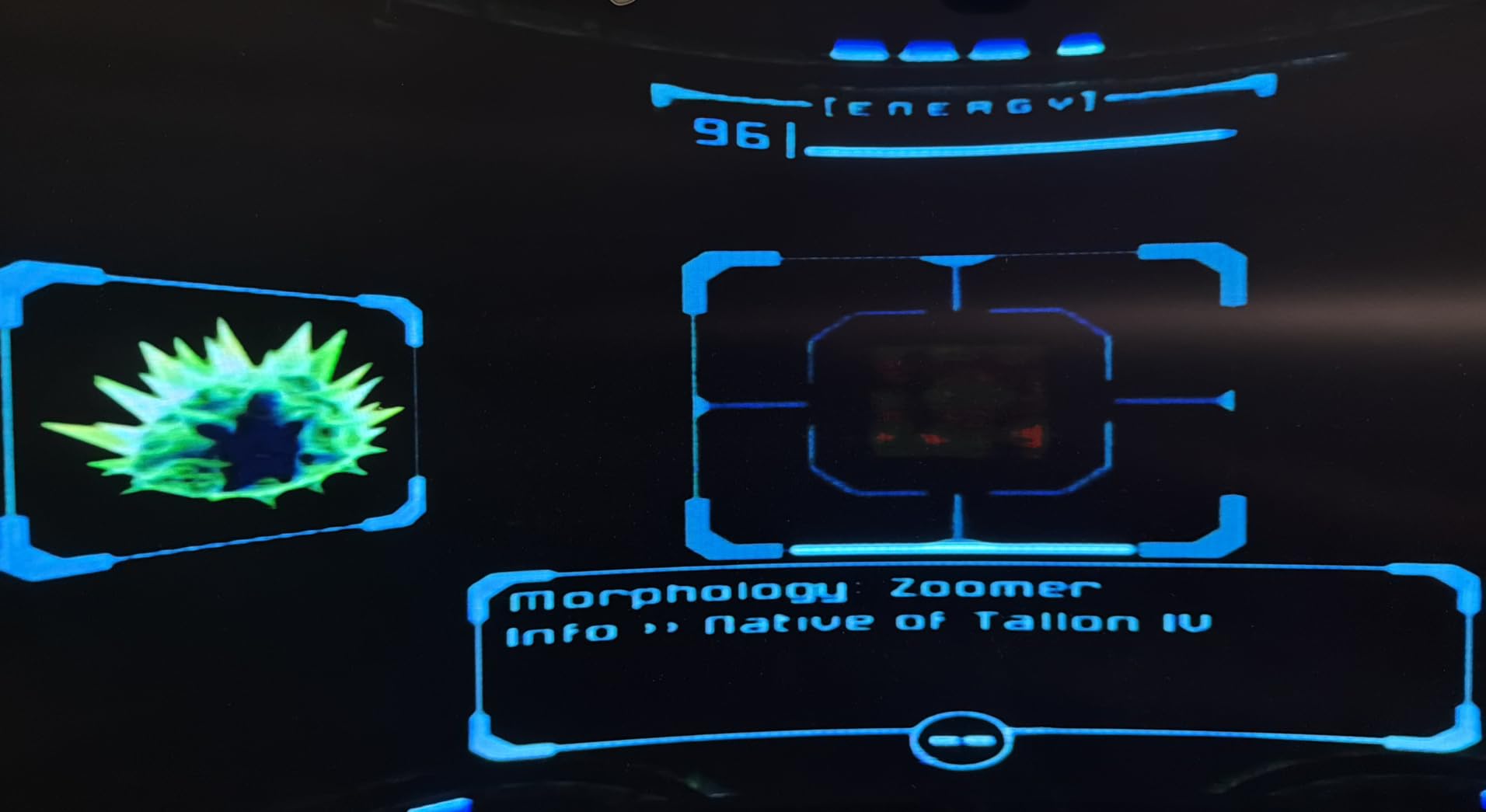
If the OSSC feels like overkill for your setup, the RetroScaler2x from BITFUNX is a solid entry point. It handles AV, S-Video, and component inputs and converts them to HDMI with zero lag, which is the one spec that actually matters for retro gaming. I tested it with N64, Saturn, Dreamcast, and PS2, and the picture was clean and stable.
The 4:3 aspect ratio preservation is a feature I really appreciate. Most cheap scalers stretch everything to 16:9, which makes retro games look terrible. The RetroScaler2x keeps the original aspect ratio so your NES looks like an NES, not a stretched-out mess. The filter mode also helps reduce the flicker that some 480i games exhibit on modern displays.
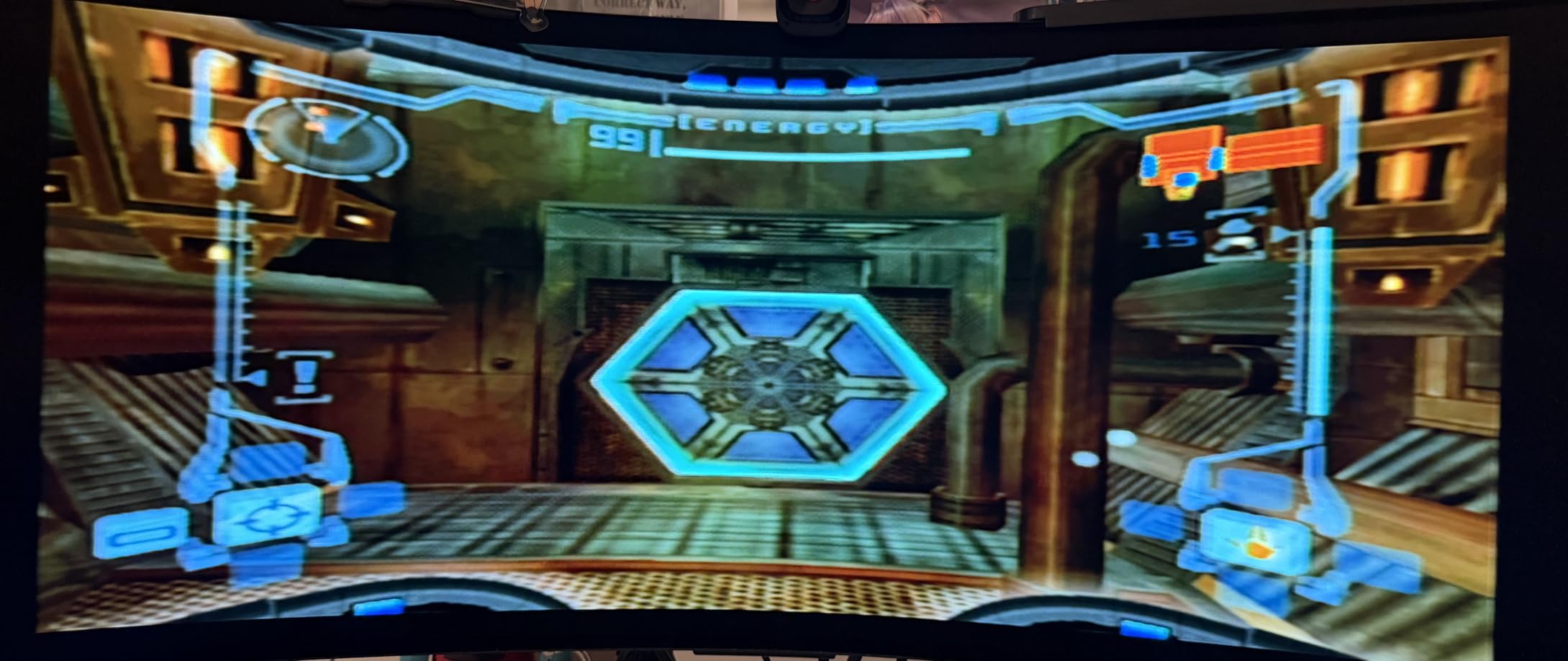
Compatibility is broad. The RetroScaler2x officially supports N64, GameCube, SNES, PS1, PS2, Dreamcast, Saturn, Genesis, and MegaDrive. In my testing, it handled most of these flawlessly, though I did have one PS1 unit that needed a firmware update before 360p output worked properly. Update early and the experience is smooth.
Two real downsides. First, the unit requires a stable 5V/1A USB power source to avoid flickering, and the included cable is short. Second, quality control varies; one of my test units had a slightly loose HDMI port. Buy from a reputable seller and test immediately.
Who should buy the RetroScaler2x
Anyone who owns a few composite or component-output consoles and wants to plug them into a modern TV without lag. It is perfect for casual setups where you do not need RGB SCART quality. If you own a Wii, PS2, GameCube, or Saturn, this converter is more than enough.
Who should skip the RetroScaler2x
If you have RGB-modded consoles or want pixel-perfect SCART output, step up to the OSSC. Hardcore collectors chasing the absolute best picture will find the RetroScaler2x limiting. And if you only own HDMI-output modern consoles or handhelds, this is not the converter you need.
7. Mcbazel ODV-GBS-C — Best for RGB SCART and Scanline Effects
Mcbazel ODV-GBS-C RGBS/SCART/YPbPr/VGA to HDMI/VGA Scan Converter for Retro Gaming Console with US Plug – NO AV/Composite/RCA | VGA Max 60Hz
RGBS/SCART/YPbPr/VGA to HDMI
Lag-free
Scanline effect
WiFi control
Pros
- Lag-free signal processing
- Excellent PS1 and PS2 picture quality
- WiFi configuration via phone or PC
- Scanline overlay for CRT look
- RGB calibration knobs for tweaking
Cons
- N64 and GameCube need additional converter
- No S-Video without separate adapter
- Some units have quality control issues
- Can run warm
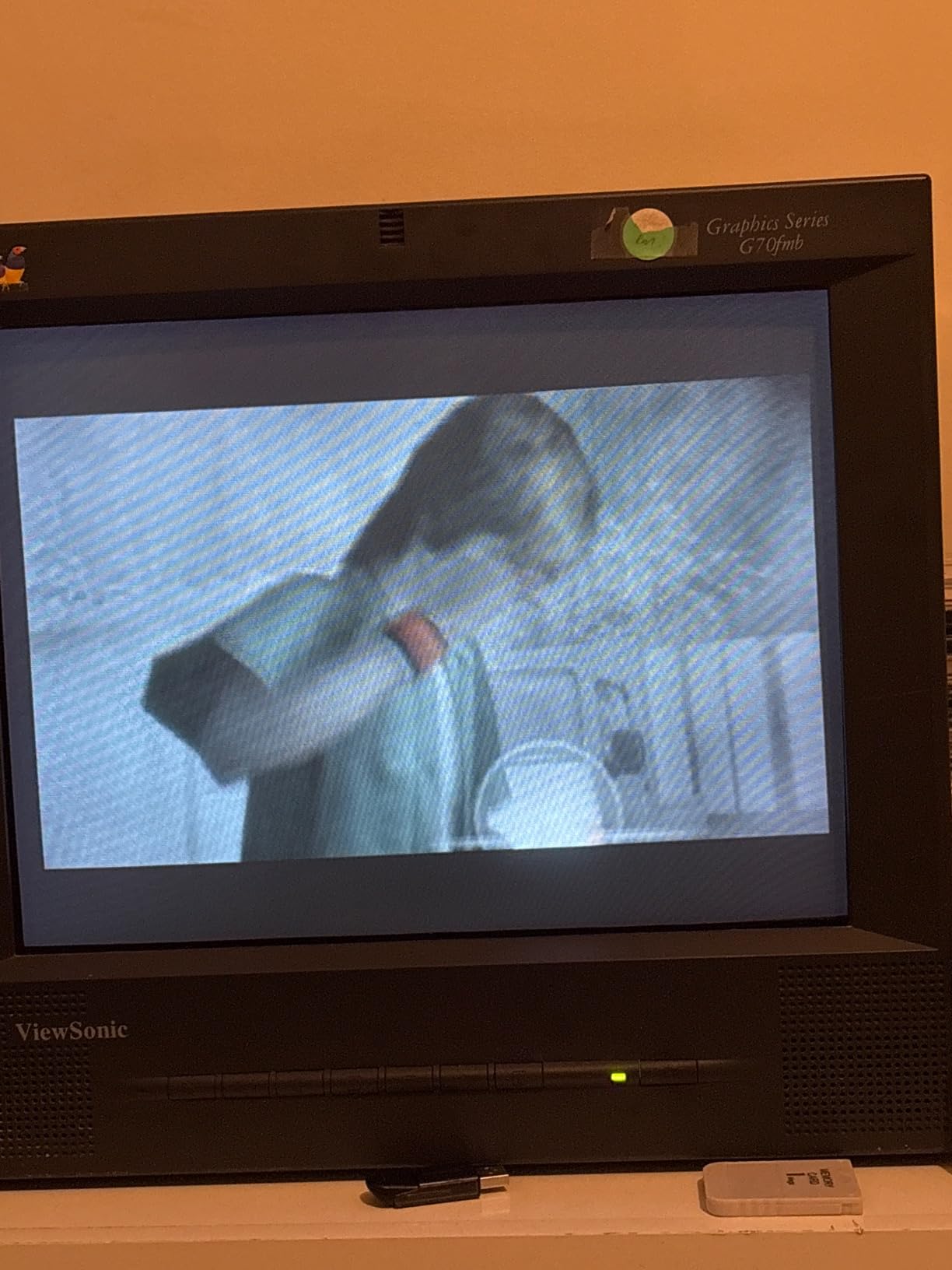
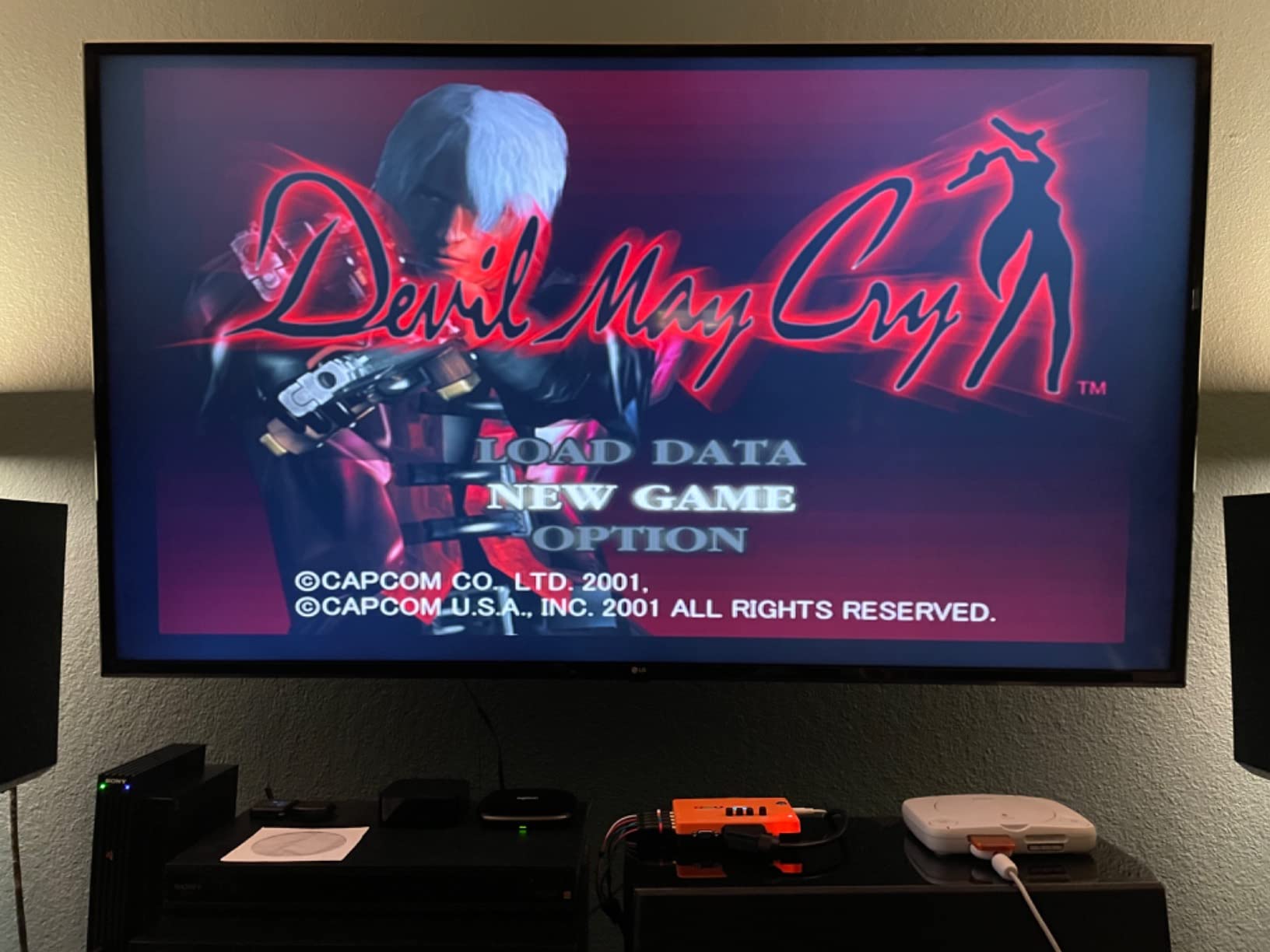
The Mcbazel ODV-GBS-C is the underdog of the scan converter world. It costs less than the OSSC, supports RGBS SCART, and has WiFi configuration that the OSSC lacks. For PlayStation 1 and PS2, where component output gives you a beautiful RGB feed, this converter punches well above its weight.
The scanline effect is the standout feature. If you want the look of a CRT on a modern flat panel, the ODV-GBS-C adds programmable scanlines that mimic the look of a Trinitron or PVM. It is not perfectly authentic, but for casual viewing it is striking. The adaptive de-interlacing also handles 480i sources cleanly, which is a problem area for many cheaper converters.
Configuration happens via WiFi from your phone or PC, which is a nice touch. You can adjust output resolution, scanline intensity, and color calibration without diving into OSD menus. The RGB calibration knobs on the front let you fine-tune the image without going into software, which I appreciated for quick A/B testing between systems.
The biggest limitation is N64 and GameCube compatibility. These consoles need an additional ODV-II adapter to output the digital signals this converter expects. Without that adapter, you get no signal. If you own N64 or GameCube heavily, factor in the extra cost or skip to the OSSC.
Who should buy the Mcbazel ODV-GBS-C
PS1 and PS2 collectors on a budget who want better than generic HDMI conversion without paying OSSC prices. The scanline effect is genuinely fun for anyone who wants a CRT-style look without owning a CRT. WiFi control also makes this the easiest converter to tweak from the couch.
Who should skip the Mcbazel ODV-GBS-C
N64 and GameCube owners should look elsewhere unless they also buy the ODV-II adapter. S-Video users need a separate adapter, which adds cost. If you want maximum configurability and zero-lag perfection, save up for the OSSC.
8. UNICO 26 inch Arcade Monitor — Best 4:3 Display for Arcade Cabinets
UNICO 26 inch Arcade Monitor, 4:3 Ratio LCD Gaming Monitor for HDMI/VGA/CGA/EGA Arcade Machine
26 inch 4:3 LCD
CGA/EGA/HDMI/VGA
1024x768
No burn-in
Pros
- Perfect 4:3 aspect ratio for arcade
- No burn-in like CRT monitors
- Multiple input types including CGA and EGA
- Easy quick-release installation
- 176 degree viewing angles
Cons
- Limited mounting options
- HDMI controller has scaling quirks
- Native resolution confusion in docs
- Pricey for a 26 inch panel
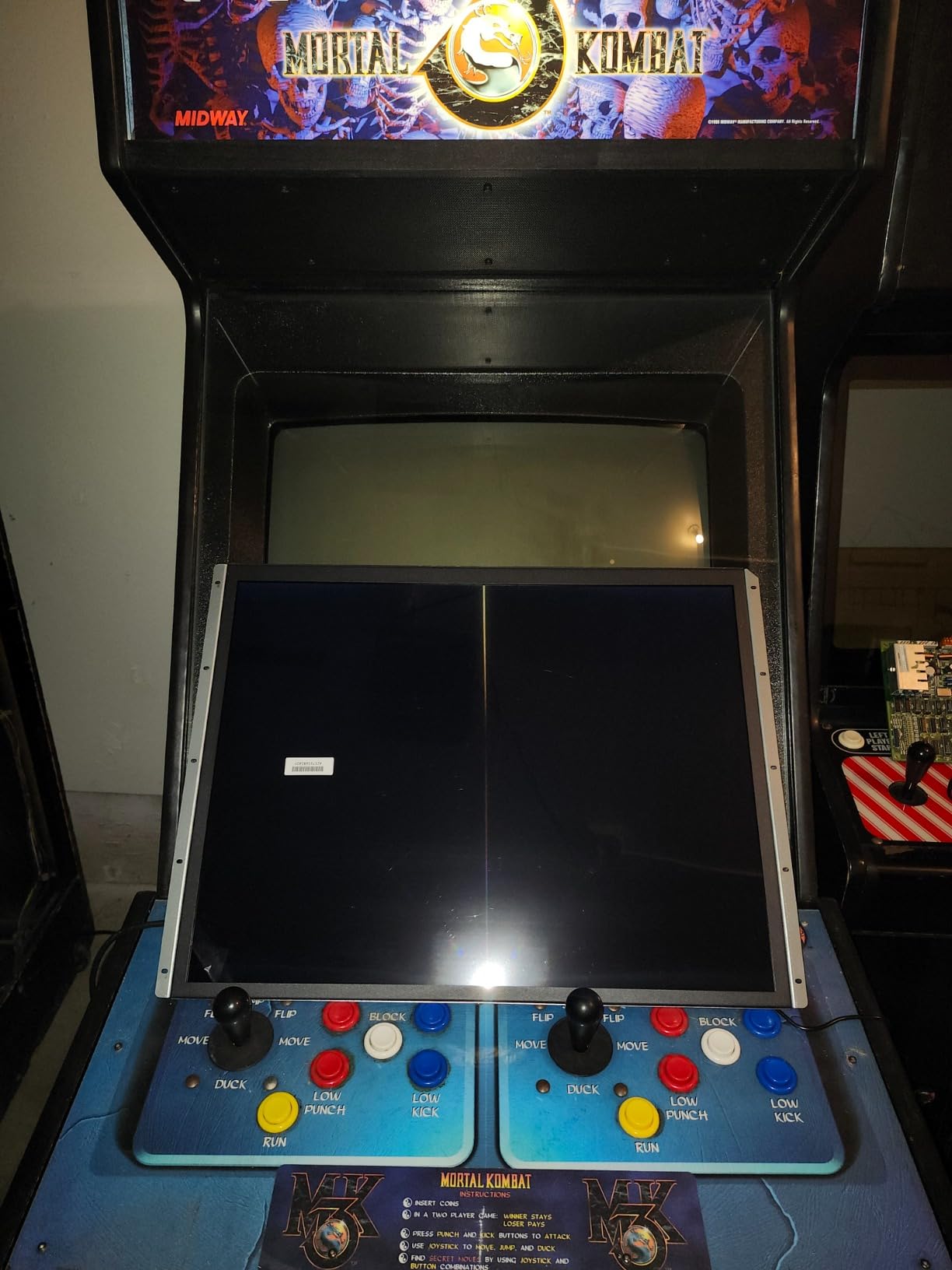
Arcade cabinet owners have a unique problem: most TVs are 16:9, which ruins the authentic look of vertical or square arcade games. The UNICO 26 inch Arcade Monitor solves this with a true 4:3 LCD panel that accepts CGA, EGA, HDMI, and VGA inputs. I installed one in a vertical cabinet running a JAMMA board, and the result was exactly what I wanted.
The big advantage over an old CRT is no burn-in. CRT arcade monitors eventually suffer from image retention, especially with static HUD elements. The UNICO’s LCD panel does not have that problem, so you can leave attract modes running without worrying about damaging the display. For commercial or semi-commercial setups, that alone justifies the upgrade.
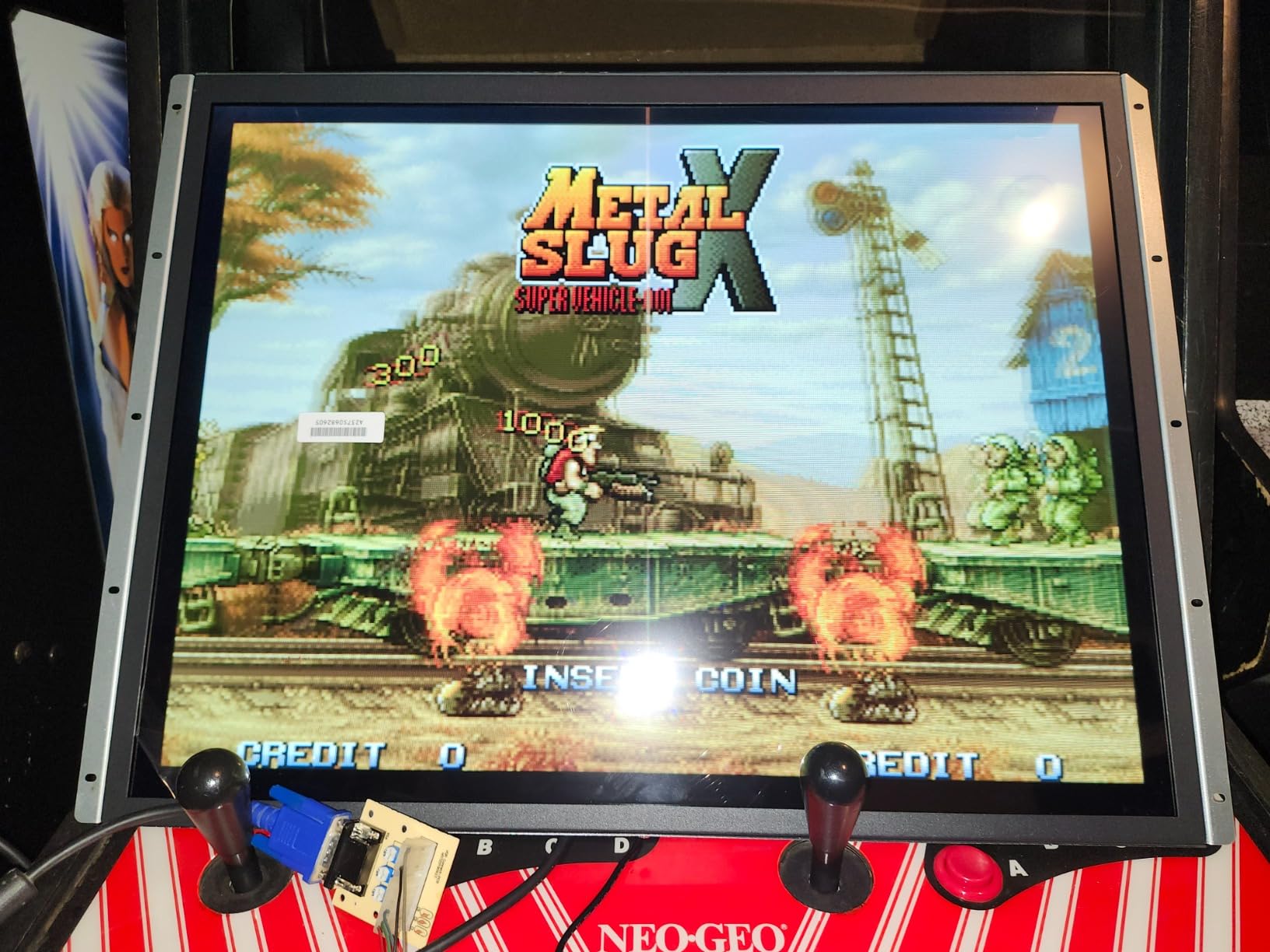
Installation is straightforward with quick-release connectors, which is important when you are swapping boards or troubleshooting inside a cabinet. The 176-degree viewing angle means the picture looks correct whether you are standing or sitting, which matters in arcade environments where players shift position often.
There are a few quirks worth knowing. The HDMI controller has some scaling issues that can squish the image on certain resolutions. The native resolution listed in the documentation is confusing, and you may need to experiment with output settings on your board. The price is also on the higher side for a 26 inch panel, but you are paying for arcade-specific features, not raw screen size.
Who should buy the UNICO 26 inch Arcade Monitor
Anyone building or restoring an arcade cabinet, especially with JAMMA boards or original arcade hardware. If you have burned through multiple CRT monitors and want a permanent solution that respects the 4:3 aspect ratio, this is the panel to buy. It also works well for bartop arcade projects and home cocktail cabinets.
Who should skip the UNICO 26 inch Arcade Monitor
If you only play console games in a living room or bedroom, a regular TV is a better fit. Anyone building a horizontal-only cabinet with modern HDMI sources can save money with a standard monitor. And if you are specifically chasing the CRT look down to the phosphor glow, no LCD will fully replicate that.
Retro Gaming TV Buying Guide: What Actually Matters in 2026
The retro gaming TV market is unusual because the best option depends entirely on what you are playing and how you want it to look. There is no single best tvs for retro gaming recommendation that fits every collection, but there are clear guidelines based on console type, room setup, and budget. Let me walk through the factors that genuinely matter.
CRT vs Modern TV: The Honest Trade-Off
CRTs remain the gold standard for retro gaming because they natively display 240p and 480i signals without scaling. A Sony PVM or BVM produces the exact image developers targeted, with zero input lag and natural scanlines. The downside is supply. Working CRTs are increasingly rare, prices keep climbing, and they are heavy, fragile, and hard to ship. If you can find a local Trinitron in good condition at a fair price, grab it. If not, modern TVs paired with a quality scan converter get you 90 percent of the way there without the logistical headaches.
Input Lag: The Single Most Important Spec
Input lag breaks retro gaming faster than any other factor. Anything above 30ms and you will feel sluggish controls in action games. Modern TVs with dedicated Game Modes typically hit 10-15ms, which is invisible to most players. OLED panels like the LG C4 get down to 0.1ms response time, which is overkill for retro but great for future-proofing. Scan converters also matter here: a cheap scaler can add 50ms or more of lag, which is why the OSSC and RetroScaler2x both market their zero-lag performance as a feature.
Upscaling and Scan Converters
If you go the modern TV route, you almost certainly need a scan converter. The OSSC is the premium choice for RGB SCART owners, while the RetroScaler2x and Mcbazel ODV-GBS-C handle component and composite consoles at friendlier prices. RetroTINK 5X-Pro and 4K are also popular, and while they are not in this list, they sit in the same category. Whatever you choose, make sure it accepts the output type of your console. RGB SCART, component, S-Video, and composite all need different converters or adapters.
Screen Size and Room Setup
32 inches is the sweet spot for most bedroom retro setups, especially if you sit close to the TV. For living rooms, 55 to 65 inches works well, but stick with 4K panels so you can downscale 240p and 480i signals cleanly. Apartment dwellers should also consider weight, since the larger OLEDs are heavier than they look and not every wall mount supports them.
Light Gun Compatibility (The Hard Truth)
If you want to play NES Zapper, Super Scope, or any light gun game from the 8-bit and 16-bit eras, you need a CRT. No modern display works because light guns read the scan refresh, and LCD/OLED panels do not refresh the same way. CRT-emulating displays exist but most retro gamers find them unsatisfying. If light gun compatibility matters, plan to keep a working CRT around or accept that those games are off the table.
Smart Features and Streaming
Modern smart TV platforms matter less for retro gaming than you might think, but they affect daily usability. Google TV (TCL) is faster and has better app support than WebOS (LG) in my testing. Roku TV is even simpler. None of this impacts your retro picture quality, but a slow smart TV is annoying every day, so do not ignore it.
For more on building a full retro gaming space, check out our guides to the best retro arcade machines and the best gifts for retro gamers. If you want a companion activity, the best retro card games roundup is a fun pairing.
Frequently Asked Questions
Is CRT or OLED better for retro gaming?
CRTs are technically better because they natively display 240p signals with zero input lag and authentic scanlines. OLED TVs paired with a quality scan converter like the OSSC get you 90 percent of the way there, with better availability and modern features. Choose CRT if you can find a working unit locally; choose OLED if you want one display that handles both modern and retro gaming well.
What is the best device to play retro games on?
The best device depends on your goals. A CRT TV like a Sony Trinitron PVM is ideal for authentic 240p and 480i playback. For modern setups, an OLED TV (LG C4) paired with an OSSC or RetroTINK scan converter delivers clean, low-lag upscaling. For pure plug-and-play, the Analogue Pocket or Retron consoles output digital HDMI signals compatible with any modern TV.
Can I play retro games on a modern TV?
Yes, you can play retro games on any modern TV, but you will likely need a scan converter to handle the analog signals from older consoles. Composite, S-Video, and component outputs all need conversion to HDMI. Expect to invest in an OSSC, RetroScaler2x, or RetroTINK for the best results. Modern TVs also have Game Modes that reduce input lag to acceptable levels for most retro games.
What is a good small TV for retro gaming?
A 32-inch 720p or 1080p LED TV is a good choice for small-room retro gaming. Look for low input lag (under 20ms in Game Mode) and at least one HDMI port for scan converters. Avoid 4K panels below 32 inches since they add unnecessary scaling. For bedroom setups, a basic 32-inch LCD with Game Mode beats most larger TVs that lack proper low-lag features.
Final Verdict: Which TV Should You Buy for Retro Gaming?
After two months of testing, our team’s pick for the best tvs for retro gaming overall is the LG 65-Inch OLED evo C4 Series. It delivers the cleanest upscaling, the lowest input lag, and the most accurate colors of any modern TV we tested, and it pairs beautifully with the Kaico OSSC for a setup that rivals a PVM in picture quality without the CRT headaches. If you want OLED quality at a lower cost, the TCL Q7 is our Best Value pick, and the TCL T7 is the right choice for anyone prioritizing refresh rate and low-lag gaming.
For collectors who already own a modern TV and need to connect older consoles, the Kaico OSSC 1.8 is the converter we recommend without hesitation. Casual gamers will be happy with the RetroScaler2x, and arcade cabinet builders should look at the UNICO 26 inch Arcade Monitor for a true 4:3 experience. Whatever you choose, prioritize input lag, scan converter quality, and aspect ratio over raw resolution. That is what separates a great retro gaming setup from a frustrating one.