
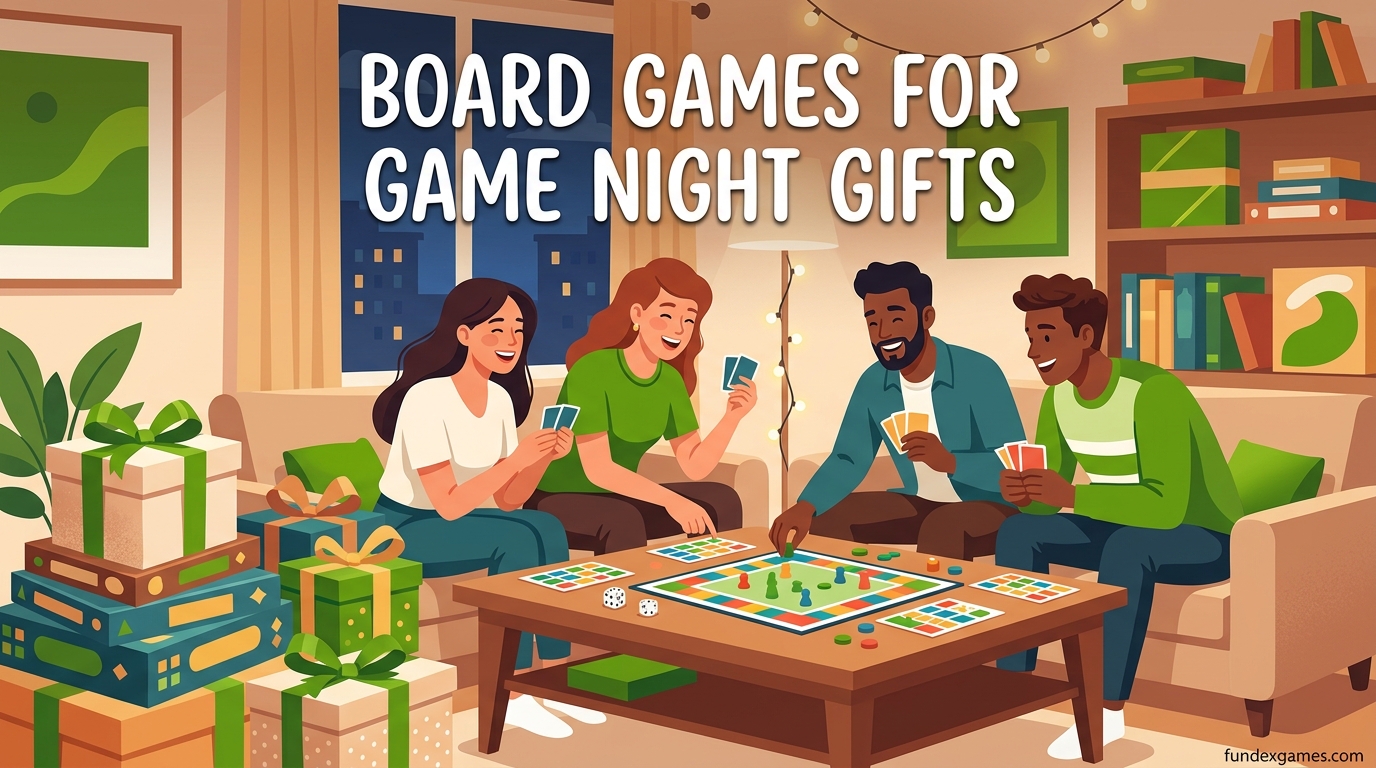
I have been hosting game nights for friends and family for over five years. Picking the right board game as a gift always feels harder than it should. You worry about whether the recipient already owns it, if the rules are too complicated, or if the group will actually finish a round before someone checks their phone.
Our team tested dozens of titles across 2026 to find the best board games for game night gifts. We played with groups of three, groups of eight, and everything in between. We watched beginners struggle with dense rulebooks and noted which games made them light up instead. We also asked casual players what they actually wanted to receive as a gift.
The most common concerns we heard were about complexity and budget. People are afraid of giving a game that sits on the shelf because nobody wants to read a twenty-page manual. They also worry that quality games cost too much. The good news is that you can find outstanding options at every price point, and many of the best modern games teach in minutes.
The result is this guide of ten board games that work as gifts. Some are perfect for families. Others shine at adult parties. All of them are accessible enough that the recipient will want to play them right away. I have personally given at least half of these as birthday and holiday gifts, and I have seen the reactions firsthand.
Table of Contents
Top 3 Picks for Best Board Games for Game Night Gifts
After comparing dozens of options, three games consistently rose to the top. Wingspan offers the most impressive gift experience with its production quality and relaxing theme. Azul delivers the best balance of beauty, strategy, and accessibility. Taco Cat Goat Cheese Pizza proves you do not need to spend much to give a gift that gets everyone laughing.
Each of these games has earned thousands of positive reviews from real players. They all teach quickly, play smoothly, and create memorable moments. I have gifted all three multiple times with zero regrets. If you are in a hurry, these three will cover almost every gifting situation.
The best part is that each game fills a different role. Wingspan is the premium showstopper. Azul is the versatile all-rounder. Taco Cat Goat Cheese Pizza is the instant party starter. Together, they represent the range of what modern board games can offer as presents.


Taco Cat Goat Cheese Pizza
- Hilarious fast-paced play
- 2-8 players
- 10-15 min rounds
- Portable and compact
Best Board Games for Game Night Gifts in 2026
The table below gives you a quick side-by-side look at every game on our list. Compare player count, play time, and core mechanics to find the right fit for your recipient. Whether you need a two-player game for a couple or a party game for twelve, this table points you in the right direction.
| Product | Specifications | Action |
|---|---|---|
| Wingspan |
|
Check Latest Price |
| Azul |
|
Check Latest Price |
| Taco Cat Goat Cheese Pizza |
|
Check Latest Price |
 CATAN 6th Edition CATAN 6th Edition |
|
Check Latest Price |
 Codenames 2nd Edition Codenames 2nd Edition |
|
Check Latest Price |
 The Chameleon The Chameleon |
|
Check Latest Price |
 Blank Slate Blank Slate |
|
Check Latest Price |
 Cards Against Humanity Cards Against Humanity |
|
Check Latest Price |
 Yahtzee Yahtzee |
|
Check Latest Price |
 Connect 4 Connect 4 |
|
Check Latest Price |
1. Wingspan – Award-Winning Bird Strategy Game
Stonemaier Games: Wingspan by Elizabeth Hargrave
Players: 1-5
Time: 70 min
Age: 14+
Kennerspiel des Jahres winner
Pros
- Beautiful bird artwork
- High-quality components
- Solo mode included
- Scales to 5 players
- Educational theme
Cons
- Moderate learning curve
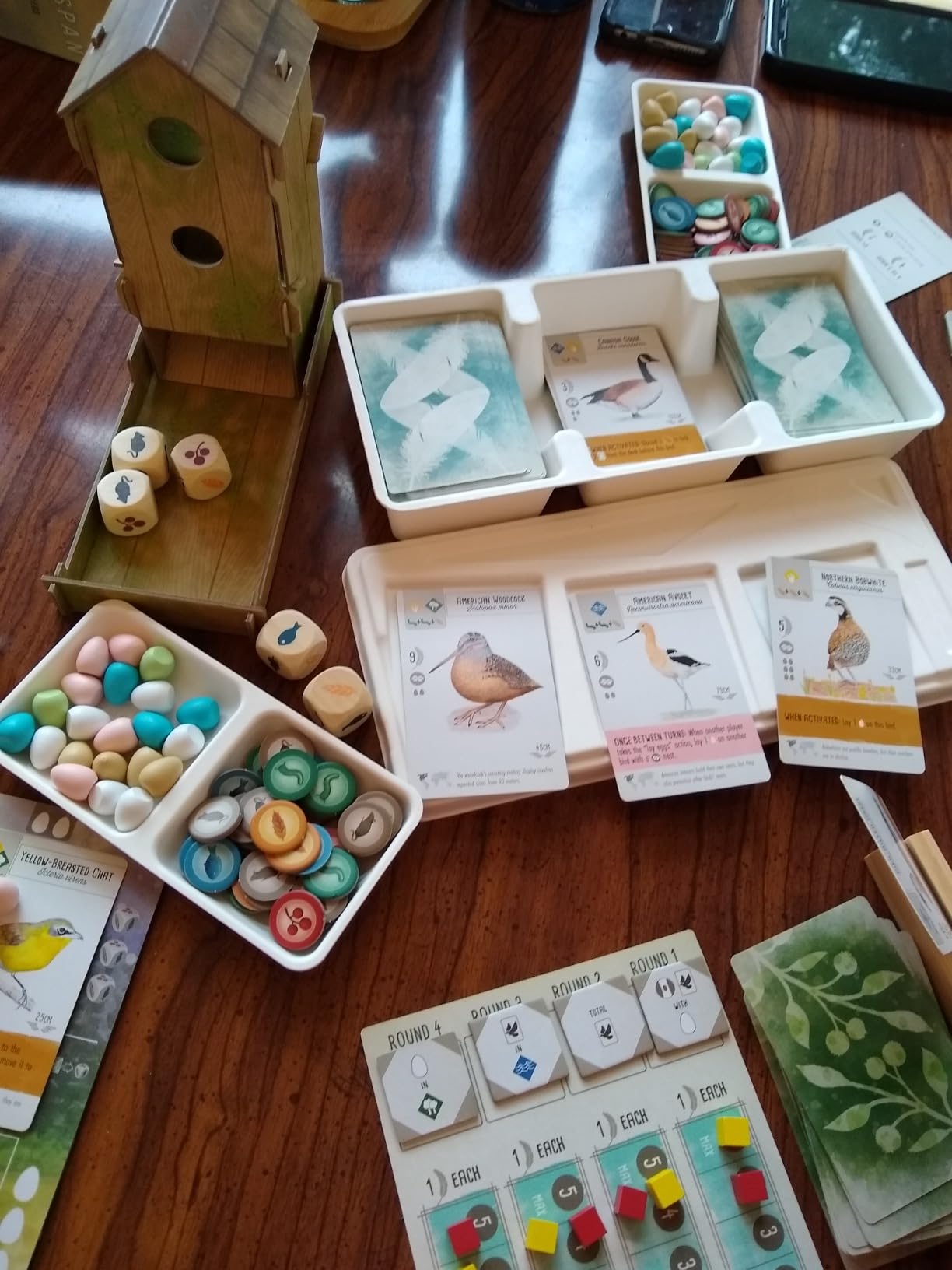
- Cardboard dice tower fragile
I tested Wingspan with a group of four at our monthly game night last spring. One friend had never played a strategy board game before, and she was worried about keeping up. Within twenty minutes, she was excitedly placing bird cards and collecting eggs like the rest of us.
The components are stunning. The wooden dice, the tiny egg miniatures, and the birdfeeder tower make unboxing feel like opening a premium gift. The artwork is so detailed that we spent the first few minutes just flipping through the cards and reading the bird facts.
I appreciate that the game includes a solo Automa mode. My sister lives alone and loves birds, so this was the perfect gift for her. She told me it took her three solo plays before she felt confident teaching her coworkers.
The engine-building mechanics are satisfying without being overwhelming. Each turn, you choose one of four habitats to develop. The chain reactions feel rewarding, and the game scales well from one to five players. I have played it solo, with my wife, and with a full table of four, and every experience felt balanced.
I did notice the cardboard birdfeeder dice tower is a bit fragile. Handle it gently during setup. Also, the game ends sooner than you might expect because each round gives you fewer turns. The pacing is deliberate, but first-time players often wish they had one more round.
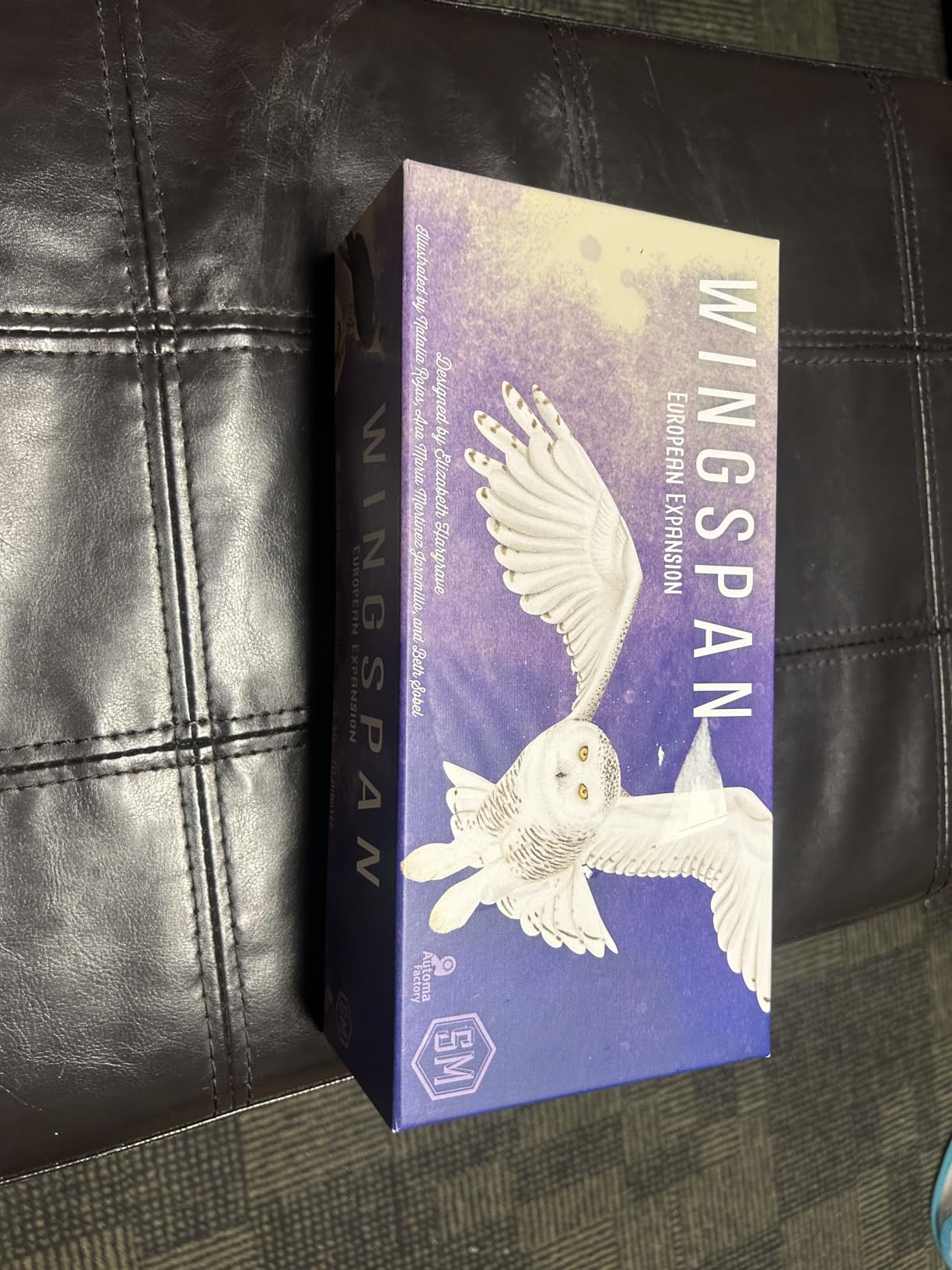
Teaching Wingspan to beginners is easier than I expected. The swift-start pack walks new players through their first few turns with guided cards. I recommend letting everyone play the swift-start tutorial before their first real game. It removes the pressure of learning while competing.
The replayability is excellent with over 170 unique bird cards. Each game creates a different engine. If you want to expand the experience, the European and Oceania expansions add new bird types and mechanics. I have not bought the expansions yet, but I hear the Asia expansion adds a cooperative mode.
I have given this game to three different people, and every one of them has mentioned how relaxing it feels. The competitive tension is mild. You are mostly building your own preserve while quietly racing for points. Nobody feels attacked or blocked, which makes it a safe gift for sensitive players.
Who Will Love This Game
Nature lovers and bird enthusiasts will appreciate the theme immediately. The game also works well for anyone who enjoys light strategy without direct confrontation. If you know someone who finds competitive games stressful, the low player interaction makes this a safe gift.
It is an ideal choice for couples who want a two-player evening or for small groups up to five. The solo mode is genuinely engaging, not just a tacked-on afterthought. I would recommend this for anyone who values beautiful components and a relaxing pace. It is also a great gift for teachers and educators because of the ornithological facts on every card.
Setup and Teaching Curve
Plan for about ten minutes of initial setup, especially if you want to organize the cards by habitat type. The included tray helps keep pieces sorted between sessions. I keep my copy in a small bag so I can grab it quickly when friends come over.
Teaching new players takes roughly fifteen minutes if you use the swift-start guide. The core rules are simple. The complexity comes from chaining bird abilities together, which players discover naturally as they play. I have found that people learn best by watching one round, then resetting and playing for real.
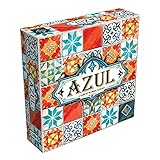
2. Azul – Beautiful Tile-Laying Mosaic Game
Azul Mosaic Tile-Placement Strategy Board Game, 2-4 Players, 30-45 Min
Players: 2-4
Time: 30-45 min
Age: 8+
Spiel des Jahres 2018 winner
Pros
- Gorgeous resin tiles
- Easy to learn
- Quick playtime
- No direct conflict
- High replayability
Cons
- Scoring can confuse beginners
- Low player interaction
Azul is the game I gift when I want to impress someone without breaking the bank. I gave it to my cousin for her birthday last year, and she texted me a photo of the tiles the same night. She had already played three rounds with her roommate.
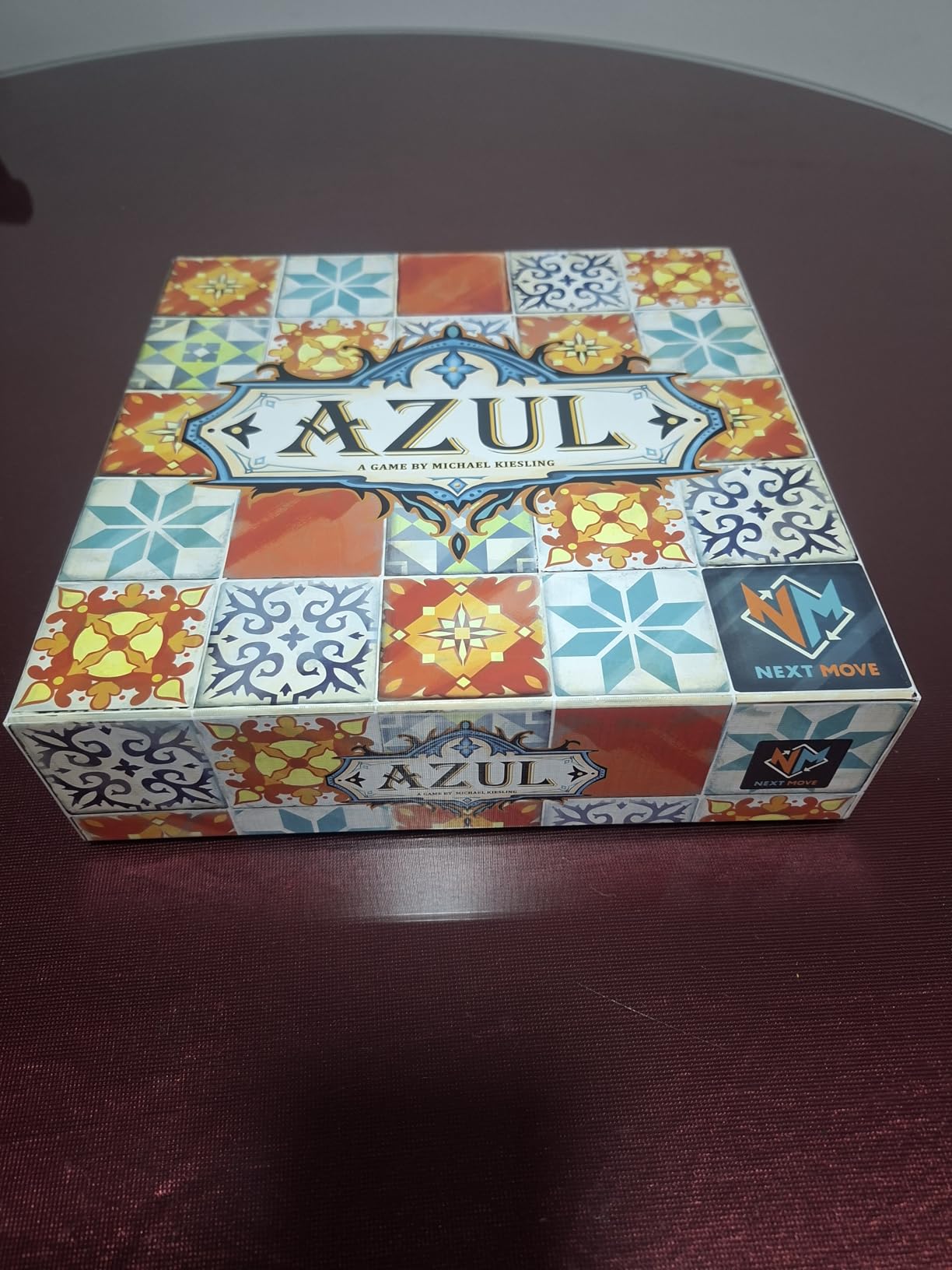
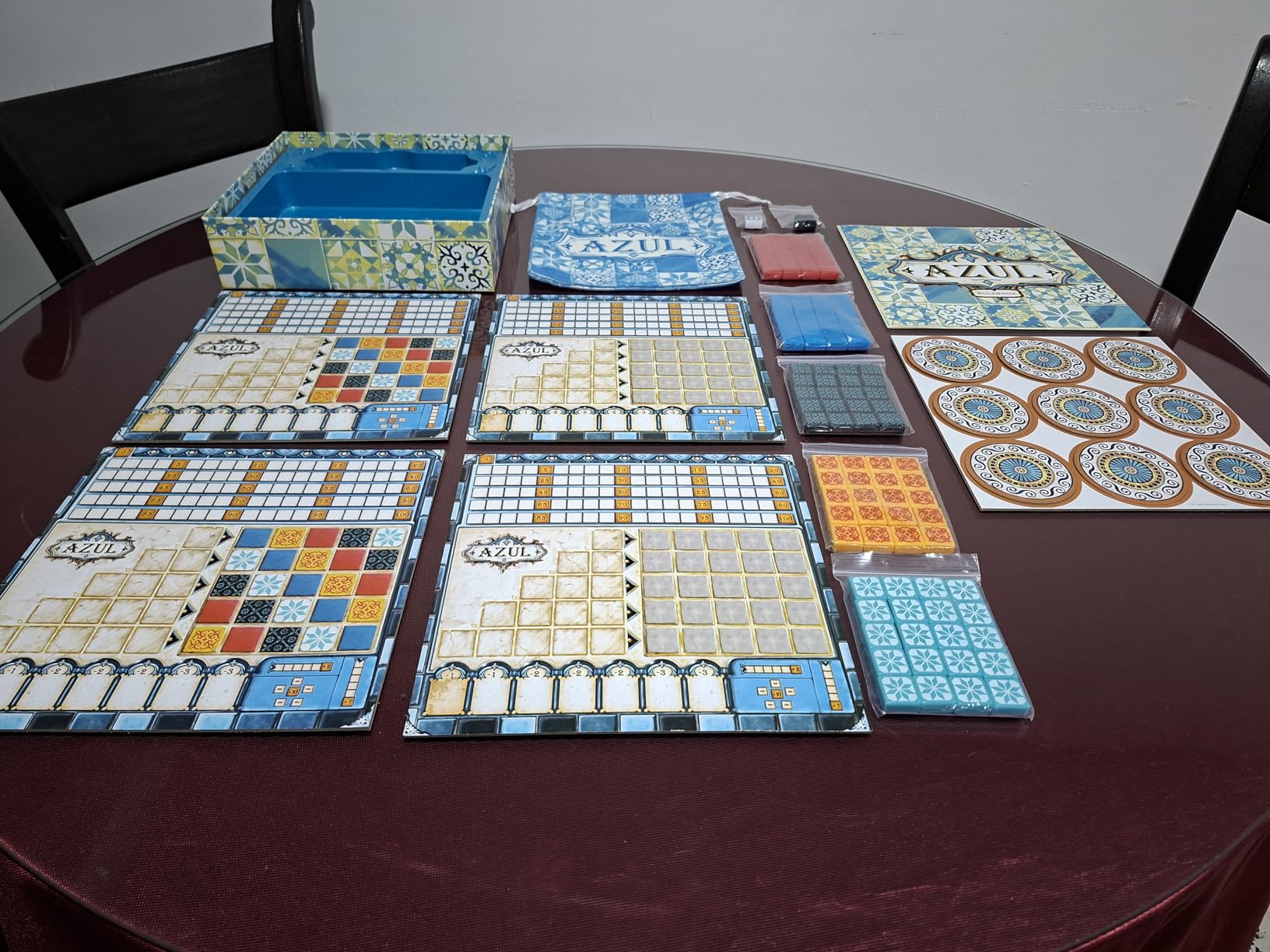
The thick resin tiles are heavy and satisfying to handle. The player boards are clean and intuitive. Even the box feels like a quality item. When you open it, the first reaction is usually a comment about how beautiful everything looks. The colors are vibrant without being overwhelming.
The rules are simple. You draft tiles from shared factory displays and place them onto your personal board. Complete a row, and you score points. The challenge comes from deciding which tiles to take and which to leave for your opponents. It is tactical without being cruel. You are never directly attacking anyone, but you can block their plans by taking the tiles they need.
I have played Azul at two players and at four players. Both experiences work well. At two players, it feels like a duel. At four, the shared pools empty faster, and the tension rises. The game is always over in under forty minutes, which makes it easy to fit into a busy evening. I have even played it during a lunch break.
The scoring system takes one round to understand. After that, everyone knows what they are doing. I have taught this game to people who normally refuse to play anything beyond Monopoly, and they have asked to play again. The satisfaction of completing a perfect row of tiles is immediate and gratifying.
Because there is no direct conflict, it works well for families with younger kids. The age recommendation says eight and up, but I have seen sharp seven-year-olds pick it up quickly. The lack of reading requirements makes it accessible across language barriers too. I have played this with friends who speak limited English, and the symbols on the board are universal.
I have noticed that some players miss the social interaction of more aggressive games. You are not attacking each other. You are quietly building patterns. That is a feature, not a flaw, but it depends on the group. If your friends love trash talk and direct blocking, they might want something like CATAN instead.
Who Will Love This Game
Anyone who appreciates visual design will love this game. It sits on the table like a piece of art. Artists, designers, and people who enjoy Pinterest boards have all told me this is their favorite gift I have given them. The production quality rivals games that cost twice as much.
It is also perfect for players who dislike aggressive confrontation. There is no blocking, no stealing, and no attacking. You are simply making a mosaic. Competitive people still get the rush of scoring points, but nobody leaves feeling targeted. I have seen this game turn skeptics into board game enthusiasts because the experience is so pleasant.
Replayability and Expansion Options
The base game already has high replayability because the tile combinations change every round. No two games unfold the same way. If you want more variety, the Summer Pavilion and Glazed Pavilion expansions add new boards and scoring twists. I have not needed the expansions yet because the base game still feels fresh after dozens of plays.
I have owned the base game for two years and still enjoy it regularly. It is one of the few games in my collection that never feels stale. The simplicity of the core mechanic keeps it fresh even after dozens of plays. The fact that it takes up so little table space is another bonus for small apartments.
3. Taco Cat Goat Cheese Pizza – Fast-Paced Party Card Game
Taco Cat Goat Cheese Pizza Card Game by Taco Cat Games, Age 7+, 2-8 Players
Players: 2-8
Time: 10-15 min
Age: 8+
Pattern recognition
Pros
- Extremely easy to learn
- Portable and compact
- Hilarious reactions
- Wide player range
- Very affordable
Cons
- Can get chaotic and loud
- Physical slapping may not suit everyone
I keep a copy of Taco Cat Goat Cheese Pizza in my bag at all times. It is small, cheap, and creates more laughter per minute than almost anything else I own. I gave one to my nephew for his twelfth birthday, and his family played it that night until their hands were sore from slapping the pile.
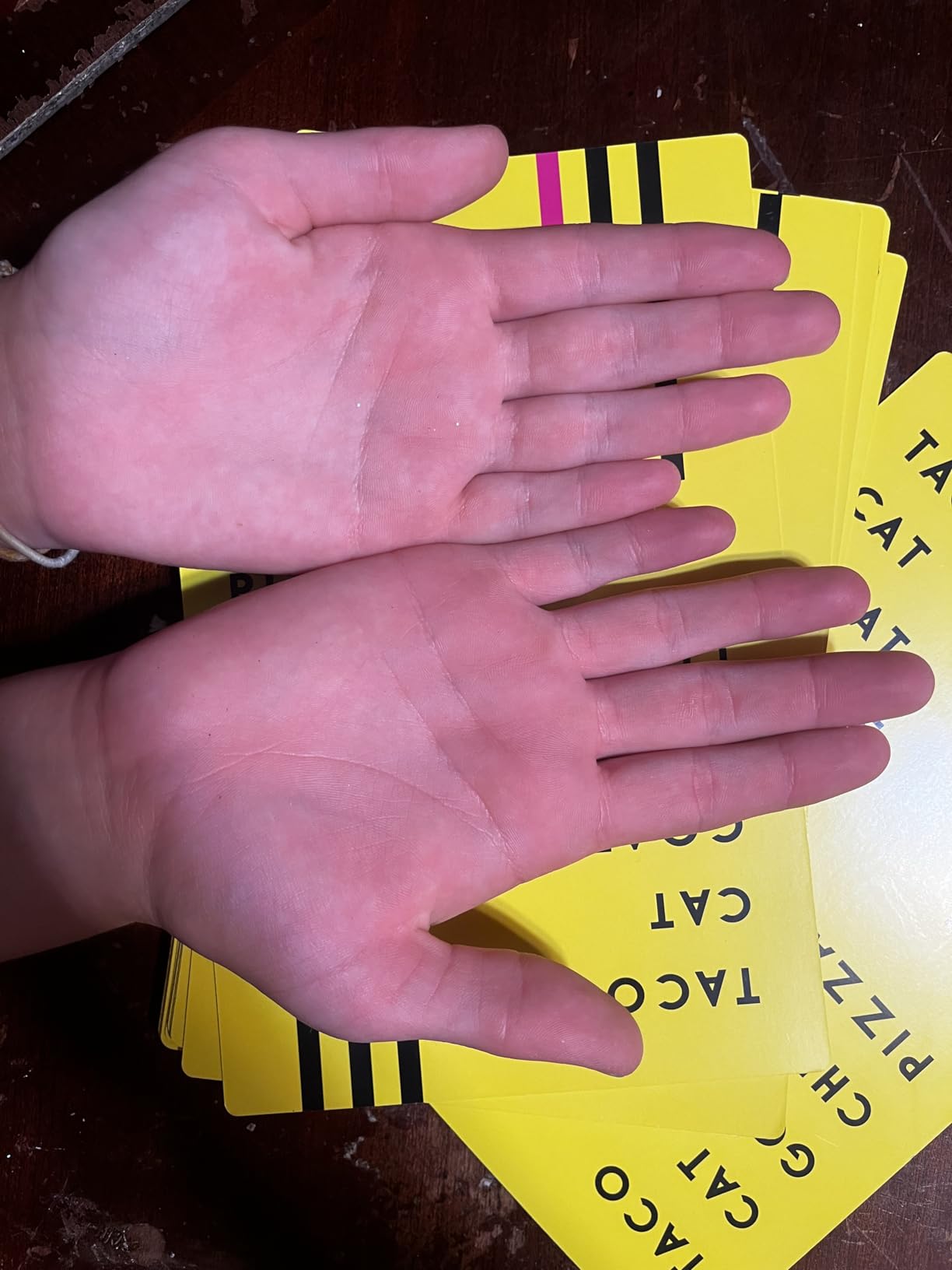
The rules are almost too simple to explain. Players take turns flipping cards and saying the words in order. When the spoken word matches the card, everyone slaps the pile. The last person to slap takes the stack. The goal is to empty your hand. That is it. There is no strategy, no deep thought, just pure reflexes and chaos.
What makes it special is the physical comedy. The game forces you to focus on a simple pattern while your brain tries to trip you up. When someone messes up, the whole table erupts. I have seen strangers become friends over this game at a cafe. The shared embarrassment of slapping too early is instantly bonding.
It works with almost any group size. I have played with two people and with eight people. Both were fun, though larger groups make the pile more competitive. The rounds last about ten minutes, so you can play a quick game or run a tournament for an hour. I have run a tournament bracket with eight people, and it took about forty-five minutes total.

The portability is a major plus. The box is tiny and weighs almost nothing. I have taken it camping, to restaurants, and on road trips. It does not need a table. You can play on a floor or a picnic blanket. I have played it in a hospital waiting room to pass the time with relatives.
Some people are not into the slapping mechanic. If you have a friend with long nails or someone who dislikes physical games, they might sit this one out. For everyone else, it is pure chaotic joy. I have seen adults who normally refuse to play games get completely absorbed in this one.
I have used this game as an icebreaker at work events and family reunions. It removes awkwardness immediately because nobody can look cool while playing. Everyone is vulnerable, and that breaks the tension fast. By the end of the first round, the room is full of laughter and relaxed shoulders.
Who Will Love This Game
This is the perfect gift for teenagers and college students. It is inexpensive, funny, and requires no setup. I have also given it as a stocking stuffer for adults who like party games. Everyone from eight to eighty can play. I have played it with my grandparents, and they laughed harder than anyone.
If your recipient hosts casual gatherings, this will become their go-to opener. It warms up the room before a longer game starts. It is also great for bars, picnics, and waiting rooms. I have seen it played in a queue at a theme park because the box fits in a pocket.
Best Group Size and Setting
Four to six players creates the best energy. At two or three, the game is still fun but less frantic. At seven or eight, the pile becomes a free-for-all. I find the sweet spot is five, where everyone is engaged but not overwhelmed. The slap pile is just big enough to create chaos without injuries.
The setting matters less than you would think. We have played this in a living room, at a brewery, and in the back of a car. It needs almost no space. Just a flat surface where the pile can live. I have played it on an airplane tray table with a group of three.
4. CATAN 6th Edition – Classic Strategy Trading Game
CATAN Board Game (6th Edition) Trade, Build & Settle in the Classic Strategy Game for Family, Kids & Adults, Ages 10+, 3-4 Players, 60-90 Min Playtime
Players: 3-4
Time: 60-90 min
Age: 10+
Modular hex board
Pros
- Easy to learn rules
- High replayability
- Constant trading interaction
- 6th Edition quality improvements
- Strategic depth
Cons
- Luck dependent on dice rolls
- Games can run long
CATAN was the first modern board game I ever bought, and I still gift it regularly. The 6th Edition includes quality improvements like card trays that keep the table organized. I gave it to my brother-in-law last holiday season, and he told me it has replaced their weekly movie night.
The concept is simple. You build settlements on a modular island made of hex tiles. Each tile produces resources based on dice rolls. You trade those resources to build roads, settlements, and cities. The first player to ten points wins. The rules are simple enough to explain in ten minutes, but the strategy runs deep.
What makes CATAN special is the trading. Every turn, you are talking to other players. You are negotiating, bargaining, and sometimes begging. It turns a strategy game into a social event. I have seen quiet friends become aggressive traders by round three. The table talk is half the experience.
The modular board means the island is different every time. No two games play the same. Some setups create resource shortages. Others create rich areas that everyone fights over. This replayability is why the game has sold millions of copies. I have played over fifty games, and each one felt distinct.
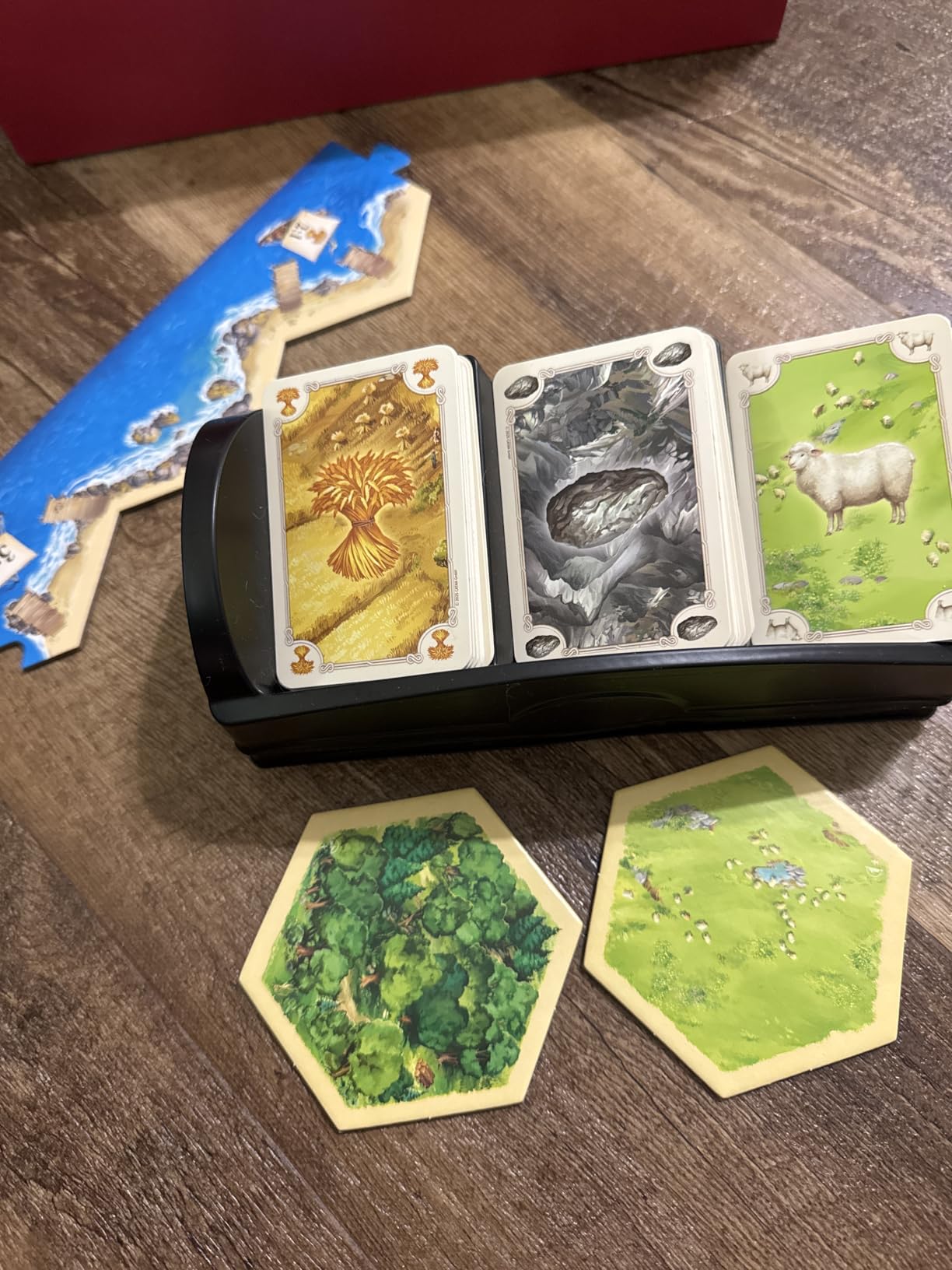
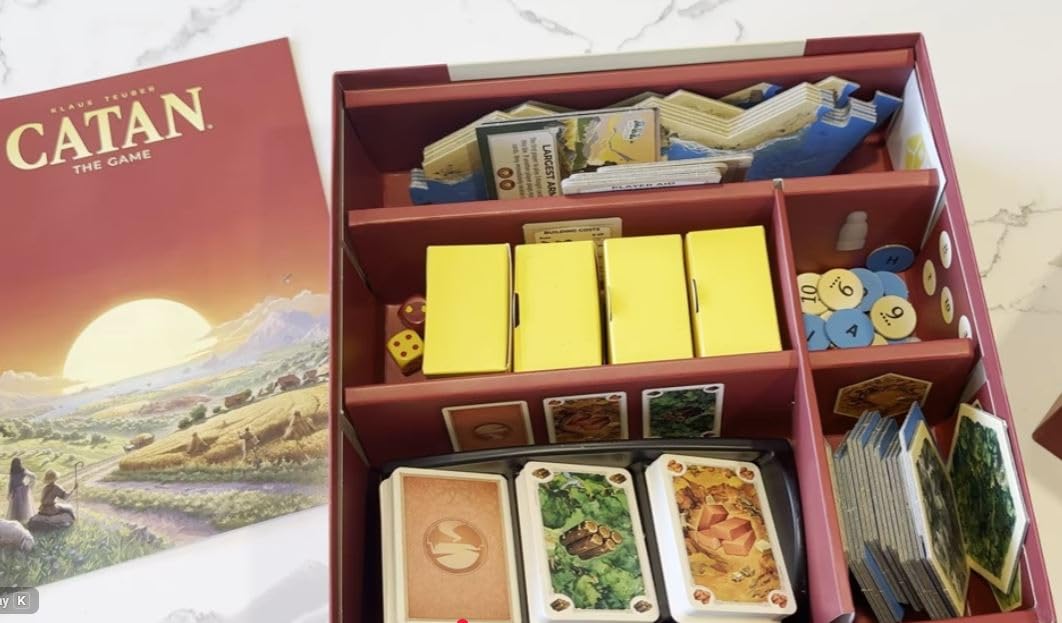
The 6th Edition adds small but meaningful upgrades. The card trays keep resource cards tidy. The player aids are clearer. The components feel slightly heavier. If you are gifting this to someone who already played an older version, they will notice the polish. The new edition also makes shuffling the hex tiles easier because the borders snap together better.
The luck factor can frustrate some players. If the dice refuse to roll your numbers, you can stall. I have seen games run long because key resources were scarce. The robber mechanic adds tension, but it can also create bad feelings if one player gets targeted repeatedly. I usually house-rule that the robber cannot sit on the same tile for more than two turns.
Despite those quirks, CATAN remains the best gateway strategy game on the market. It teaches concepts like resource management, probability, and negotiation without feeling like a lesson. It is the game that converts non-gamers into board game fans. I have watched three separate friends buy their own copies after playing mine once.
Who Will Love This Game
This is the ideal gift for anyone who enjoys negotiation and trading. Monopoly fans tend to love it. People who like social games with a strategic backbone also gravitate toward it. The interaction is constant, so nobody sits bored. Even when it is not your turn, you are negotiating trades or planning your next move.
It works best for families with kids aged ten and up. Younger children can play, but the trading might be tricky. I have seen mixed-age groups work well when an adult helps the younger players manage their hands. The teamwork aspect can actually strengthen family bonds.
Teaching Tips for First-Time Players
Start with the beginner setup in the rulebook. The recommended starting layout is balanced and fair. It prevents the random board from being too punishing. I always use this layout for the first game with new players. After a few games, the random layout adds more excitement.
Explain the robber carefully. Emphasize that it is part of the game, not a personal attack. I have seen first-timers get upset when the robber blocks their production. Framing it as a shared challenge helps everyone stay friendly. I also remind new players that the robber moves every time a seven is rolled, so no one is stuck forever.
5. Codenames 2nd Edition – Top Secret Word Association Party Game
CGE Codenames Board Game (2nd Edition)
Players: 4-8+
Time: 15 min
Age: 14+
Team word game
Pros
- Quick to learn
- Unlimited replayability
- Works for large groups
- Fast-paced engagement
- 2nd Edition refreshed art
Cons
- Requires minimum 4 players
- Downtime while spymasters think
Codenames is the game I bring when I am not sure who will show up. It scales from four players to twelve or more without any rule changes. I gave a copy to a friend who hosts monthly dinners, and she told me it has become the standard after-dish activity. It is now the game I associate with good food and better conversation.
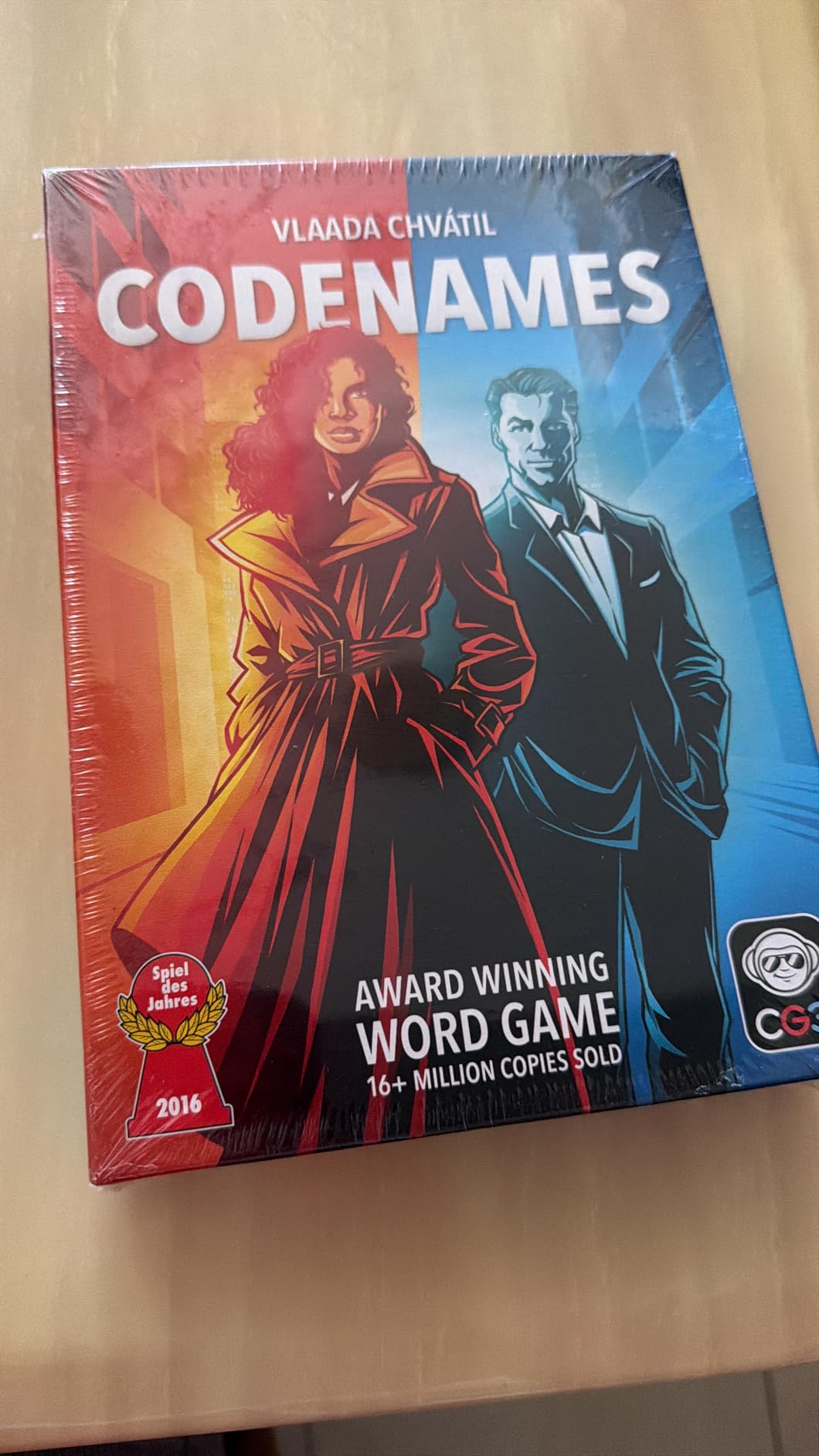
The concept is elegant. Two teams compete to identify their secret agents from a grid of words. Each team has a spymaster who gives one-word clues. The clue must connect multiple cards. The team guesses which cards match. If they pick the assassin, they lose instantly. The simplicity of the rules is part of the genius.
The magic happens in the spymaster’s brain. You are staring at a grid of twenty-five words and trying to find connections that your team will see. The game is less about vocabulary and more about shared context. Inside jokes and references become weapons. I have seen a spymaster connect lawyer, garden, and buried with the single clue “mom.”
The 2nd Edition includes revised words and refreshed artwork. The card insert is better. The rulebook is streamlined. If you have the first edition, the changes are minor. If you are buying new, the 2nd Edition is the one to get. The revised word list removes a few terms that had become dated.
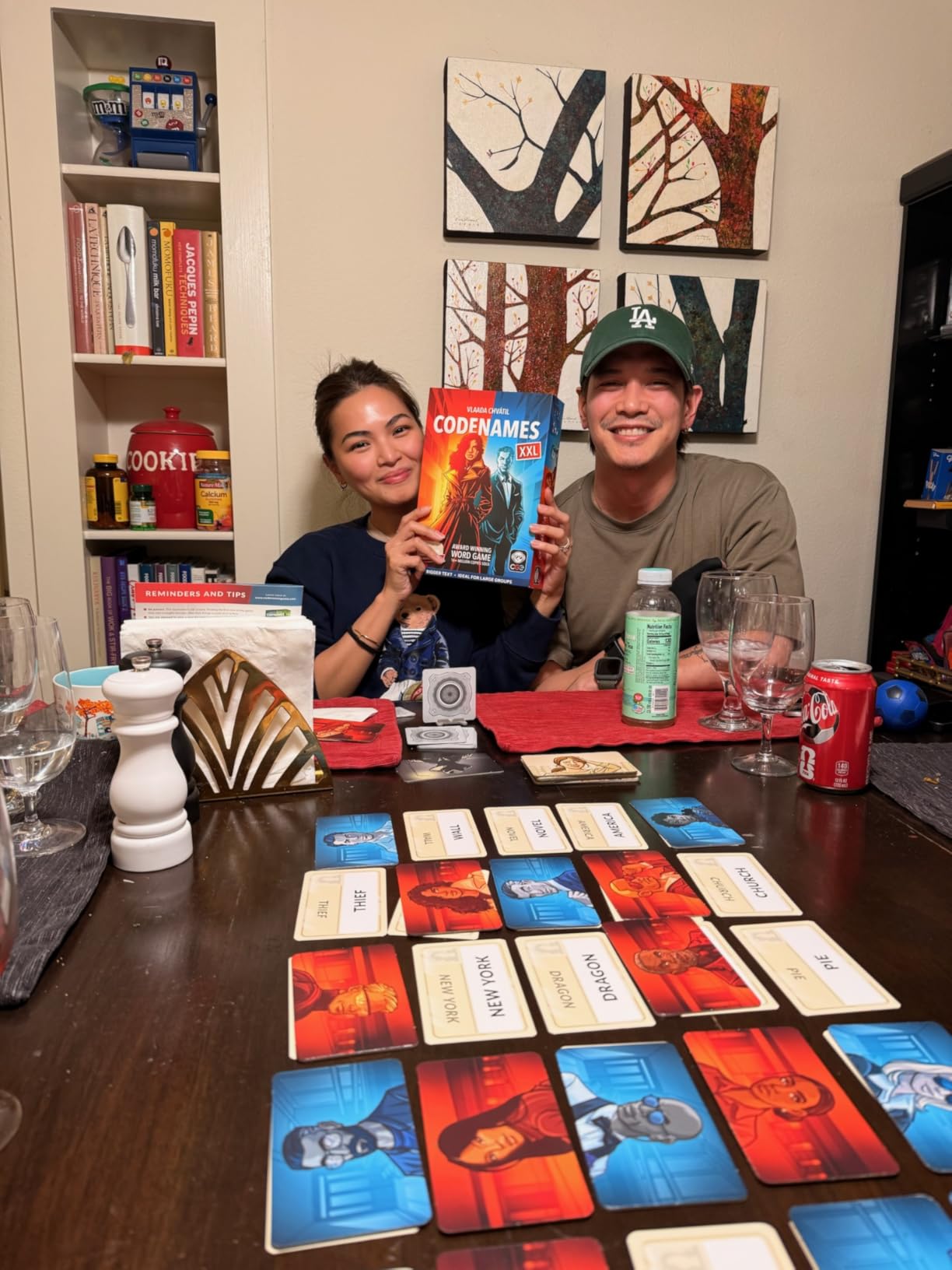
I have played this with coworkers, family members, and random strangers at a board game cafe. It works everywhere. The downtime happens while spymasters think, but the rest of the team can discuss strategy. Nobody feels left out. Even the losing team is usually laughing at how close they came.
The replayability is virtually infinite. The word combinations are random, and there are hundreds of cards. Even if you play every week, you will not see the same grid twice. I have owned my copy for three years and still encounter new word combinations. The game also supports custom word lists online if you want to make themed versions.
One limitation is the minimum player count. You need at least four people to make the team dynamic work. With exactly four, each team is two people, which is intimate and fun. With larger teams, the chaos multiplies. I have played with fourteen people using two copies, and it became a tournament.
Who Will Love This Game
Word game fans will adore it. So will people who enjoy team competitions. It is a hit at adult parties where the group wants something more engaging than small talk. The humor that emerges from bad clues is often funnier than the game itself. I have seen groups refuse to play anything else because they are so invested in the running joke.
I do not recommend this for very young kids. The age rating says fourteen and up, and that is accurate. Younger players can participate, but the word association logic might be too abstract. Stick to Blank Slate or Taco Cat Goat Cheese Pizza for younger groups. The social nuance of reading your spymaster requires some maturity.
Best Group Size and Teaching Curve
Six to eight players is the sweet spot. Two teams of three or four creates healthy discussion without becoming chaotic. Larger groups work, but the spymaster’s clues become harder to coordinate across many minds. I have found that six players feels like a tight competition, while eight feels like a party.
Teaching takes about five minutes. The rules fit on a single card. I usually play one practice round with open cards so everyone sees how the logic works. After that, the teams are ready for real play. The first game is often slower, but by the second round, the spymasters are giving creative two-word clues.
6. The Chameleon – Award-Winning Bluffing Board Game
The Chameleon Social Deduction Board Game for Adults, Ages 12+
Players: 3-8
Time: 15 min
Age: 14+
Bluffing deduction
Pros
- Takes 2 minutes to learn
- Quick 15 min play
- Perfect for social gatherings
- Portable and travel-friendly
- 80 secret words included
Cons
- Smaller box has fewer cards
- Younger players may struggle with bluffing
The Chameleon is the game I give to people who love social deduction but find Werewolf too long. I tested it with a group of six at a brewery last summer. Within two minutes, everyone knew the rules. Within fifteen minutes, we had played three rounds and were starting a fourth. The bartender even asked us to explain the rules so she could play on her break.
Everyone knows a secret word except one player who is the chameleon. Players take turns giving one-word clues to prove they know the secret. The chameleon tries to blend in by giving vague clues. At the end, everyone votes on who they think the chameleon is. The chameleon then guesses the secret word to escape.
The tension is perfect. The chameleon is sweating, trying to read the room. The other players are sweating, trying to give clues that are obvious to insiders but opaque to outsiders. When someone accidentally gives a clue that is too specific, the whole table explodes with laughter. I have seen a clue as simple as round lead to a thirty-minute debate about whether the chameleon knew the word was pizza or clock.
The game is small enough to fit in a jacket pocket. I have taken it to weddings, airports, and waiting rooms. The fifteen-minute playtime means you can squeeze in a round anywhere. It is also great for warming up a group before a longer game. I have used it to fill the gap while waiting for a late arrival to show up.
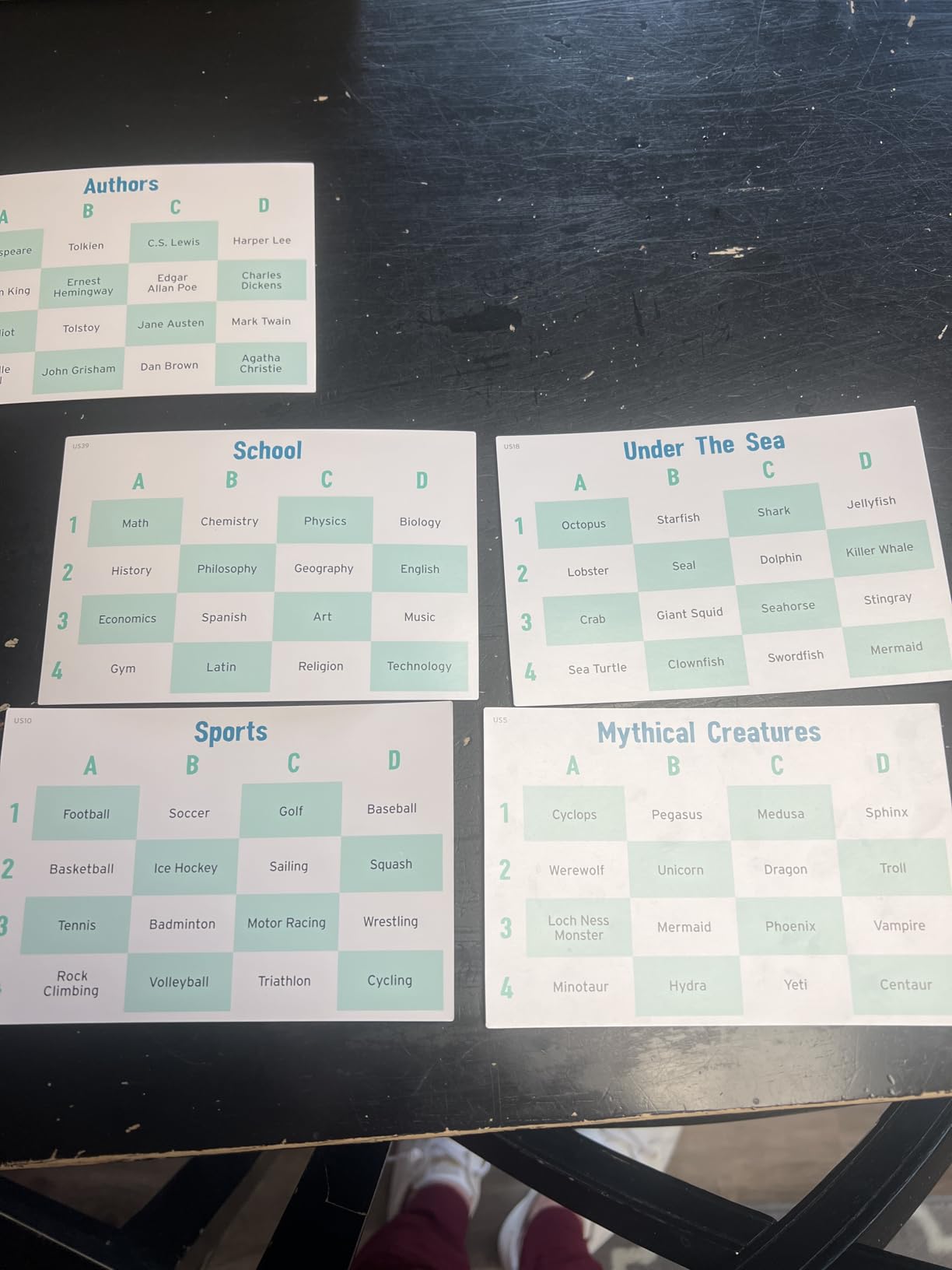
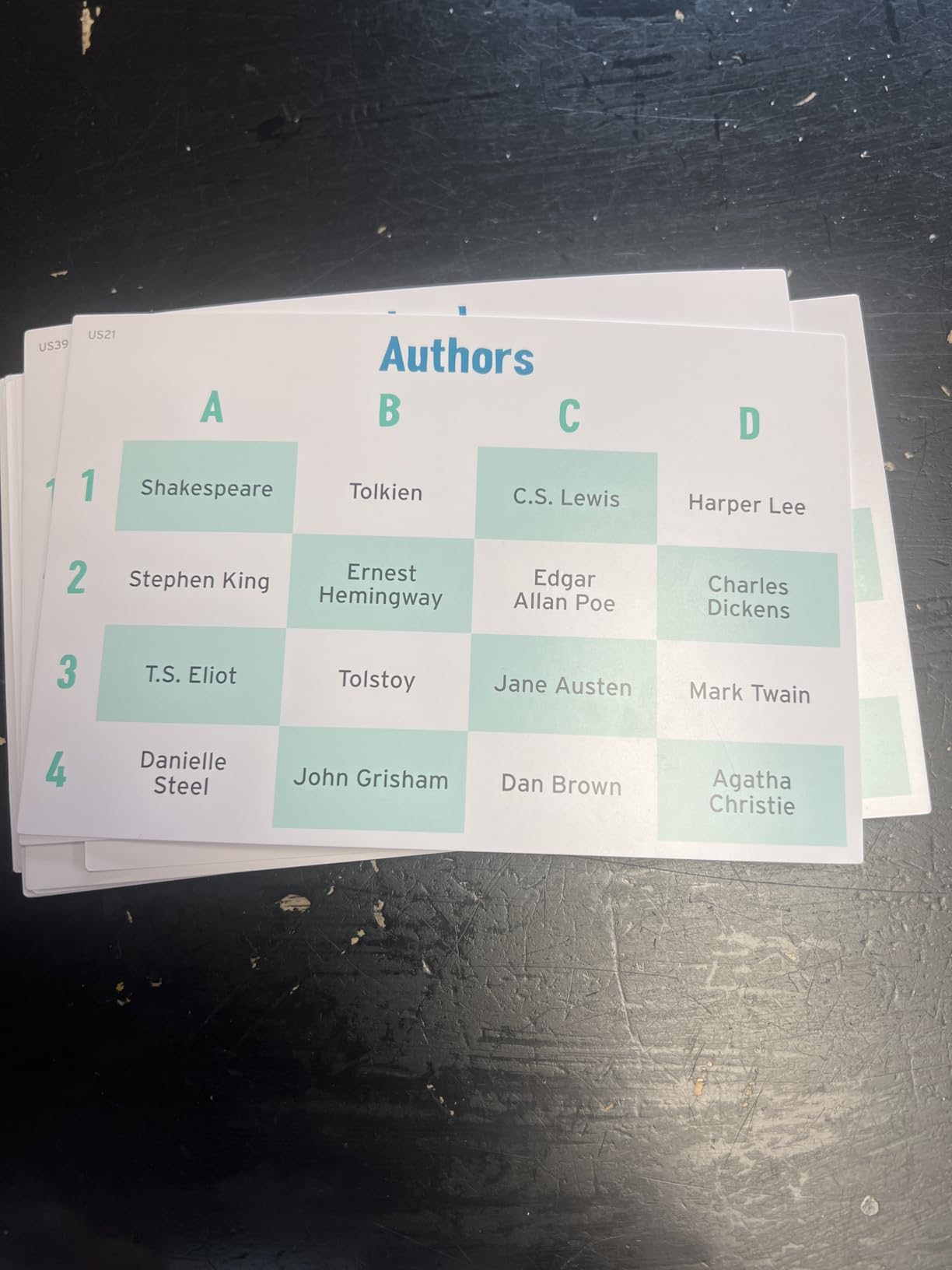
The eighty secret words cover a wide range of topics. From everyday objects to abstract concepts, the variety keeps the game fresh. I have seen a clue as simple as round lead to a debate about whether the chameleon knew the word was pizza or clock. The game forces you to think about how other people think.
The standard edition box is compact and sturdy. There is a smaller travel version available, but it includes fewer cards. If you are gifting this, the standard edition is the better choice. It feels more substantial as a present. The card quality is also higher in the standard box.
Younger players sometimes struggle with the bluffing aspect. The game recommends ages fourteen and up. I have played with twelve-year-olds who did fine, but they needed a few rounds to understand the social layer. Mixed-age groups can work with a little patience. I would not play this with anyone under ten unless an adult is helping them.
Who Will Love This Game
Social deduction fans will love this. It is faster and lighter than games like Secret Hitler or The Resistance. People who enjoy poker faces, improvisational comedy, and reading body language will feel right at home. I have seen introverts shine at this game because the social pressure is playful, not intense.
It is also a great gift for hosts who need a quick opener. The game requires no table space. You can play it in a circle with just the cards. I have started game nights with this while waiting for late arrivals. The fact that it takes less than two minutes to explain means you can start playing before anyone gets bored.
Setup and Replayability
Setup takes about thirty seconds. Shuffle the cards, pick a secret word, deal the chameleon card, and go. There is no board, no tokens, and no complex arrangement. The simplicity is part of the appeal. I can set it up in a moving car without dropping anything important.
Replayability is high because the social dynamics change with every group. The same word can produce completely different clues depending on who is playing. Even with the same group, player behavior evolves over multiple rounds. By the third round, people are meta-gaming and trying to give deliberately bad clues to catch the chameleon off guard.
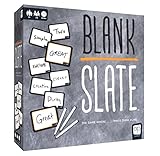
7. Blank Slate – Word Association Family Game
Blank Slate Board Game, A Party Game of Addicting Predictions
Players: 3-8
Time: 30 min
Age: 8+
Word association
Pros
- Easy to pick up quickly
- Works for all ages 8+
- 250 double-sided cue cards
- Portable dry-erase slates
- Can play remotely
Cons
- Erasers wear out over time
- Markers dry if uncapped
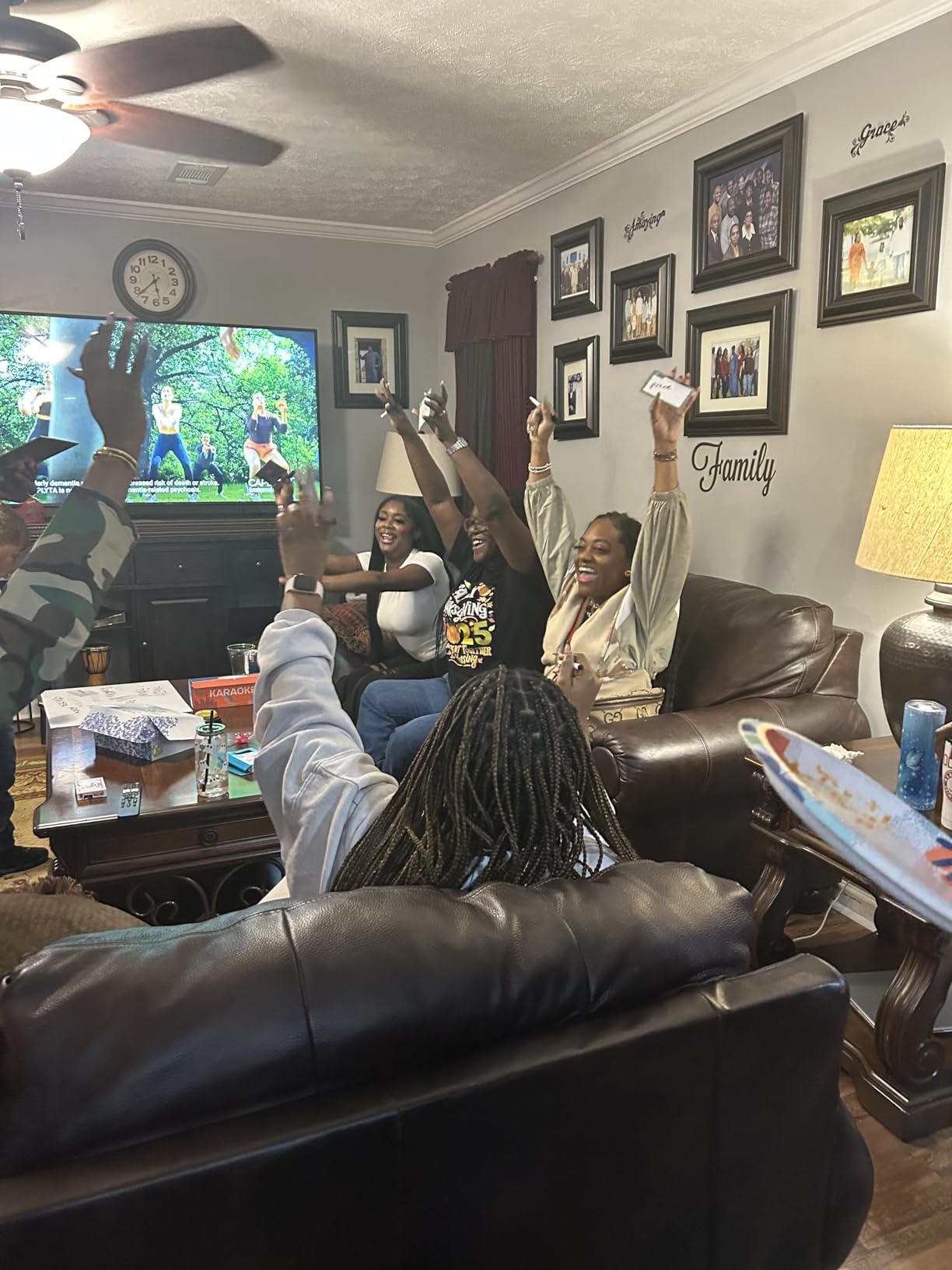
Blank Slate is the game I give to families who want something low-pressure and creative. I played it with my parents and my kids at Thanksgiving last year. The age gap between players was fifty years, and everyone had a great time. My dad wrote the same word as my daughter three times in a row, and they formed an alliance for the rest of the game.
The game is simple. A cue card gives a phrase like hot ____ or ____ dog. Everyone writes a word they think will match another player’s word. If exactly two people match, they score points. If more than two match, nobody gets points. The psychology is delicious. You are trying to think like someone else without being too obvious.
The dry-erase slates are a nice touch. There is no paper waste, and the cleanup is instant. The box includes eight slates, so it works for groups up to eight. With more people, you can use paper backups or play in teams. I have played with ten people by pairing up into writing teams.
I have used this game in speech therapy settings with older adults. The word association mechanic is genuinely helpful for cognitive exercise. The low stakes mean nobody feels embarrassed if they write a strange answer. The laughs come from the mismatches, not the failures. A patient wrote ice cream for the cue ____ cream, and the whole room celebrated.
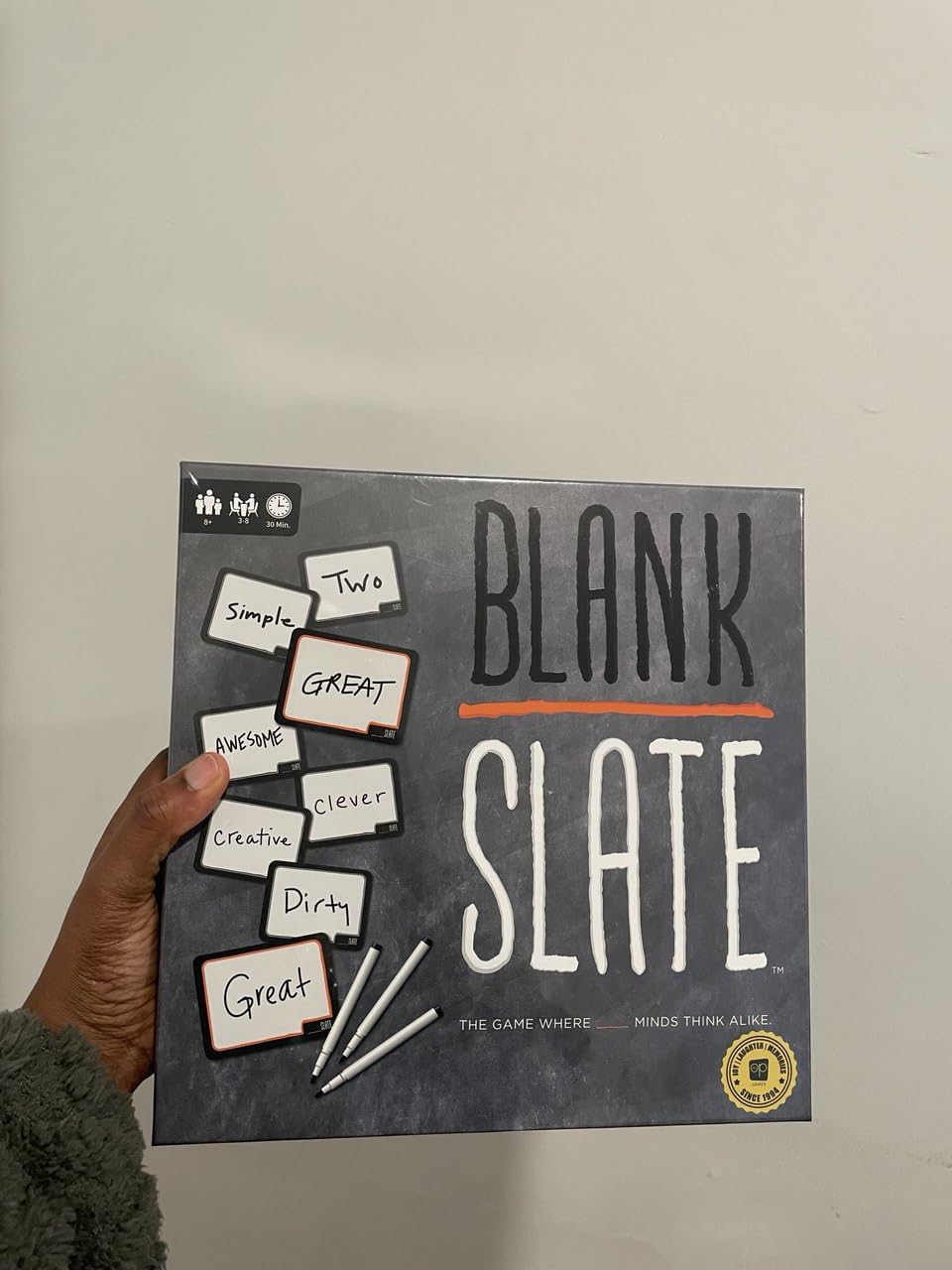
The two hundred and fifty double-sided cue cards provide a lot of variety. I have played twenty times and have not seen repeats. Some cards are easy, like birthday ____. Others are abstract, like silent ____. The range keeps the game surprising. I recently drew the cue dark ____ and watched three people write side while two wrote matter.
The included markers are decent, but they dry out if you leave them uncapped. I recommend replacing them with standard dry-erase markers after a few months. The erasers are also mediocre. A paper towel works better. I keep a small stack of paper napkins in the box just in case.
I have played this over video chat with friends in another state. Everyone used paper at their own house, and I read the cue cards aloud. It worked surprisingly well. The game is flexible enough to survive creative setups. We even played it over text message once, with everyone texting their answers at the same time.
Who Will Love This Game
Families with school-age children will love this. It is educational without being boring. Teachers have told me they use it in classrooms for vocabulary building. The competitive element is mild, so siblings do not fight. I have seen this game defuse tension between competitive siblings because the scoring is so unpredictable.
It is also perfect for groups that include non-gamers. The rules are intuitive. You are just finishing phrases. Anyone who can read and write can play. I have brought this to book clubs and church groups with great success. The conversation it sparks about why people chose certain words is often more fun than the scoring.
Learning Curve and Accessibility
The learning curve is essentially flat. Explain the matching rule in one minute, and you are playing. The first round acts as a tutorial. By the second round, everyone understands the scoring nuance. I have never had to re-explain the rules after the first round.
Accessibility is excellent. The large cue cards are easy to read. The slates are lightweight. Players with limited dexterity can still participate because the only action is writing. There are no timers, no physical challenges, and no loud requirements. I have played this with someone who uses a wheelchair, and they had no issues at all.
8. Cards Against Humanity – Adult Party Card Game
Pros
- 500 white cards for replayability
- Perfect for ice-breaking
- Multiple expansions available
- Durable plastic coating
- Creates memorable moments
Cons
- Not suitable for children
- Humor can be vulgar and edgy
- Decreases replay with same group
I want to be clear about who should receive this game. Cards Against Humanity is not for everyone. I gave it to a college friend for her housewarming party, and it was the hit of the night. I would not give it to my aunt who hosts church book club. The humor is intentionally provocative, and that is exactly what makes it work for the right audience.
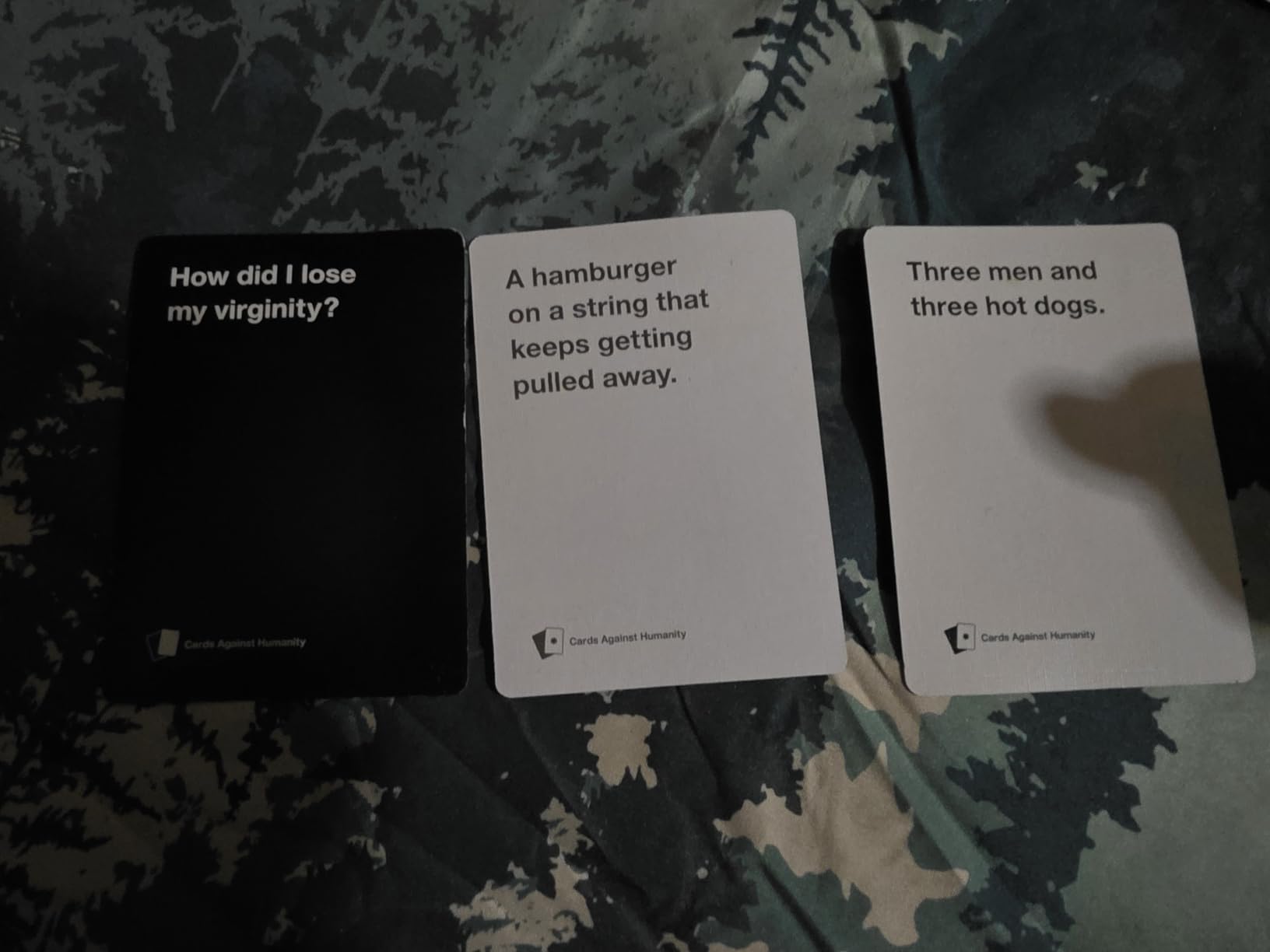
The game is simple. One player asks a question from a black card. Everyone else answers with their funniest white card. The judge picks the winner. The humor is dark, vulgar, and occasionally shocking. That is the point. The game is designed to make you laugh at things you probably should not say out loud.
With five hundred white cards, the replayability is massive. The game stays fresh for a long time because the combinations are endless. I have also bought two expansion packs, which added even more cards. The base game is enough for most groups. I have played with the same base set for over a year without feeling like I had seen every combination.
The cards are durable with a plastic coating. They survive spills, beer, and repeated shuffling. I have had my copy for four years, and the cards are still in good shape. The box is sturdy and closes with a satisfying magnetic flap. The quality of the components matches the premium feel of the game.
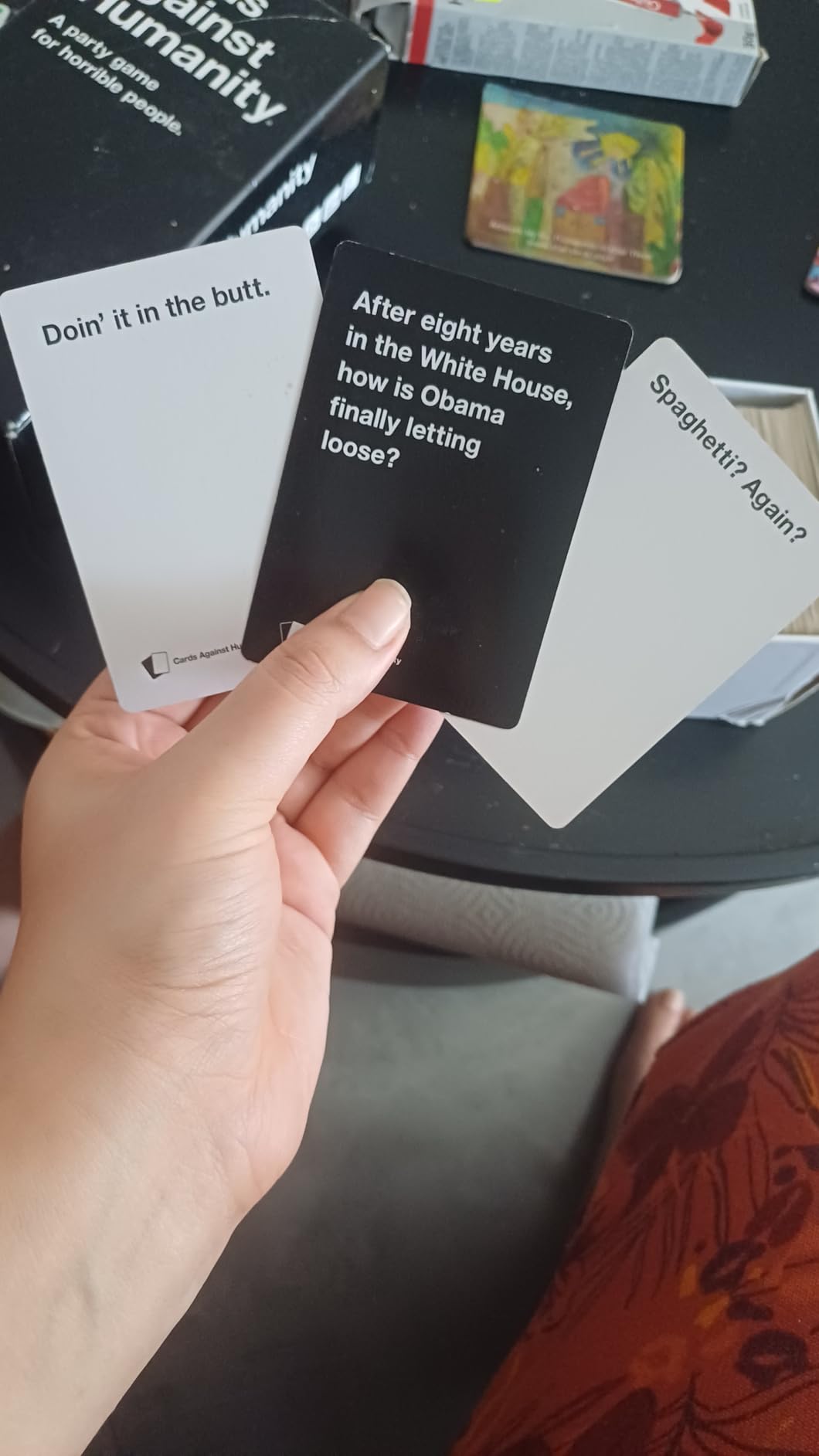
The optimal group size is six to ten. With four, the options feel limited. With twenty, the game becomes a free-for-all. I find that eight players creates the best energy. Everyone gets enough turns as judge, and the answers stay varied. I have played with a full group of twelve, and the judge had to read forty cards aloud, which took forever but was hilarious.
The game works best when nobody takes it seriously. If you have a friend who gets offended easily, this is not the gift for them. The humor is intentionally provocative. Part of the fun is the shock value. The first time someone plays a card that crosses a line, the room either gasps or explodes with laughter. There is no middle ground.
I have noticed that replayability drops if you play with the same group repeatedly. Inside jokes develop, and the surprise factor fades. The solution is to mix in new players or buy expansions. With fresh faces, the game stays hilarious. I try to bring a new expansion pack every few months to keep our group interested.
Who Will Love This Game
Adults with a dark sense of humor will love this. It is the ultimate icebreaker for parties where everyone is over twenty-one. The game destroys formalities within minutes. By round two, the group will be laughing together like old friends. I have seen coworkers who barely spoke to each other become best friends after three rounds of this game.
Do not gift this to anyone under seventeen. The age rating is accurate. Also avoid giving it to people who are easily offended or who prefer family-friendly entertainment. There are plenty of other games on this list for them. I keep this in a separate drawer from my family games so there is no confusion.
Best Group Size and Setting
House parties and adult gatherings are the best settings. I have played this at birthday parties, New Year’s Eve events, and casual Friday nights. It works best when alcohol is present and inhibitions are low. The game itself creates the party atmosphere. I have started parties with this game and watched it turn a quiet room into a loud celebration within twenty minutes.
Playing time is flexible. The box says thirty minutes, but most groups stop when they feel like it. There is no official end. I usually play until the energy dips, then switch to something else. The game is a warm-up, not a marathon. I have played for two hours straight, and I have played for fifteen minutes. Both were fun.
9. Yahtzee – Classic Dice Strategy Game
Hasbro Gaming Yahtzee Game, Fast-Playing Dice Games for Kids, Teens, and Adults, Strategy Games, Family Games for Kids, 2 or More Players, Ages 8 and Up
Players: 2+
Time: 30 min
Age: 8+
Classic dice game
Pros
- Timeless classic for all ages
- Perfect blend of strategy and luck
- Portable and compact
- Quick gameplay sessions
- Affordable and accessible
Cons
- Luck-dependent gameplay
- Limited player interaction
- May become repetitive
Yahtzee is the game I give when I want to play it safe. Everyone knows it, or at least understands the concept. I gifted a copy to my grandmother last year, and she taught my cousins how to play the same afternoon. The game has been popular for decades for a reason. It requires no explanation, no setup, and no special skills.
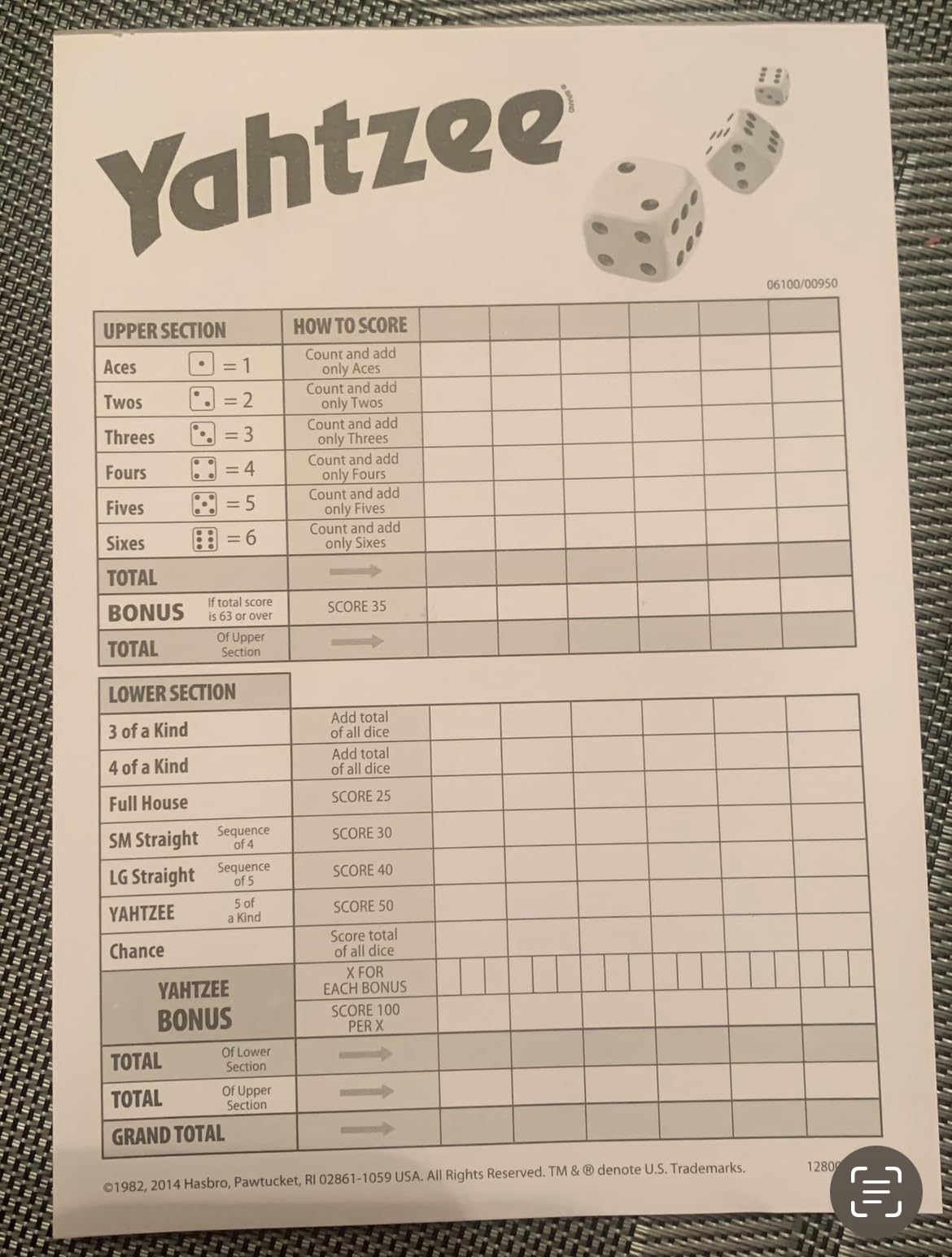
The modern version includes the classic dice cup and score pads. The rules are unchanged. You roll five dice up to three times, trying to fill categories like full house, large straight, and five of a kind. The upper section bonus rewards consistency. The Yahtzee bonus rewards miracles. The simplicity is the entire appeal.
The portability is excellent. The box is small, and the dice cup keeps everything contained. I have taken this to airports, camping trips, and hotel rooms. It is a travel staple that requires no table and no setup. I have played it on a beach towel with a piece of cardboard as a score sheet.
The blend of strategy and luck keeps it interesting. You can plan your category fills carefully, but the dice might betray you. That tension is part of the appeal. It also means a beginner can beat a veteran on a lucky roll, which keeps everyone engaged. I have seen a first-time player get two Yahtzees in one game and win by fifty points.
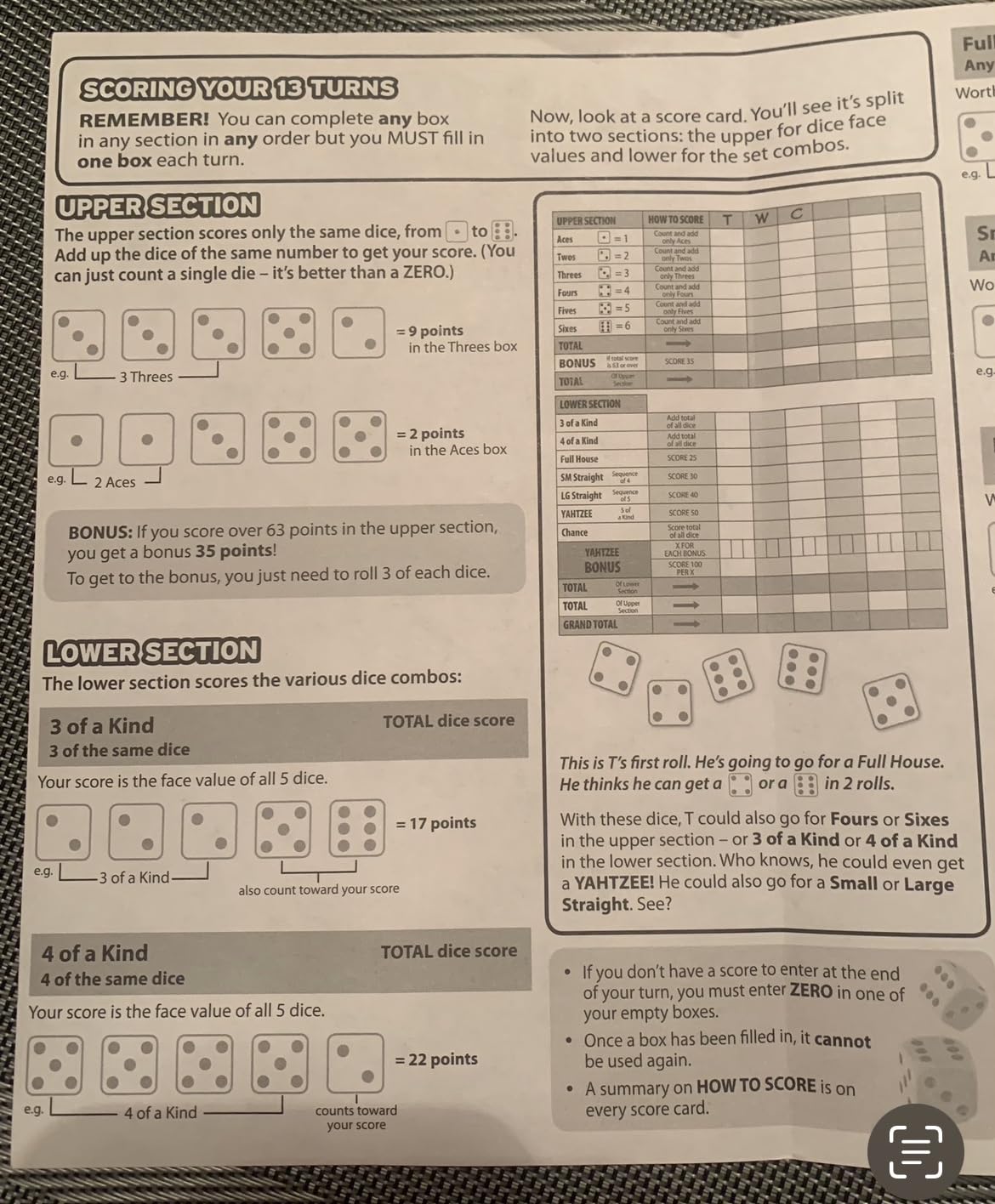
The score pads are a charming throwback. I love the ritual of writing down scores. The included pads last for a while, but you can buy refills cheaply. Some people use apps now, but the paper version feels more authentic. I have a running tally of my best scores from the last two years written on my current pad.
The player interaction is limited. You are mostly rolling against the dice, not against each other. There is no trading, no blocking, and no alliances. For people who want direct competition, this might feel too solitary. For others, the low pressure is a feature. It is a game you can play while having a conversation.
I have noticed that the game becomes repetitive after many sessions in a row. The categories never change. The dice are always the same. The solution is to play it occasionally rather than daily. As a gift for a casual game shelf, it is perfect. It will be there when you need it, and it never fails to deliver.
Who Will Love This Game
This is the safest gift on the list. If you know nothing about the recipient’s taste, Yahtzee is a reliable choice. It works for kids, grandparents, and everyone in between. The familiar rules remove the barrier of learning something new. I have given this to people who do not play games at all, and they still enjoyed it.
It is also ideal for people who want a quick game before bed. A full game takes about thirty minutes. You can play one round and put it away. There is no sprawling setup or complex teardown. I have played a quick round at midnight with my wife before turning out the lights.
Setup and Accessibility
Setup takes under a minute. Shake the dice, grab a score pad, and start. The rules are on the back of the box if anyone forgets. I have never needed to consult the rulebook after the first game. The only thing you need is a flat surface and a pen.
Accessibility is universal. The dice are large and easy to read. The score pad is simple. No reading comprehension is required beyond basic numbers. Players with vision challenges can use a magnifier or have a helper write scores. The tactile nature of rolling dice makes it enjoyable for people with limited mobility too.
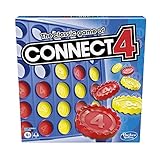
10. Connect 4 Classic Grid – Strategy Game for Two
Hasbro Gaming Connect 4 Classic Grid, 4 in a Row Game, Strategy Board Games for Kids, 2 Players for Family and Kids, Easter Gifts for Boys and Girls, Ages 6+
Players: 2
Time: 15 min
Age: 6+
Grid strategy
Pros
- Classic game never goes out of style
- Extremely affordable
- Develops strategic thinking
- Three ways to play
- Sturdy plastic construction
Cons
- Limited to 2 players only
- Very simple for experienced gamers
- Assembly required for grid
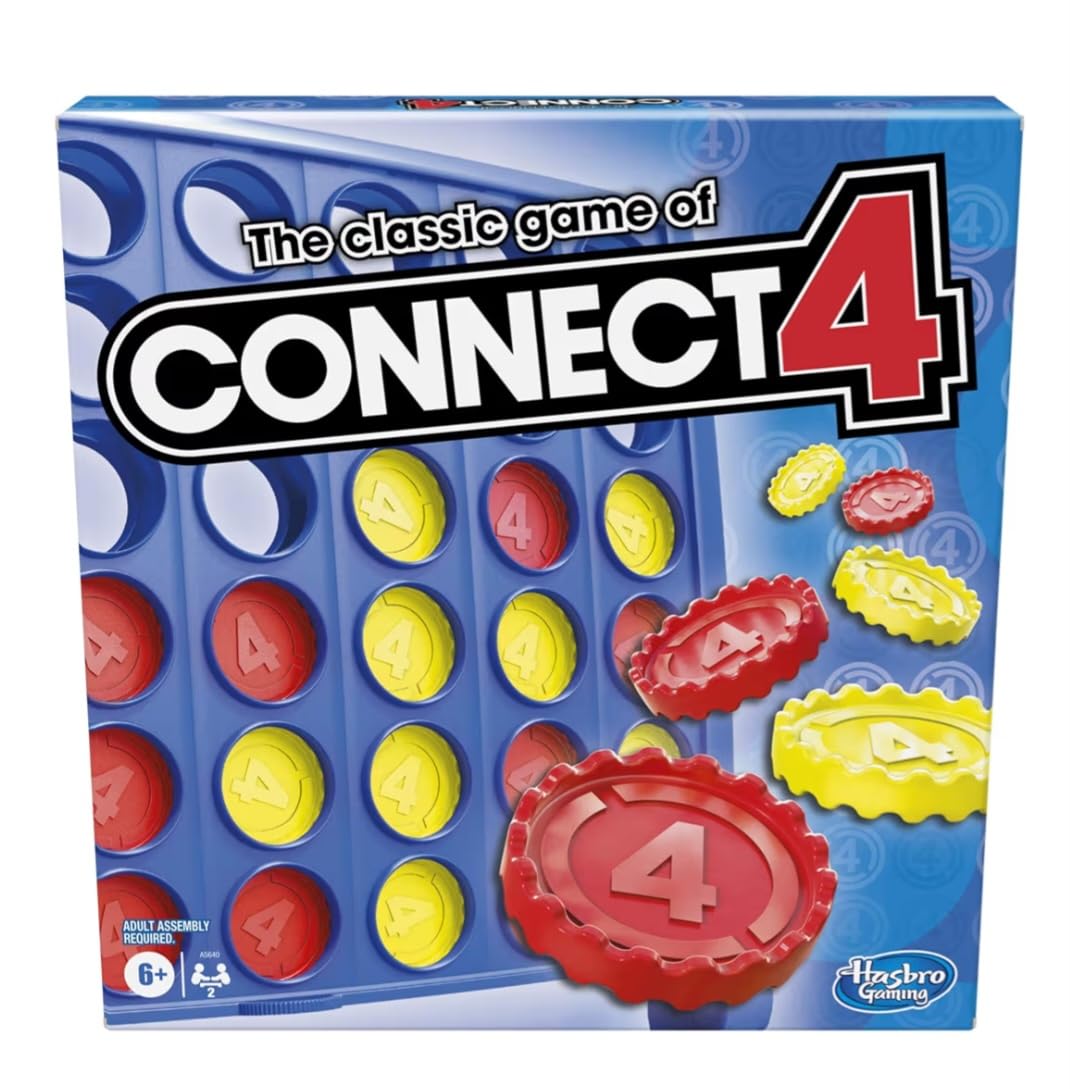
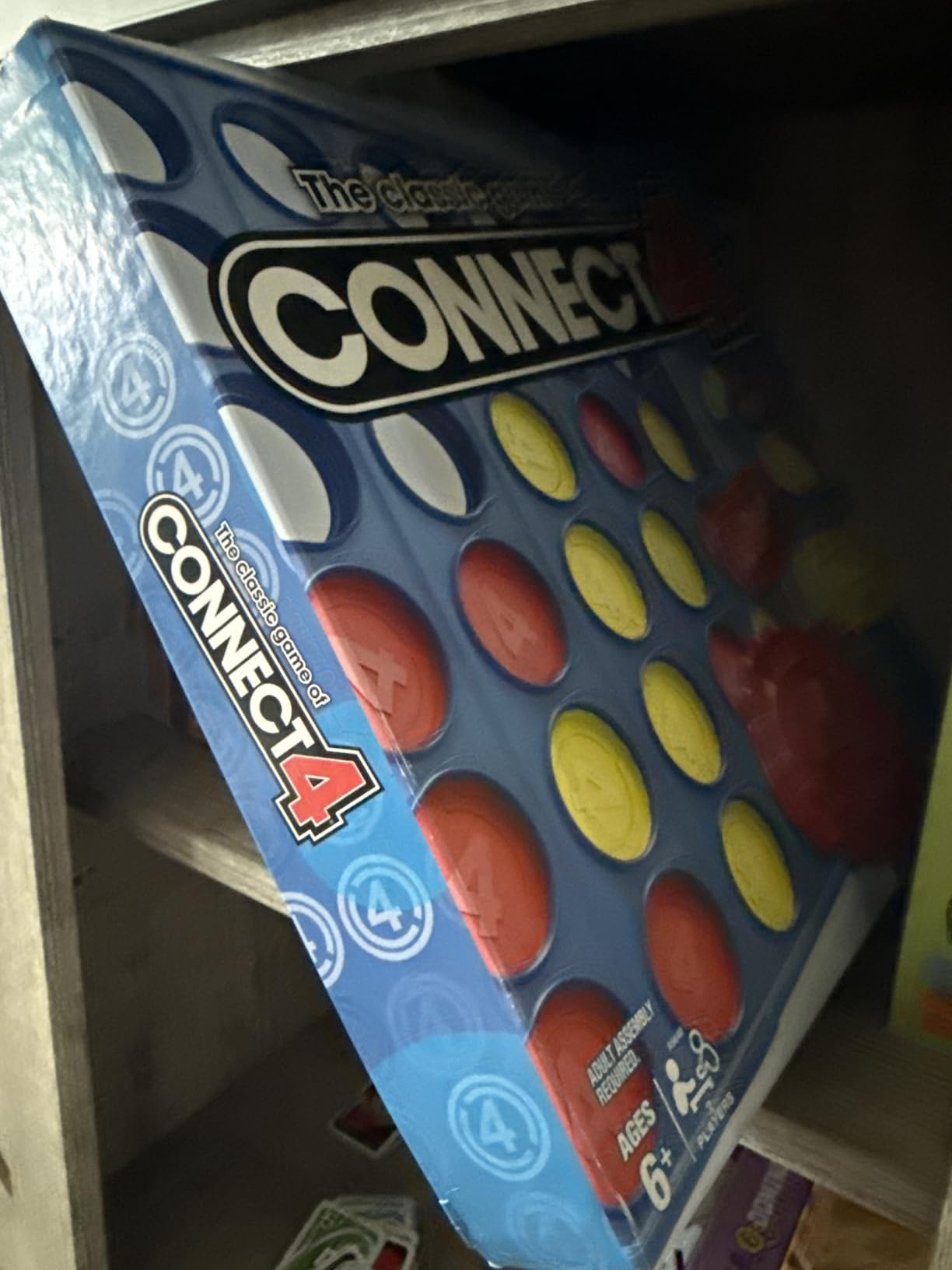
Connect 4 is the game I give to families with young children. I bought it for my niece when she turned six, and she has beaten me more times than I care to admit. The modern version adds a sleek design and a pop-out feature, but the core game is the same classic we all grew up with. The familiarity is comforting.
The rules are simple. Two players take turns dropping colored discs into a vertical grid. The first person to connect four discs in a row wins. Horizontal, vertical, and diagonal connections all count. The simplicity hides surprising depth. I have seen adults lose to kids because they underestimated the strategic possibilities.
The three ways to play add variety. The classic mode is what you remember. The Connect 4 Frenzy variation adds speed and chaos. The pop-out feature lets you remove discs from the bottom, which changes the strategy completely. I prefer the classic, but the options are nice to have. My niece loves the pop-out mode because she can undo her mistakes.
The construction is sturdy. The plastic grid and legs feel solid. The slider bar at the bottom releases the discs smoothly. I have owned this version for three years, and nothing has cracked or warped. The discs are thick and easy to grip. The new design uses cool colors that look more modern than the old red and yellow.
The game is genuinely good for developing strategic thinking. Kids learn to block, plan ahead, and spot patterns. I watched my niece evolve from random dropping to deliberate blocking in about two weeks. The game teaches without feeling like a lesson. Parents love it because it feels like a toy but works like a teaching tool.
The limitation is obvious. Only two people can play. If your recipient wants group games, this is not the right choice. But for couples, siblings, or parents and kids, the two-player format is perfect. I have seen it used as a quiet activity between a parent and child while dinner cooks.
The modern style uses cool colors that look better than the old red and yellow. The grid has a sleek finish. It is a game you can leave on a coffee table without it looking like a toy. The presentation is clean and modern. It blends into adult decor better than most kids’ games.
Who Will Love This Game
Parents with children aged six to twelve will love this as a gift. It is educational, competitive, and quick. Kids can play it independently without adult supervision. The rules are simple enough that disputes are rare. I have seen siblings play this for an hour without fighting once.
It is also a great gift for couples who want a quick two-player game. My wife and I play a round while waiting for dinner to cook. The fifteen-minute playtime fits into small gaps. The game requires no commitment. We have played three games in a row, and we have played one game and moved on. Both were satisfying.
Setup and Teaching Curve
Assembly takes about five minutes the first time. You attach the legs and the slider bar. After that, setup is instant. The grid snaps together, and the discs pour into the bottom tray. You can start playing immediately. I timed it once, and it took forty seconds from opening the box to playing the first disc.
Teaching is unnecessary. If the recipient has never played, a one-minute explanation covers everything. The game is so intuitive that most people understand it by watching a single turn. That is the power of a classic design. I have never met anyone who needed to read the rules more than once.
How to Choose the Best Board Games for Game Night Gifts
Buying a board game as a gift is different from buying one for yourself. You need to consider the recipient, their group, and their experience level. Our team has made mistakes in the past, so we compiled this guide to help you avoid them. The wrong gift sits on a shelf. The right gift becomes a tradition.
The first question to ask is about the recipient’s current collection. If they already own fifty games, they might appreciate something niche like Wingspan or an expansion pack. If they own nothing, start with a gateway game like Azul or CATAN. The fear of gifting a duplicate is real, but a quick conversation or social media check can solve it. I usually ask a mutual friend or peek at their shelfie post before buying.
Next, consider the group size. A couple who hosts date nights needs a two-player game like Azul or Connect 4. A family with four kids needs something that scales, like Blank Slate or Taco Cat Goat Cheese Pizza. A friend who throws large parties needs a party game like Codenames or The Chameleon. The player count on the box is not negotiable. A three-player game forced to accommodate eight will fail.
Play time matters more than people think. I have received games that take three hours to finish, and they rarely hit the table. Games that play in under an hour are safer gifts. The recipient can play them on a weeknight without committing an entire evening. All ten games on this list fit that criteria. If you are unsure, check the play time on the box and add fifteen minutes for teaching.
Age recommendations are usually accurate. If the box says fourteen and up, there is a reason. The Chameleon and Codenames require a level of social nuance that younger kids might not have. Cards Against Humanity is obviously adult-only. Stick to the age guidelines unless you know the child well. I have seen parents try to force adult games on young kids, and it never ends well.
Component quality is a hidden factor in gift satisfaction. A game with beautiful pieces feels like a better gift. Azul and Wingspan are stunning to open. Taco Cat Goat Cheese Pizza is small but charming. The unboxing experience matters, especially if the recipient is opening it in front of others. I have seen people gasp when they open Azul for the first time. That reaction is worth the gift.
Complexity is the biggest barrier for non-gamers. I have gifted games that sat on shelves because the rulebook was too thick. The best games for beginners teach in under ten minutes. Azul, Blank Slate, and Taco Cat Goat Cheese Pizza all teach in minutes. If your recipient is new to modern board games, avoid heavy strategy titles like Wingspan unless you plan to teach them yourself.
For gift presentation, consider adding a personal touch. I sometimes wrap the game in a reusable cloth bag with a note. I have also included a small notebook for scorekeeping or a set of dice. These extras cost little but make the gift feel more thoughtful. If you want to go further, add a snack or a bottle of wine that matches the game theme. I paired Wingspan with a bird-themed wine, and it was a hit.
Budget is always a concern. The good news is that great games exist at every price point. The budget picks on this list prove that you do not need to spend a lot to give a memorable gift. The premium picks justify their cost with production quality. Pick the one that fits your budget, and the recipient will be happy. I have given gifts that cost very little and received more gratitude than expensive ones.
Finally, think about teaching. If the recipient is new to modern board games, include a note offering to teach them. I have done this several times, and it always leads to a fun evening. The gift becomes an experience, not just an object. You are giving your time along with the game. Those teaching sessions are often the most memorable part of the gift.
Frequently Asked Questions
What to put in a game night gift?
A complete game night gift should include a board game that matches the recipient’s experience level and group size. Add score pads, extra dice, or themed snacks to round out the package. For hosts, consider a game plus a small organizer or card sleeves.
What are some good board games to play at a board game night?
The best board games for game night offer simple rules and quick setup. Azul works well for small groups wanting strategy. Codenames shines with larger crowds. For mixed ages, Blank Slate and CATAN are reliable choices.
What are some fun games to bring to a game night?
Bring a party game that supports the expected group size. Taco Cat Goat Cheese Pizza is great for icebreakers. The Chameleon creates hilarious social moments. Wingspan offers a more relaxed but engaging experience.
What are good prizes for a game night?
Small board games, gift cards to local game stores, and themed accessories make excellent prizes. Mini card games, custom dice sets, or snacks are also popular choices.
What board games make good gifts for non-gamers?
Non-gamers need games with simple rules and visual appeal. Azul teaches in minutes and looks beautiful. Wingspan attracts nature lovers. Yahtzee and Connect 4 are familiar classics that require almost no instruction.
Conclusion
Finding the best board games for game night gifts does not have to be stressful. Focus on the recipient’s experience level, group size, and play style. Wingspan offers the most impressive gift experience. Azul delivers unmatched beauty and value. Taco Cat Goat Cheese Pizza proves that budget gifts can still create legendary laughs.
The other seven games on this list each fill a specific need. CATAN converts non-gamers. Codenames energizes large parties. The Chameleon and Blank Slate bring people together. Cards Against Humanity entertains adult crowds. Yahtzee and Connect 4 are timeless classics that never fail. Our team spent months testing these, and we stand behind every recommendation.
In 2026, board games are one of the best gifts you can give. They create memories, start conversations, and bring people back to the table. Pick one from this list, wrap it with care, and prepare for the thank-you text. Game night is about to get better.