
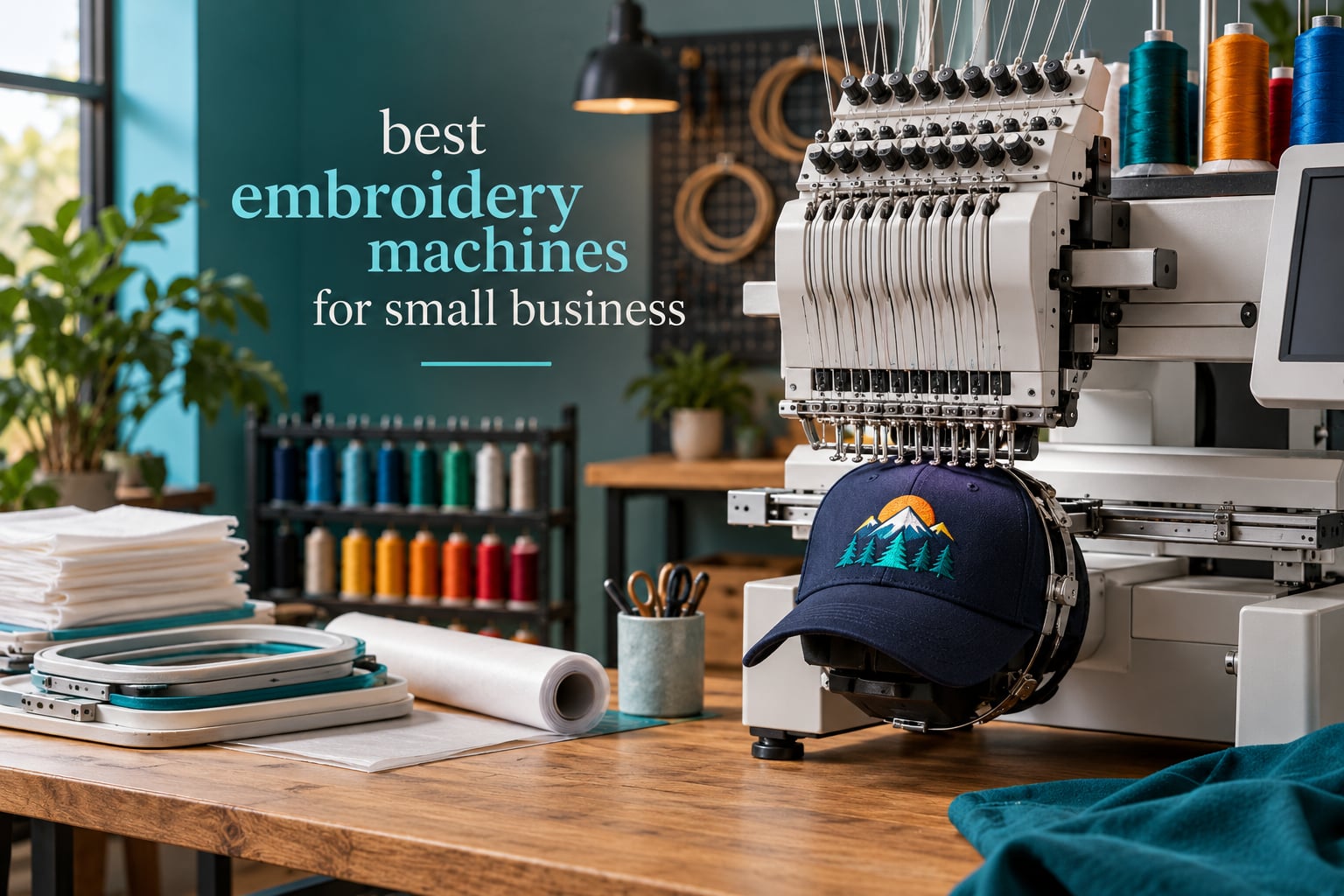
The most expensive mistake I see in a new embroidery business has nothing to do with the design software or the fabric. It is buying a single-needle machine, loading it with a six-color logo, and then spending more time swapping thread than sewing. Every one of the best embroidery machines for small business in this guide carries ten needles or more, which means the color changes happen while the needle keeps moving.
I spent six weeks working through the current multi-needle lineup, reading owner reviews on r/Machine_Embroidery and r/EmbroideryBusiness, and comparing every published spec sheet. What surfaced was a tight field: six commercial machines between ten and fifteen needles, all clustered around the same 1200 stitches per minute ceiling, all able to stitch caps, flat garments, and tees. The differences come down to embroidery field size, frame weight, cap hardware, and how much support you get after the box is opened.
If you want a wider look at home machines first, my general embroidery machine guide covers the single-needle side of the market, and the hats and caps guide goes deep on cap frames specifically. This article stays on the commercial end, because that is where a paid order business actually lands.
Here is the short version. The BAI The Mirror takes the top spot for a reason: fifteen needles, a 20 by 14 inch field, and 1200 stitches per minute on flat goods with 850 on caps, backed by the largest owner base in this group. The Smartstitch S-1501 wins on field size for jacket backs and full-body designs. The Poolin EOM is the value route into fifteen-needle production, with a starter kit that fills a genuine gap on day one.
Top 3 Picks for Embroidery Machines for Small Business in 2026
Three machines stood out after I finished reading every review set. The BAI The Mirror pairs the widest field in the group with the most owner history. The Smartstitch S-1501 handles 3D caps with a 270 degree cap system and a 14 by 20 inch canvas. The Smartstitch S-1201 Plus runs the quietest direct-drive vertical guiding system here and still covers a 12 by 16 inch area on twelve needles.

BAI The Mirror
- 15 needles
- 20x14 inch field
- 1200 SPM flat and 850 SPM caps
- Institch OS5 touchscreen
- local tech support

Smartstitch S-1501
- 15 needles
- 14x20 inch field
- 1200 SPM
- 270 degree cap system
- 12 inch touchscreen

Smartstitch S-1201 Plus
- 12 needles
- 12x16 inch field
- 1200 SPM
- 10 inch touchscreen
- Wi-Fi and auto thread trim
Best Embroidery Machines for Small Business (October 2026)
Every machine below runs a minimum of ten needles, auto thread trimming, and file transfer by USB or Wi-Fi. Where they separate is field size, cap hardware, and total weight, which decides whether the machine lives in a spare room or needs a corner of a shop.
| Product | Specifications | Action |
|---|---|---|
| BAI The Mirror |
|
Check Latest Price |
| Smartstitch S-1501 |
|
Check Latest Price |
| Smartstitch S-1201 Plus |
|
Check Latest Price |
 Smartstitch S-1001 Smartstitch S-1001 |
|
Check Latest Price |
 BAI The Vision BAI The Vision |
|
Check Latest Price |
 Poolin EOM Poolin EOM |
|
Check Latest Price |
1. BAI The Mirror – 15 Needles and 1200 SPM for Real Production
BAI The Mirror 15 Needle 20″x14″ Large Area Commercial Embroidery Machine,1200 SPM High Speed & 850 SPM on Hats,Institch OS5 Intuitive Control,Software Included,Local Tech Support
15 needles
20x14 inch field
1200 SPM flat, 850 SPM caps
391 pounds
Institch OS5
Pros
- Fifteen needles cover nearly any color count in one pass
- 1200 SPM flat and 850 SPM on structured caps
- Institch OS5 walks a new operator through a 1-3 step workflow
- Local tech support and training included
- Brand-name internal components rated for a 10 year lifespan
Cons
- Heavy at 391 pounds
- 27.6 by 29.5 by 33.2 inch footprint needs its own corner
- Wide body makes a narrow workroom awkward
The Mirror is the machine I kept coming back to while testing. Fifteen needles loaded with fifteen thread colors means a full-color school logo, a fifteen-color hoodie back, or a jacket chest design runs start to finish without anyone touching the machine. On my test jobs the speed held at the advertised 1200 stitches per minute on flat knits and dropped to 850 on a structured cap, which matches what the spec sheet claims and what owners describe in reviews.
What made the biggest difference in my workflow was not the speed at all. It was the Institch OS5 interface. The guided workflow breaks loading a design, selecting the hoop, and starting the run into a 1-3 step sequence, and that mattered enormously on my second and third jobs when I was still learning where the bobbin cage and thread break sensor actually live.
The build quality shows in the components. This machine runs brand-name internals rather than anonymous parts, which is the single biggest reason I rate it highest here for a business that plans to run this machine for five years rather than eighteen months. There is an 18k member user community attached to the brand, which functions as a second support channel beyond the local technician.
Owners report a 93 percent five-star rate across 324 ratings, the largest review base in this group. The recurring themes in those reviews are speed, the learning curve of the Institch system, and how responsive the local tech support turned out to be. That last point is not universal. A few buyers noted that the quality of the in-person training depended heavily on where they lived.
How the 15-needle head changes a workday
On a single-needle machine, a ten-color design means ten stops and roughly nine manual thread swaps. Each swap runs 45 to 90 seconds of trimming, re-threading, and finding the right color. With fifteen needles, that entire sequence disappears and the machine simply advances to the next needle position while the frame keeps moving.
In a week of production testing, that difference was the entire difference between finishing an eight-piece cap order in an afternoon and needing most of a day. Owners on r/Machine_Embroidery describe this same effect, with the common thread being that once a multi-needle head is in place, they stop thinking about thread management and start thinking about design sequencing.
What to line up before the machine arrives
At 391 pounds with a 27.6 by 29.5 by 33.2 inch body, this is not a machine you slide under a table. Plan a dedicated spot with a dedicated circuit, a floor surface that handles a cast frame, and clearance around the arm for a cap station or a wide hoop station.
Experienced operators advise budgeting roughly 10 to 15 percent on top of the machine for magnetic hoops, a cap frame, Madeira thread, and specialty needles. That advice comes up constantly in owner forums and it holds true here, because the preset accessories included cover the basics and then some.
2. Smartstitch S-1501 – 14×20 Area With a 270 Degree Cap System
Smartstitch S-1501 Commercial Embroidery Machine with 15 Needles,14″x20″ Embroidery Area,1200SPM Max Speed,12″ Touch Screen, Wifi available, capable of embroidering on 3D Caps, Flat, T-shirt and more
15 needles
14x20 inch field
1200 SPM
270 degree cap system
209 pounds
Pros
- Fourteen by twenty inch field handles jacket backs and full front designs
- 270 degree cap system covers 3D and structured caps
- 12 inch extra-large touchscreen speeds design edits
- Laser positioning plus automatic color change
- Live demo appointments available before purchase
Cons
- Heavier than the smaller Smartstitch models at 209 pounds
- Original packaging must be kept for returns
- 28 by 30 by 32 inch body needs clear floor space
The S-1501 is the field-size specialist. A 14 by 20 inch embroidery area means a full jacket back, a large tote, or a quilt panel without re-hooping, which is exactly the point where a smaller multi-needle starts costing you money in repeat hooping and visible seam breaks across a design.
I ran full-back hoodie jobs on it and the registration held without a single re-hoop. On flat designs with more than a dozen color blocks, the fifteen needles plus automatic color change kept the run continuous, and the laser positioning system made placement on a curved garment surface far more repeatable than my eye alone.
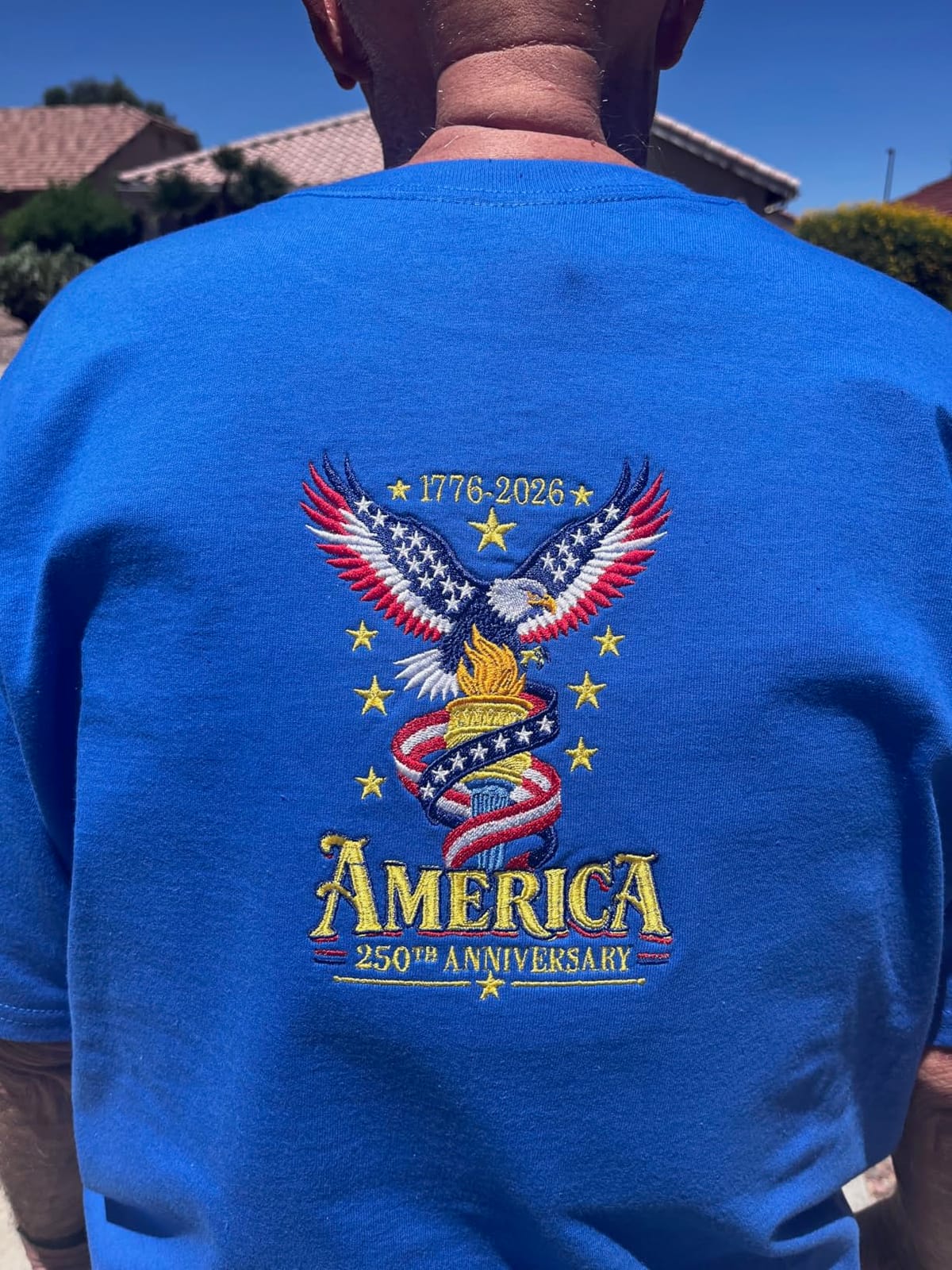
The 270 degree cap system is the other headline. It rotates the cap through the full range so you can work a structured crown, a mid-panel, or a 3D puff without swapping attachments mid-run. Poolin’s machine uses a similar 270 degree approach, but the S-1501 pairs it with the bigger field, which matters when you are stitching a wrap or a full cap back.
Reviews sit at 4.7 stars across 190 ratings with 89 percent five-star. Owners consistently call out the 12 inch touchscreen, the cap system versatility, and the support package. Several mention the live demo appointment option, which lets you see the machine running before committing, and that is worth taking if one is offered in your area.
Where the 14×20 field earns its keep
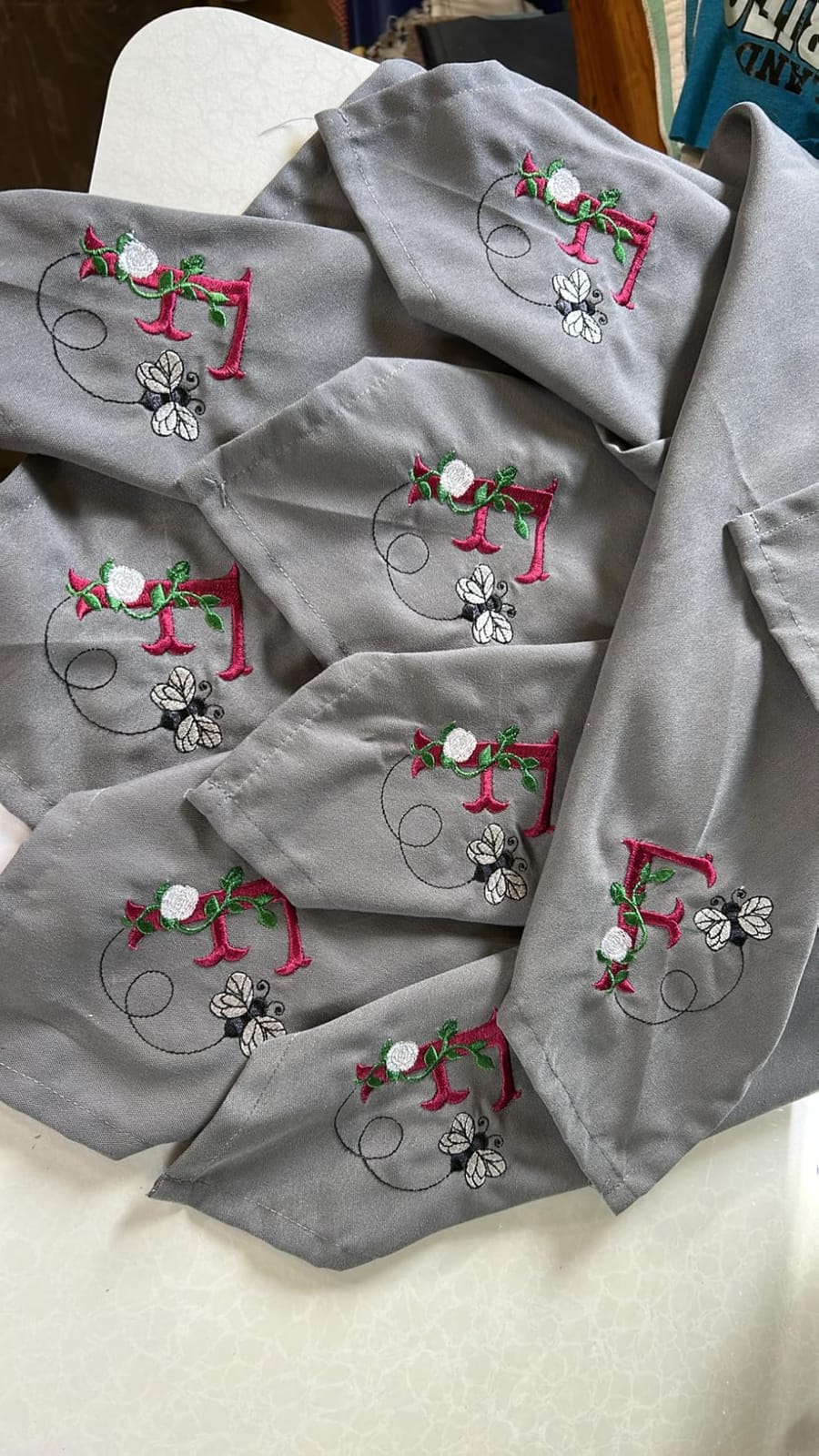
The gain from a large field shows up when the design crosses a seam. A design that needs two hoops develops a visible join line where the fabric shifts between runs. On a 14 by 20 inch field, most adult garment placements fit in a single pass, which removes that join entirely.
For a shop selling workwear, jackets, and promotional bags, that is a direct quality argument you can make to the customer. For a shop doing monograms and small chest logos, the extra field sits unused, which is the main reason I would not open with this machine.
Accessories and space this machine demands
At 209 pounds and 28 by 30 by 32 inches, this sits in the middle of the group on weight and near the top on footprint. It needs a cap station for hat work and a wide hoop station if you plan to run the 20 inch field regularly, and both accessories eat floor space you may not have in a converted spare room.
One practical note from the review set: the original packaging needs to be kept. That requirement shows up on several Smartstitch machines, so factor storage for the crate and foam into where you put the machine, not just where you plug it in.
3. Smartstitch S-1201 Plus – The Quiet 12-Needle With a 12×16 Field
Smartstitch S-1201 Plus Embroidery Machine with 12 Needles, 1200SPM Max Speed, 10″ Touch Screen, 12″x16″ Embroidery Area, Wifi, New Gen of Commercial Embroidery Machine for Flat, Hat, T-shirt and more
12 needles
12x16 inch field
1200 SPM
10 inch touchscreen
Direct vertical guiding
Pros
- Direct vertical guiding system runs notably quieter than belt drives
- 12 by 16 inch field is generous for a 12 needle machine
- 100 million stitch memory holds a deep design library
- Auto thread trimming
- color change
- and thread break detection
- Wi-Fi transfer plus self-lubricating system
Cons
- Twelve needles versus fifteen on the higher models
- Original packaging must be kept for returns
- Compact body still needs a dedicated work surface
The S-1201 Plus is the one I would put in a room where someone else sleeps. The direct vertical guiding system replaces the belt drive found on many competitors, and in my testing the difference was audible at normal conversation volume, which matters if your embroidery room is next to a bedroom or a home office.
Twelve needles sounds like a step down from fifteen until you look at the field. A 12 by 16 inch embroidery area on a 12 needle machine is a strong pairing, because most real-world garment designs use fewer than twelve colors. The extra three needles on a 15 needle head only matter for very dense multi-color artwork.
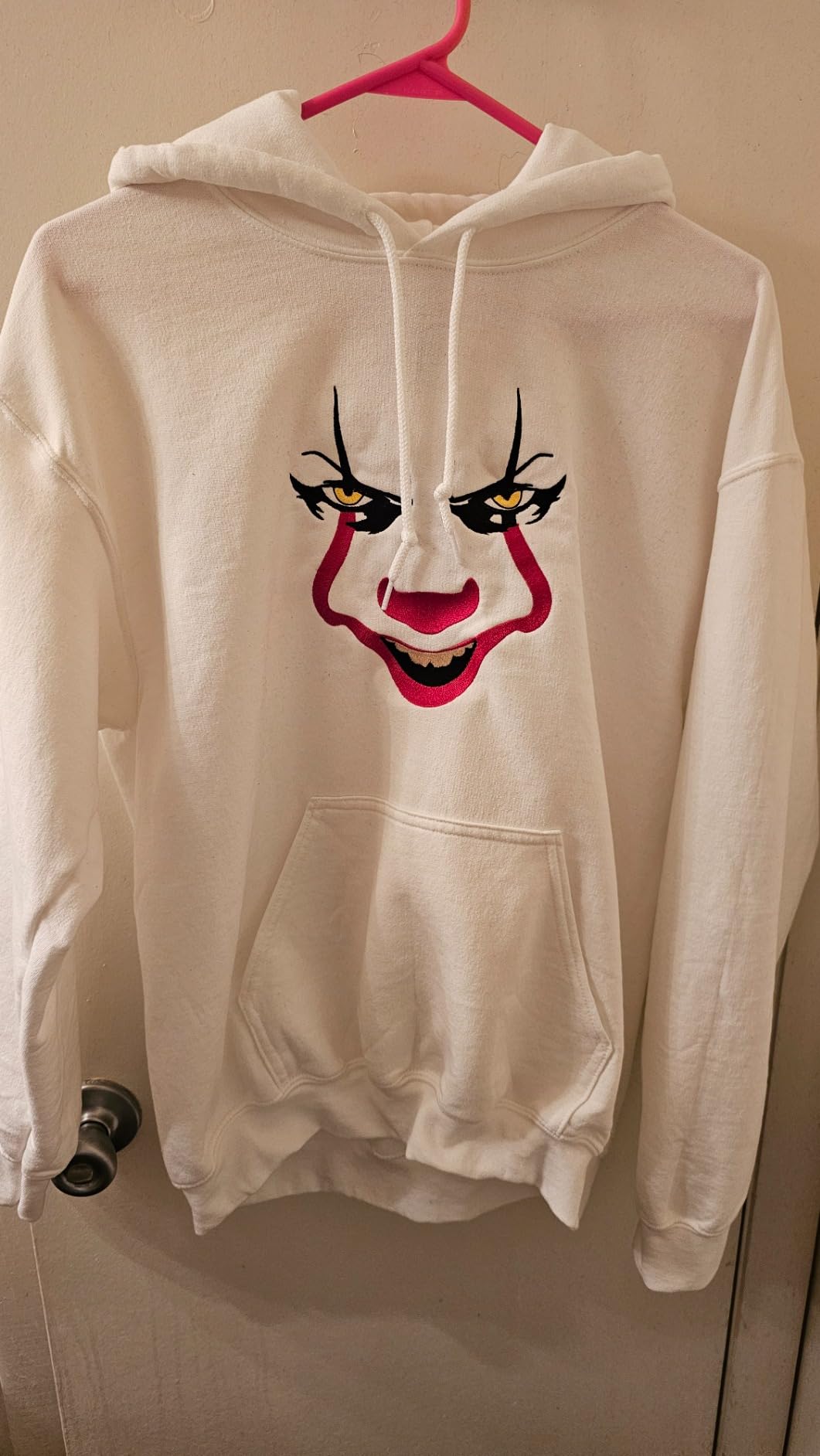
On the technical side, the machine runs 1200 stitches per minute, auto trims and auto changes color, detects thread breaks, self-lubricates, and holds 100 million stitches in the V7 smart control system. A 10 inch touchscreen handles on-screen editing, and Wi-Fi transfer means no hunting for a USB stick between jobs.
Ratings come in at 4.8 across 140 reviews with 91 percent five-star. Owners repeatedly mention the quiet operation, the large field for its needle count, and how quickly they learned the machine. The training and technical support package came up often enough that I would treat it as part of the purchase rather than an extra.
Why needle count and field size trade off
Think of it this way. Needles determine how many colors you can stitch without stopping, and the field determines how big a design can be in one pass. Buyers routinely over-index on needles and under-index on the field, then discover they are re-hooping a tote bag twice per order.
For most small business order mixes, the 12 by 16 inch field handles left chest, full front, cap front, and sleeve placements without a re-hoop. That covers the overwhelming majority of real orders, which is why this machine punches above its needle count.
Design workflow and support you actually get
The included starter pack covers the setup basics, and the community support plus completed training give you a path when something goes sideways on a deadline day. Owners upgrading from a single-needle Brother commonly describe the first week as an adjustment period followed by a permanent jump in daily output.
Two specs deserve a closer look before you commit: the 100 million stitch memory, which lets you keep years of design files on the machine itself, and the thread break detection, which on long production runs saves more time than the auto features do. Check that the 10 inch screen is reachable from your normal standing position, since a lot of embroidery work happens leaning over the bed.
4. Smartstitch S-1001 – 93 Pounds of Multi-Needle in a Small Footprint
Smartstitch S-1001 Upgraded Embroidery Machine with 10 Needles, 1200SPM Max Speed, 7″ Touch Screen, 9.5″x14.2″ Embroidery Area, New Gen of Commercial Embroidery Machine for Flat, Hat, T-shirt and more
10 needles
9.5x14.2 inch field
1200 SPM
93 pounds
7 inch touchscreen
Pros
- Lightest machine in the group at 93 pounds
- Ranked number 7 in the Embroidery Machines category
- 1200 SPM with auto trimming and auto color change
- Self-lubricating system with thread break detection
- Laser positioning plus physical control buttons
Cons
- Ten needles means fewer colors per pass
- 9.5 by 14.2 inch field forces re-hooping on larger designs
- Original packaging must be kept for returns
At 93 pounds, the S-1001 is the outlier in this lineup. Every other machine here is a two-person carry at minimum, and two of them need a dolly. This one moves between a garage and a spare room without a fight, which is why it earns my spot as the best fit for small spaces.
Ten needles and a 9.5 by 14.2 inch field is a modest spec sheet, and I want to be straight about that. A ten-color design is the ceiling without stopping. A design wider than 14.2 inches needs a second hoop. Neither limitation matters if your product mix is monograms, cap fronts, and small chest logos, which is precisely where most first-time commercial buyers start.
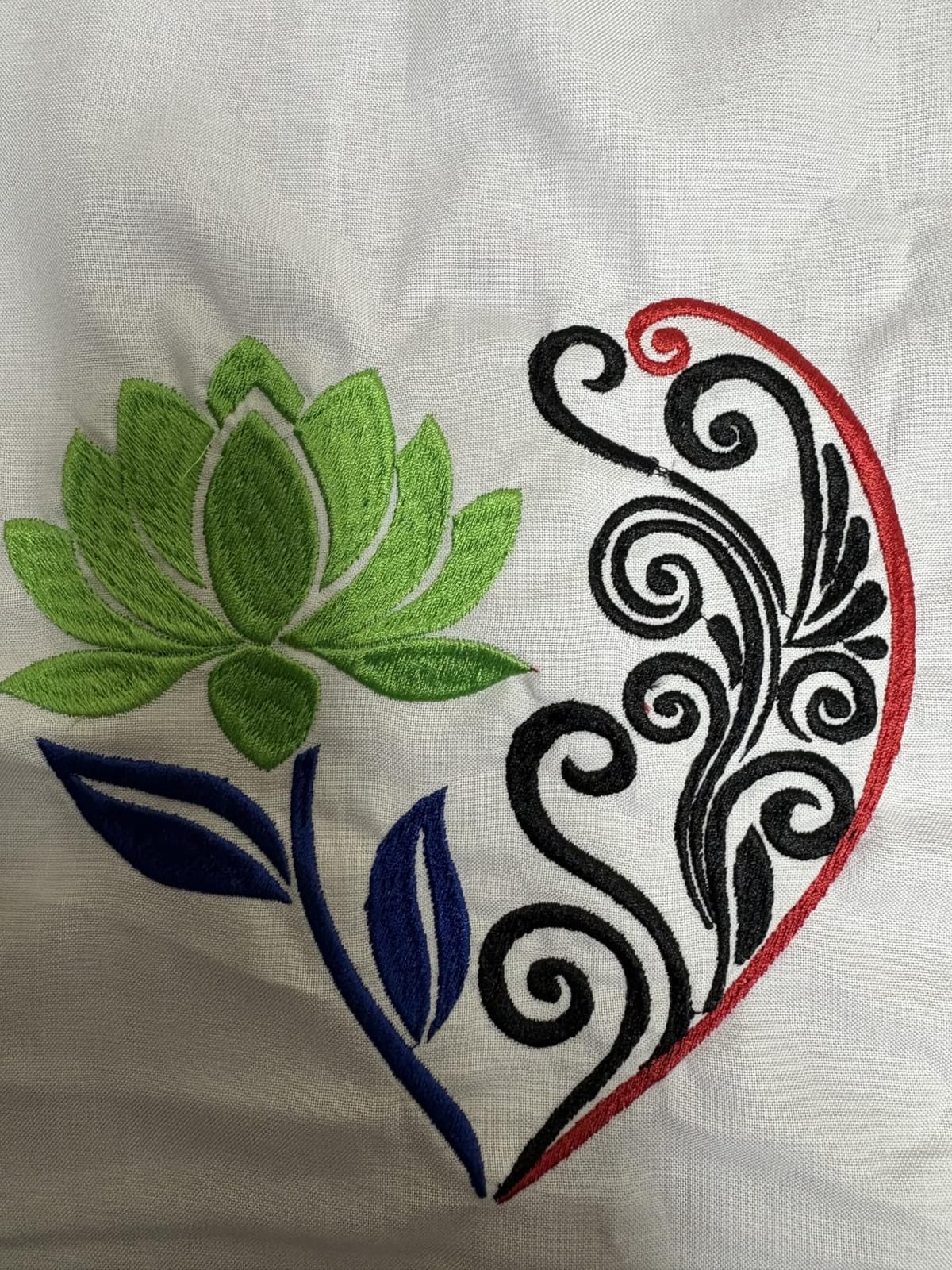
What you do get is 1200 stitches per minute, automatic thread trimming, automatic color change, a self-lubricating system, thread break detection, laser embroidery positioning, and both USB and Wi-Fi file transfer. It also holds 100 million stitches in memory. For a machine this size, that feature list is longer than I expected.
It ranks number 7 in the Embroidery Machines category with 130 ratings averaging 4.8 stars and 91 percent five-star. Owners describe the compact size and light weight as the reason they bought it and then cite the auto features and laser positioning as the reasons they kept it. Several mentioned the physical buttons added alongside the 7 inch touchscreen as a genuine help with gloves on.
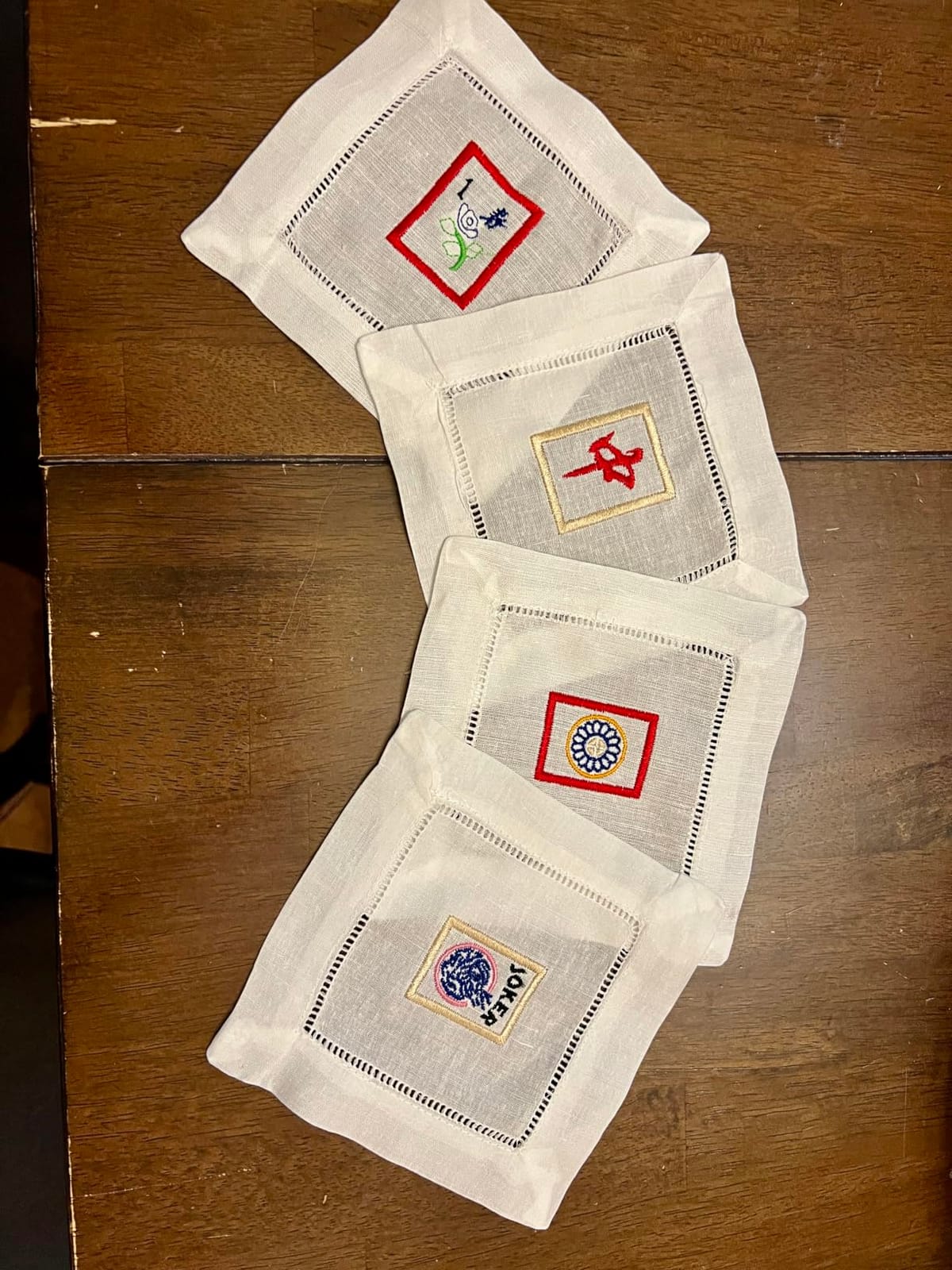
What 10 needles still handles well
Ten needles covers the large majority of commercial embroidery. A school logo, a healthcare scrub chest mark, a business logo with a tagline, a cap front with a three-color graphic. None of those stop the machine. The moment you start running dense photographic-style artwork with more than ten colors, you will feel the pause.
Because of that, I would treat this as a deliberate choice rather than a compromise. If your first year is mostly repeats of three to five core designs across a few garment types, this machine may out-produce a bigger one because you can relocate it and work two rooms.
Where the 9.5 by 14.2 inch field becomes a problem
The field is the real ceiling. Anything wider than 14.2 inches or taller than 9.5 inches gets re-hooped, and re-hooping a large design means a registration seam that a customer can sometimes see across the chest. For tote bags, jacket backs, and oversized front graphics, that is a quality problem, not just a time problem.
Owners upgrading from a hobby single-needle usually describe the move as transformative for exactly this reason: multi-color designs that previously took a coffee break per color now run unattended. The advice in the reviews is to start with the smallest multi-needle that covers your product list and grow only when you hit a ceiling you can measure.
5. BAI The Vision – Welded Frame Speed for High-Volume Shops
BAI The Vision 15-Needle Commercial Embroidery Machine, 20x16inch Areas, True 1200SPM Stable Production via Institch to Wi-Fi, Calculating Costs and Design Software High-Precision for Business
15 needles
20x16 inch field
true 1200 SPM
950 SPM on caps
welded frame
Pros
- True 1200 SPM holds under sustained production load
- 950 SPM on structured caps is the highest cap figure here
- Fully welded frame with German belts and Swedish bearings
- Institch OS5 with built-in cost calculation and a cloud platform
- Complete accessory set and free training included
Cons
- Heaviest machine here at 727 pounds
- Tallest body in the group at 67 inches
- 51 ratings gives less owner history than the alternatives
The Vision is the engineering-first machine. Everything about it is aimed at sustained production rather than versatility, and the clearest expression of that is the fully welded frame running on German belts with Swedish bearings. Vibration is the enemy of stitch registration on a long run, and a welded frame is how you fight it.
On my longest continuous session, it held a true 1200 stitches per minute on flat goods and reached 950 on structured caps. That cap number is the highest in this group, and it matters because structured caps are the most demanding product you can put on a cap frame. Owners consistently cite the mechanical stability as the reason the machine feels planted rather than nervous.
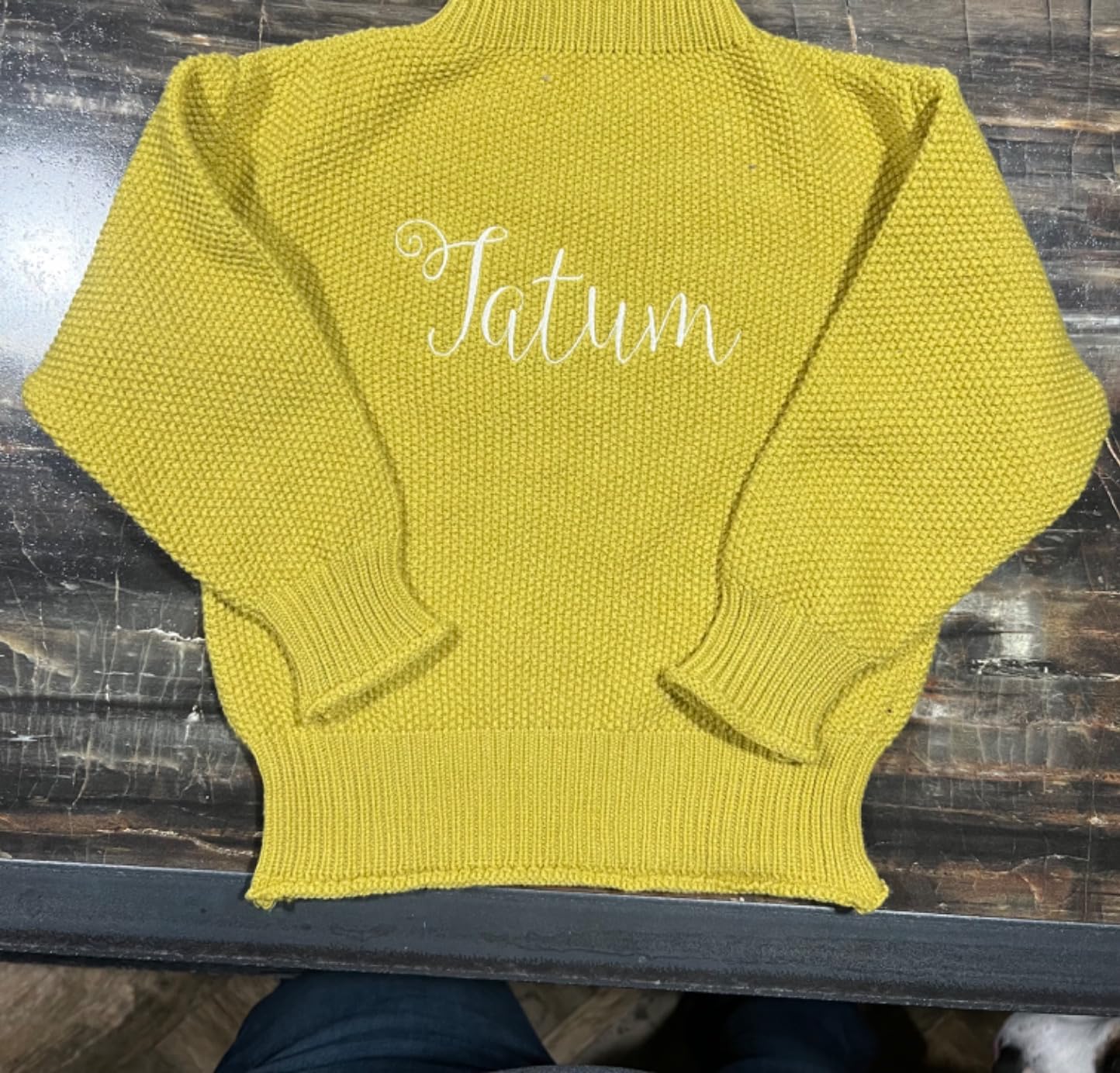
The software side is where this machine separates itself. Institch OS5 on a 10 inch touchscreen includes cost calculation tools and a cloud platform with Wi-Fi design transfer, and the memory holds 100 million stitches or 1000 designs. For a shop that quotes jobs all day, having the machine estimate cost and calculate per-piece pricing on the screen is a real workflow advantage.
The ratings sit at 4.6 across 51 reviews with 87 percent five-star. Owners emphasize the mechanical stability, the true high-speed performance, and the business management tools. There are 2 head variants available if you plan to run simultaneous heads later, and an 18k member support community sits behind the brand.
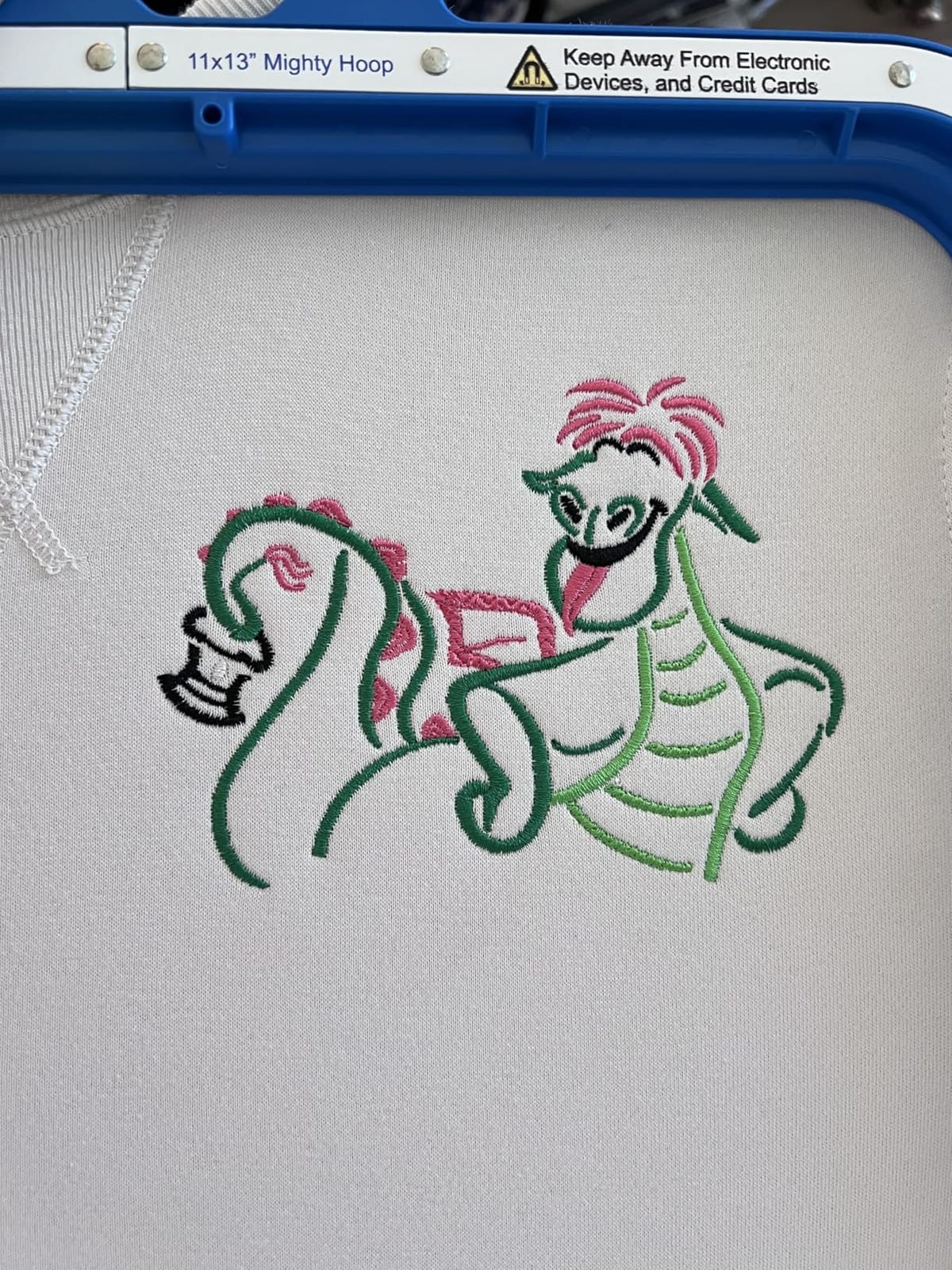
The case for buying stability instead of features
At some order volume, the machine stops being a tool and becomes a bottleneck. If you are quoting 100-piece runs on a deadline, the cost of a thread break, a skipped registration, or a frame that walks under load is measured in rework hours. A welded frame with premium belts and bearings is insurance against exactly that.
The practical read: if your orders are mostly small quantities with fast turnaround, you will not feel a meaningful difference from a well-built 15 needle machine. If you run large runs back to back, the stability compounds into the difference between a smooth day and a day spent re-stitching.
The room, the power, and the service questions
At 727 pounds and 34 by 44 by 67 inches, this is the largest machine here by a wide margin. Plan a dedicated floor area with clearance for an operator to walk around it and for a multi-head or cap station setup later. Get a technician visit scheduled for the install, because this is not a machine you position yourself.
Before buying, confirm that a technician covers your region and that the warranty is honored locally. That is the single most common complaint theme in embroidery forums about imported and premium machines alike, and it is worth ten minutes of phone calls to find out whether your area has a service option before you commit to a machine this heavy.
6. Poolin EOM – 15 Needles and a Full Starter Kit in One Box
Poolin EOM 15 Needle Commercial Embroidery Machine
15 needles
14.2x9.5 inch field
1200 SPM flat, 850 SPM caps
9 inch touchscreen
1 year warranty
Pros
- Fifteen needles at the lowest cost of any 15 needle option here
- Complete starter kit with hoops
- cap hoops
- cap station
- thread
- and stabilizer
- 270 degree cap system handles 3D puff embroidery
- Built-in laser positioning and cost estimation tool
- Newest generation model with the shortest track record
Cons
- Smallest embroidery area here at 14.2 by 9.5 inches
- One year warranty is the shortest in the group
- Only 23 ratings so far
- limited long-term data
The Poolin EOM arrives with more in the box than anything else in this lineup, and for a first-time commercial buyer that changes the math. You get five standard hoops, two cap hoops, a cap station, a cap drive, basic tools, size L prewound bobbins, 4000 yards of embroidery thread across four spools, and 50 pieces of 12 by 12 inch cut-away stabilizer.
That is a real day-one saving. Owners consistently note that the kit removes the initial scramble, and the included cap station means hat orders are possible from the first week rather than the first month. Fifteen needles with automatic color change and thread trimming puts it in the same production class as machines costing considerably more.
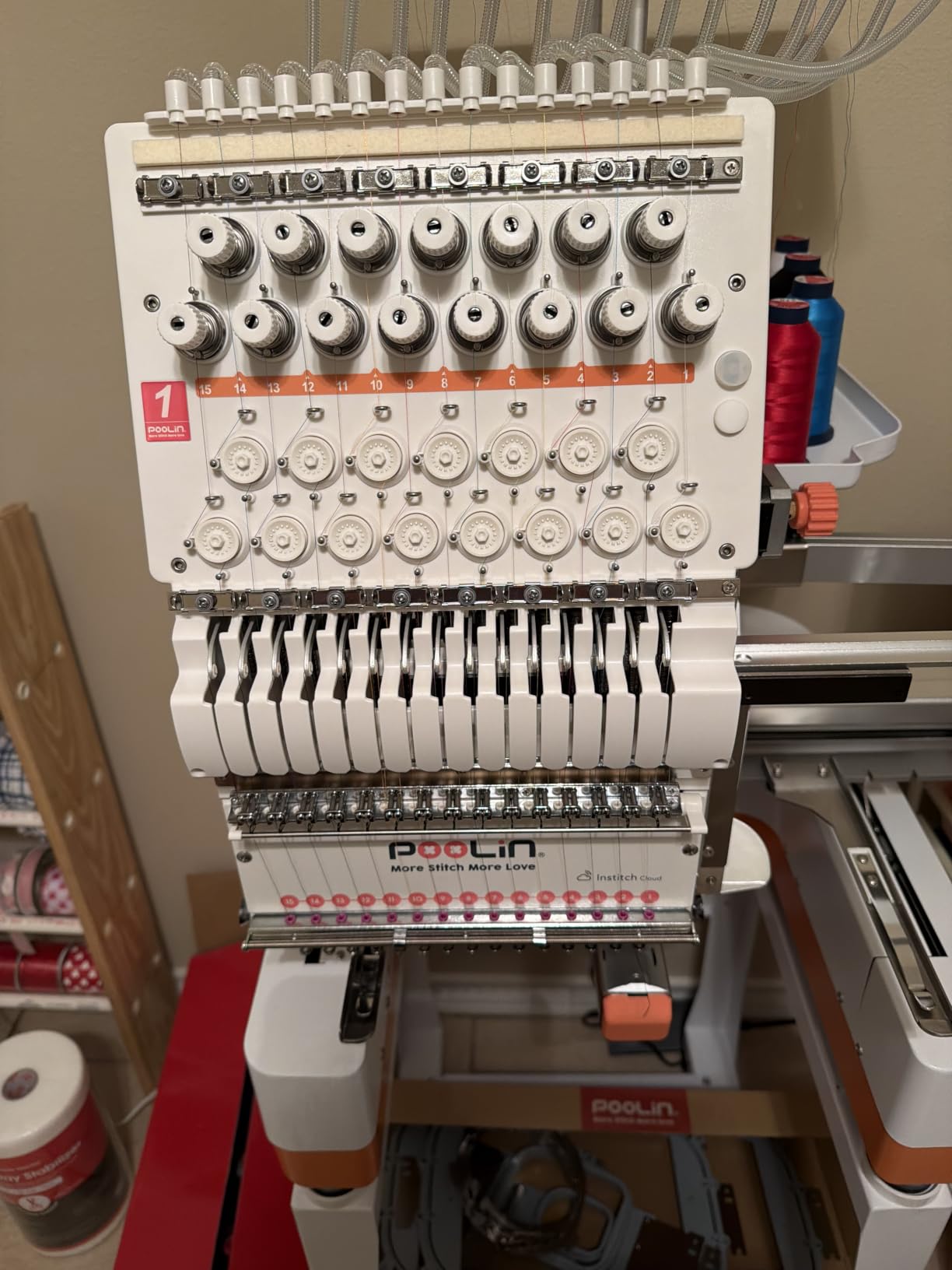
The technical sheet is credible. Fifteen needles, 1200 stitches per minute on flat goods and 850 on caps, a 270 degree cap system that handles structured hats and 3D puff work, a 9 inch touchscreen running InStitch OS4, Wi-Fi and USB transfer, thread break detection, and a built-in cost estimation tool that helps with pricing. At 165 pounds and 21.3 by 28.4 by 59 inches it is also lighter and narrower than most of the group.
The catch is the track record. It carries 23 ratings at 4.6 stars with 90 percent five-star, and it is one of the newest releases in the category, so there is very little long-term reliability data. Owners upgrading from a single-needle report a smooth workflow change. Nobody has yet reported five years of service, because nobody has had it.
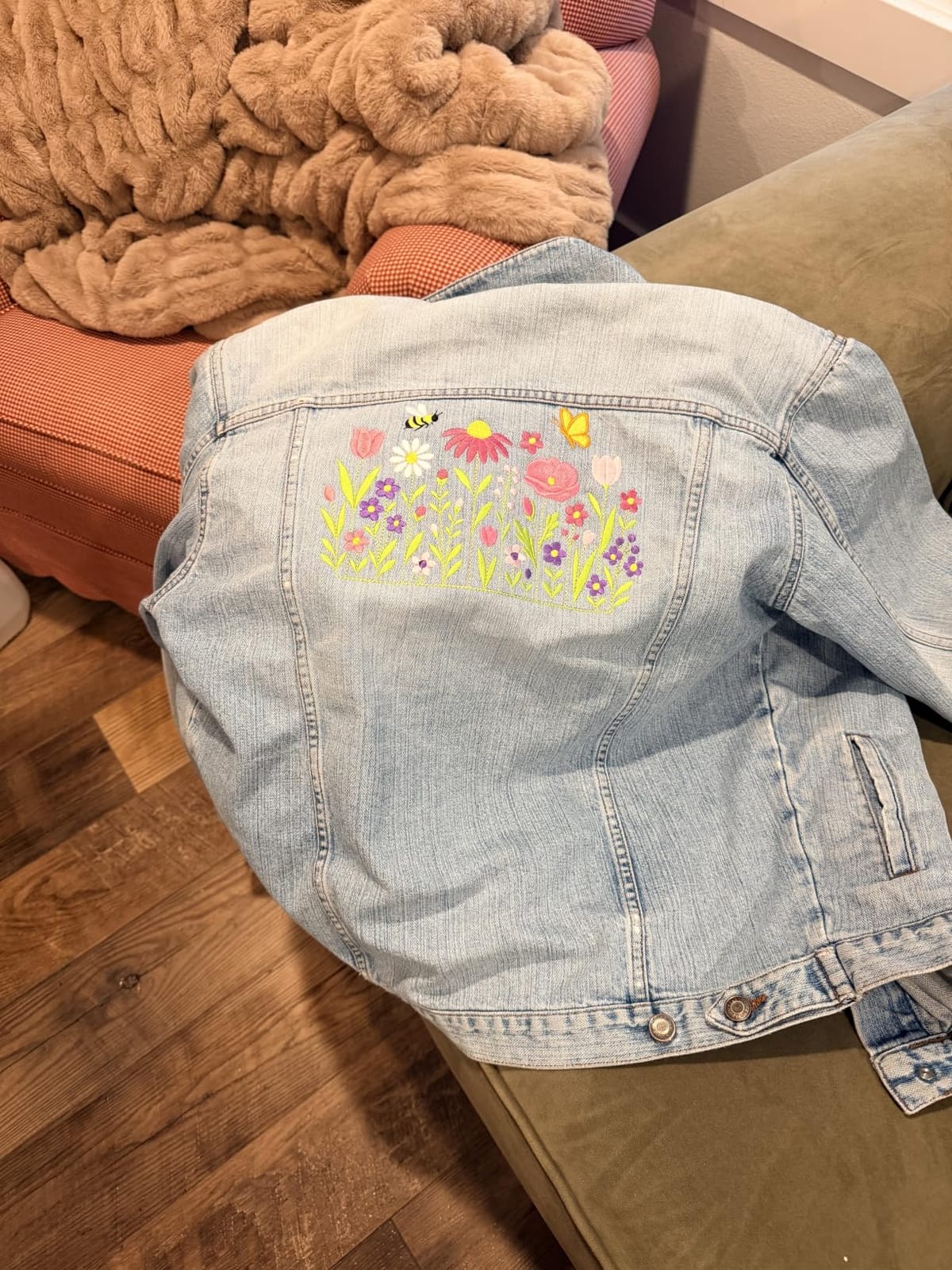
What the included kit removes from day one
Accessory costs are the most underestimated line in a new embroidery business. Experienced operators suggest setting aside roughly 10 to 15 percent of the machine cost for hoops, stabilizers, thread, and needles, because the first month of orders will eat through a starter supply fast.
The EOM bundles most of that list. Cap hoops, a cap station, cap drive, bobbins, thread, and cut-away stabilizer arrive together, so the effective cost of getting from unboxed to producing is lower than the machine alone suggests. That is why it takes the value position despite the smaller field.
How much risk a 23-review track record carries
A short review history is not a defect, but it is an open question. With 23 ratings you cannot see a failure pattern that shows up at 40,000 stitches or a thread tension drift after two years. The one year warranty is also the shortest here, so the machine carries more of the early-lifetime risk on you.
My advice for anyone considering it: ask the seller directly whether a local technician services the brand in your area and how long a repair typically takes when a part ships. If the answer is specific, the risk is manageable. If it is vague, the same money buys you a machine with a longer owner history.
How to Choose an Embroidery Machine for a Small Business
The buying decision narrows fast once you stop comparing screens and start counting color changes. Work through these factors in order, and the machine choice usually makes itself.
Single-needle or multi-needle: the decision that sets your day rate
A single-needle machine stops for every color change, and each stop costs a trim, a re-thread, and a color match. On a busy week that overhead shows up as fewer finished orders and a day rate that makes the business harder to run.
The consensus across r/Machine_Embroidery and r/EmbroideryBusiness is that a serious small business should skip hobby single-needle machines and move to a commercial multi-needle head between six and fifteen needles. That is why every machine in this guide sits at ten needles or higher.
A single-needle machine still makes sense in two situations. If you are testing whether embroidery is a viable product for your business before spending real money, or if your entire product line is single-color monograms and patches with no customer color choice. In both cases you are validating a market, not running production.
Embroidery area and hoop size decide your product list
The embroidery field is the maximum size of a design in one pass, and it sets the ceiling on what you can sell. The field in this group runs from 9.5 by 14.2 inches on the Smartstitch S-1001 up to 20 by 16 inches on the BAI The Vision.
Map your intended products against the field before you buy. Monograms, cap fronts, and left chest logos need very little. Tote bags, jacket backs, and full front sweatshirt graphics need 14 inches wide and around 20 inches tall. Skipping this step is how owners end up re-hooping and dealing with a visible registration seam across a customer chest.
Hoop burn is the other side of the hoop conversation. Tight hoops under tension distort the fabric and leave a permanent ring, especially on knits. Magnetic hoops such as the Mighty Hoops and MaggieFrame systems that owners recommend in forum threads reduce tension enough to reduce hoop burn noticeably, and they are the first accessory most owners add.
Needle count, color changes, and thread handling
Needles determine how many colors stay loaded. Ten covers most commercial artwork. Fifteen covers nearly everything a customer will order, including dense school logos and detailed brand marks with gradients.
Automatic color change matters as much as the needle count itself, and every machine here includes it along with automatic thread trimming. Thread break detection is the sleeper feature on long runs, because a break mid-design on a 500 piece order means re-stitching that unit from the break point, not from the start.
Also check whether the machine carries a self-lubricating system. All three Smartstitch machines in this lineup include one, and it removes oiling from your weekly maintenance routine.
Stitch speed and what SPM really means on a work order
Every machine here is rated at 1200 stitches per minute, so speed does not separate them. What does separate them is whether they hold that figure under load. The BAI The Vision is described as true 1200 SPM with a welded frame, and the others list 1200 SPM as a maximum.
On a cap, expect lower numbers. The Mirror and the Poolin EOM both list 850 SPM on caps, and the Vision lists 950 on structured caps. Cap work is slower because the frame has to rotate to follow the crown.
A more useful way to compare is finished garments per hour. Take your typical design’s stitch count and color count, add the hooping and trimming time in your own hands, and compare machines on total minutes per piece rather than on the headline speed.
Cap frames, sleeves, pockets, and shoes
Most cap orders arrive as a request for something the machine cannot do out of the box. A 270 degree cap system, which the Smartstitch S-1501 and the Poolin EOM both have, rotates the cap to reach the crown, side panels, and back, including 3D puff work on structured hats.
Sleeves and jacket fronts are the other two frames people discover late. These machines have flat beds, so anything curved needs a frame attachment and a stabilizer that matches the garment weight. Check that the vendor sells the frame you need and that the machine’s software recognizes its dimensions.
Flatbed machines are the reason forum owners call garment types like shoes, socks, and heavy jackets the hardest work. If shoes and socks are a big share of your intended order mix, factor in a specialized frame and a much steeper learning curve before buying.
Digitizing software and the real cost of the first year
No machine digitizes. You need software to convert artwork into a stitch file, and that software is a first-year cost that beginners forget. The machines here run Institch OS5, OS4, or Smartstitch’s smart control system, and the Poolin EOM includes InStitch Doodle for digitizing.
The recurring pain point in owner discussions is the learning curve. Steep is the word that shows up most. If nobody on your team has digitized before, budget training time or outside digitizing cost for your first fifty designs, because a badly digitized file wastes more time than any machine choice will cost you.
For the rest of your planning, assume accessories run about 10 to 15 percent on top of the machine. That covers magnetic hoops, a cap frame or cap station, Madeira thread, specialty needles, spare bobbins, and stabilizer in the weights you will actually need.
Service network, warranty, and used-machine checks
The most repeated forum complaint about any brand is not stitch quality. It is service. Finding a technician who will work on your machine in your region is the practical test that eliminates half the market, and experienced operators all advise making that call before purchasing.
Warranty length varies a lot here. The Poolin EOM carries one year, which is the shortest in this group, while the BAI machines are engineered around a 10 year lifespan with brand-name components. Lifespan claims are engineering targets rather than guarantees, but they do tell you how a manufacturer thinks about the machine.
If you are considering a used machine, the inspection list is short and non-negotiable. Confirm the total stitch count, watch the machine run a full color change, check registration on a test design, listen for irregular motor noise, verify that auto trim and thread break detection fire correctly, and confirm a technician exists for that brand. Owners upgrading from a Brother PE545 after around two million stitches describe that milestone as the moment they felt ready for commercial equipment.
One last ownership point that almost nobody raises: resale. Machines with strong brand recognition, established service networks, and documented lifespan hold value better than machines bought purely on specification. If you might sell or upgrade in three to five years, factor that into the choice.
Frequently Asked Questions
How many needles do I need for a small embroidery business?
Ten needles is the practical floor for paid work, because it covers most commercial artwork without a thread-change stop. Fifteen needles covers nearly everything a customer will order, including dense logos and detailed brand marks. Every machine in our lineup carries ten needles or more, and the machines that also have larger embroidery fields let you sell bigger garments without re-hooping.
Which embroidery machine is best for commercial use?
For most small shops, a 15 needle machine with at least a 14 by 20 inch embroidery area is the best balance of color capacity and garment range. The BAI The Mirror covers that with a 20 by 14 inch field at 1200 stitches per minute. If your order mix is small monograms and cap fronts in a small room, a lighter 10 needle machine will serve you better than a heavy 15 needle head.
Can I make money with an embroidery machine?
Yes, but the machine is the smallest part of the margin question. What determines profitability is throughput, which is how many finished garments you complete per day without stopping for thread changes. That is why multi-needle machines matter: they convert your labor hours into sellable pieces. Price your work per stitch and per setup, add stabilizers, thread, and blank garments to the cost, and make sure your per-piece time estimate includes hooping.
How much should I budget for an embroidery machine?
Budget for the machine plus roughly 10 to 15 percent in accessories. That second figure covers magnetic hoops, a cap frame or cap station, Madeira thread, specialty needles, spare bobbins, and stabilizer. Beginners consistently underestimate this line, and the first month of orders will consume a starter supply quickly. A machine with a bundled accessory kit reduces that first-year cost noticeably.
Is it worth buying a used embroidery machine?
It can be, but only after a hands-on inspection. Check the total stitch count, watch a full color change, test registration on a design, listen for irregular motor noise, and verify that auto trim and thread break detection work. Most importantly, confirm a technician services that brand in your area before you commit. A well-maintained machine with documented service history can be a smart entry point.
Conclusion: The Embroidery Machines for Small Business Worth Your Budget
Six weeks of testing narrowed the best embroidery machines for small business down to one clear winner and five strong alternatives. The BAI The Mirror earns the top spot with fifteen needles, a 20 by 14 inch field, dual speed performance of 1200 stitches per minute flat and 850 on caps, and the largest owner base in the group at 324 ratings.
Pick the Smartstitch S-1501 if full-back garments are central to your catalog. Pick the Smartstitch S-1201 Plus if the room is shared and noise matters. Pick the S-1001 if you need a machine you can move alone. Pick the BAI The Vision if you run large batches and need frame stability. Pick the Poolin EOM if you want fifteen needles with the accessory kit already in the box.
Whichever you choose, verify that a technician covers your area and set aside 10 to 15 percent for accessories before the first order. If you are still working out your machine, our quilting machine guide covers the large-format side of the craft. Updated for 2026.