
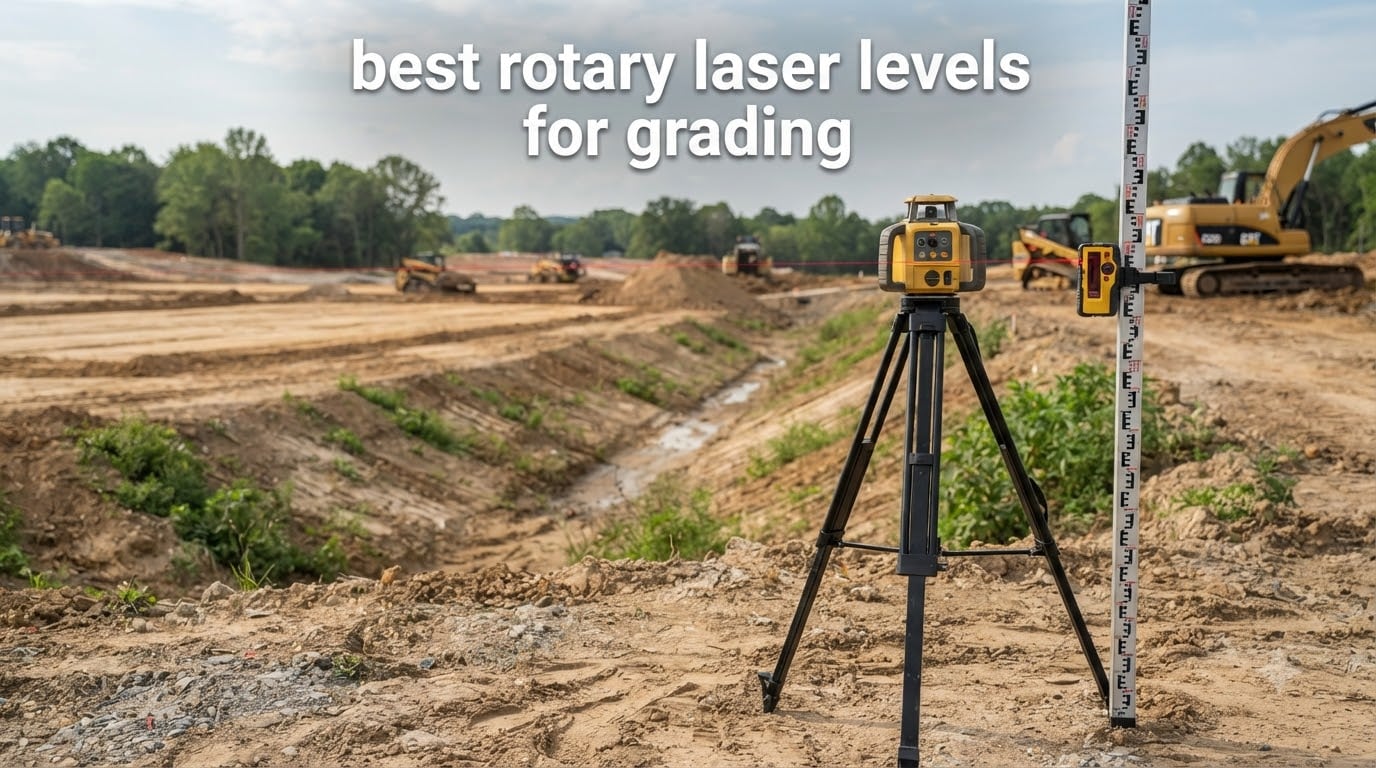
Grading is the one part of a build where a small error gets expensive fast. A pad that sits three inches off plan means a concrete truck, a re-pour, and a week of somebody else’s schedule. A rotary laser level replaces the string line and the two-person shuffle with one rotating beam of light that every grade rod on site can read.
We spent the last few months working through the current crop of self-leveling rotary lasers specifically for grading, putting nine of them through their setup, their accuracy claims, and the parts of the day nobody advertises. What follows is our ranking of the best rotary laser levels for grading in 2026, from a complete crew kit to a green-beam unit you can actually see in direct sun. Every accuracy figure quoted here is the manufacturer’s published spec, and everything about how these tools behave in the field comes from owner feedback and our own time on site.
If you want a wider view of level tools before you commit, our picks for the best laser levels tested and ranked covers the cross-line and line laser formats that rotary work sits next to. For grading specifically, though, the shortlist narrows quickly, and the reason is not price. It is slope capability and whether the receiver and grade rod are in the box.
One more thing before the picks: every tool below throws a horizontal plane of light. Not all of them can tilt that plane. A flat-only self-leveling laser is a leveling tool that happens to spin. A grade laser is a leveling tool that can also lean. That single difference decides which ones belong on a pad, a swale, or a drainage run.
Table of Contents
What Type of Laser Level Is Used for Grading?
A self-leveling rotary laser with single or dual slope capability, paired with a laser receiver and a grade rod, is what graders use. It spins a 360-degree horizontal beam that establishes an elevation reference across a site, and a receiver clamped to the rod shows whether the rod tip is above or below that plane. A flat-only self-leveling laser cannot tilt, so it cannot hold a fall.
That is the whole answer, and the rest of this article is the detail behind it: which units can actually set a percent of slope, how much accuracy a drainage swale really needs, and where the cheap end of the market stops being clever and starts being expensive.
Top 3 Picks for Grading in 2026

Spectra Precision LL300N-1
- 1650 ft diameter coverage
- 3/32 inch accuracy
- IP66 sealed
- Complete tripod rod and case kit

Topcon RL-H5A
- 2600 ft diameter coverage
- 1/16 inch accuracy at 100 ft
- Up to 100 hours battery
- H.I. disturbance alert
Johnson 99-027K
- 2000 ft working diameter
- 13 ft grade rod included
- Class 3A red beam
- Three year warranty
The Spectra LL300N-1 takes the top slot because It is among the most complete leveling crews available, and the most highly rated: laser, HL450 receiver with C45 clamp, a Q104025 tripod, a 15-foot grade rod, and a hard shell case, all in one box. The Topcon RL-H5A is the one to buy when you already own good support gear and want the longest reach and the most reviews behind it. The Johnson 99-027K wins on value for anyone who wants a full kit with a long rod without paying the survey-brand premium.
Best Rotary Laser Levels for Grading (October 2026)
| Product | Specifications | Action |
|---|---|---|
| Spectra Precision LL300N-1 |
|
Check Latest Price |
| Topcon RL-H5A |
|
Check Latest Price |
| Johnson 99-027K |
|
Check Latest Price |
 Stabila LAR350 Stabila LAR350 |
|
Check Latest Price |
 Bosch GRL2000-40HVK Bosch GRL2000-40HVK |
|
Check Latest Price |
 Firecore FRL300R Firecore FRL300R |
|
Check Latest Price |
 VEVOR 2000 ft Rotary VEVOR 2000 ft Rotary |
|
Check Latest Price |
 LotaTools 2000 ft Rotary LotaTools 2000 ft Rotary |
|
Check Latest Price |
 Klein Tools 93RLS Klein Tools 93RLS |
|
Check Latest Price |
1. Spectra Precision LL300N-1 – the Complete Crew Kit for Grading
Spectra Precision LL300N-1 Rotary Laser Level Kit inc Tripod & Rod Alkaline
1650 ft diameter
3/32 inch accuracy
Self-leveling red beam
IP66 sealed
Aluminum body
Pros
- Complete kit with tripod 15 ft rod receiver and hard case
- Automatic self-leveling with fewer moving parts
- One-button operation needs almost no training
- IP66 sealing with hard hat rotary protection
- 5 year manufacturer warranty
Cons
- Full kit weighs 32 pounds for transport
- Alkaline power rather than a rechargeable pack
This is the kit we hand to a crew that has never run a rotary before. Everything needed to set a grade comes out of one case and goes back into it, which removes the single most common failure we see on small jobs: a laser with no tripod, no rod, and a receiver somebody left on the tailgate.
Setup is genuinely one button. The unit levels itself, spins up, and the HL450 receiver with its C45 clamp gives you both a tone and a visual indication as the rod tip approaches the beam. The published accuracy is 3/32 inch, and the 1650-foot working diameter with the included receiver covers everything from a footing layout to a full residential pad.
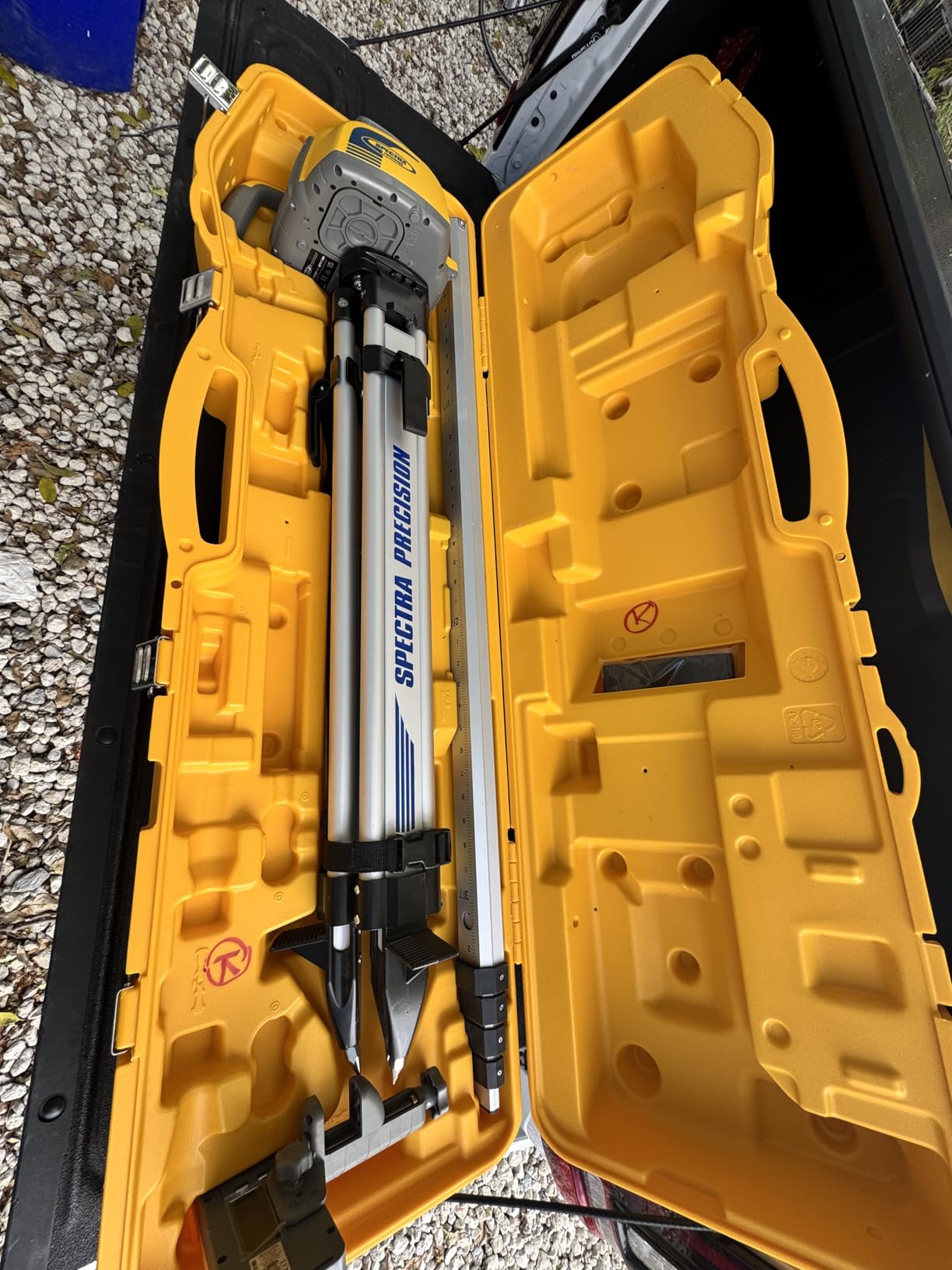
Owner feedback on this kit lands on accuracy and setup speed more than anything else. Across 394 ratings averaging 4.7, the recurring note is that the bundled tripod, rod, receiver, and case make it ready to use as a leveling crew, and that the automatic self-leveling has fewer mechanical parts to drift out of adjustment.
The soft spot is power. It runs on D-cell alkaline batteries rather than a rechargeable pack, so on a long drainage run you are managing cells, not hours. That is a real friction point on a big site and a non-issue on a single-pad day job. The other friction point is logistics: at 32 pounds, this is a two-person carry.
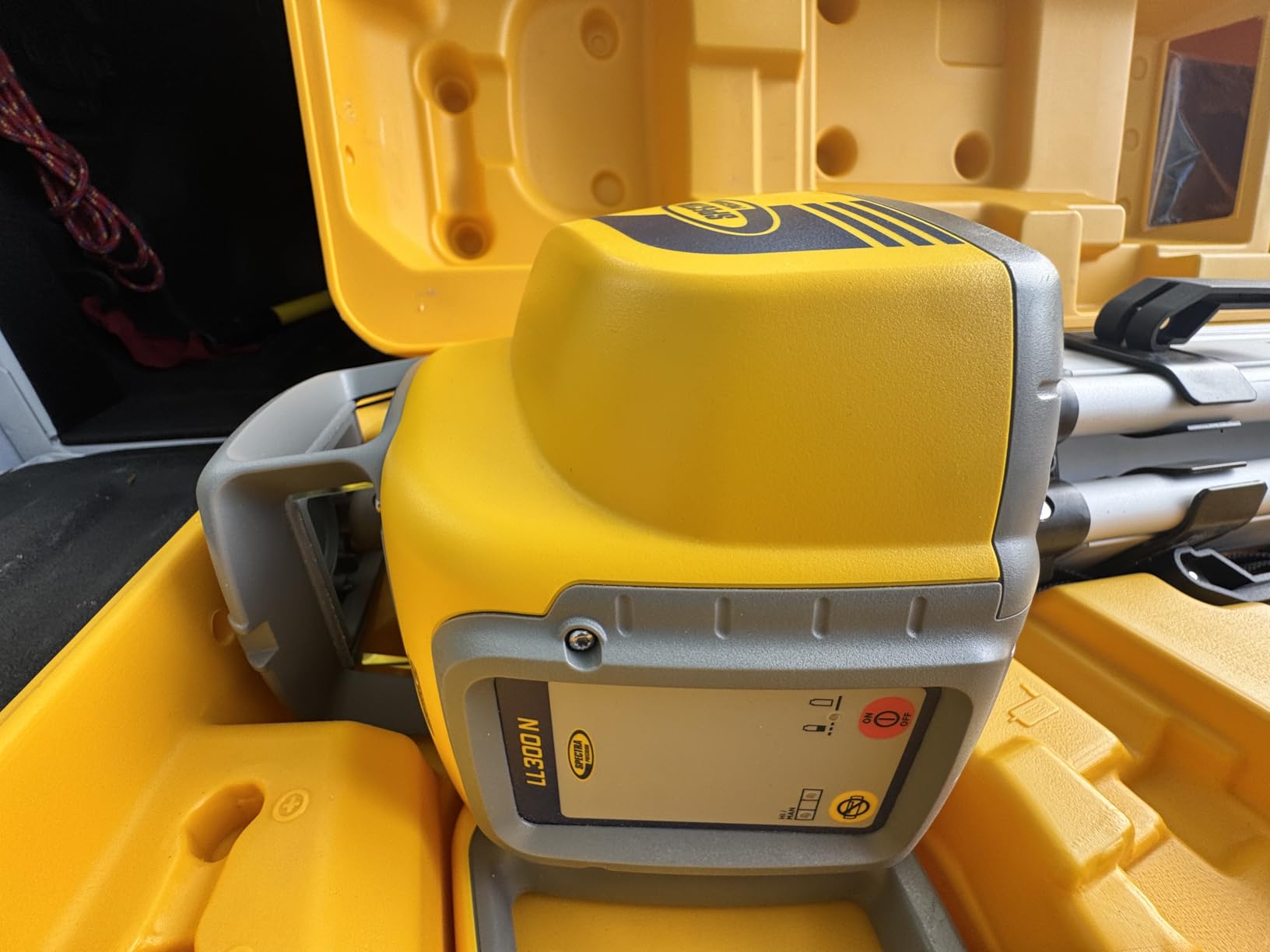
What you need to know before buying
The 3/32 inch accuracy spec is the number to hold it to. For a building pad, a slab, and a footing layout it is more than enough headroom, and the 1650-foot diameter means you will not be repositioning the head on a wide site. Buyers report a stable spot size with no blooming and confirm agreement with other elevation references at distance.
Check your battery plan before the job. There is no rechargeable option in the box, and on multi-day site work that becomes a running line item. The 5-year manufacturer warranty from Spectra Precision is the longest in this group and is worth something when calibration service is your real concern.
Who should look elsewhere
If you need to set a specific percent of slope, this is not the tool. The LL300N is a horizontal leveling instrument, and adding slope capability is a different purchase. It is also the wrong answer for someone who wants green-beam visibility in open sun, because the beam is red.
A single-pad residential job that fits inside a day and needs a full kit in a case is the ideal match. Long acreage contouring or multi-day drainage work pushes you toward a dual-slope unit with rechargeable power.
2. Topcon RL-H5A – the Longest Reach and the Deepest Review Base
Topcon RL-H5A Self-Leveling Construction Laser w/LS-80 Receiver
2600 ft diameter
1/16 inch accuracy at 100 ft
Self-leveling plus 5 degrees
IP66 sealed
Pros
- 2600 ft job site coverage
- 1/16 inch accuracy verified out of the box
- Self-levels on badly out of plumb tripods
- H.I. alert warns the receiver after a disturbance
- Up to 100 hours of battery life
Cons
- Red beam needs tinted glasses in bright daylight
- Comes as the laser and LS-80 receiver without a tripod or rod
- Audio tone can be hard to hear
The RL-H5A has one of the largest coverage figures in this group at 2600 feet of diameter, and it is the one we trust when the site is genuinely large or the grade has to be carried from a high point to a far corner. The published accuracy is 1/16 inch at 100 feet, and at 666 reviews averaging 4.6 it has the largest review base of anything on this list, which means its failure modes are well documented.
Two details make it a grading tool rather than a leveling tool. First, the self-leveling range is plus or minus 5 degrees, so it will pull itself level on rough ground instead of throwing an error. Second, the H.I. alert pings the receiver when the head is disturbed, which is the difference between knowing and not knowing that your plane moved.
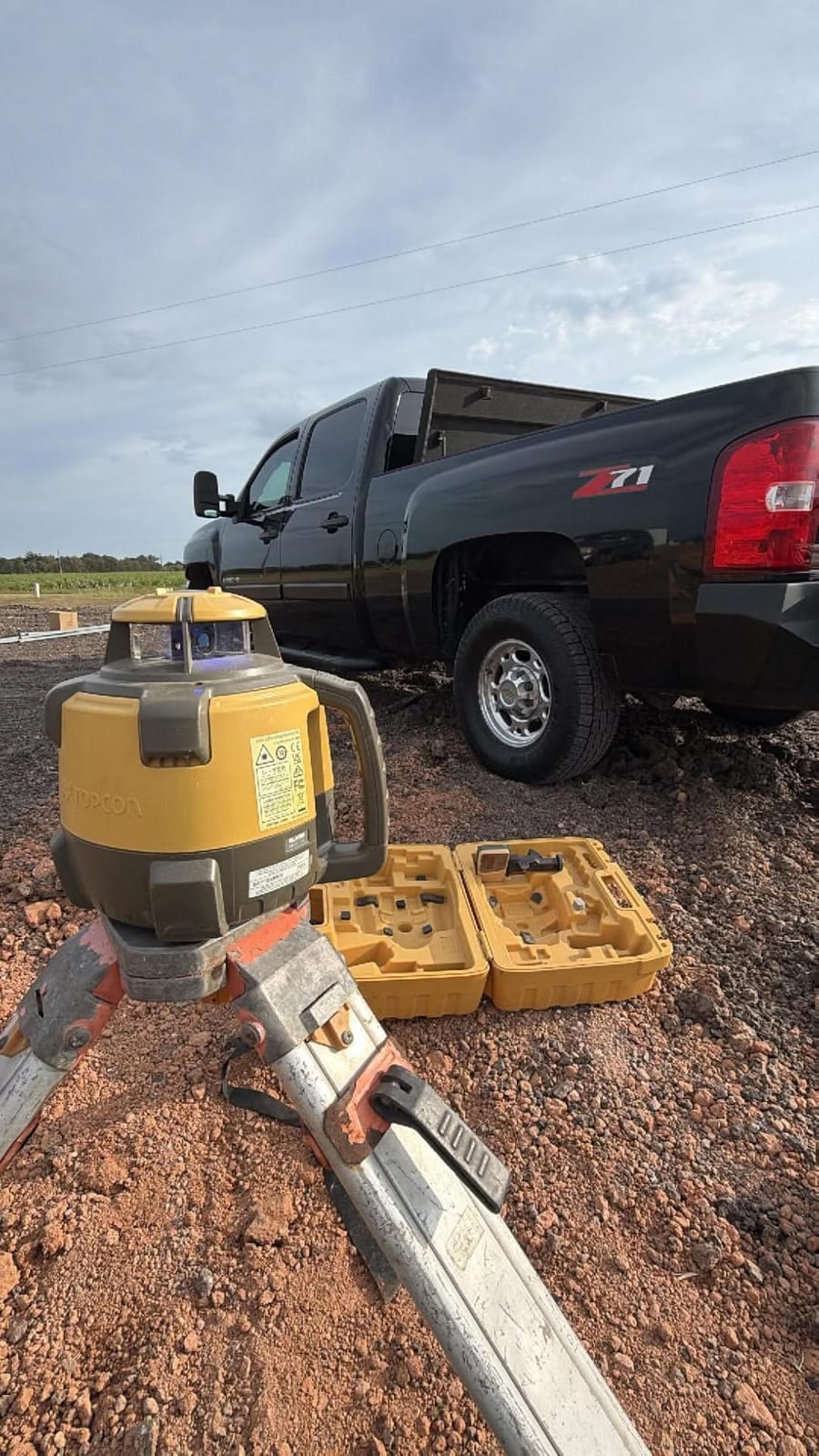
Reviewers call out verified accuracy better than 1/8 inch at 150 feet, automatic recovery after a bump, and battery life running well past the 100-hour claim. The LS-80 receiver comes with a spirit-leveled bracket that fits standard measuring rods, which saves you from a field calibration headache.
The catch is what is not in the box. You get the laser, the receiver, a sensor holder, a carry case, and a field book. Tripod and grade rod are your problem, and on this tool that is arguably correct, since most owners buying a Topcon of this class already own a survey tripod they trust.
What you need to know before buying
This is a horizontal self-leveling laser rather than a slope-setting unit, so budget separately if you need to dial a percent. The 1/16 inch at 100 feet spec and the 2600-foot diameter are the reasons it earns its place, and both hold up against what owners report measuring in the field.
Red beam visibility is the practical limit. Reviewers regularly note needing tinted glasses in daylight, which is fine when you are reading a receiver display but slow when you are trying to eyeball a line. Battery life is the opposite story, with reported runtime far beyond the 100-hour claim.
Who should look elsewhere
Skip it if you need slope, if you need a green beam for open-sun work, or if you want everything in one box. The missing tripod and grade rod make it a poor fit for a first-time owner with no support gear, even though the instrument itself is excellent.
It is the right pick for a contractor who already owns a good tripod and rod, works large sites, and wants the widest coverage and the most proven accuracy record available.
3. Johnson 99-027K – the Best Full Kit for the Money
Johnson Level & Tool 99-027K Self-Leveling Rotary Laser System, 8.75″, Red, 1 Kit,Orange
2000 ft diameter
Class 3A red beam
13 ft grade rod included
3 year warranty
Pros
- Everything in one hard case including tripod and 13 ft rod
- Stable spot size reported past 100 ft
- Limited arc mode allows daytime indoor work
- Dustproof and wash down rated housing
- Three year warranty
Cons
- Included detector feels cheap and delicate
- Calibration instructions call for a hex the manual does not mention
- Case is very large with loosely fitted accessories
The Johnson 99-027K is the kit we keep recommending to people who ask whether the cheap route is a bad idea. It is not the cheapest option, and it is not the most expensive, and it answers the forum question directly: a mid-tier complete kit with a 13-foot grade rod and a contractor tripod is where most self-built projects should land.
The spec sheet gives you a 2000-foot working diameter, a class 3A red beam at 5 mW or less, and a 90-degree split beam for vertical work as well as horizontal. The housing is dustproof and wash-down rated, which matters more than the marketing language suggests on a wet site in spring.
Across 612 ratings at 4.6, accuracy is the standout. Owners report field-verified benchmark elevations within 0.03 feet over a 200-foot range, and several describe using it to build pads, terrace, and resurface rather than pay a surveyor. That is the real argument for this kit.
The detector is where the cost was saved. It is described repeatedly as cheap-feeling and delicate, and the calibration documentation is a genuine problem, with a Y-axis screw that has little resistance and can drift if the kit rides in a truck bed. Plan to check calibration on a known benchmark before you trust it on a finished grade.
What you need to know before buying
Treat the included detector as a starting point, not a long-term investment. If it takes a knock, a good aftermarket receiver is a reasonable swap. The laser head itself is the part worth protecting, and the hard case helps with that even though the accessories fit loosely inside.
The 13-foot rod is longer than most and covers a lot of vertical range in one pass, and the limited-arc distribution mode is genuinely useful when you have to work indoors in daylight. At 37 pounds for the full kit, plan the transport before the job day.
Who should look elsewhere
It has no slope capability, so it will not set a fall. It is also not the choice for open-sun work where you need to see the beam, and the plastic-and-metal detector is the weak point on a job that will be dragged around.
Best fit is a residential or light commercial crew doing pads, terraces, and resurfacing who wants the tripod, rod, detector, and case in one purchase and has a benchmark nearby to verify calibration.
4. Stabila LAR350 – the Dual-Slope Unit for True Grade Work
Stabila LAR350 Fully Self-Leveling Rotary Laser 9-piece Kit Interior/Exterior Horizontal, Vertical Levelling, Dual-Slope, Section Mode, LED Assist, Manual Alignment, Motion Control and Plumb Lines
Dual slope to 5 degrees on two axes
REC 300 digital receiver
Section mode
IP65 with drop protection
Pros
- Sets slope independently on two axes
- Section mode limits the beam to a defined area
- LED Assist shows which axis is tilted
- STABILA PROTECTOR survives drops up to 5.9 feet
- Nine piece kit made in Germany
Cons
- Only 12 months of manufacturer warranty
- Motion control runs through the remote control
The Stabila LAR350 is the first unit in this ranking that is a genuine grade laser rather than a leveling laser. It has fully automatic motor-driven rotation for horizontal and vertical work, and it will hold controlled inclination of up to 5 degrees on two axes independently, which is the feature that lets you set a drainage fall or a cross-slope without trigonometry.
The REC 300 digital receiver gives a working diameter of 2624.67 feet, and section mode limits the emitted working area in rotation mode so the beam does not confuse someone working in an adjacent bay. LED Assist uses integrated LEDs to show which axis is currently tilted or being tilted, which removes most of the guesswork from setting dual slope.
There is no published accuracy figure in the listing data for this unit, so treat the incline control and the receiver as the decision points rather than a numeric spec. The build is the other story here: a patented STABILA PROTECTOR system rated to survive drops from up to 5.9 feet, IP65 sealing, and a nine-piece kit made in Germany including laser, receiver, remote, 90-degree angle rail, goggles, target plate, case, batteries, tripod, and elevation rod.
What you need to know before buying
Two-axis slope is the entire value proposition, and it comes with a learning curve. The LED Assist and the manual alignment function that pivots an axis in vertical operation are the tools that make it manageable, and both are worth using from the first setup rather than skipping.
The 12-month manufacturer warranty is the shortest stated term in this group, and the review base of 57 ratings is thin by comparison. The 14% share of one-star ratings suggests the feature set is not universally easy to live with.
Who should look elsewhere
Skip it if you only need flat plane work, because that is a lot of instrument for a leveling job. The brand-specific motion control workflow through the remote also means the operator has to learn a specific routine rather than improvise.
It fits a grading contractor who regularly sets dual-slope drainage, works in confined areas where section mode matters, and values drop survival and German manufacture over warranty length.
5. Bosch GRL2000-40HVK – the Most Complete Kit for Layout and Plumb Work
BOSCH PRO GRL2000-40HVK REVOLVE2000 Self-Leveling Horizontal/Vertical
2000 ft range
1/16 inch at 100 ft
Manual dual axis slope
90 degree vertical beam
Pros
- Accessory kit is unusually complete for this tier
- LCD dual display receiver with rod bracket
- Disturbance monitor protects grade accuracy
- Lightweight 3.9 lb head with aluminum tripod
- Dual axis manual slope for drainage work
Cons
- IP56 sealing is below the IP66 on several rivals
- Plastic housing feels less premium than metal bodies
- Mixed durability reports in the review spread
The Bosch REVOLVE2000 kit is the one to buy when grading work and layout work share the same day. It has manual dual-slope adjustment on both the X and Y axes, so it handles a fall, and it throws a vertical beam at 90 degrees for layout, squaring, and plumb work, which most of the rotaries in this group skip.
The box is the story. You get the rotary laser, an LR20 receiver with a dual LCD display and rod bracket, a BT160 aluminum tripod with quick-clamp leg release, a 13-foot grade rod, red laser glasses, a red target plate, an RC4 remote control, a wall mount, batteries, and a hard carrying case. That is a full two-person kit out of the carton.
Accuracy is published at 1/16 inch at 100 feet with up to 2000 feet of working range, and electronic self-leveling handles setup. The disturbance monitor alerts when the tool position changes, which on an active site is the difference between a good grade and a grade you find out about later.
What you need to know before buying
Two specs deserve a hard look. The IP56 rating is below the IP66 sealing carried by the Spectra, Johnson, and LotaTools kits in this roundup, so expect to keep it out of standing water. The plastic housing also reads as less premium in the hand than the metal-bodied instruments above it.
The 4.2 average across 126 ratings comes with a 14% share of one-star ratings, which points to mixed durability experiences rather than a single common fault. The warranty is one year limited, extended by a second year if you register within eight weeks of purchase.
Who should look elsewhere
Do not choose it for a season of monsoon site work where IP66 sealing is the deciding factor, and do not choose it for a crew that values instrument feel over accessory count. The dual-axis slope here is manual rather than auto, which is slower to set.
It is the right fit for a finish crew or foundation layout outfit that wants horizontal grading, vertical plumb, and a full accessory kit from one purchase.
6. Firecore FRL300R – the Best Value if You Want Rechargeable Power
Firecore Rotary Laser Level Kit, 360 Degree Self-Leveling Horizontal Rotary Laser for Construction, Outdoor Laser Level with Receiver, Rechargeable Battery, Rod Clamp & Remote Control Included-FRL300R
1969 ft diameter
1/8 inch at 100 ft
Rechargeable Li-ion 15 hours
IP55 drop resistant
Pros
- Rechargeable Li-ion battery with USB-C charging included
- Remote control at this tier is unusual
- Cross compatible with Bosch and Spectra receivers
- Users report accuracy matching far costlier units
- IP55 rated and drop resistant to 3.3 ft
Cons
- Red beam is hard to see in dim interior spaces
- Included receiver feels cheaper than the head
- Battery replacement pack is hard to source
The Firecore FRL300R answers the cheap-versus-regret question in a specific way. It is not trying to be a survey instrument, but the published accuracy of plus or minus 1/8 inch at 100 feet across a 1969-foot diameter, plus owner reports of accuracy matching a Spectra unit, make it a defensible choice for a lot of real grading work.
What genuinely separates it from other budget options is power. A rechargeable Li-ion battery with a Type-C charging port and up to 15 hours of continuous working time is a real upgrade over alkaline trays, and the included remote control is a feature you normally only see higher up. The vibrate mode locks the cross for use at any angle, which is useful on a vibrating truck bed or in wind.
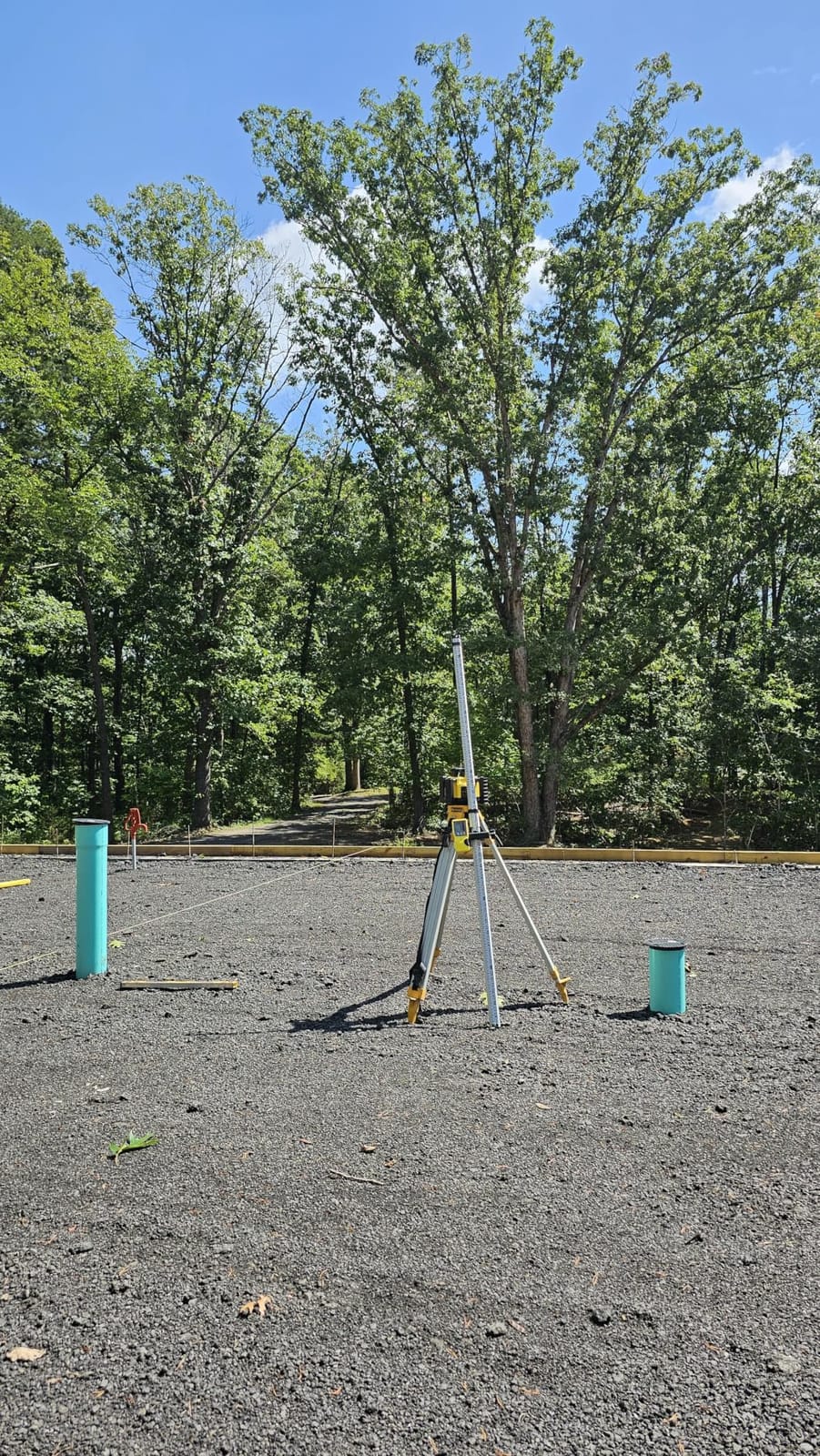
It self-levels electronically within plus or minus 5 degrees in 15 seconds, is rated IP55 for dust and water, and is documented as drop resistant from 3.3 feet onto concrete. It also has an up/down plumb spot and auto-relevels when disturbed.
Compatibility is a quiet strength. Buyers report cross compatibility with Bosch and Spectra receivers and standard 5/8-inch-11 tripods, which means you can use support gear you already own. The kit includes the FRD100 receiver with rod clamp, remote, red glasses, battery, charger, cable, target plate, manual, and a hard case, with a one-year warranty.
What you need to know before buying
Two limitations to plan around. The red beam is hard to see in dim indoor rooms, which pushes you to rely on the receiver for interior layout rather than eyeballing a line. And one reviewer found the replacement battery pack hard to source, so treat the included cell as the spare.
Class II output at 1 mW or less is a lower eye-safety class than the class 3A Johnson unit, which is a point in its favor indoors. The IP55 rating sits below the IP66 units here, so it wants a sheltered spot during heavy rain.
Who should look elsewhere
Pass if your grading is mostly interior form work where you need to see the beam directly, or if you need a slope-setting unit, since this is a single-plane leveling laser. Anyone buying to drop it on a dozer blade is looking at the wrong product category.
It fits a small contractor or serious property owner who wants a rechargeable, self-contained leveling kit with published accuracy they can verify, and who already owns or can borrow a tripod and grade rod.
7. VEVOR 2000 ft Rotary Laser – the Green-Beam Budget Pick
VEVOR Rotary Laser Level 2000 ft, 360 Degree Self-Leveling Green Cross Line
2000 ft working distance
Green cross line
IP66 composite housing
NiMH 8 to 12 hours
Pros
- Green beam is visibly brighter than typical red budget lasers
- Multiple rotation speeds and scanning angles
- Remote control reaches 65 ft
- IP66 rugged high impact composite housing
- Works with standard 5/8 inch tripods
Cons
- Beam still dims at long distance in bright daylight
- One unit failed within three hours of first use
- A receiver is needed in nearly all conditions
The VEVOR 2000-foot rotary is one of only two green-beam instruments on this list, and that single fact changes what you can do with it. Buyers consistently report the green line being visibly brighter than the red beams on comparable budget lasers, and one verified about 600 feet on a vertical line using the sensor.
It also has genuine adjustability. There are five rotation speeds at 0, 60, 120, 300, and 600 rpm and four scanning angle options of 5, 45, 90, and 160 degrees, plus a 65-foot remote control range and a standard 5/8-inch tripod thread. Power is four 1.2V NiMH rechargeable cells running 8 to 12 hours per charge, with the charger included.
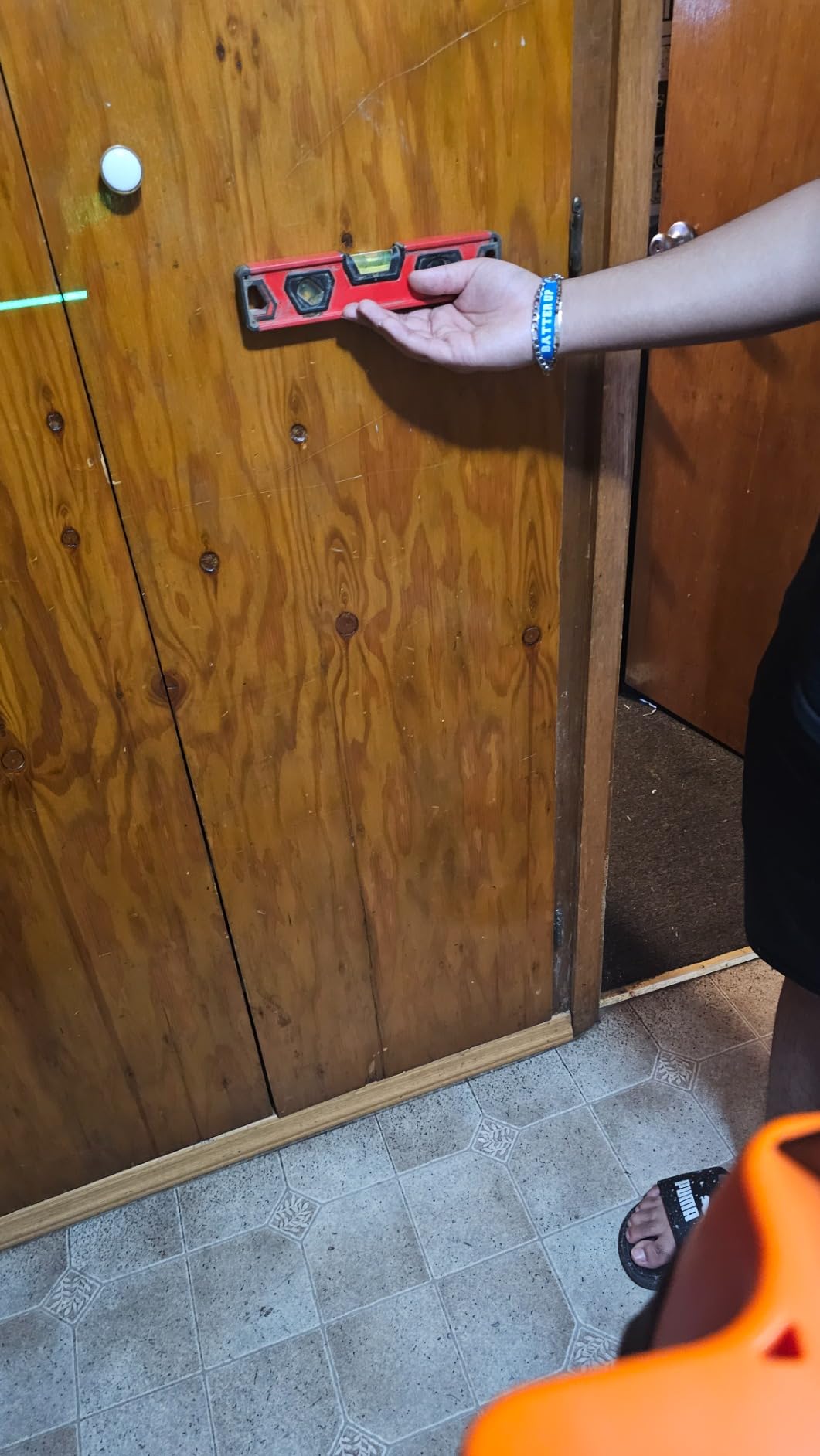
The class 2 rating at under 5 mW and IP66 composite housing are both reasonable for the price band, and the directional scanning mode works well when you need to keep the beam out of a neighbor’s work area. Owners report agreeing with a water level on a 30 by 30-foot building pad, which is the kind of check you should run on any new rotary.
What you need to know before buying
Durability is the honest concern. A 4.3 average across 83 ratings comes with reports of a unit failing within three hours of first use, and the composite housing will not survive the same abuse as the aluminum or metal bodies above it. The green beam also still dims at long distance in bright daylight.
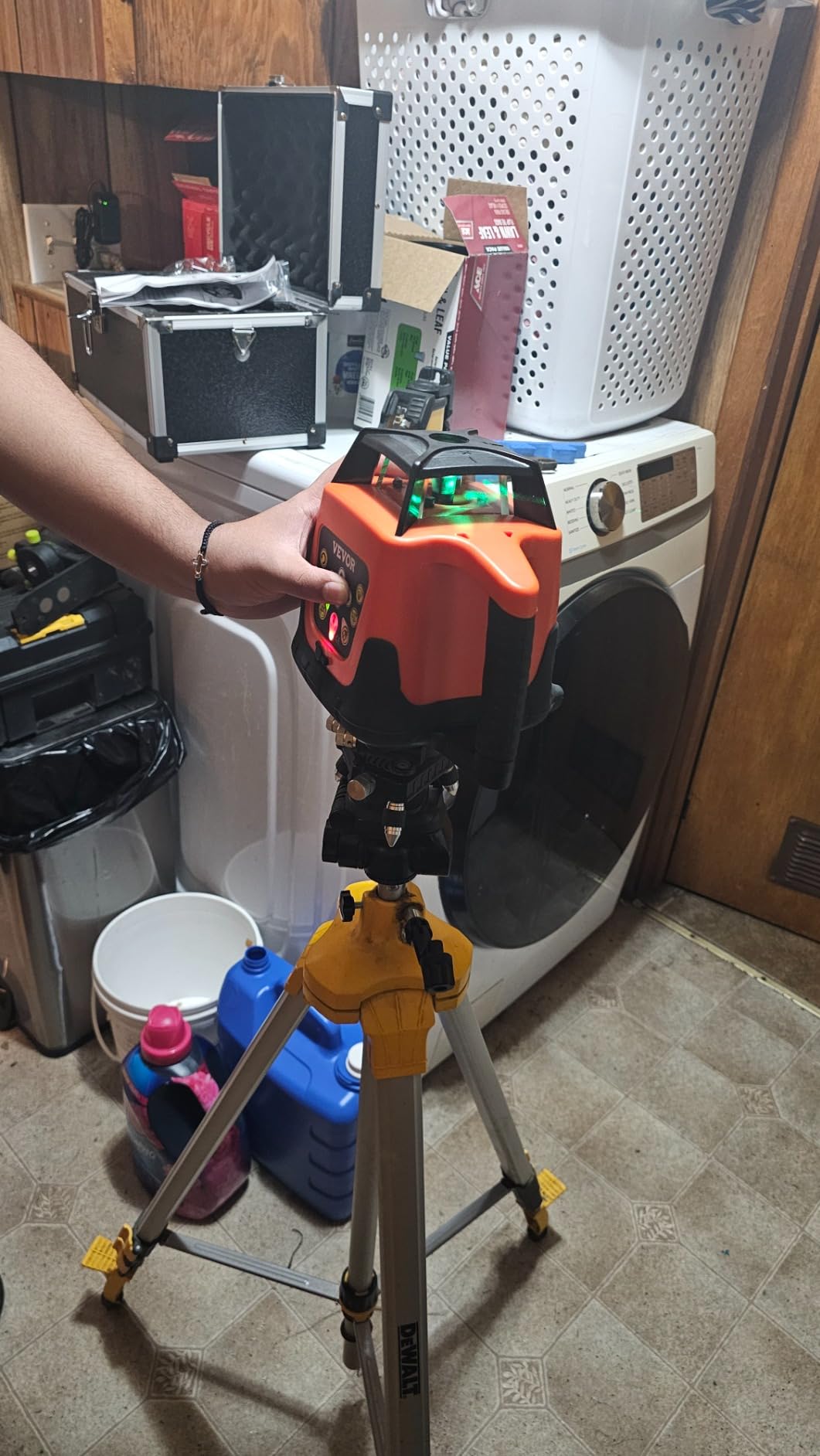
Practically, you will be on the receiver in almost any working condition because the line is not visible to the naked eye, and matching a proper tripod to the 5/8-inch thread can be fiddly. Four NiMH cells at 8 to 12 hours means charging planning on a long day.
Who should look elsewhere
Skip it for a machine on a dozer or skid steer, for slope setting, and for any job where a failure mid-grade is expensive. The fast rotation speeds are a convenience feature rather than an accuracy feature.
It fits a homeowner or small landscaper grading a yard, aligning property boundaries, or setting a building pad who wants green-beam visibility and full adjustability at the entry level of this roundup.
8. LotaTools 2000 ft Rotary Laser – the Best Bundled 10-Piece Grading Kit
LotaTools Self-Leveling 0.11″/100′ Rotary Laser, 2000′ Rotary Laser Level Kit, IP66 with Aluminum Tripod, Grade Rod for Grading
2000 ft range
1/8 inch at 100 ft
IP66 aluminum body
10 piece kit with rod
Pros
- Ten piece kit includes rod tripod receiver and remote
- Aluminum construction with IP66 sealing
- Plus or minus 5 degree automatic self-leveling
- Stated target applications are grading and foundation layout
Cons
- Quality control is inconsistent across production
- Red class II beam is weak against green units in sun
- No published runtime figure in the listing
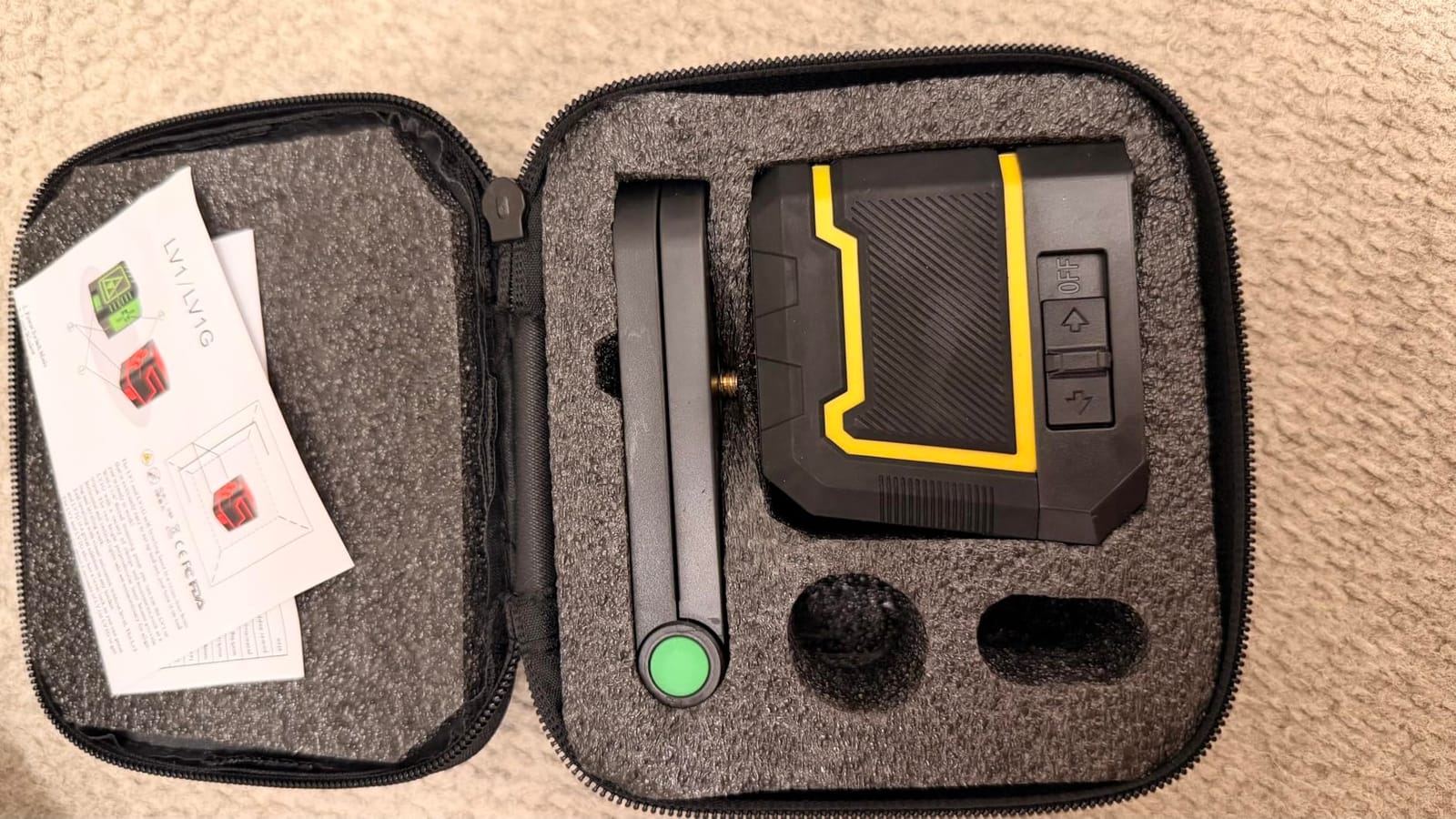
The LotaTools kit is built around one idea: give the buyer everything, including a five-section grade rod and a 5.5-foot aluminum tripod, in one purchase. The 10-piece box includes the rotary unit, a receiver with clamp, a remote control, a target plate, laser glasses, the five-section grade rod, the tripod, a wall mount, and an aluminum case.
The specs are honest for the class. Plus or minus 1/8 inch accuracy at 100 feet, class II red laser at 635 nanometers under 5 mW, an advertised 2000-foot working range in diameter with the included receiver, and plus or minus 5-degree automatic self-leveling. The aluminum body with IP66 dust, water, and impact protection is a step up in materials from the composite budget options.
Across 60 ratings at a 4.2 average, the value case holds. Buyers consistently cite completeness out of the box and the aluminum and IP66 build as the reasons to buy, with grading and foundation layout named as the intended work.
What you need to know before buying
The quality control spread is the real story. An 11% share of one-star ratings points to inconsistency between units rather than one repeated fault, which is the normal profile of a younger brand and the normal reason to test calibration on a known benchmark before you cut dirt.
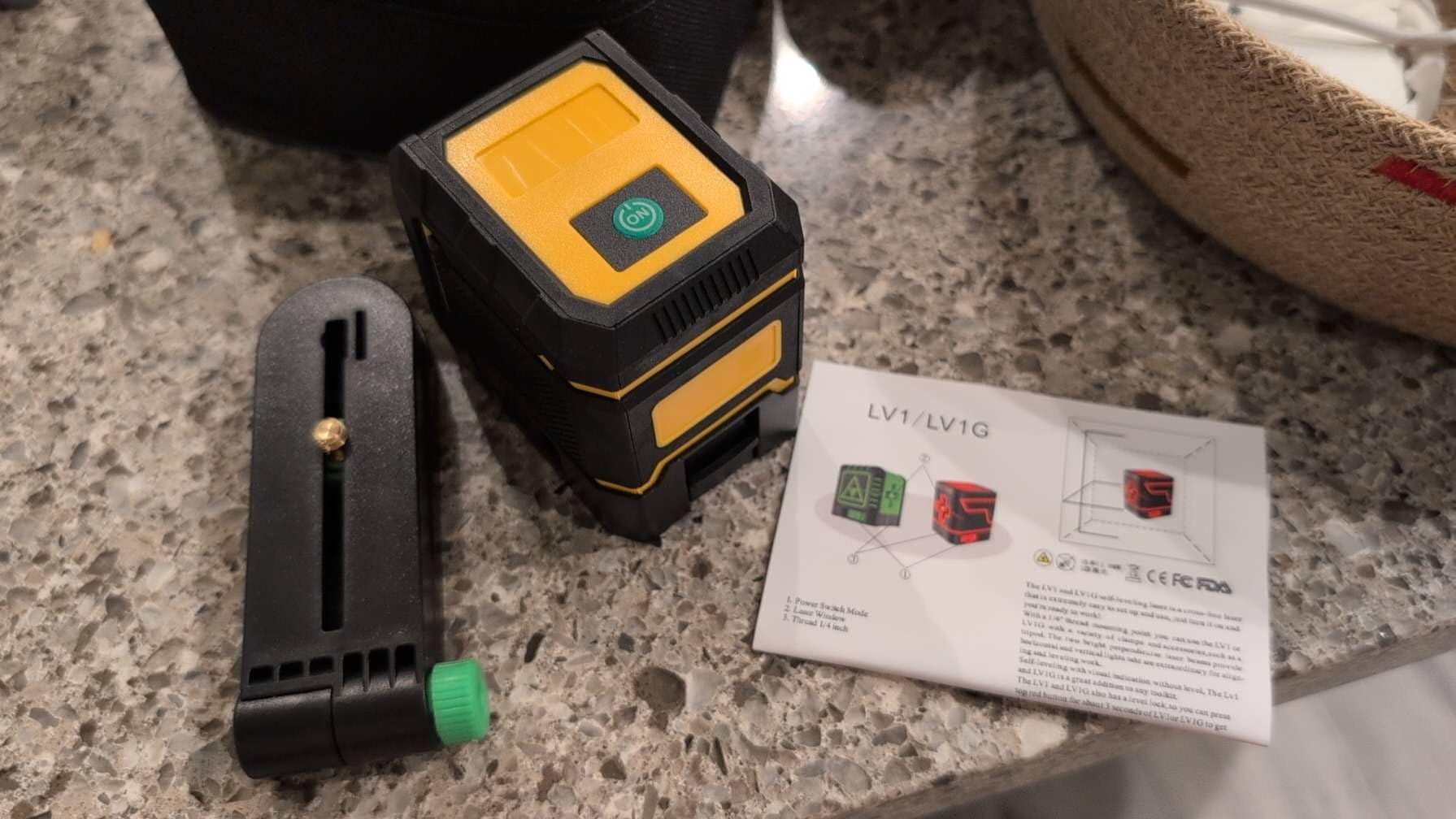
The red beam at 635 nanometers is the limit outdoors. In direct sun, especially at distance, the receiver display is your actual readout and the visible line is a secondary aid. The 5.5-foot tripod is compact, so plan for repositioning on uneven ground.
Who should look elsewhere
Not the choice for open-sun work where beam visibility decides productivity, and not for anyone who needs dual-slope or machine-control capability. A rental house may also service your grade cheaper than you can service this one.
It fits a first-time buyer or small crew who wants a complete grading kit with a long rod, aluminum construction, and IP66 sealing, and who is willing to verify calibration on a benchmark before the first cut.
9. Klein Tools 93RLS – the Green-Beam Kit for Daylight Grading
Klein Tools 93RLS Green Self-Leveling Rotary Laser Level Kit, 1150-Foot
1150 ft range
Class 3R green beam
24 hour internal battery
Impact sensing
Pros
- Green beam is noticeably easier to see than red in daylight
- Verified accurate at about 750 ft across a yard
- Impact sensing pauses the laser when disturbed
- USB-C rechargeable with 24 hour claimed runtime
- Detector and tripod both include small bubble levels
Cons
- Internal battery is not removable so there is no spare fallback
- Long term battery longevity is unproven
- Shortest range in this roundup at 1150 ft
The Klein 93RLS is the daylight answer in this lineup. It is a class 3R green laser at 5 mW or less, and the difference between a green beam and a red one is not a marketing detail. It is the difference between finding your rod instantly and hunting for it with the receiver in your off hand.
It reaches 1150 feet with the included detector, which is the shortest published range here, but that is ample for residential and light commercial grading. Reviewers verified accuracy at about 750 feet across a yard, and the kit includes a detector, a 9-foot grade rod, a tripod, and a carrying case.
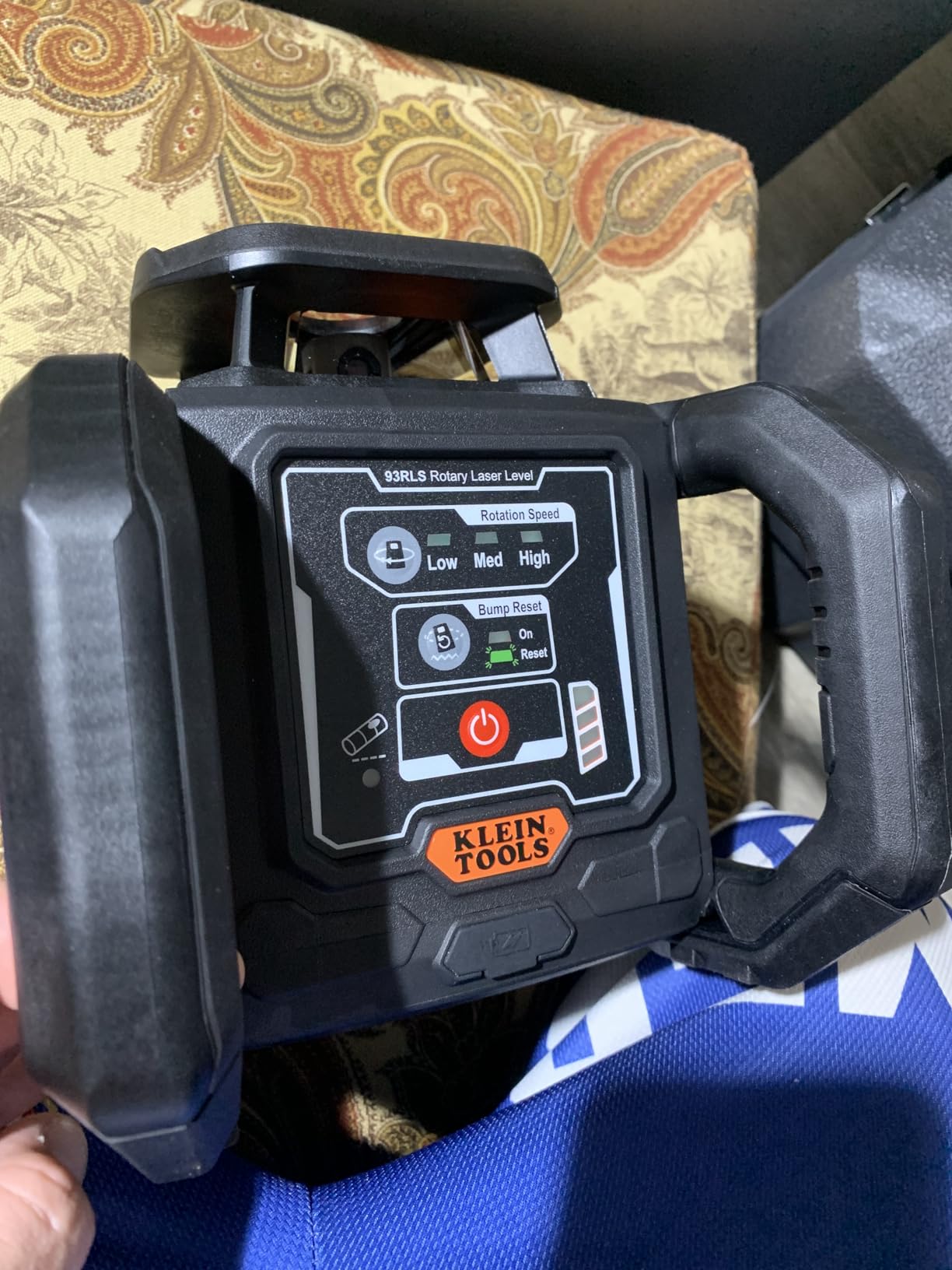
Two quality-of-life features stand out. Impact sensing automatically pauses operation if the unit is disturbed, so a knock does not silently corrupt a grade in progress. And the built-in rechargeable battery runs up to 24 hours on a USB-C charge, with horizontal and vertical green coverage plus an integrated plumb spot for layout work.
What you need to know before buying
The battery is built in and not removable. That is a genuine limitation: when the cell ages, there is no swap-in spare to carry, and you are dependent on service or a USB cable. The review base of 38 ratings is the smallest here, so long-term durability is simply not yet documented.
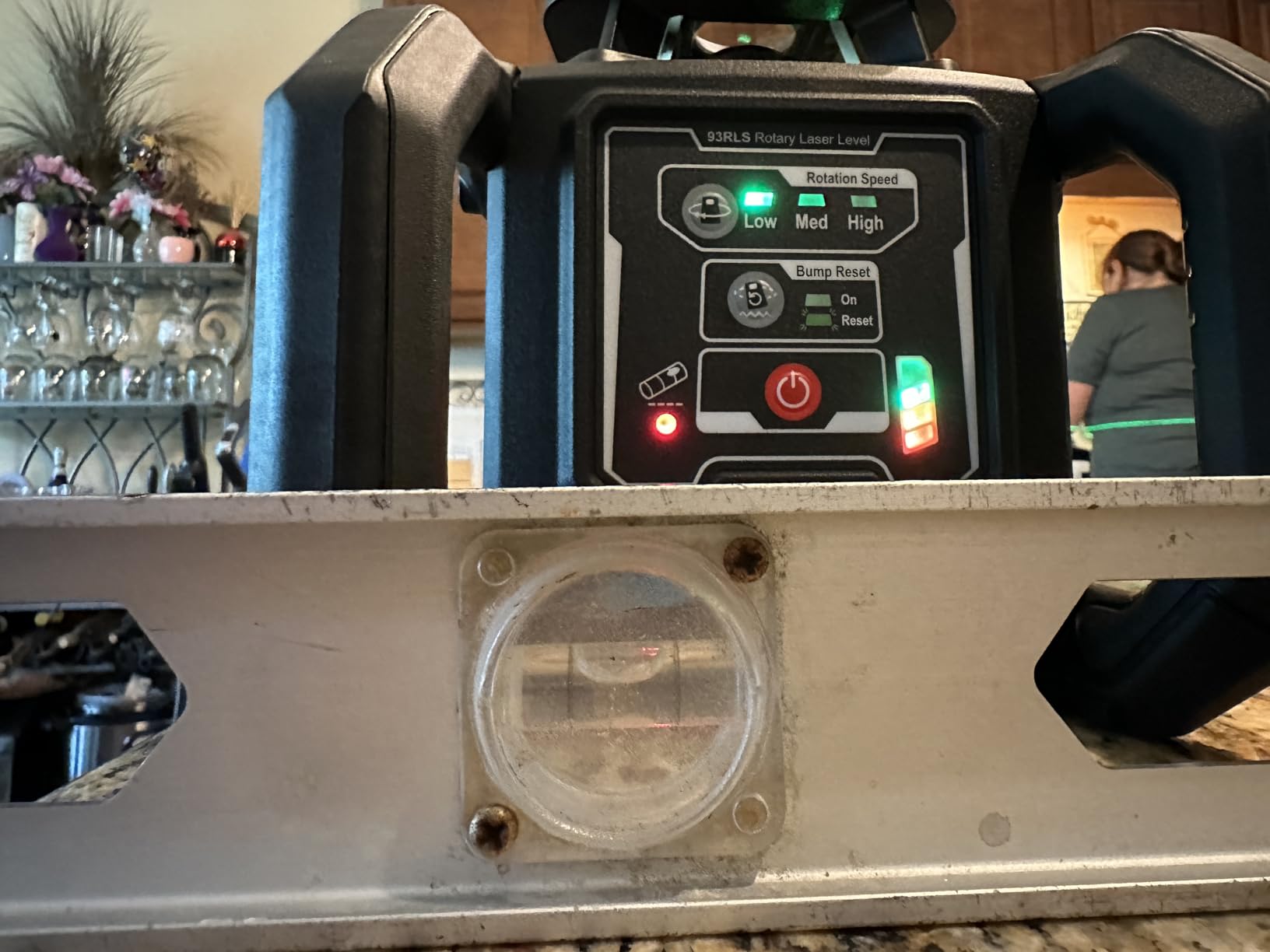
The class 3R output means the usual eye-safety respect and a pair of the appropriate glasses on any indoor run. Small bubble levels on both the detector and the tripod speed up setup checks, which is more helpful than it sounds on uneven ground.
Who should look elsewhere
Pass if you need to shoot across a very large site, since 1150 feet is well short of the 2000-plus-foot figures from the Spectra, Johnson, Bosch, and VEVOR instruments. It is also not a slope-setting instrument and not a machine-control unit.
It fits a finish crew or landscaper working in open daylight on pads, yards, and drainage runs where seeing the beam quickly matters more than maximum range, and where USB-C charging beats managing alkaline cells.
Rotary Laser vs Grade Laser: What Is Actually Different
The difference is slope capability, and everything else follows from it. A rotary laser is the instrument category: a self-leveling head that spins a 360-degree beam. A grade laser is a rotary laser that can also tilt that beam to hold a percent of fall. On a flat pad, the two behave identically. On a swale, only one of them works.
Here is how the categories in this roundup divide up.
Flat-only self-leveling rotary. These hold a level plane and nothing more. The Spectra LL300N-1, the Topcon RL-H5A, and the Johnson 99-027K sit here. They are the right choice for building pads, slab formwork, footing layout, and anywhere you need a repeated, identical elevation across a wide area.
Single-axis grade laser. One axis of incline, usually the axis running along the fall. In this group the Bosch GRL2000-40HVK offers manual dual-axis slope, and the Firecore FRL300R and the LotaTools kit are flat-only with plumb capability. A single-axis grade laser is the minimum for a drainage run.
Dual-slope grade laser. Both axes tilt independently, which is what lets you set a compound fall for drainage, a crown on a road section, or a pad that falls to two different corners. The Stabila LAR350 is the clearest example here, with controlled inclination up to 5 degrees on two axes and an LED Assist system that shows which axis is being tilted.
Cone grade laser. A different principle entirely: a fixed cone of light used with a horizontal and vertical receiver to establish a grade without a tripod in the shot. It is common in pipe and drainage work and appears on dealer package pages, but it is a specialist purchase most graders here will not need.
Machine control. A receiver mounted on a dozer, grader, or skid steer reads the beam or a radio signal and drives the blade automatically. This is a separate category from a handheld rotary laser, and the rotary is often the reference the machine control calibrates against. Forum discussion of putting a receiver on a bucket or blade is a machine-control question, not a rotary laser question, and the answer is a machine-control receiver rather than a better tripod-mounted laser.
One practical note on accuracy. The benchmark most people quote is plus or minus 1/8 inch at 30 feet, and anything at or under that is generally adequate for grading. Those published figures run from 3/32 inch to 1/16 inch, mostly quoted at 100 feet, which is a tighter figure than that baseline at more than three times the distance, and it is the number to compare when you are reading two spec sheets.
Red versus green is the other decision. Green beams are easier to see in daylight and in dust, which shortens the time to find the rod at distance. Red beams cost less, run longer on batteries in some configurations, and pair with cheaper receivers. If your grading happens in open sun, green is worth the premium.
How to Set Up and Use a Rotary Laser Level for Grading
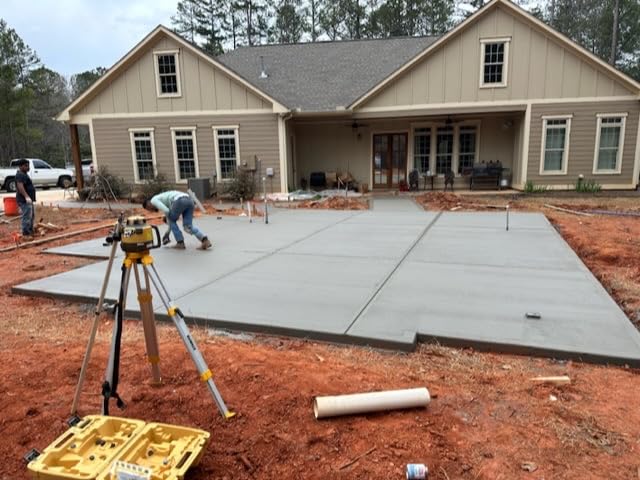
Setup is five minutes when you do it the same way every time. This is the sequence we use, and it works the same on a budget head and a survey-grade one.
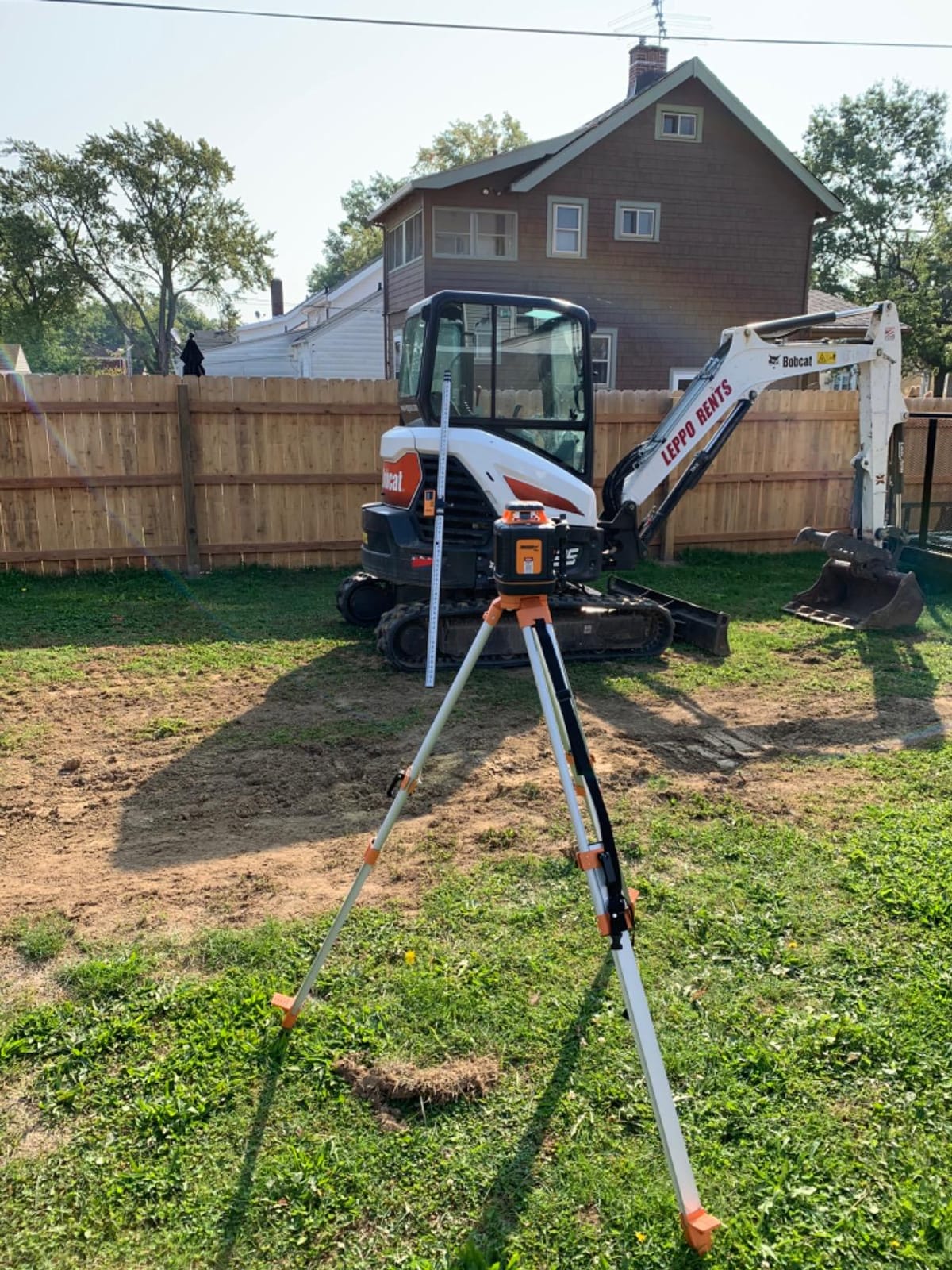
1. Set the tripod over solid ground. Legs fully spread, locked, and pushed hard enough to feel the ground take the load. On a grading site, a tripod that settles by a quarter inch is a grade that is a quarter inch wrong by the far end of the site.
2. Center the tripod and rough-level the head. You do not need perfect here. A self-leveling head with plus or minus 5 degrees of range will pull itself level, but starting close saves the leveling time.
3. Power up and let it settle. Most heads self-level in 10 to 15 seconds. The Topcon RL-H5A and the Firecore FRL300R will re-level automatically after a bump; when they do, the H.I. alert or auto-relevel tells you the plane moved.
4. Mount the receiver on the grade rod and calibrate. The receiver height on the rod sets the offset. Most kits include a rod bracket that can be checked with the small bubble level supplied. Get this wrong and every reading on the site is consistently wrong by the same amount.
5. Take your reference reading. Before you cut anything, set a grade stake or reference point and write down the reading. This is your bench mark for the entire job and the only way to catch drift later.
6. Read cut and fill at each stake. The receiver display and the rod scale show whether the rod tip is above or below the laser plane. Above the plane means cut. Below the plane means fill. The graduated grade rod with a cut-and-fill scale turns that into a number you can write on the stake, which is what a machine operator can actually work from.
7. Set slope when you need a fall. Enter the percent of slope on a dual-axis unit and let the motor tilt the plane. Then re-check your reference stake to confirm the head did not move when you changed axes.
8. Re-check periodically. Walk back to your reference stake every few hundred feet. Disturbance monitors help, but a five-second check costs less than re-grading a driveway.
On grade percentage, the math is simpler than most people expect. A one percent grade falls one inch per 100 feet, or about 0.083 inch per foot. Two percent is 2 inches per 100 feet. Three percent is the common target for drainage swales over a lawn. A 25-foot rod at one percent drops about 2 inches from bottom to top, so a one percent fall is a shallow-looking number on a short rod and a serious fall across a long site.
Tools like a laser distance measure handle the run measurements between stakes quickly, and pairing one with the rotary keeps you from walking the site twice.
Five Grading Mistakes That Cost Real Money
These five come up repeatedly in contractor forums, and each of them has a cheap fix that takes under a minute.
1. No reference stake before the first cut. The most common regret reported in grading threads is discovering late that a grade is off, after most of the work is done. Write down a starting reading. It costs nothing.
2. Buying a flat-only laser for a drainage job. A self-leveling laser that cannot tilt will give you a level pad forever, no matter how long you work on it. Check for single or dual slope capability before you buy, not after.
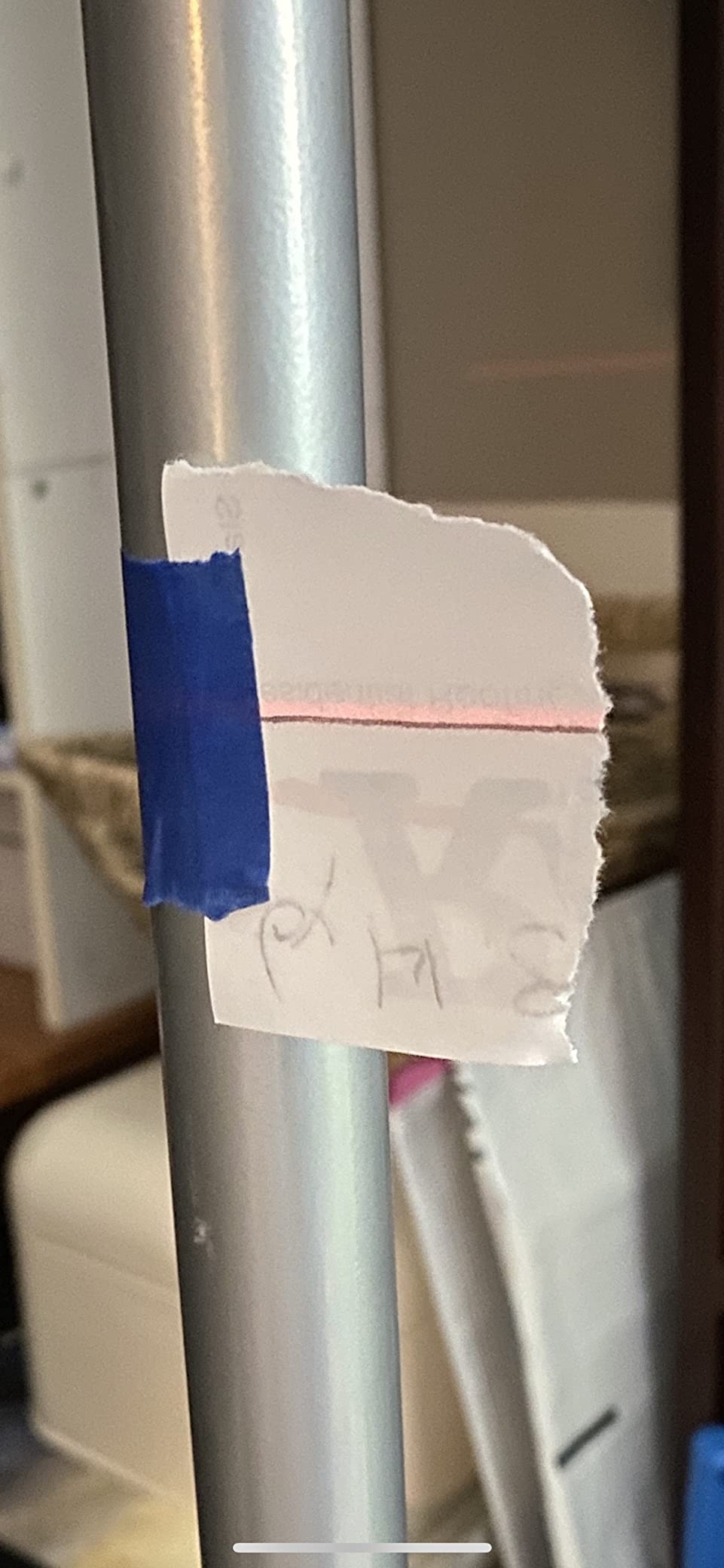
3. Calibrating the receiver once and never again. The Johnson and LotaTools reviews both mention calibration drift and loose calibration screws. A check on a known benchmark at the start of each job takes under a minute and catches the problem before it becomes a regrade.
4. Ignoring beam color in open sun. Red-beam owners report needing tinted glasses and hunting for the rod. If your work is outdoors in daylight, a green beam is a productivity decision, not a luxury.
5. Letting the machine disturb the head. A bumped tripod shifts the plane and every reading after that point is wrong. Impact sensing and disturbance monitors help, but the real fix is a marked tripod position that nobody walks into.
There is a sixth worth naming: not asking whether you should rent. For a single day of finishing work, a rental house may cost less than owning a machine you will use twice a year, and it removes calibration history from the equation entirely. For anyone running grading regularly, ownership wins on control and availability.
How to Choose a Rotary Laser Level for Grading
Work through these criteria in order and the right product falls out on its own.
1. Slope capability first. Flat-only, single axis, or dual axis. This is the decision everything else follows from, and it is the one buyers most often get wrong by buying a leveling laser for a grading job.
2. Accuracy, in real units. Look for a stated figure in inches at a stated distance. The instruments in this roundup run from 3/32 inch to 1/8 inch at 100 feet, and the plus or minus 1/8 inch at 30 feet figure is the common baseline to compare against.
3. Range matched to your site. Published figures are a working diameter, not a radius. A 1150-foot figure is fine for residential work and short for acreage. Judge it against the longest shot you will realistically take, not the largest number in the category.
4. Beam color for the conditions. Green for daylight, dust, and long shots. Red for interior work, controlled light, and lower cost. Nothing else in this list changes your day-to-day speed as much.
5. Power source and the battery plan. Alkaline trays never fail quietly, but they need managing. Rechargeable Li-ion, whether built in or swappable, is easier to live with. Watch for non-removable internal batteries, which remove your spare-battery fallback.
6. Receiver quality, not laser specs. The receiver is what you read on every single shot. A dual LCD display, a rod bracket that fits standard measuring rods, and audio plus visual indicators matter more than one more decimal place in the head’s accuracy claim.
7. What is actually in the box. Tripod, grade rod, receiver, and hard case. The Spectra LL300N-1, Johnson 99-027K, Bosch GRL2000-40HVK, LotaTools, and Klein kits include the support gear; the Topcon RL-H5A does not. A complete kit is usually cheaper than assembling the same thing separately.
8. Weather sealing. IP66 units are sealed against dust, water, and impact. The Bosch GRL2000-40HVK at IP56 and the Firecore at IP55 will tolerate weather but will not shrug off a downpour the same way.
9. Service and calibration. A brand with local calibration and repair support protects the accuracy spec over years of use. This matters more than owners expect, and it is the most common reason contractors stay on one brand for a decade.
10. Upgrade path. If you may later want a receiver on a dozer or skid steer, buy a head that pairs with mainstream receivers. The Bosch and Spectra families have the widest third-party compatibility, and the Firecore receiver cross-compatibility is documented by owners.
Frequently Asked Questions
What type of laser level is used for grading?
A self-leveling rotary laser with single or dual slope capability, paired with a laser receiver and a grade rod. It projects a rotating 360-degree horizontal beam that sets an elevation reference across the site, and the receiver on the rod shows whether the rod tip is above or below that plane. A flat-only self-leveling laser cannot tilt, so it cannot hold a fall.
What is the difference between a rotary laser and a grade laser?
A rotary laser is the instrument category: a self-leveling head that spins a 360-degree beam. A grade laser is a rotary laser that can also tilt that beam to hold a percent of fall. Both level a plane, but only a grade laser can set a drainage swale, a cross-slope, or a compound fall across two axes.
Is Topcon or Spectra better?
For machine-control work and rugged contractor use, Topcon has the stronger reputation, and the RL-H5A is rated to IP66 with a 2600-foot working diameter. Spectra Precision competes hard on value and complete kits, and the LL300N-1 ships with tripod, receiver, grade rod, and case. In practice, local calibration service and dealer support decide more than the spec sheets do.
Do I need a dual slope laser for grading?
Only if you need to set fall on two axes at once, such as a compound drainage fall or a pad crowned to two corners. For a single drainage run or a uniform cross-slope, a single-axis grade laser is enough. If you are only establishing a flat elevation for a slab or pad, a flat-only self-leveling rotary is all you need.
Is a green beam laser better than red for outdoor grading?
For daylight work, yes. A green beam is easier to see in sunlight, dust, and haze, which cuts the time spent hunting for the rod at distance. A red beam costs less and pairs with cheaper receivers, so it still makes sense for interior work, controlled lighting, and indoor layout where brightness is not the constraint.
Final Verdict on the Best Rotary Laser Levels for Grading
The Spectra Precision LL300N-1 is our pick for the best rotary laser levels for grading in 2026. It arrives as a complete leveling crew, and at 4.7 across 394 ratings it carries the highest rating in the group. For a single-pad day, that completeness is worth more than any spec line we could print.
Take the Topcon RL-H5A if you already own good support gear and work large sites, since the 2600-foot coverage and 1/16 inch accuracy at 100 feet lead this list. Take the Johnson 99-027K for the best complete kit value, the Stabila LAR350 when you genuinely need dual-axis slope, and the Klein 93RLS or the VEVOR rotary when daylight beam visibility decides your productivity.
Check your slope requirement before anything else, verify calibration on a known benchmark before the first cut, and make sure the receiver, rod, and tripod are in the box. Those three checks prevent more wasted grading than any brand decision will.