
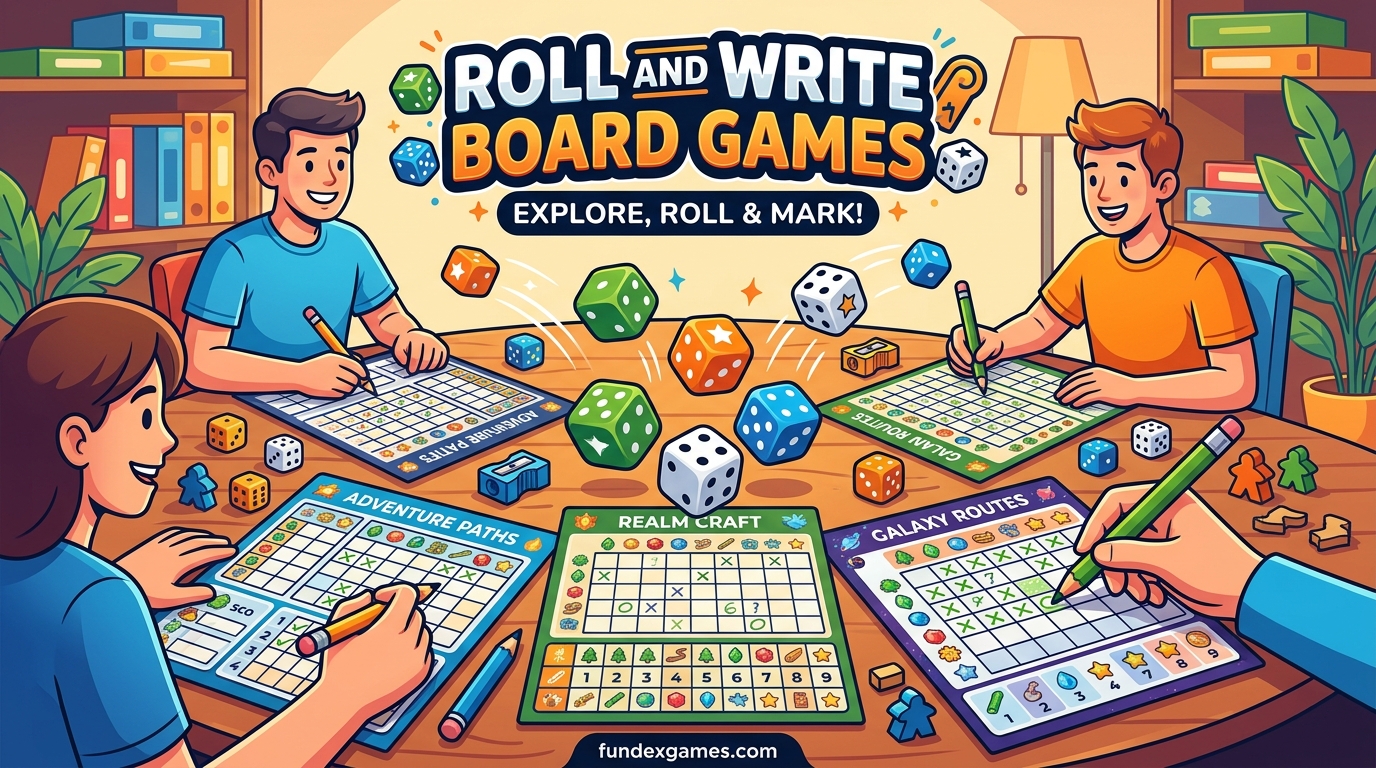
I still remember the first time my group sat down with a roll and write game. We expected a quick filler, but 45 minutes later we were all leaning over our score sheets, frantically calculating combo bonuses and arguing about who had the better route. That session hooked me on the genre.
Roll and write board games are tabletop experiences where players roll dice, flip cards, or draw tiles, then mark results on personal score sheets or erasable boards. The combination of luck and strategic placement creates accessible yet satisfying decisions. In 2026, the genre has expanded far beyond the classic Yahtzee formula into rich thematic worlds, solo puzzles, and engine-building challenges.
Our team spent over three months testing 15 different titles across family nights, solo sessions, and group gatherings. We ranked them based on replayability, player count flexibility, rule clarity, and the pure fun factor that keeps a game coming back to the table. Whether you want a 15-minute brain teaser or a 90-minute epic, this guide covers the best roll and write board games you can buy right now.
Table of Contents
What Is a Roll and Write Game?
A roll and write game is a tabletop experience where players roll dice, flip cards, or draw tiles, then mark the results on personal score sheets or erasable boards. The genre combines luck-based randomization with strategic placement decisions. Players typically compete for the highest score by optimizing their sheet within the game’s rules.
The core mechanic is simple but flexible. You roll dice or reveal cards, then use those results to fill in sections of a personal score sheet. Each game has specific rules about where and how results can be placed.
Scoring usually happens at the end based on completed patterns, connected routes, or accumulated points. The best players balance luck with efficient planning. The genre exploded in popularity over the past decade.
Modern designs incorporate engine building, campaign modes, and solo AI systems. Some games, called flip and write games, use card flips instead of dice rolls. The core appeal remains the same: accessible setup, quick turns, and satisfying optimization puzzles.
Top 3 Picks for Best Roll and Write Board Games
These three titles stood out across every test session. They represent the best blend of accessibility, depth, and table appeal in the genre. We selected them based on actual play frequency, community ratings, and the number of times different players asked to play again.

Dinosaur Island Rawr and Write
- Engine-building dino park theme
- Excellent solo mode
- Custom amber dice


Best Roll and Write Board Games in 2026
This table gives you a quick snapshot of every game we reviewed. Compare player counts, play times, and key features to find the right fit for your shelf.
| Product | Specifications | Action |
|---|---|---|
| Dinosaur Island Rawr and Write |
|
Check Latest Price |
| Next Station Tokyo |
|
Check Latest Price |
| Ravensburger Brilliant |
|
Check Latest Price |
 Roll Player Roll Player |
|
Check Latest Price |
 Orleans: Joan of Arc Orleans: Joan of Arc |
|
Check Latest Price |
 That’s Pretty Clever! That’s Pretty Clever! |
|
Check Latest Price |
 Lost Cities: Roll & Write Lost Cities: Roll & Write |
|
Check Latest Price |
 Get On Board: Paris & Rome Get On Board: Paris & Rome |
|
Check Latest Price |
 Twilight Inscription Twilight Inscription |
|
Check Latest Price |
 Rolling Realms Redux Rolling Realms Redux |
|
Check Latest Price |
 Patchwork Doodle Patchwork Doodle |
|
Check Latest Price |
 My City Roll & Write My City Roll & Write |
|
Check Latest Price |
 Sausage Sizzle Sausage Sizzle |
|
Check Latest Price |
1. Dinosaur Island Rawr and Write – The Best Themed Engine Builder
Dinosaur Island Rawr and Write Board Game – Build Your Dino Theme Park! Strategy Game, Fun Family Game for Kids and Adults, Ages 10+, 1-4 Players, 30-45 Minute Playtime, Made by Pandasaurus Games
1-4 players
30 min playtime
10+ age
Engine building dice game
Pros
- Fun drafting mechanics
- Different every game
- Excellent solo mode
- Premium components
Cons
- Complex rules at first
- Not recommended for new gamers
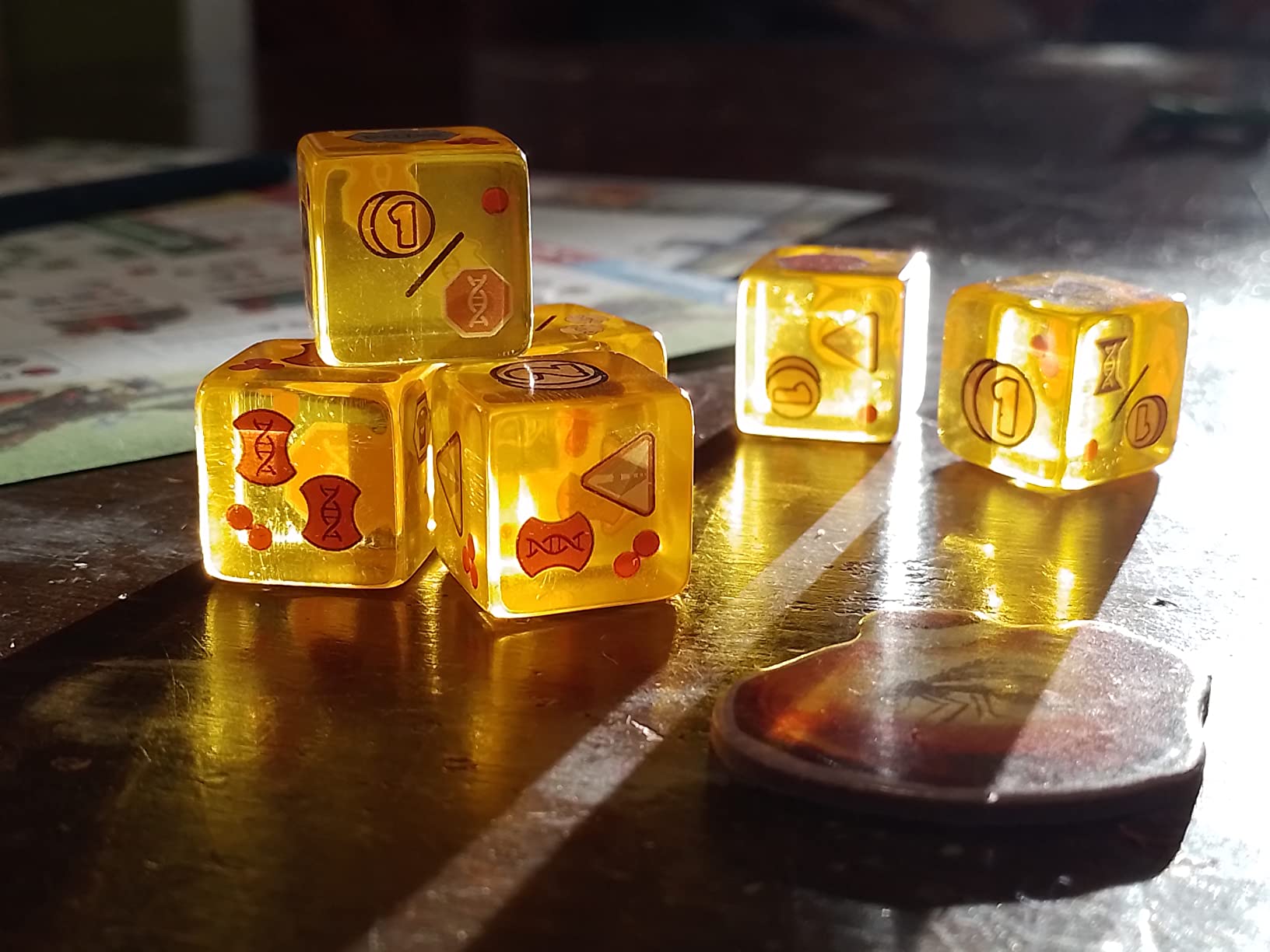
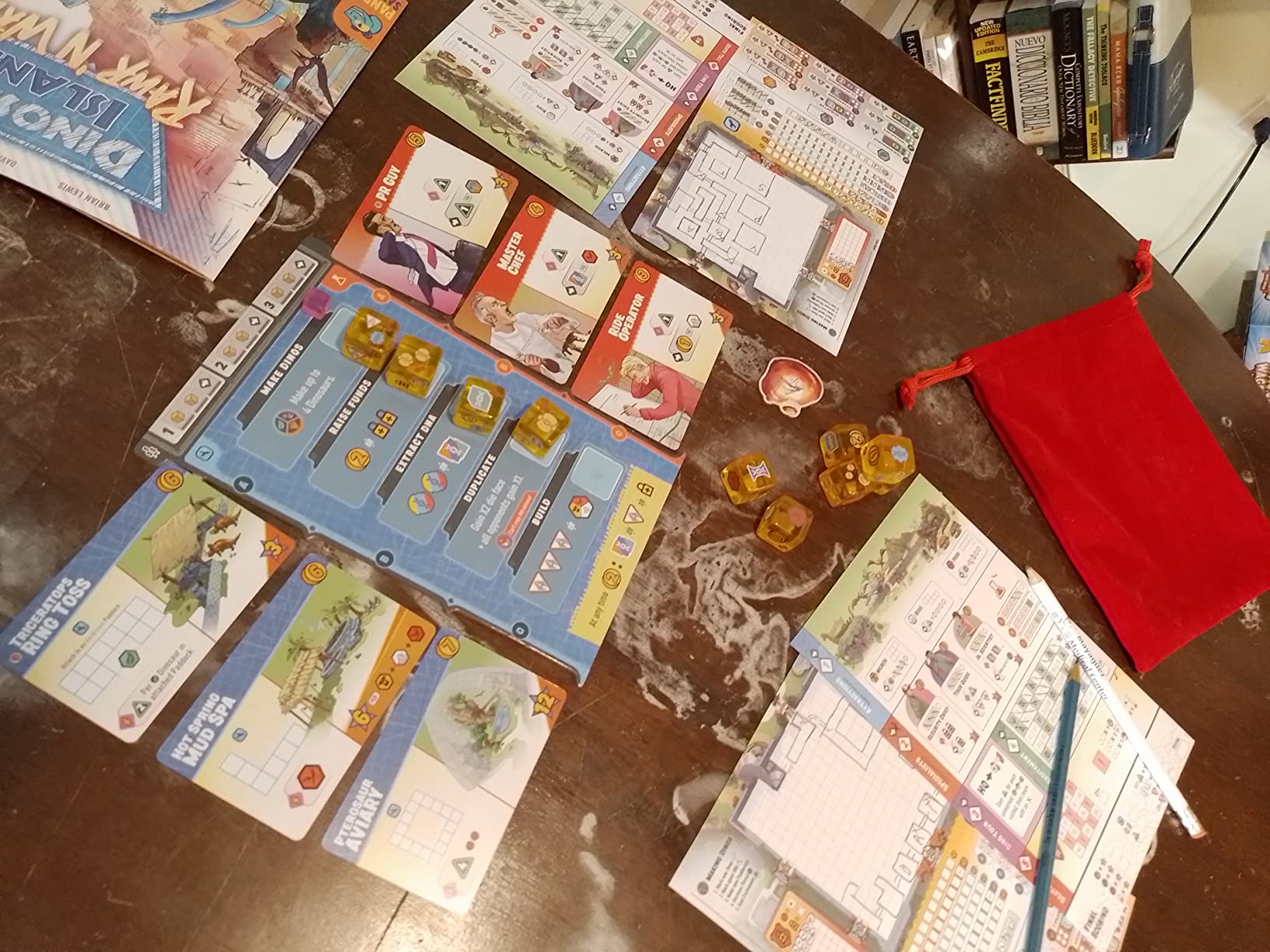
Our group played Dinosaur Island Rawr and Write six times in the first two weeks. Every session felt different because the DNA dice pool, building cards, and specialist hiring create a fresh puzzle each time. The amber dice are beautiful and roll smoothly, which matters when you are rolling them dozens of times per game.
The solo mode is genuinely challenging. The AI deck pushes you to optimize every turn, and I lost my first three attempts before cracking a winning strategy. That level of resistance is rare in roll and write games, where solo modes often feel like an afterthought.
The theme is not just window dressing. You are genuinely building a park, managing DNA, constructing attractions, and keeping visitors happy. The decisions chain together in satisfying ways.
Hiring a specialist early might unlock a building combo later that scores massive points. That payoff is worth the initial learning curve.
The rulebook is dense. Plan on a full read-through and a practice round before teaching new players. Once everyone understands the turn structure, turns flow quickly.
That first teach can take 20 minutes. This is not a gateway game. The sheet pad is generous, but it is not laminated.
If you plan to play heavily, consider laminating a few sheets or buying a second pad. The dice are custom molded with amber swirls and feel great in hand. I have not seen better production values in a roll and write at this weight class.
Best for players who want heavy strategy in a compact box
This game rewards players who enjoy engine building and multi-turn planning. The dice drafting adds interaction because you are competing for the same DNA faces. If you love puzzling out optimal combos and do not mind a 30-minute rule teach, this is the best roll and write board game for your collection.
Avoid if you prefer light fillers or have young children
The complexity and length make this unsuitable for casual family nights with kids under 10. The sheets are also not laminated, so you will burn through the pad over time. If you want a quick 15-minute dice chaser, look elsewhere on this list.
2. Next Station Tokyo – The Best Route-Building Flip and Write
Blue Orange Next Station Tokyo – Fun Flip and Write Set in Tokyo, Kids Teens Adults Family Couples Solo Play Game Nights, 1-4 Players, Ages 8+
1-4 players
30 min playtime
8+ age
Flip and write route game
Pros
- Easy to learn and play
- Plays in under 30 minutes
- Great solo and multi-player
- Excellent replay value
Cons
- Yellow district lines can be hard to see
- Scoring can be tricky
Next Station Tokyo is the sequel to the award-nominated Next Station London, and it improves on every element. The flip-and-write mechanic means you draw subway routes based on flipped cards rather than rolled dice, which gives the game a tighter control over the puzzle arc. Each round forces you to extend a specific color line through districts that score differently.
I played this solo at a coffee shop during a layover and immediately wanted another round. The solo rules are simple: you just play four rounds chasing the highest combined score. With multiple players, the tension comes from competing for the same station bonuses and district overlaps.
The scoring is tricky at first, but after one game it becomes second nature. The box is small enough to toss in a backpack. The 200 score sheets last a long time, and you can easily laminate a few for reuse.
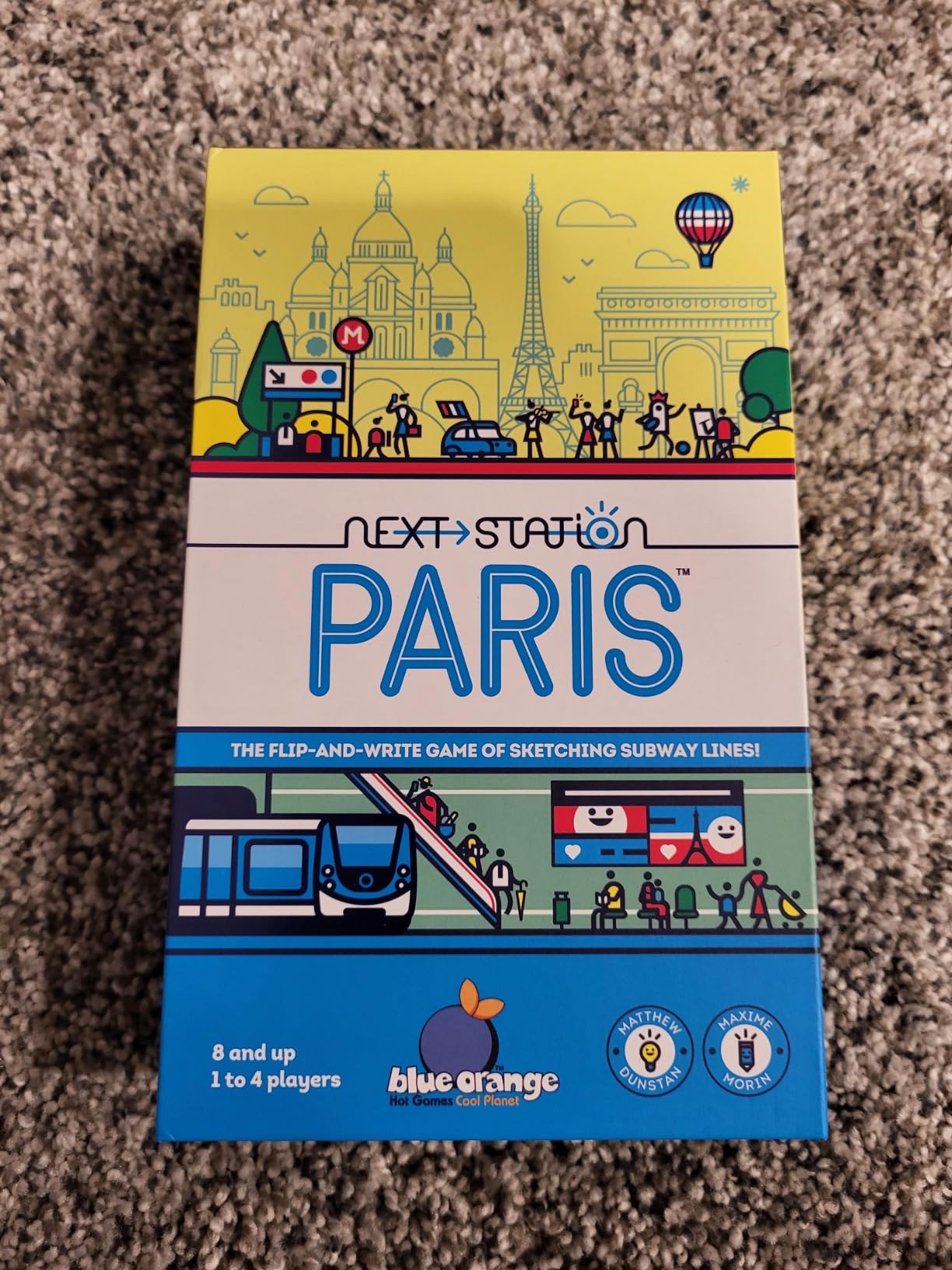
The color pencils included are functional, though I swapped in my own mechanical pencil for sharper lines. The yellow lines on certain sheets are genuinely hard to see under warm lighting. This is a minor production issue that does not break the game, but it is worth noting.
The replay value is excellent because the card order changes every game, and the dual-sided sheets offer different Tokyo layouts. I have played this over 20 times and still look forward to the next session. The flip and write structure keeps downtime minimal, which is a huge advantage at higher player counts.
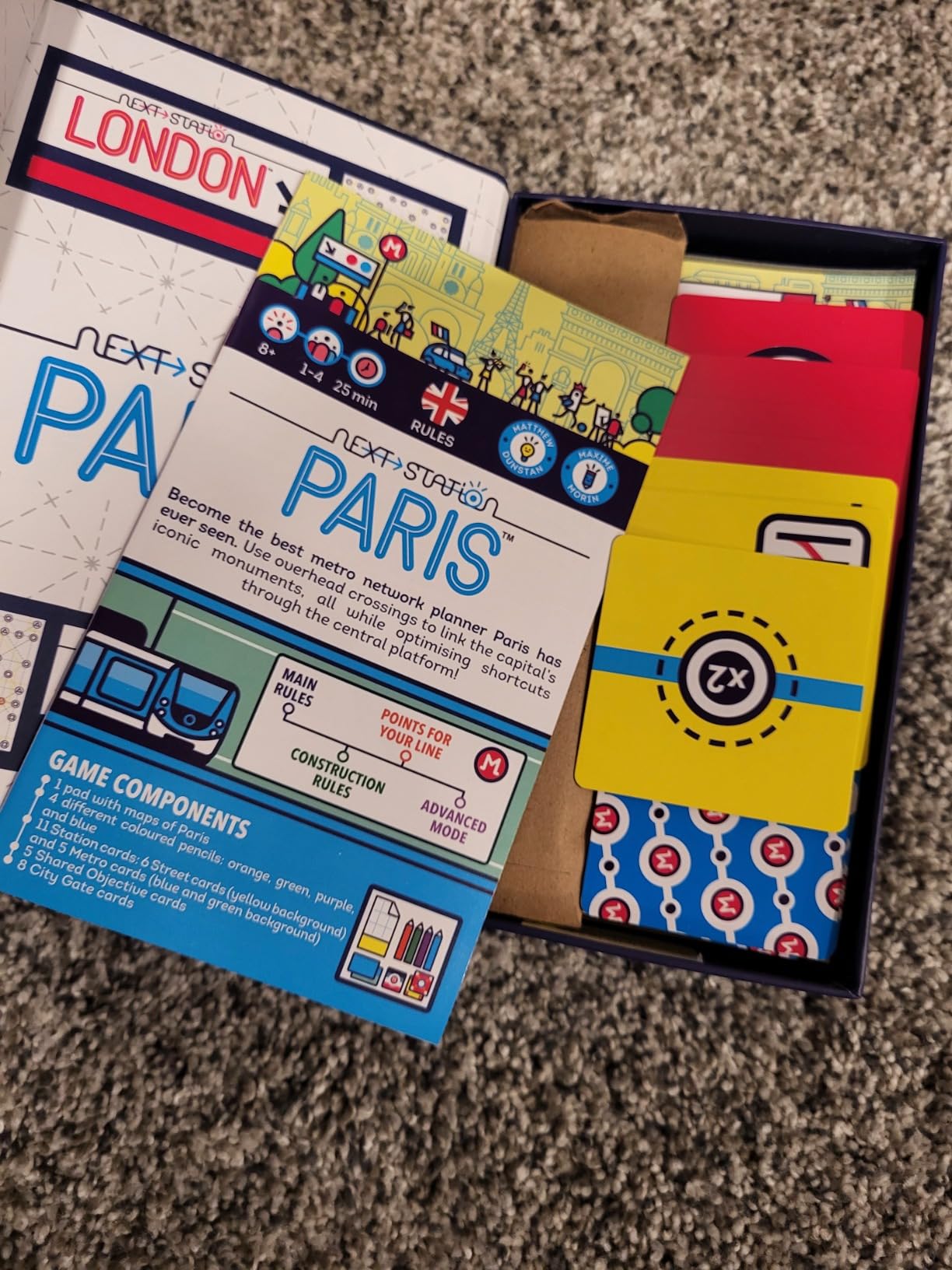
Best for commuters, solo gamers, and families with older kids
This is the most versatile game on our list. It works at 1 player, scales smoothly to 4, and teaches in under 5 minutes. The 30-minute playtime means you can fit it into almost any evening. If you want one roll and write game that covers every situation, Next Station Tokyo is the safest bet.
Avoid if you dislike spatial puzzles or limited color contrast
The entire game is about drawing lines on a grid. If spatial reasoning frustrates you, the core loop will feel like homework rather than fun. Also, players with color vision issues may struggle with the yellow line visibility. The publisher could fix this with a simple reprint.
3. Ravensburger Brilliant – The Best Quick Family Dice Game
Ravensburger Brilliant – 23491 – Game for dice Fans Aged 8 and Over – Suitable for 1-6 People
1-6 players
20 min playtime
8+ age
Roll and write dice
Pros
- Very easy rules
- No waiting times
- Great for travel
- Challenging without being difficult
Cons
- Cannot purchase refill sheets separately
- Some components may be in German
Ravensburger Brilliant is the game I pull out when someone says they hate board games. The rules take two minutes to explain. Everyone rolls two twelve-sided sparkling dice simultaneously, then writes numbers on their sheet trying to create specific sequences and patterns.
There is no downtime, which keeps even impatient players engaged. The sparkling dice are a nice touch. They feel premium and roll true.
The challenge comes from deciding which numbers to place and which to skip. The sheets are small but well-designed, with clear scoring zones. The 20-minute playtime is accurate; our sessions consistently finished in 18 to 22 minutes.
My only frustration is the lack of refill sheets sold separately. Once the pad runs out, you are either photocopying or done. The German language packaging on some copies confused a few buyers, though the English rules are included.
Those are minor quibbles for a game at this price point. I have played this with my parents, my neighbors, and a group of 10-year-olds at a birthday party. Every single group understood the rules on the first try and asked to play again.
That universal accessibility is the game’s greatest strength.
Best for families, classroom settings, and non-gamers
This is the definition of an accessible gateway game. Kids as young as 8 grasp the rules immediately, and adults find enough depth to stay interested across multiple plays. The simultaneous play means a group of 6 finishes in the same time as a group of 2.
The value is exceptional for a budget-friendly entry. This is the kind of game you can toss in a bag and forget about until someone needs a quick icebreaker.
Avoid if you want deep strategy or long campaigns
Brilliant is light. The decisions are meaningful but limited. If you want multi-turn engine building or a 45-minute brain burner, this will feel too simple. It is also not a campaign game; every session is self-contained. Treat it as a warm-up or a closer, not the main event.
4. Roll Player – The Deepest Character Creation Experience
Roll Player Board Game | Dice Game of Fantasy Character Creation | Competitive Strategy Drafting & Dice Placement | Adults & Family Game | 60-90 Minutes for 1-4 Players by Thunderworks Games
1-4 players
60-90 min playtime
8+ age
Dice drafting RPG
Pros
- Deep strategic gameplay
- Excellent solo mode
- High replayability
- Beautiful artwork
Cons
- Player board punching can damage backside
- Quality of some components could be better
Roll Player is technically a dice drafting game, but the roll and write DNA runs through its core. You roll dice, place them on your character board, and manipulate values with cards to build the perfect fantasy hero. The character creation theme is immersive in a way that abstract score sheets rarely achieve.
I played the solo mode 12 times over one month. Each run felt different because the race, class, and alignment cards change your scoring priorities. The market phase adds a tense economic layer where you buy traits, skills, and armor with limited gold.
Deciding whether to spend gold on a useful card or save it for endgame reputation stars is a genuine dilemma. The dice are gorgeous and the cards are thick. The component quality is mostly excellent, though the player boards can tear slightly when you punch the chits for the first time.
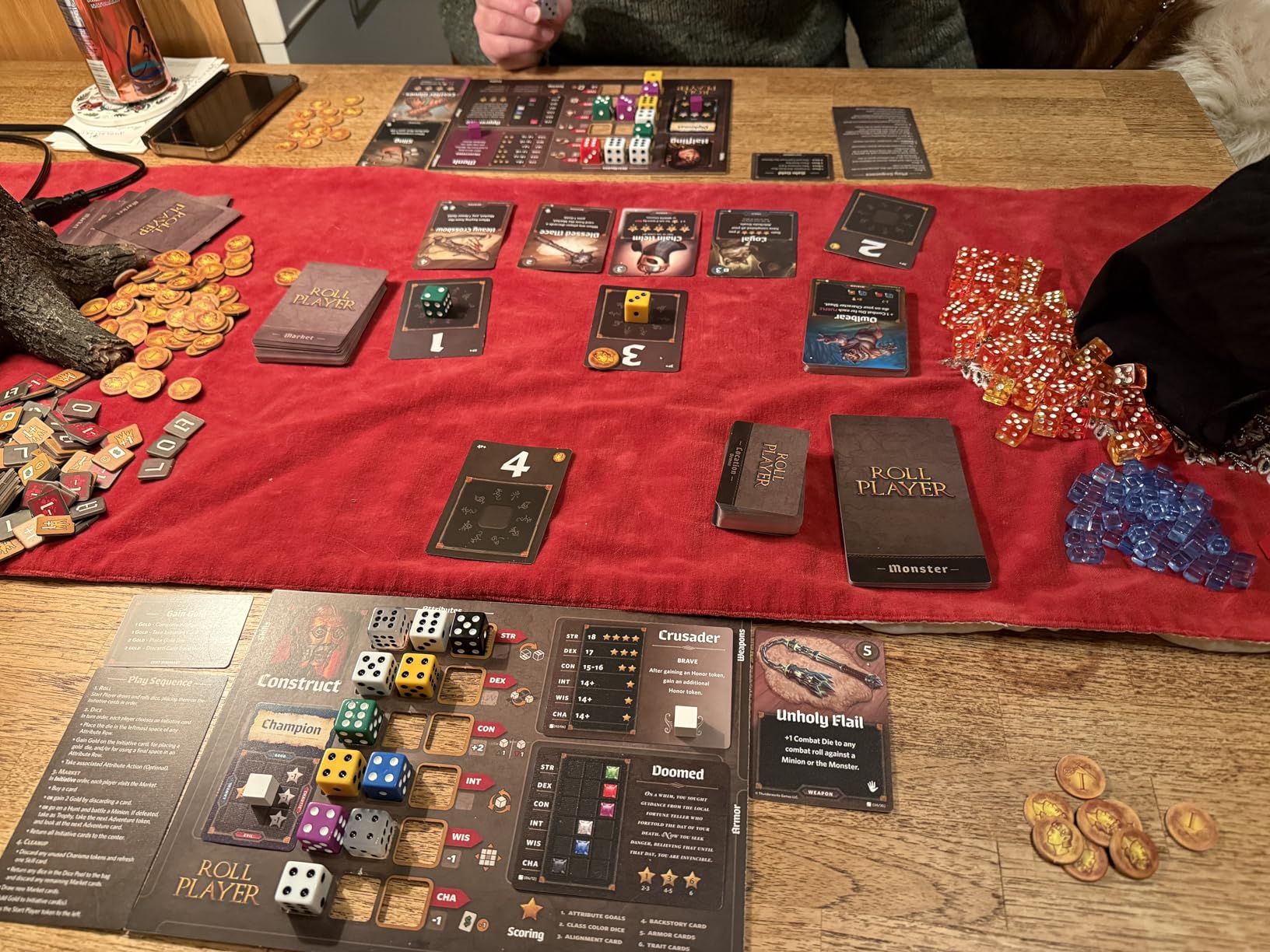
I recommend using a hobby knife to ease the punch points. The game also pairs well with the Monsters and Minions expansion if you want added combat mechanics. The 60 to 90 minute playtime is accurate for multiplayer.
Solo runs clock in around 45 minutes once you know the rules. This is the longest game on our list, but the time passes quickly because every turn presents multiple appealing options. The artwork alone is worth the price of admission.
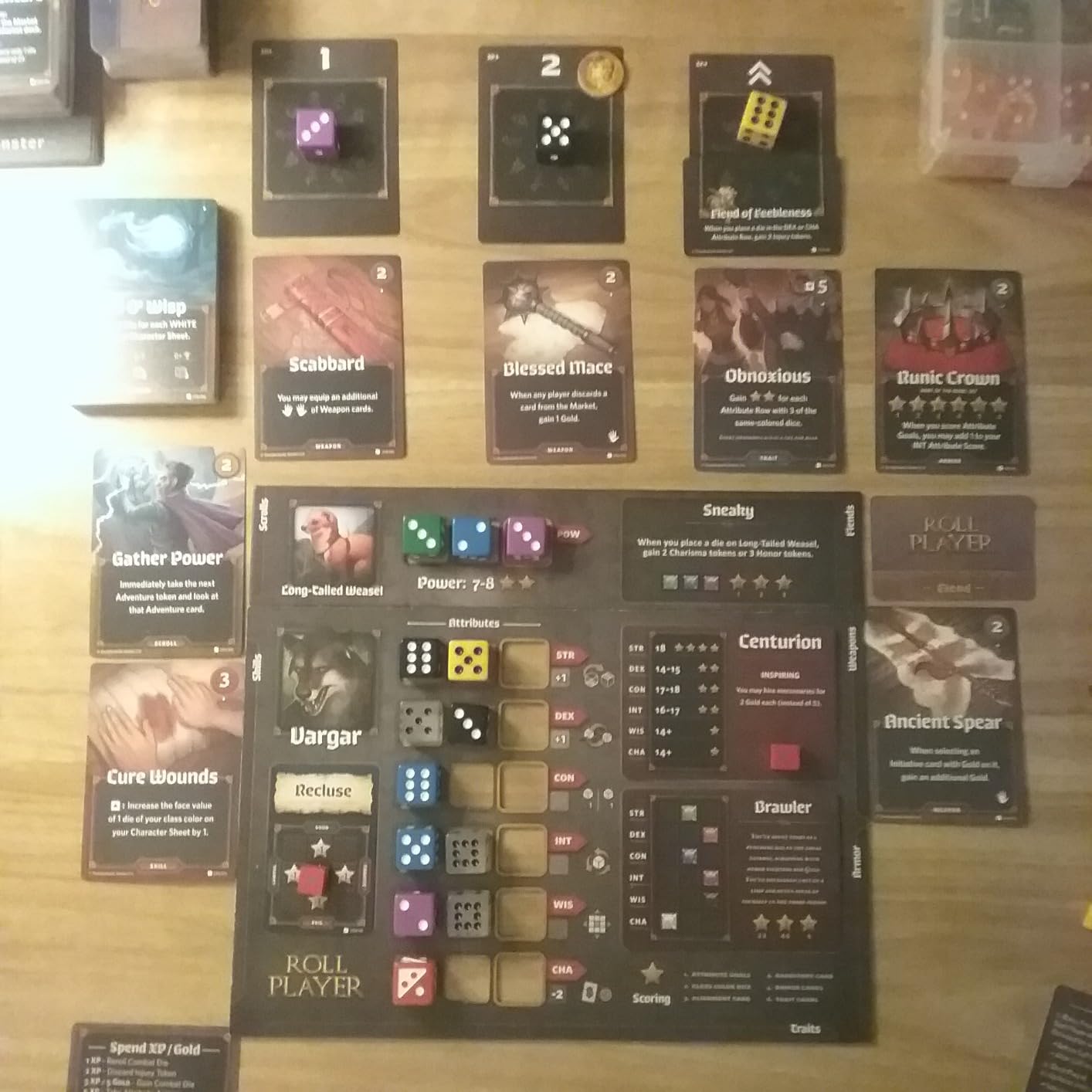
Best for RPG fans and players who love engine-building puzzles
If you enjoy fantasy themes and want a roll and write style game with genuine depth, Roll Player is unmatched. The dice drafting creates interaction in multiplayer, and the solo mode is one of the best in the genre. The 974 positive reviews are not an accident.
Avoid if you want a 20-minute filler or abstract gameplay
This is a session game. Setup takes 10 minutes, and the teach can run 20. The theme is also deeply embedded; if you do not care about character stats and fantasy classes, the mechanics may feel buried under flavor text. It is also the priciest option on this list, so budget-conscious buyers should consider other choices first.
5. Orleans: Joan of Arc – The Best Draw and Write for Solo Play
Capstone Games: Orleans: Joan of Arc – Draw and Write Game
1-5 players
45 min playtime
10+ age
Medieval draw and write
Pros
- Multiple game modes
- Solo mode offers challenging puzzles
- High replay value
- Quick playtime
Cons
- Game sheet has tiny print
- No simulated AI opponent
- Small follow-up tiles
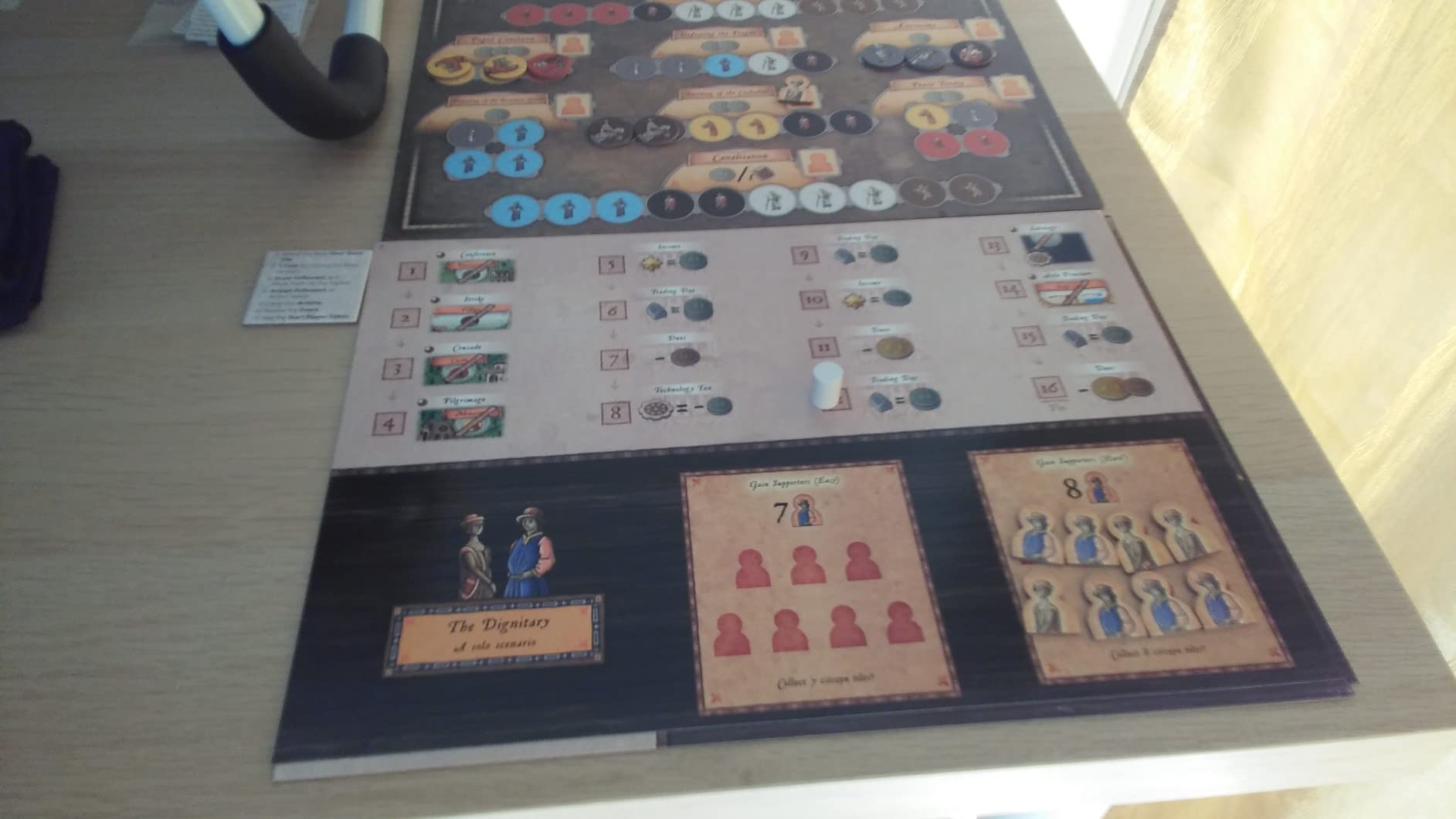
Orleans: Joan of Arc takes the bag-building fame of Orleans and translates it into a compact draw and write experience. You pull follower tiles from a bag, mark actions on your sheet, and manage resources across a tight 45-minute arc. The solo scenarios are genuinely puzzles rather than score chases.
I played three solo scenarios back-to-back on a Sunday afternoon. Each scenario has different place tiles and scoring conditions, so the strategies shift completely. The first scenario rewards efficient pathing.
The third scenario forces you to balance three competing scoring tracks. The variety is impressive for a box this small. The multiplayer modes are also well done.
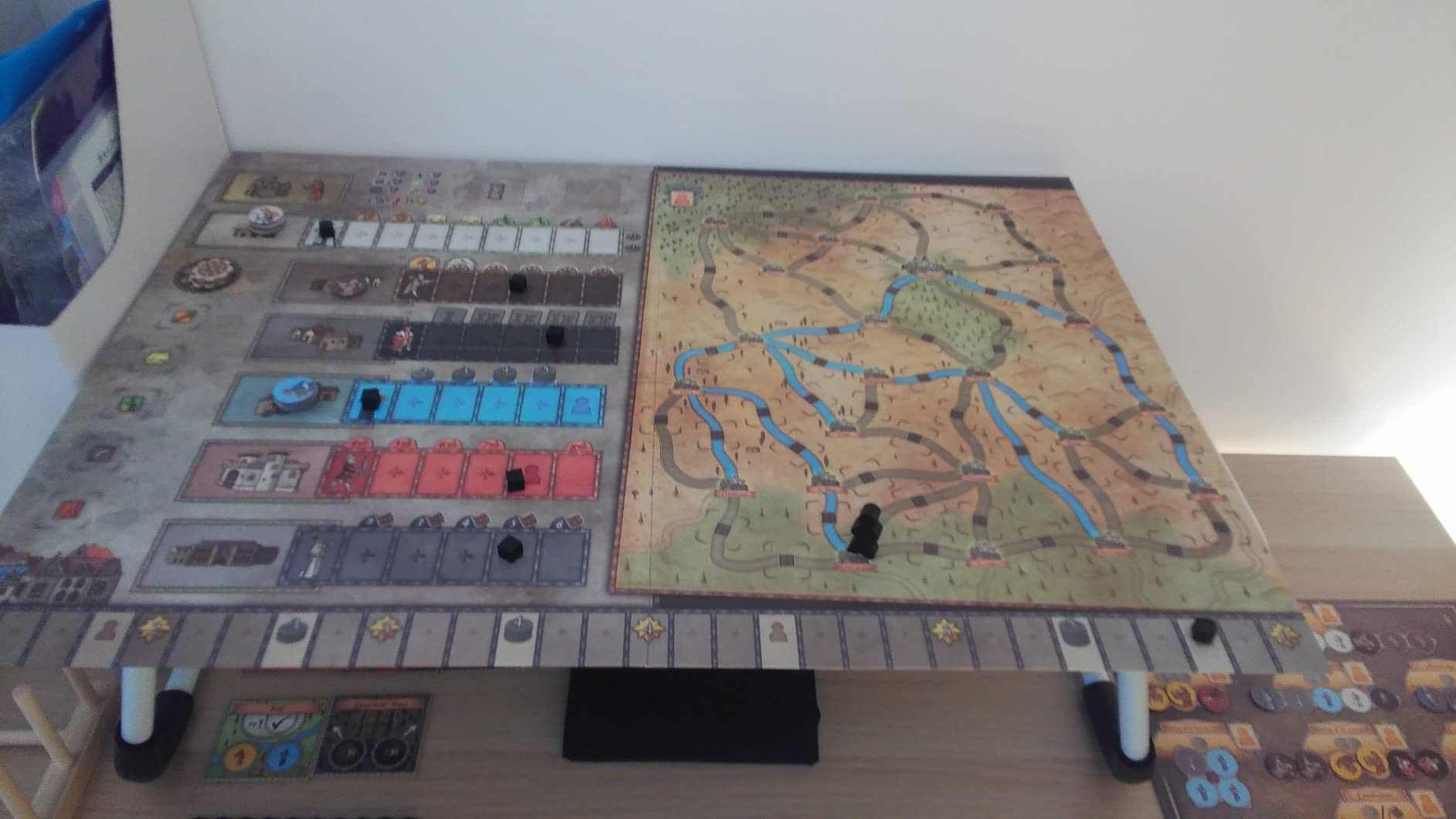
Cooperative play means you are collectively trying to hit a score threshold, while competitive play introduces direct sheet comparison. The 45-minute playtime makes this a great weeknight option. The box is compact enough for travel.
The print on the score sheets is genuinely small. Players with vision issues should use a reading lamp or consider enlarging copies. The follow-up tiles are also tiny and can be fiddly to handle.
These are production compromises that come with the compact form factor. The included pens are decent, but the line weight is thick. I prefer a fine-point pen for precise marking.
The bag is sturdy, and the follower tiles are thick cardboard that should hold up to hundreds of draws.
Best for solo puzzle solvers and fans of the Orleans universe
If you want a solo roll and write that feels like a campaign puzzle book, this is the best option we tested. The medieval theme is subtle but pleasant, and the bag-building randomness keeps replays fresh. It also integrates with the base game expansions if you already own the full Orleans board game.
Avoid if you need large print or want competitive AI
The tiny text is a real barrier for some players. The solo mode is also pure puzzle optimization; there is no AI opponent to beat directly. If you prefer head-to-head competition even in solo play, the lack of a simulated rival may feel flat. Photocopy the sheets before your first play to preserve the originals.
6. That’s Pretty Clever! – The Best Combo-Driven Score Chaser
CMYK That’s Pretty Clever! – A Dice Rolling Board Game for Clever Thinkers
1-4 players
15 min playtime
8+ age
Strategic dice placement
Pros
- Quick gameplay perfect for breaks
- Strategic dice rolling with combos
- No downtime
- High replayability
Cons
- Some learning curve initially
- Small scorecard sheets
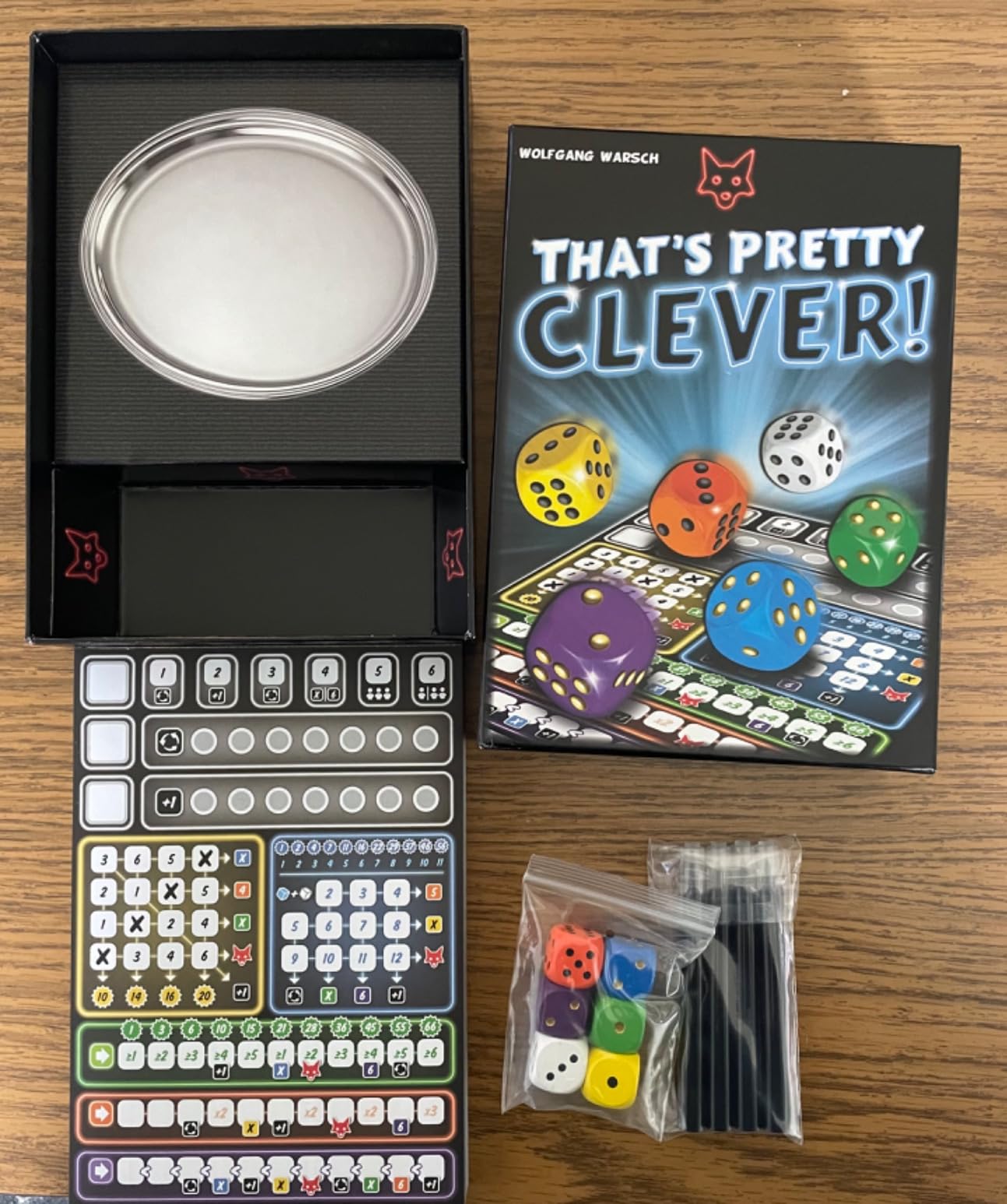
That’s Pretty Clever! is a 15-minute burst of combo-building joy. You roll six colored dice, choose one to place on your score sheet, and then other players use the remaining dice. The chain reactions are satisfying.
A good yellow die placement can unlock a blue bonus, which triggers a green bonus, which scores a massive chain. I keep this in my desk drawer at work. Lunch breaks turn into quick three-round tournaments.
The game rewards pattern recognition and risk assessment. Do you take the safe 3-point placement now, or hold out for a potential 12-point combo next turn? Those decisions are the heart of the experience.
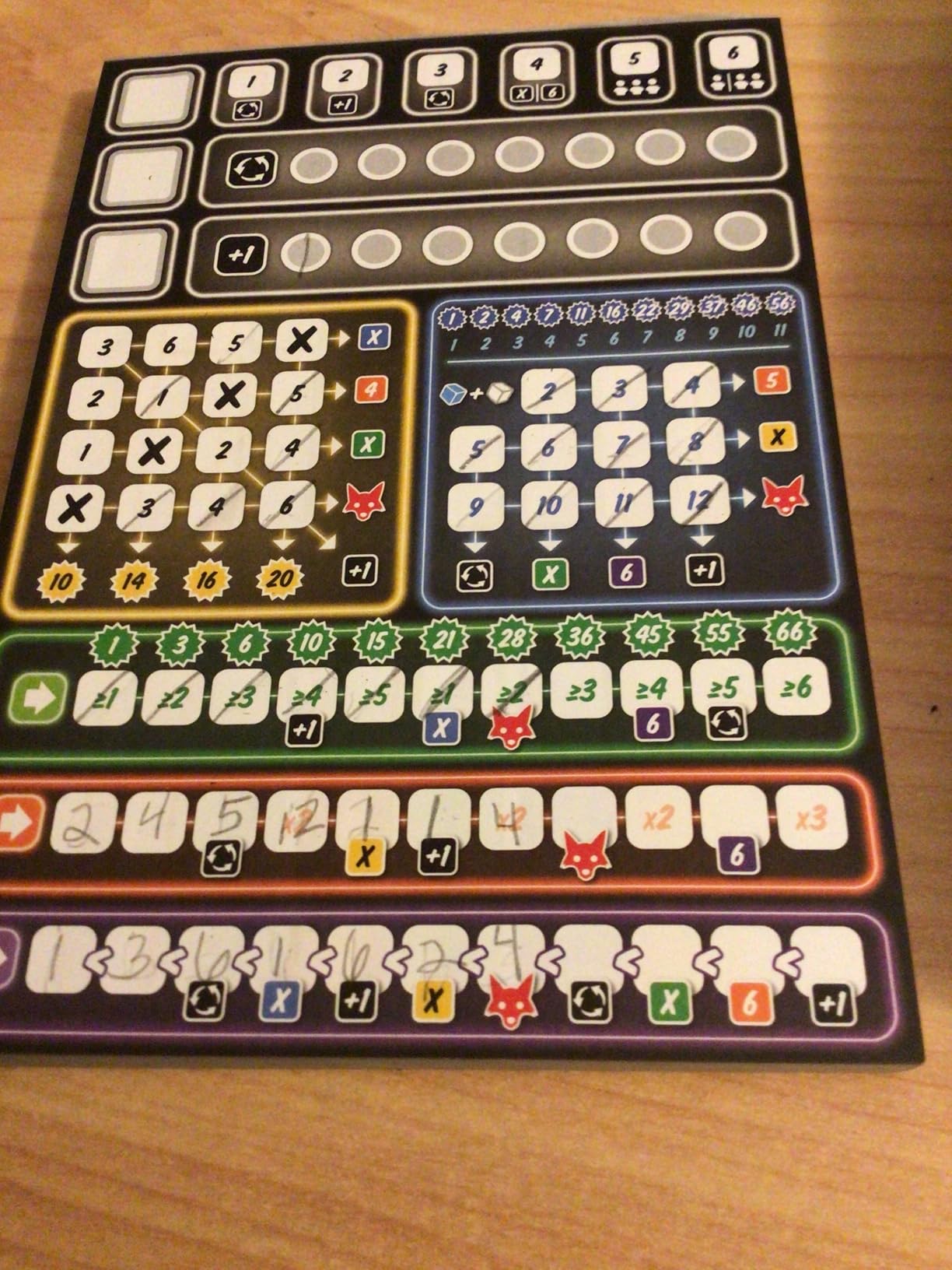
The score sheets are small, about the size of a large index card. The included pens are fine, but I prefer using a mechanical pencil for precision. The rules are straightforward after one practice round, though the first read can feel dense because there are six color zones with different scoring rules.
The replayability is excellent because the dice randomness creates new opportunities every game. There is no theme to speak of, which is either a feature or a flaw depending on your taste. If you want pure abstract optimization, the lack of narrative is freeing.
If you need a setting to anchor your imagination, this may feel sterile. That is a matter of personal preference rather than a design flaw. The game knows exactly what it wants to be and executes it perfectly.
Best for quick lunch sessions and abstract puzzle lovers
This is the best 15-minute roll and write game we tested. It fits into any schedule, teaches in 5 minutes, and offers real depth. The no-downtime design means 4 players finish in the same time as 1 player. If you want a game that respects your time while still challenging your brain, this is the pick.
Avoid if you need strong theme or large components
The game is literally dice and paper. There is no artwork beyond the box. The sheets are small and thin. If you want a lavish production with miniatures or a story arc, this will disappoint. It is also strictly abstract; there are no characters, quests, or narrative hooks.
7. Lost Cities: Roll & Write – The Best Travel-Friendly Adventure
Thames & Kosmos Lost Cities: Roll & Write | A Family Friendly Game from Kosmos Games |by Reiner Knizia | for 2 to 5 Players, Ages 8 and up
2-5 players
30 min playtime
8+ age
Adventure dice game
Pros
- Easy to learn
- Portable
- Great family game
- Strategic depth
Cons
- Takes a few plays to fully understand
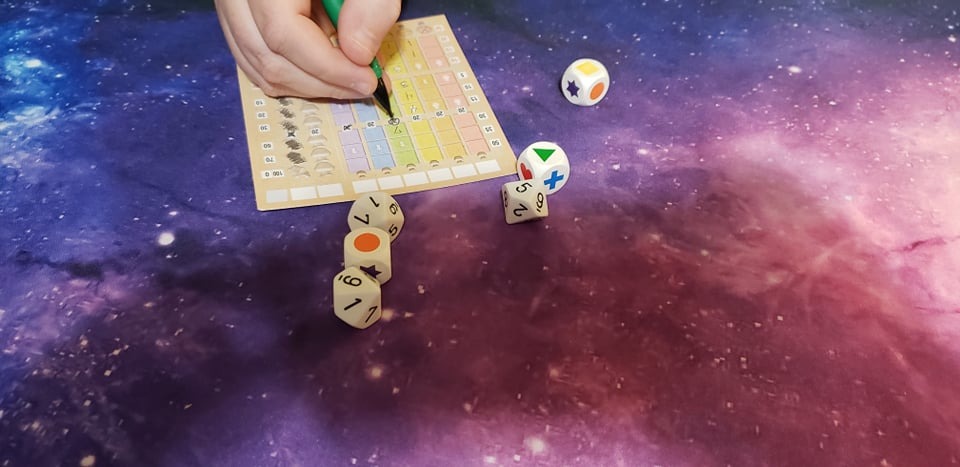
Reiner Knizia designed Lost Cities: Roll & Write, and his signature touch is visible in every decision. You roll colored dice and number dice, then assign them to expedition columns on your sheet. The scoring rewards bold commitment: starting an expedition costs points unless you push it far enough to break even and profit.
I brought this on a weekend trip with my in-laws. The tiny box fit in a jacket pocket, and we taught it in 10 minutes. The push-your-luck element creates great table talk.
Everyone groans when someone commits to a fourth expedition and immediately rolls the wrong numbers. The tension is light but genuine. The rules are simple but the scoring depth reveals itself over multiple plays.
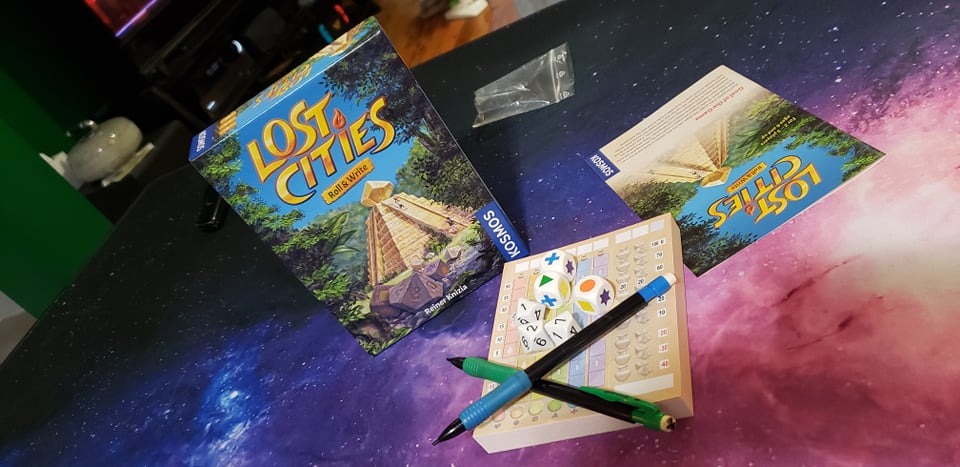
Your first game will feel random. By your third game, you start seeing probabilities and risk thresholds. That learning curve is satisfying rather than frustrating. The 30-minute playtime is accurate.
The three colored dice and three number dice are all you need. The game sheets are well-designed with clear expedition tracks. I recommend bringing a small pencil case because the box does not include writing tools.
The portability is excellent for cafes, hotels, and picnics. I have kept this in my car glove box for months. It is my default backup game when a restaurant wait runs longer than expected.
Best for travelers and fans of push-your-luck mechanics
This is the most portable fully thematic game on our list. The adventure theme works perfectly with the risk-reward scoring. Knizia fans will recognize the elegant math underneath the simple rules. It is a great introduction to roll and write games for families who want something beyond pure luck.
Avoid if you want guaranteed payoff every turn
The core tension comes from uncertainty. If you hate games where a bad roll can ruin a planned expedition, the dice randomness will frustrate you. The two-player minimum also means no solo option. This is strictly a multiplayer experience, so solo gamers should look at Orleans or Rolling Realms instead.
8. Get On Board: Paris & Rome – The Best Dual-City Metro Builder
IELLO: Get On Board: Paris & Rome – A Clever Flip & Write Board Game, Create The Best Metro Line in Two Cities, Ages 8+, 1-5 Players, 30 Mins
1-5 players
30 min playtime
8+ age
Flip and write transport
Pros
- Beautiful retro artwork
- Great replayability
- Clear rules
- Solo mode available
Cons
- Instructions confusingly written
- Pink and purple tokens similar
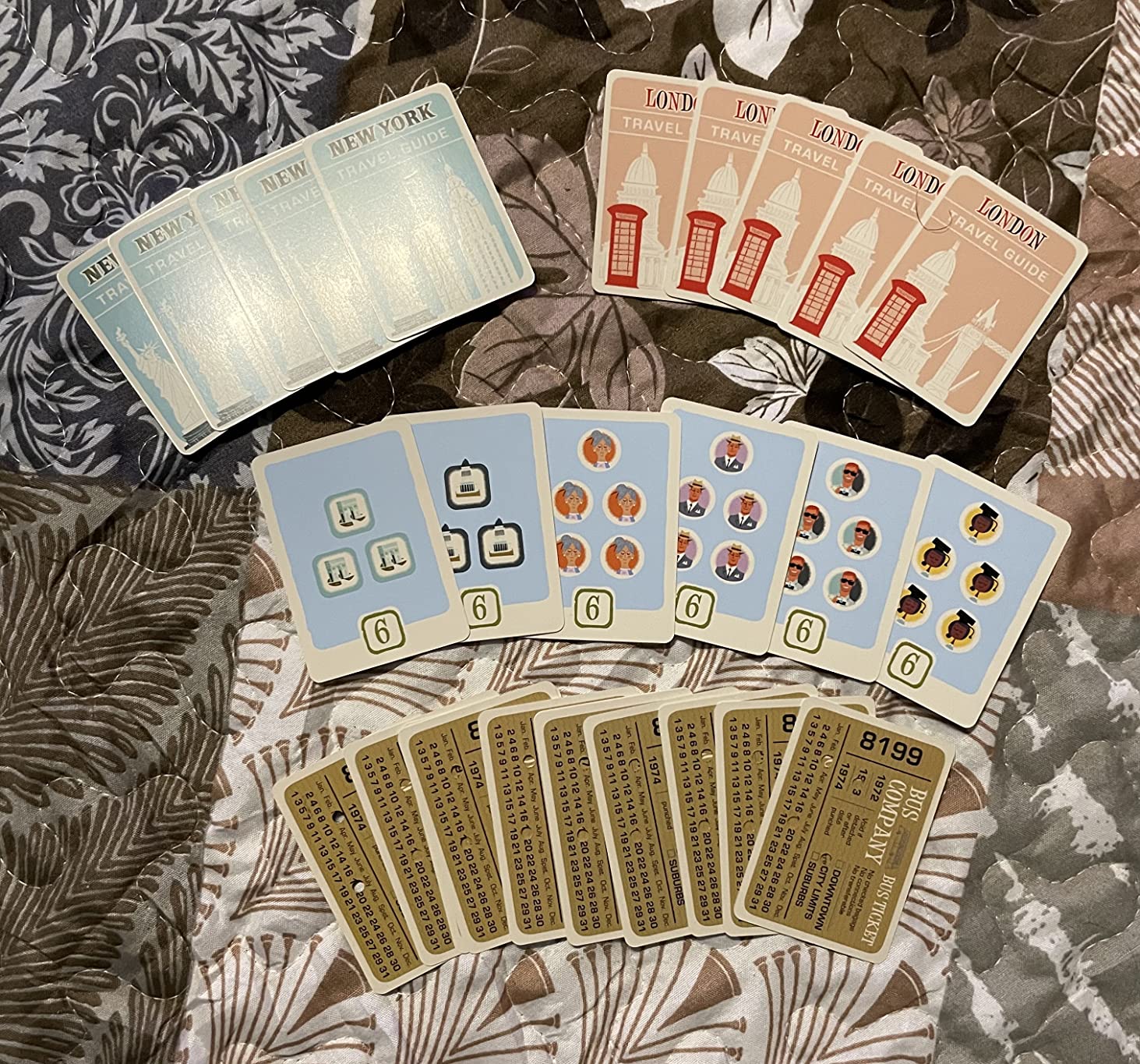
Get On Board: Paris & Rome lets you build metro lines across two of the most beautiful cities in Europe. The flip-and-write mechanic uses cards to reveal route options, and you trace connections on a double-sided board trying to transport the most passengers. The retro 1950s illustration style is gorgeous.
I played the Paris side with three friends and the Rome side solo the next morning. Both maps feel distinct because the district layouts and passenger demands differ. The solo mode uses an inspector pawn that blocks certain routes, forcing you to adapt your plans.
It is a clever implementation that adds genuine challenge. The player sheets are thick and dry-erase friendly. I laminated a few just to be safe, but the stock is good enough for pencil and eraser.
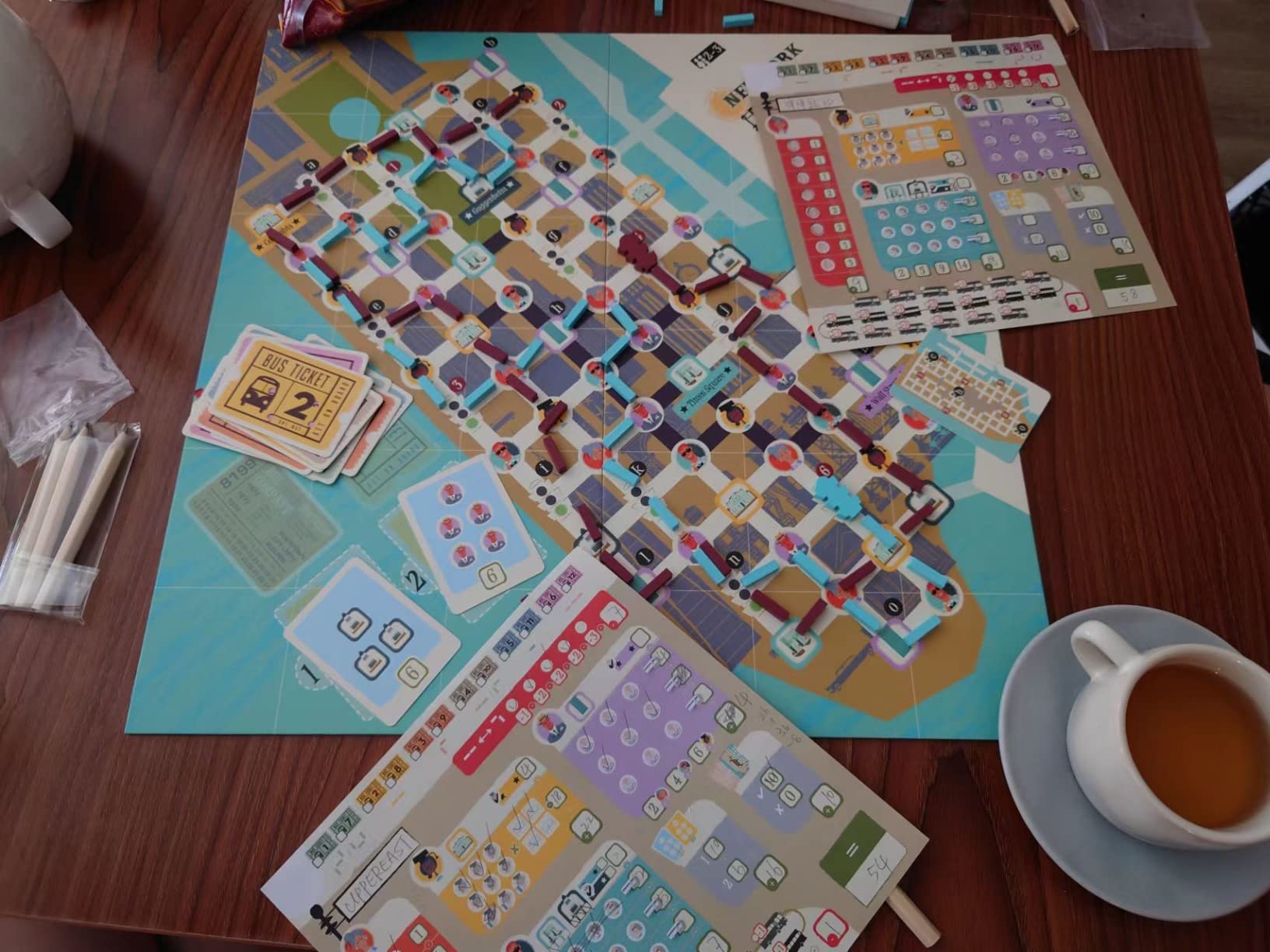
The route markers are small and colorful, though the pink and purple shades are uncomfortably close for colorblind players. A simple pattern difference would have solved this. The rulebook is oddly written.
The rules themselves are simple, but the explanation buries key concepts in dense paragraphs. I watched a 5-minute tutorial video and then taught the game in 8 minutes. If you rely solely on the rulebook, plan on a slower first session.
The connection scoring is the highlight. Doubling up with other players to create shared routes earns more points, which introduces a light negotiation element. That interaction is rare in flip and write games and makes this feel more social than most entries in the genre.
Best for art lovers and players who want variable maps
The visual presentation is a standout. Every sheet looks like a vintage travel poster. The dual-city design means two games in one box, and the variable objectives change scoring priorities each session. If you appreciate production value and want a transport-themed flip and write, this is the best option.
Avoid if you need perfect rulebook clarity or colorblind-friendly design
The rulebook issue is real. Colorblind players will also struggle with the pink and purple distinction. These are not dealbreakers, but they are annoying in a game that otherwise nails the presentation. The limited route options each turn can also feel restrictive if you prefer wide-open creativity.
9. Twilight Inscription – The Best Epic Sci-Fi Roll and Write
Twilight Inscription Board Game – An Epic Roll-and-Write Galactic Strategy Game, Sci-Fi Adventure for Teens & Adults, Ages 14+, 1-8 Players, 90-120 Min Playtime
1-8 players
90-120 min playtime
14+ age
Epic sci-fi strategy
Pros
- Rich Twilight Imperium universe
- Infinitely replayable
- Good for 1-8 players
- Great solo option
Cons
- Steep learning curve
- Chalk markers leave residue
- Requires significant table space
Twilight Inscription is a beast. It compresses the epic Twilight Imperium universe into a roll and write experience that manages four separate boards simultaneously: Navigation, Expansion, Industry, and Warfare. Each round you roll custom dice and assign results to one of these tracks, building an empire in pencil.
I played a full 4-player session that lasted 105 minutes. The table space was massive. Each player needs room for four dry-erase sheets, reference cards, and faction abilities. The payoff is worth it.
By the final round, you are managing a genuine economic and military engine across a galaxy. The chalk markers leave residue on your fingers. I switched to my own dry-erase pens after the first play.
The solo mode is excellent and uses the same core rules with a simple scoring benchmark. The 8-player maximum is rare in roll and write games, and it works surprisingly well because turns are simultaneous. I would not recommend this for a first game night, but for an experienced group, it is unforgettable.
Best for experienced gamers and Twilight Imperium fans
This is the most ambitious roll and write game we tested. If you want a 90-minute epic with genuine strategic depth, Twilight Inscription delivers. The faction asymmetry adds replayability, and the solo mode is robust. It is a love letter to the Twilight Imperium setting in a compact format.
Avoid if you want a quick filler or small footprint
This is not a quick game. The setup takes 15 minutes, and the teach can run 30. The table space requirement is also large for the genre. New gamers will be overwhelmed by the four-board management. This is strictly for experienced players who already enjoy heavy games.
10. Rolling Realms Redux – The Best Multi-Realm Mini Game Collection
Stonemaier Games: Rolling Realms Redux by Jamey Stegmaier & Karel Titeca
1-6 players
30 min playtime
Adult age
Multi-realm dice game
Pros
- 12 unique mini realms
- Portable and great for travel
- Solo Automa mode
- Dry-erase reusable sheets
Cons
- Some realms can be intricate to learn
Rolling Realms Redux collects 12 mini games inspired by popular board game titles, each with its own scoring board and special rules. You roll two large custom dice and use the results to activate realms of your choice. The variety is staggering compared to single-mechanic games.
I played a 6-player game using two copies, and the scalability is smooth. The included travel tuckbox is a thoughtful touch. The dry-erase markers and eraser pads work well, though I recommend letting the ink dry for a few seconds before erasing to avoid smudges.
The solo Automa mode is clever and adjustable. The learning curve is real because each realm has unique rules. The included realm compendium helps, but your first few plays will involve frequent reference checks.
Once the realms click, the game flows quickly. The 30-minute playtime is accurate after the learning phase. I enjoy rotating realms every session so no two games feel alike. That variety is the main selling point.
Best for variety seekers and Stonemaier fans
If you get bored playing the same sheet every time, Rolling Realms Redux solves that problem permanently. The 12 realms offer enough variety for dozens of sessions without repetition. The box is also designed to hold all future expansions, which is a nice forward-thinking detail from the publisher.
Avoid if you want a single coherent experience
The game is essentially a mini game anthology. There is no overarching narrative or unified scoring system. If you prefer a single elegant mechanic refined to perfection, the constant realm switching may feel disjointed. The intricate rules also mean this is not ideal for young children.
11. Patchwork Doodle – The Best Creative Drawing Game
Lookout Patchwork Doodle Board Game – Creative Strategy Game, Puzzle Game, Drawing Game, Family Board Game for Kids & Adults, Ages 8+, 1-6 Players, 20 Minute Playtime, Made Games
1-6 players
20 min playtime
8+ age
Drawing puzzle game
Pros
- Great for 1-6 players
- Creative drawing element
- Portable small box
- Easy to teach
Cons
- Included pencils are mediocre
- Scoring can be complex
Patchwork Doodle takes the beloved tile-laying Patchwork concept and turns it into a drawing game. You roll a die and draw the resulting Tetris-like shape onto your sketchpad. Special actions and scoring zones reward careful placement and creative problem solving.
I played this with my 9-year-old nephew, and he loved the drawing aspect. The three-round structure keeps the game moving, and the competitive scoring at the end is exciting. The included pencils are cheap, so I swapped in a set of colored pencils from home.
The sketchpad has about 80 pages, which lasts a while. The scoring is slightly more complex than the rules suggest. Explaining the negative points for empty spaces and the bonus conditions took an extra 5 minutes.
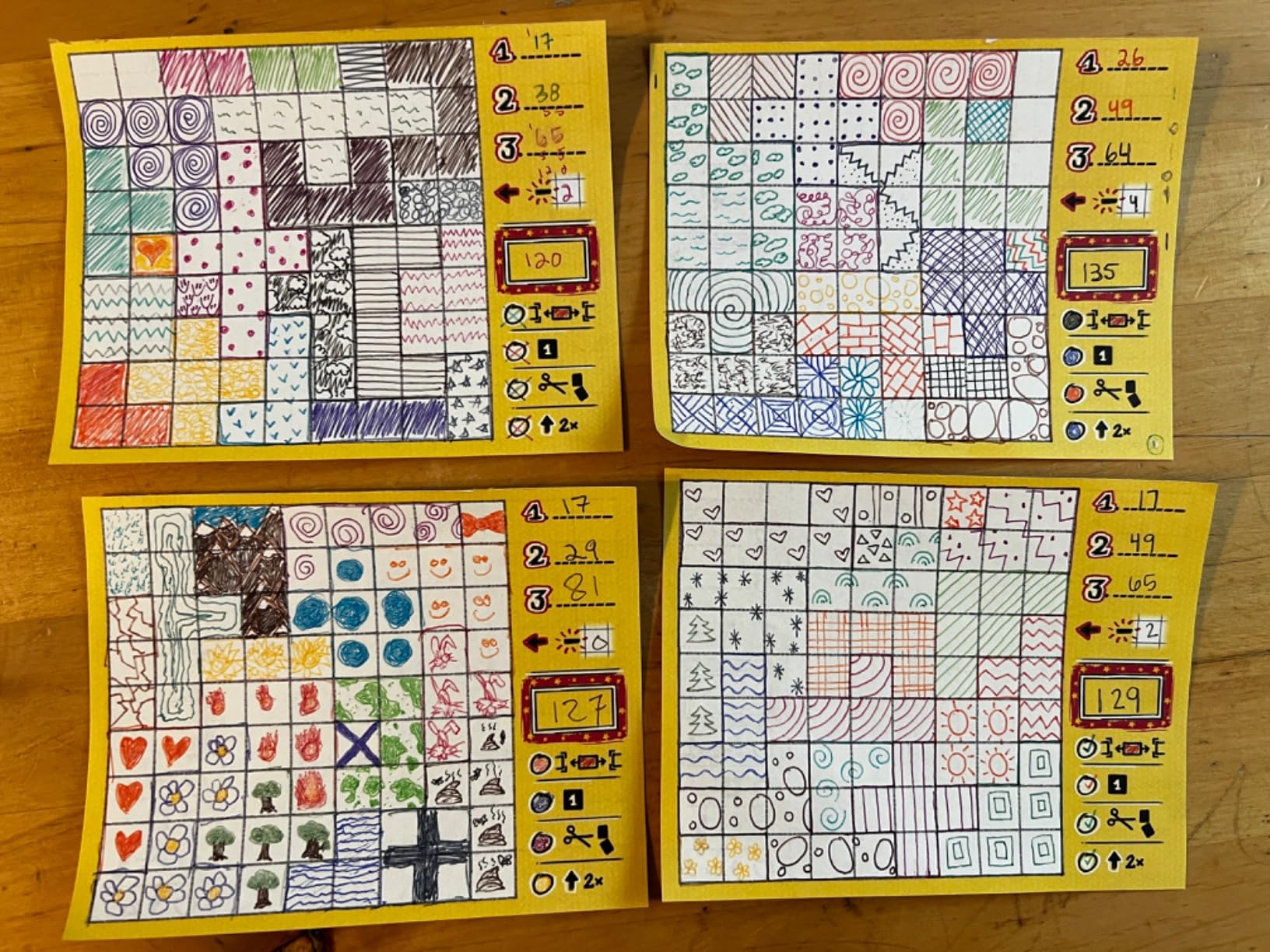
After one round, everyone understood. The game works at all player counts, and the solo mode is a relaxing puzzle. The refill pads are also available separately, which solves the consumable component concern.
The dice are standard six-sided, so no custom components to worry about. The card deck is small but well-illustrated. The rulebook is one of the clearest on this list, which is refreshing after wrestling with some of the denser manuals.
Best for creative families and casual drawing fans
The drawing mechanic makes this feel different from every other game on this list. If you have young players who enjoy doodling, the gameplay connects naturally. The small box and quick playtime make it perfect for restaurants and waiting rooms.
Avoid if you want strict strategy or dislike freehand drawing
The drawing element introduces some looseness. A neat sketch does not help you score; only the shape placement matters. Some players find the freehand requirement stressful. If you want rigid grid placement and no artistic component, the drawing may feel like an unnecessary gimmick.
12. My City Roll & Write – The Best Campaign-Driven City Builder
My City Roll & Write
2-5 players
30 min playtime
8+ age
Campaign city builder
Pros
- Smaller and more portable than board game
- Shorter playtime
- Campaign more replayable
- Easy to set up
Cons
- More luck involved
- Bad quality dice
- Less table presence
My City Roll & Write distills the award-winning My City board game into a compact dice-and-sheet experience. The campaign mode evolves over multiple sessions, with new rules and scoring conditions unlocked as you progress. That sense of growth is rare in a genre where most games are self-contained.
I played through the first five chapters with a regular group. Each chapter adds a small twist, like new building types or modified scoring. The legacy-style progression keeps everyone invested.
The original My City board game is excellent, but this version sets up faster and travels easier. The dice quality is a weak point. A few of our dice had uneven edges that affected rolls.
We swapped in standard d6s after the second session. The reduced table presence is also noticeable; if you love the tactile tiles of the original, the paper sheets feel like a downgrade. The luck factor is higher than the board game because dice replace the card drafting.
The campaign is the main draw. Unlocking new stickers and rules over eight chapters gives you a reason to keep playing. It is one of the few roll and write games that creates a narrative arc across multiple sessions.
Best for campaign lovers and fans of the original
If you want a roll and write game that tells a story over multiple nights, My City Roll & Write is the only campaign-driven option on this list. The portability is a genuine upgrade over the board game. The campaign structure gives you a reason to return to the table week after week.
Avoid if you want perfect dice or the full tactile experience
The dice quality issue is common enough that I recommend checking yours immediately. The paper sheets also lack the physical satisfaction of placing tiles. If you want the full My City experience, the board game is superior. This version is best treated as a travel companion or a lighter entry point.
13. Sausage Sizzle – The Best Party Dice Game for Kids
25th Century Games Sausage Sizzle – Party Game – for 2 to 5 Players and Ages 8+
2-5 players
20 min playtime
8+ age
Party dice game
Pros
- Fun and easy to learn
- Good for practicing math
- Portable small box
- Cute animal characters
Cons
- Limited by number of dice
- May need dice tray
Sausage Sizzle is a party dice game where Australian animals try to steal food from a barbecue. Players roll and re-roll dice over six rounds, collecting critters and food symbols. Sausages score the most points, and the cute animal artwork makes this an instant hit with younger players.
I played this with a group of 8-year-olds at a family party. They picked up the rules in one round and were shouting about quokkas and crocodiles within minutes. The math practice is subtle but real.
Kids are adding food values and comparing probabilities without realizing they are learning. The game is limited by the dice pool. With only a handful of dice, the re-roll decisions are simpler than in games with larger dice pools.
The small box is great for travel, though the dice clatter loudly. A dice tray helps if you are playing in a quiet environment. The 20-minute playtime is accurate for groups of 3 to 5.
The box art is charming and immediately draws attention from kids. The rules are printed on a single folded sheet, which is perfect for young players who do not want to read a booklet. Set up takes under 60 seconds.
Best for young families and classroom game time
This is the most kid-friendly game on our list. The theme is charming, the rules are minimal, and the educational value is genuine. The animal characters are memorable, and the push-your-luck re-rolling creates excitement without overwhelming young players. For families with children aged 8 to 12, this is a safe choice.
Avoid if you want deep decisions or adult-oriented gameplay
The game is light by design. The dice limit means the strategic space is small. Adult gamers will find the decisions repetitive after a few plays. This is strictly a family and party game, not a mainstay for serious hobbyists. Treat it as an entry point, not a destination.
How to Choose the Best Roll and Write Board Game for Your Table
With 13 strong options on this list, the right choice depends on your specific situation. Here is how our team breaks down the decision.
Consider your primary player count first
Solo gamers should prioritize Orleans: Joan of Arc, Dinosaur Island Rawr and Write, Next Station Tokyo, or Rolling Realms Redux. These four offer genuine solo challenges rather than tacked-on solo variants. For families with young children, Ravensburger Brilliant, Sausage Sizzle, and Patchwork Doodle are the safest introductions.
Groups of 6 to 8 need Twilight Inscription or Rolling Realms Redux, as most games in the genre cap at 4 players. If your group size varies week to week, prioritize Next Station Tokyo or Rolling Realms Redux for their wide scalability. The worst feeling is owning a game that never hits the table because you are always one player over the limit.
Match playtime to your schedule
Quick 15 to 20-minute sessions call for That’s Pretty Clever!, Ravensburger Brilliant, Patchwork Doodle, or Sausage Sizzle. These are perfect for lunch breaks, waiting rooms, or closing out a game night. If you want a 45-minute centerpiece, Next Station Tokyo, Orleans: Joan of Arc, and Dinosaur Island Rawr and Write hit that sweet spot.
For a full evening, only Roll Player and Twilight Inscription deliver the 60 to 120 minute depth. Be honest about how much time you actually have. A 90-minute game that sits on the shelf is worse than a 20-minute game that hits the table twice a week. Our team plays shorter games three times more often than long ones.
Think about component durability and reuse
One common pain point in forum discussions is anxiety about writing on official sheets. Games with dry-erase boards, like Twilight Inscription and Rolling Realms Redux, solve this completely. Next Station Tokyo and Patchwork Doodle offer thick pads, but you will eventually run out.
Laminating sheets is a popular DIY solution. If you hate consumable components, avoid games that rely entirely on paper pads without offering refills. Our team laminated sheets for Next Station Tokyo and has been using the same set for months without issues. A small laminating investment can extend the life of a paper-based game indefinitely.
Balance theme against mechanics
Some players want a rich setting. Dinosaur Island Rawr and Write, Lost Cities: Roll & Write, and Twilight Inscription deliver strong thematic experiences. Others prefer pure mechanics. That’s Pretty Clever!, Ravensburger Brilliant, and My City Roll & Write are more abstract.
Neither approach is better; it depends on what draws you to the table. Our team found that themed games saw more repeat plays in casual groups, while abstract games held up better in competitive circles. If you play with mixed groups, keep a themed game and an abstract game on hand.
The best collections have both types ready.
Evaluate the learning curve honestly
New gamers should start with Ravensburger Brilliant, Sausage Sizzle, or Patchwork Doodle. These teach in under 5 minutes and forgive mistakes. Intermediate players will enjoy Next Station Tokyo, Lost Cities: Roll & Write, and That’s Pretty Clever!.
Experienced hobbyists looking for a brain burner should grab Dinosaur Island Rawr and Write, Roll Player, or Twilight Inscription. Be honest about your group’s tolerance for rule explanations. A 30-minute teach can kill the mood if everyone just wants to roll dice and laugh. We often start new groups with Brilliant and migrate them to deeper games over time.
Frequently Asked Questions
What is a roll and write game?
A roll and write game is a tabletop experience where players roll dice, flip cards, or draw tiles, then mark the results on personal score sheets or erasable boards. The genre combines luck-based randomization with strategic placement decisions. Players typically compete for the highest score by optimizing their sheet within the game’s rules.
What is the best roll and write game?
The best roll and write game depends on your preferences. Dinosaur Island Rawr and Write is the best for engine-building fans. Next Station Tokyo is the best value for families and solo players. Ravensburger Brilliant is the best budget-friendly option for quick sessions. For deep strategic play, Roll Player and Twilight Inscription offer the most complexity.
Can you play roll and write games solo?
Yes, many roll and write games include excellent solo modes. Orleans: Joan of Arc, Dinosaur Island Rawr and Write, Next Station Tokyo, Rolling Realms Redux, and Twilight Inscription all offer robust solo play. Solo modes usually involve beating a target score or competing against a simple AI system.
Are roll and write games fun for families?
Roll and write games are excellent for families because they are easy to learn, play quickly, and keep everyone involved. Titles like Ravensburger Brilliant, Sausage Sizzle, and Patchwork Doodle work especially well with children aged 8 and older. The genre’s accessibility makes it a popular choice for family game nights.
How do roll and write games work?
Players typically roll dice or reveal cards, then use those results to fill in sections of a personal score sheet. Each game has specific rules about where and how results can be placed. Scoring usually happens at the end based on completed patterns, connected routes, or accumulated points. The best players balance luck with efficient planning.
Conclusion
We tested these 13 games across three months of family nights, solo afternoons, and competitive sessions. The best roll and write board game for your shelf depends on who you play with and how much time you have. Dinosaur Island Rawr and Write remains our top overall recommendation for its depth, theme, and replayability.
Next Station Tokyo offers the best value for players who want flexibility. Ravensburger Brilliant is the perfect starter for families and non-gamers. Roll and write games have evolved far beyond simple score sheets.
In 2026, the genre offers everything from 15-minute combo puzzles to 2-hour epic galactic conquests. Start with a game that matches your current habits, and let the genre grow with you. The right dice and a sharp pencil are all you need to begin.